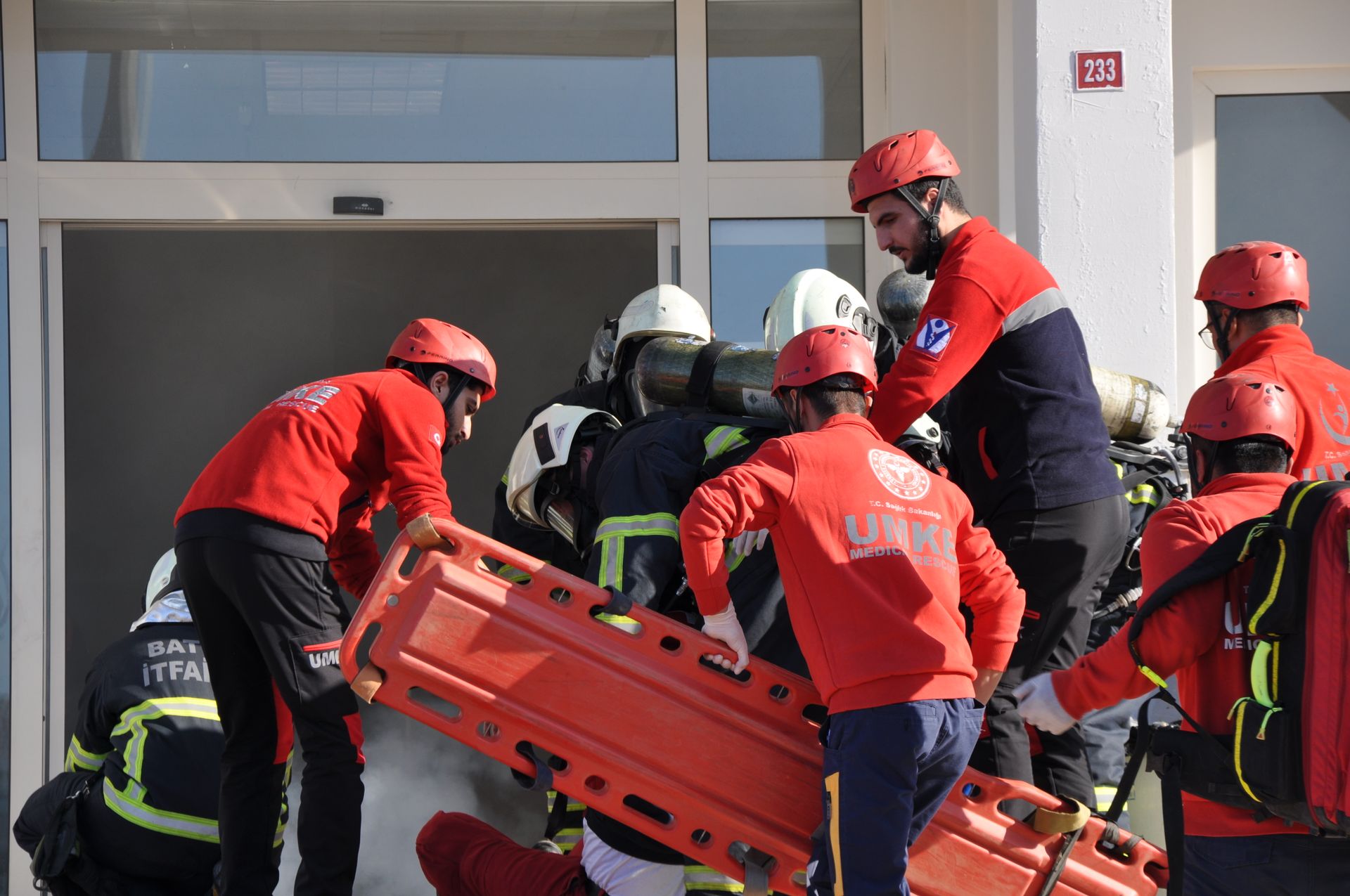
Emergency management now depends on timely information, coordinated decisions, and accurate records. Traditional methods, including radio calls, paper rosters, and manual checklists, still have value. However, fragmented updates can slow action during fires, severe weather, medical incidents, or security threats. Current systems connect alerts, maps, personnel details, equipment records, and response procedures. That shared view helps leaders identify hazards earlier, direct assistance carefully, and protect people throughout an incident.
Connected Information
Emergency teams once depended on radios, paper maps, and phone trees. Those methods remain useful, yet scattered reports can delay decisions during serious incidents. Digital emergency management software solutions bring location data, staff records, alerts, and response procedures into one operating view. Leaders can compare incoming reports, assign duties, and track changes without searching through separate files or waiting for repeated updates. A connected platform can also bring information from calls, texts, radios, and other sources into the same live incident picture, helping teams maintain situational awareness.
Live Site Mapping
Three-dimensional site maps give incident leaders detailed views of rooms, entrances, exits, equipment, and affected areas. A current model can show where an alarm began, which corridors may be blocked, and which routes remain available. This information supports safer evacuations and searches. Outside responders also gain useful familiarity with an unfamiliar facility before reaching the scene.
Equipment Visibility
Safety equipment requires inspection, access, testing, and scheduled service. A central record can track the location, inspection status, and maintenance history of panic buttons, automated external defibrillators, cameras, extinguishers, generators, and other critical assets. Staff can see missed checks or overdue repairs without reviewing multiple spreadsheets. Organizations can also use existing cameras and radios as sources of emergency information to add detection capabilities. Reliable records support readiness before an incident, while also strengthening internal audits, insurance discussions, and corrective planning.
Clearer Staff Coordination
An emergency may involve teachers, security officers, maintenance workers, contractors, visitors, and senior leaders. Technology can organize these groups by role, location, training, and permission level. Assigned duties become easier to confirm, particularly when several departments respond at once. Authorized personnel receive information relevant to their tasks, while commanders can identify who is available to assist, approve action, or report conditions.
Faster Alerts
Mass notification tools can send text messages, calls, emails, or workplace chat alerts through one interface. Leaders can reach large groups quickly, then issue revised instructions as conditions change. Two-way replies provide valuable details, including injuries, blocked exits, missing colleagues, or confirmed safe locations. Bringing those responses into a shared live picture helps prevent the response from going blind after the initial alert. A common communication process reduces conflicting messages and limits delays caused by manual forwarding.
Automated Response Steps
Automation converts written procedures into repeatable actions. A trigger may come from a sensor, scheduled inspection, staff report, or confirmed incident. The system can notify selected groups, open a video meeting, request status updates, or contact emergency services. These actions reduce reliance on memory during stressful conditions. Plain-language workflows also allow trained personnel to revise instructions as hazards, buildings, or staffing patterns change. AI-assisted communication can help structure incoming reports so that key details are easier for incident leaders to review and act on.
Roll Call and Mustering
Accountability is difficult for large campuses, hospitals, hotels, schools, and office complexes. Digital roll calls show who has checked in, who may require assistance, and which zones need further attention. Managers can compare attendance data with field reports, then send support where gaps appear. A current list gives responders stronger evidence about people during evacuation, sheltering, or relocation.
Direct Emergency Links
Technology can connect an organization with dispatch centers, fire services, police departments, and medical responders. Essential details, including address, access points, incident type, and hazards, can move quickly when an event begins. Direct information transfer reduces errors caused by repeated relaying. Responders gain useful context before arrival, which can improve routing, equipment selection, and initial coordination.
Artificial Intelligence Support
Artificial intelligence can assist with detection, triage, notifications, and status collection. It can gather reports from several sources, flag missing details, and suggest a reasonable next step. Human leaders must retain authority when evidence conflicts or circumstances shift. Carefully governed assistance reduces administrative work, highlights gaps, and keeps staff informed while response teams concentrate on protection and care.
Better Planning After Events
Technology remains useful after the immediate danger has passed. Time-stamped alerts, action logs, equipment histories, and attendance reports create a dependable record for review. Leaders can identify delayed messages, unclear duties, access problems, or incomplete training. Those findings support focused improvements rather than broad assumptions. Repeated reviews help organizations prepare for similar incidents with greater accuracy and practical discipline.
Conclusion
Technology is reshaping emergency management by linking information, personnel, equipment, and response actions. Live maps improve situational awareness, automated procedures support consistency, and direct alerts help people receive reliable instructions quickly. Digital accountability also shows where assistance may be needed. These tools cannot replace trained judgment, local knowledge, or compassion, but they give leaders stronger evidence and help teams protect people before, during, and after an emergency.
Editor’s Note: The opinions expressed here by the authors are their own, not those of impakter.com — Cover Photo Credit: Fahrettin Turgut.