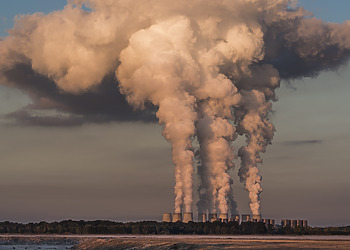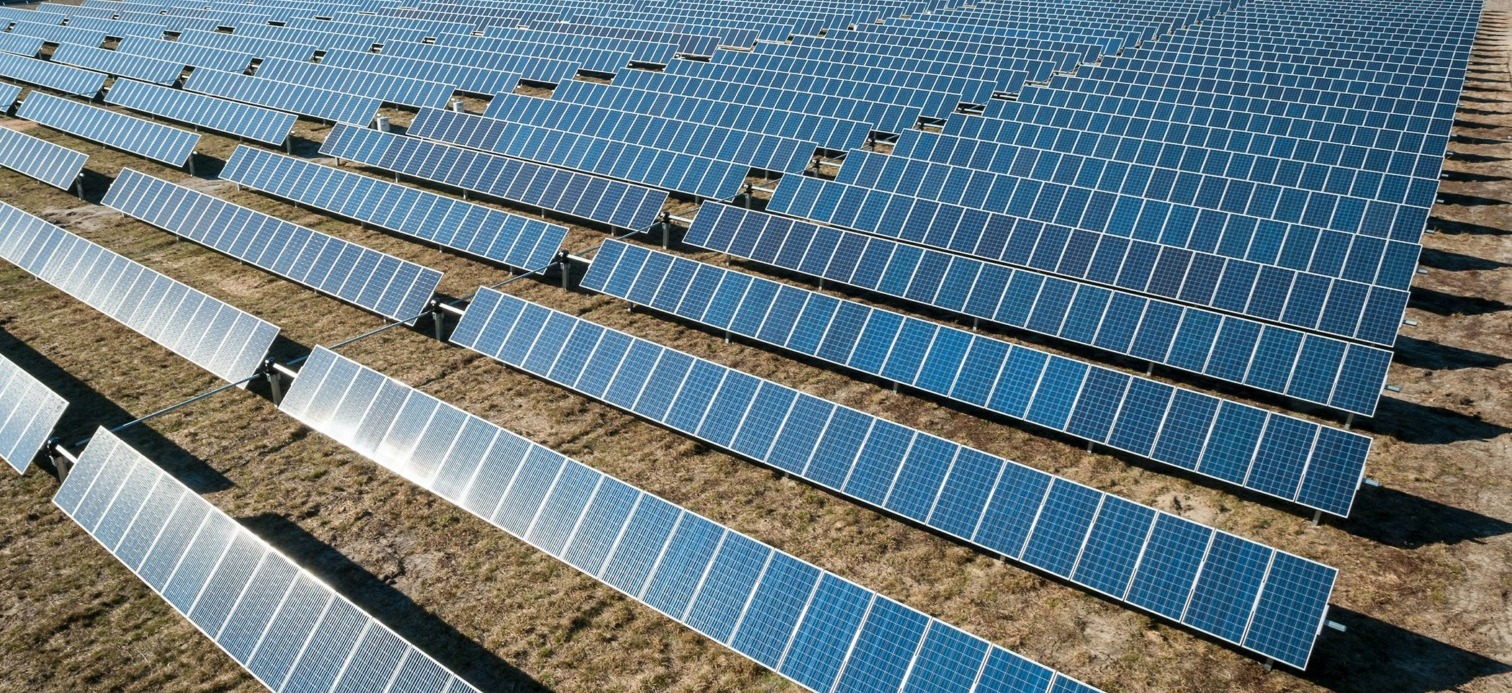
As the world struggles with climate change and the need for sustainable energy, the push for renewable energy has become urgent. Solar energy, though abundant, faces the challenge of intermittent supply.
Innovative energy storage systems are essential to address this challenge. While battery energy storage is widely used, a promising alternative — Gravity Energy Storage — has emerged.
Gravity energy storage is a new technology that stores energy using gravity. It has the potential to be a cornerstone of sustainable energy systems, with its capacity for long-term energy storage and low maintenance.
It’s also cheaper than other alternatives, which positions it as a strong candidate for grid-scale applications.
How it works
Gravity energy involves lifting a heavy mass during excess energy generation and releasing it to produce electricity when demand rises or solar energy is unavailable.
The types of weights used are often water, concrete blocks or compressed earth blocks.
Unlike pumped-hydro energy storage, gravity energy storage offers more flexibility in site selection.
A typical setup involves a heavy piston within a fluid-filled cylindrical container.
When solar energy production exceeds demand, surplus electricity lifts the piston, converting the surplus electrical energy into stored energy.
When demand surpasses supply, the piston descends, driving water through a turbine to generate electricity supply to meet demand.
Solving a renewables problem
As nations intensify their transition to renewable energy, gravity energy storage addresses a major challenge of solar and wind power: intermittency. Storing energy for periods without sunlight or wind is crucial for a stable and reliable energy supply.
Malaysia is making significant progress in boosting its renewable energy capacity, aiming to increase it from 2% in 2018 to 20% by 2025.
Achieving these targets depends on efficient energy storage solutions. Gravity energy storage offers a sustainable long-term option that can complement other storage systems and help balance supply and demand on the grid.
Underground gravity storage systems in Malaysia are viable given the many abandoned mining sites in the country including those in Tronoh, Batu Gajah and Bestari Jaya.
Battery energy storage is currently popular for efficient energy storage for solar power but has challenges like short lifespan, regular maintenance, and environmental harm from production and disposal. In contrast, gravity energy storage offers several advantages for large-scale energy storage.
For one, gravity energy storage systems can last for decades with minimal maintenance, unlike batteries that degrade over time.
Related Articles: What Are the Most Promising Energy Storage Technologies? | Fueling the Clean Energy Market: Global Goals Need Global Solutions | Salvaging Solar Panels: A Startup’s Recycling Venture
Environment-wise, gravity energy systems avoid harmful chemical reactions, reducing environmental impact and disposal issues, an important consideration in the move towards a greener planet.
It can also be more cost-effective for large-scale applications, with lower level costs of energy and storage.
A recent study found that while gravity energy storage and battery energy storage increased solar energy penetration by up to 7.26 percent, the former outperforms the latter in lifetime costs and energy efficiency.
This is due to its longer lifespan and higher discharge capabilities as batteries are constrained by their depth of discharge. A battery’s depth of discharge indicates the percentage of the battery that has been discharged relative to the overall capacity of the battery.
Early days
Gravity energy storage is still in the early development stages and faces challenges like high setup costs and regulatory hurdles for large-scale deployment. However, ongoing research and government support can address these issues.
There are promising opportunities, especially in regions where large-scale energy storage is necessary but conventional options like pumped-hydro energy storage or large battery farms are impractical.
Gravity energy storage is particularly advantageous in areas with space constraints or environmental concerns that restrict the deployment of other storage systems.
To fully realise its potential, ongoing research and real-world pilot projects are essential to demonstrate its feasibility across different environments.
Governments and energy companies play crucial roles in promoting the adoption of gravity energy storage. Policymakers can encourage investment through incentives and grants for research and development, while energy companies can pursue partnerships to finance and deploy the technology at scale.
One way forward is for governments and private sector stakeholders to support pilot projects to showcase the practicality and scalability of gravity energy storage technology.
These initiatives will provide valuable data on performance in real-world scenarios and help refine the technology for wider adoption.
In tandem with this, ongoing innovation in design and operation is crucial for reducing costs and enhancing efficiency. Focus areas include optimising the size and weight of the masses used in gravity energy storage systems and exploring alternative materials.
Public-private partnerships can address the financial and technical challenges of deploying gravity energy storage at scale. Cross-sector collaboration among energy companies, governments and research institutions is essential for sharing knowledge and resources.
As the planet transitions to a low-carbon future, gravity energy storage presents a promising solution to the critical challenge of energy intermittency in renewable energy.
With its ability to store large amounts of solar energy at a lower lifetime cost compared to traditional batteries, gravity energy storage could significantly stabilise power grids and facilitate the global shift toward renewable energy.
While challenges persist, ongoing research and the implementation of pilot projects indicate a bright future. By adopting innovative solutions like gravity energy storage, we can take meaningful steps toward a sustainable and reliable energy future.
** **
This article was originally published by 360info™. The research work was supported by the Fundamental Research Grant Scheme (FRGS), under Grant FRGS/1/2019/TK07/UTAR/02/2 and the UTAR Research Fund (UTARRF), under Project Number IPSR/RMC/UTARRF/2019-C1/S04 through Universiti Tunku Abdul Rahman, Sungai Long Campus, Malaysia.
Editor’s Note: The opinions expressed here by the authors are their own, not those of Impakter.com — In the Cover Photo: Solar panels. Cover Photo Credit: American Public Power Association.