From textile transportation to coal-powered sweatshops to wasted clothes, the impact of fast fashion on the environment cannot be ignored.
In 2023, the United Nations Environment Program (UNEP) stated that the fashion industry is contributing to 10% of global carbon emissions annually — more than international flights and maritime shipping combined. The industry’s greenhouse gas emissions are expected to increase by over 50% by 2030 if current trends continue.
Fashion’s giant environmental impact can be attributed to its depletion of non-renewable resources, energy- and water-intensive production, and emission of carbon and greenhouse gases. Among the worst culprits in the fashion industry are the fast fashion companies that manufacture low-cost goods with worse carbon footprints to consumers all too willing to keep buying new garments season after season.
What Is Fast Fashion?
Fast fashion concerns the business model that leverages economies of scale to offer clothing to consumers for cheaper and quicker than more high-quality or expensive brands.
For fast fashion brands such as Zara and H&M, it means reaching as wide a customer base as possible through big brand exposure and large-scale production. For consumers, it means affordable clothing that keeps up with influencer and designer trends. For the planet, it means a lot of textile waste and carbon emissions through the carbon-intensive production cycle and the culture of discarding clothes for the latest styles.
If trends continue, it is estimated that the fashion industry could account for 26% of global carbon emissions by 2050, according to the United Nations Framework Convention on Climate Change. Every year, 93 billion cubic metres of water — enough to sustain five million people for the same time period — is used by the fashion industry to meet production needs.
The biggest drivers of the industry’s emissions include dyeing and finishing (36%), yarn preparation (28%), and fibre production (15%), according to a 2018 report by Quantis International. Even washing clothes releases 500,000 tons of microfibres into the ocean each year, equivalent to around 50 billion plastic bottles.
Where Do the Fashion Industry’s Emissions Come From?
Some parts of the fast fashion lifecycle and supply chain are more energy-intensive or polluting than others. From the cultivation of raw materials to the tons of wasted garments each year, below are some of fast fashion’s most problematic aspects.
The Environmental Impact of Fabric Production
A Changing Markets Foundation 2021 report illustrated how companies will use cheap materials such as polyester to keep production costs low. The issue is that polyester — a synthetic material made from petroleum — takes around 200 years to decompose and causes about three times the carbon emissions of cotton production.
For reference, the production of a cotton t-shirt causes around 2.1kg of C02 emissions compared to 5.5kg from a polyester t-shirt.
Where Manufacturing Takes Place
Many of the largest textile manufacturers are in developing countries such as Cambodia, Bangladesh, China, and India. 60% of these textiles are then used in the fashion industry, whose producers can also typically be found in these countries. Due to their location, many of these clothes and textile production plants rely heavily on coal power, significantly increasing the carbon footprint of each garment that is then passed on to consumers.
This does not even take into account the social cost of these manufacturing plants, sometimes labelled as “sweatshops.” Cheap labour in these countries is what draws many big fashion corporations to use them for production to keep prices low, but the factory workers themselves often struggle to make a sustainable living. Less than 2% of factory labour in the fashion industry makes enough money to support themselves.
Transportation Across All Stages of the Fast Fashion Industry’s Supply Chain
Having these production centres in developing countries while most consumers of fast fashion clothing are found in Europe and North America means that transportation also plays a big role in the industry’s high emission levels.
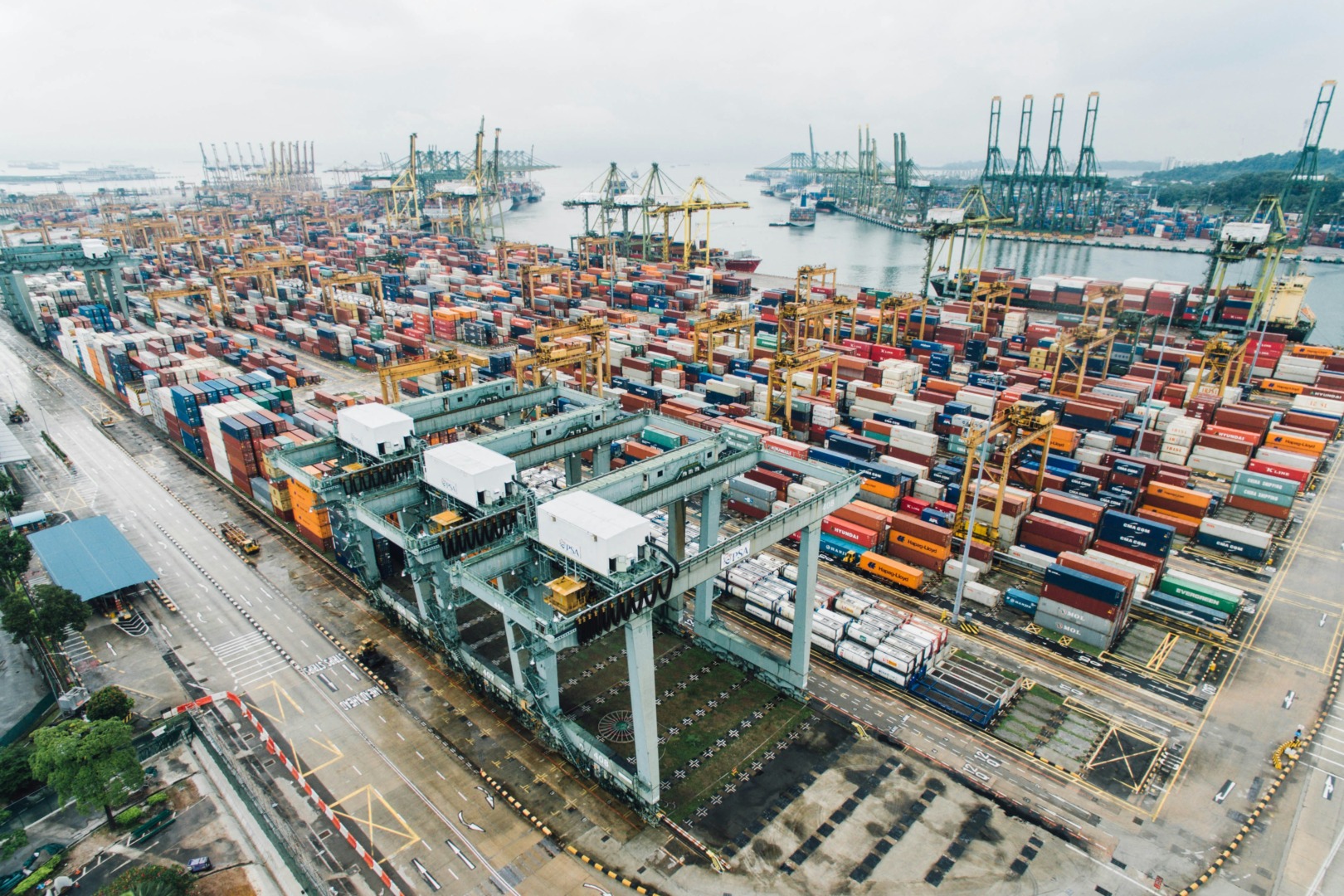
Whether it is transporting raw materials to these plants or finished products out, many individual garments will have travelled the world multiple times before reaching the consumer. In 2024, a study found that jeans production and transportation alone contributed to 91% of fast fashion consumption’s carbon footprint.
Related Articles: ‘Dead White Mans’ Clothing’ Polluting the Global South | Fast Fashion’s Detrimental Effect on the Environment | Legislation Against Fast Fashion: Will The FABRIC Act Revolutionize the Industry? | Affordable and Sustainable Alternatives to Fast Fashion | Slow Down Fast Fashion | The True Cost Of Fast Fashion for the Environment | ‘Ground Zero of the Fast Fashion World:’ How Kenya Became the Fashion Industry’s Illegal Junkyard | Who Benefits from Fast Fashion? Who Suffers?
What Does the Future of Fashion Look Like?
The fashion industry’s carbon emissions alone are expected to reach 2.8 billion tons by 2030, the equivalent of the carbon emissions of 550 million cars. These figures indicated an urgent need for change in how the world produces and uses clothing. There have been movements recently for larger adoption of high-quality, sustainable fashion, also called “slow fashion.” Additionally, more efforts are being seen to use recycled material in clothing production.
For synthetic materials, however, the technology needed to recycle or reuse them is often too expensive or inaccessible for mainstream use. More investment and research is needed to develop technologies that can contribute to a sustainable supply chain amongst these large textile and clothing producers.
Retailers and governments alike have begun putting real effort into limiting fashion’s huge pollution of the earth. Brands like Patagonia are offering services to consumers to fix their garments free of charge as an attempt to get them to consume less. Adidas, for example, are experimenting with more personalised clothing to limit returns and textile waste. And Ralph Lauren has pledged that by 2025, 100% of its key materials will be sustainably sourced.
While UK ministers rejected a movement by some members of parliament addressing the environmental footprint of fast fashion, French President Emmanuel Macron made a deal with 150 brands to increase sustainability within the industry.
Consumers as well must change their behaviours should the world hope to lower these emissions. In some countries, 40% of purchased clothing is never worn. Fast fashion has promoted a culture where clothing is often discarded and put to waste in favour of the newest trends and styles. More second-hand garment shopping and a move towards buying more high-quality, durable clothing are two methods that can help consumers to mitigate the burden that fast fashion places on the environment.
Clearly an issue of huge concern to environmentalists around the world, some companies and governments are addressing the issue head-on, while others have deferred blame or ignored it. As emissions continue to increase on trend, more and more efforts will be needed by all stakeholders in the fashion supply chain to limit the long-term damage to the earth caused by the population’s insatiable consumption of clothing.