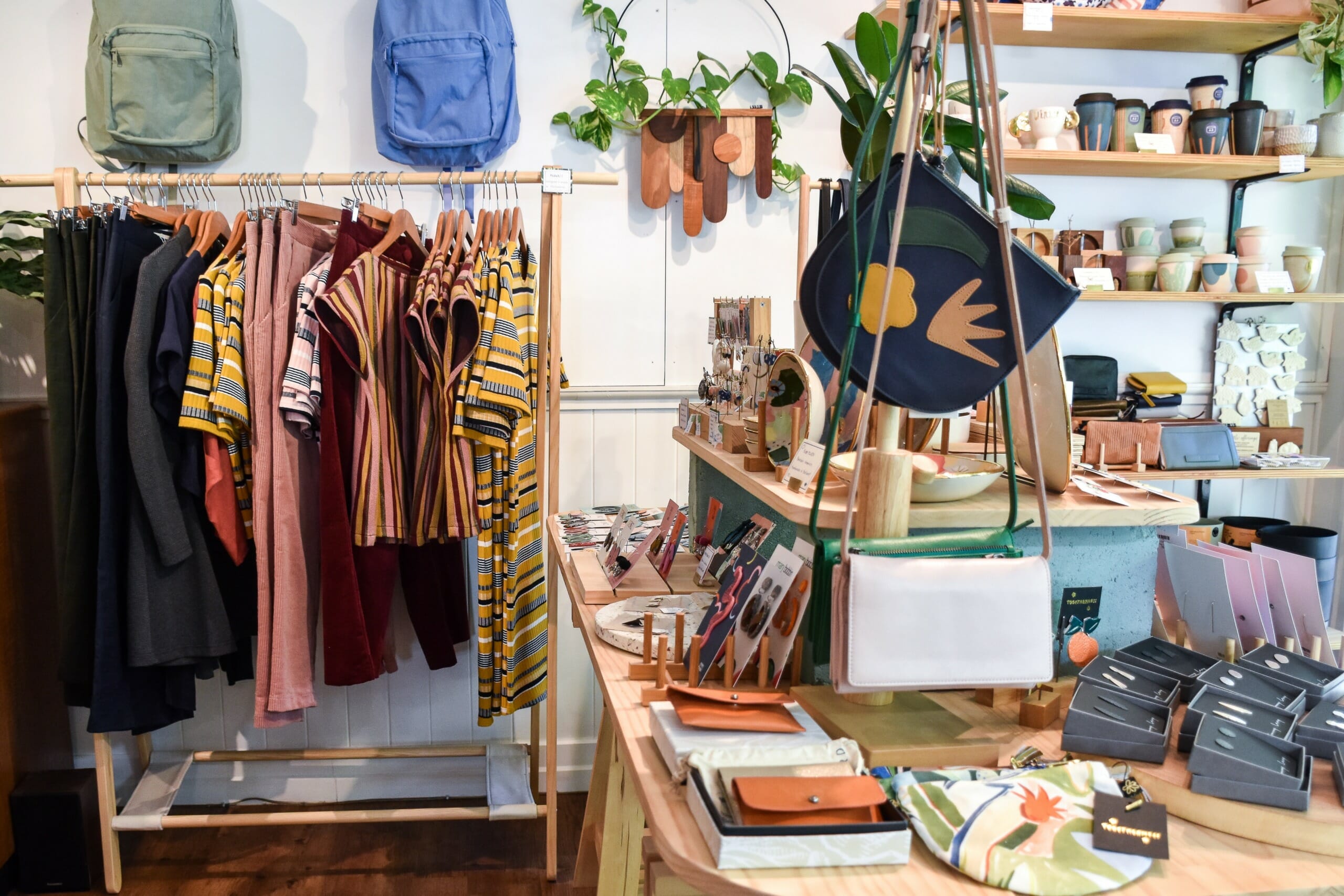
Price is one of the biggest barriers to sustainable high-quality fashion.
Because of the quality of the materials and the labor practices, these items are more expensive and thus not a feasible option for many consumers. However, there are still ways to reduce the consumption of fast fashion or try to avoid it altogether.
Some brands are working to make their clothes more accessible by keeping prices as low as possible, and, often for baby and toddler clothes, offering return and resale programs for their garments. However, for the vast majority of people, this simply isn’t enough to make sustainable fashion accessible.
Why is fast fashion so popular?
Fast fashion is incredibly appealing because of its prices and because of the constant media messaging around new trends.
The fashion industry has gone from having four seasons a year to fifty-two.
Fast fashion companies constantly create new fashion trends and encourage consumers to keep up. The quick turnover rate fuels the fast fashion industry because it means more sales and more revenue. Breaking this habit of buying a new garment, wearing it a few times, and then getting rid of it is not easy but that doesn’t mean it isn’t worthwhile.
Fast fashion is much more accessible than sustainable high-quality fashion. Despite the fact that in the long run buying fewer sustainable high-quality clothes is ultimately cheaper, many consumers can’t pay the upfront cost of sustainable clothes and even if they can, many are unwilling to make the commitment.
Consumers are used to having a constant influx of new clothes and giving that up is hard. It is not consumers’ fault for liking fast fashion, which is designed to be more appealing and accessible in order to maximize profits.
By using cheap materials and cheap labor, and having a strong consumer base, fast fashion companies increase profits.
These companies spend a great deal of money on ads and media content to dictate the market, ultimately trapping people in the cycle of buying and getting rid of clothes faster than ever before.
One of the unfortunate truths for someone who is trying to reduce their consumption of fast fashion is that they will likely end up buying and owning fewer clothes at a time. However, this is not necessarily a bad thing.
Buying and owning fewer clothes could help consumers appreciate the clothes they have and, depending on their financial situation, allow them to save enough money to buy a few staple items from sustainable brands.
Building a capsule wardrobe is a great way to recalibrate your approach to clothing by helping you identify what you really need and what you can do without.
The result is a smaller wardrobe with clothes of a higher quality that you will wear more often.
What are the most environmentally friendly (and affordable) alternatives to fast fashion?
Some alternatives to fast fashion that are cheaper than conventional sustainable fashion are:
Renting clothes
Clothing rentals can be great options for big events that would usually require a new outfit, or for getting a few new items into your closet each month. Often these rental services are cheaper than buying new clothes and you don’t have to feel guilty for wearing something only once. Some rental companies allow customers to browse for particular items, such as By Rotation, which also allows users to rent their clothes to others as well as rent clothes for themselves, and Rotaro.
Other services will send new customers new clothes or monthly with different membership fees depending on how many items per month they send. These include Rent the Runway, Cocoon, Nuuly, Banana Republic Passport, Armoire, and Fashion to Figure Closet. For more in-depth information about some of these companies check out this article.
Where to buy clothes that aren’t fast fashion?
Buying clothes at thrift stores or consignment stores
Some of the more well-known second-hand stores like Goodwill have increased their prices, but local second-hand or vintage stores might have high-quality and affordable items. If you are new to thrifting, read our guide here.
Local clothing swaps or flea markets
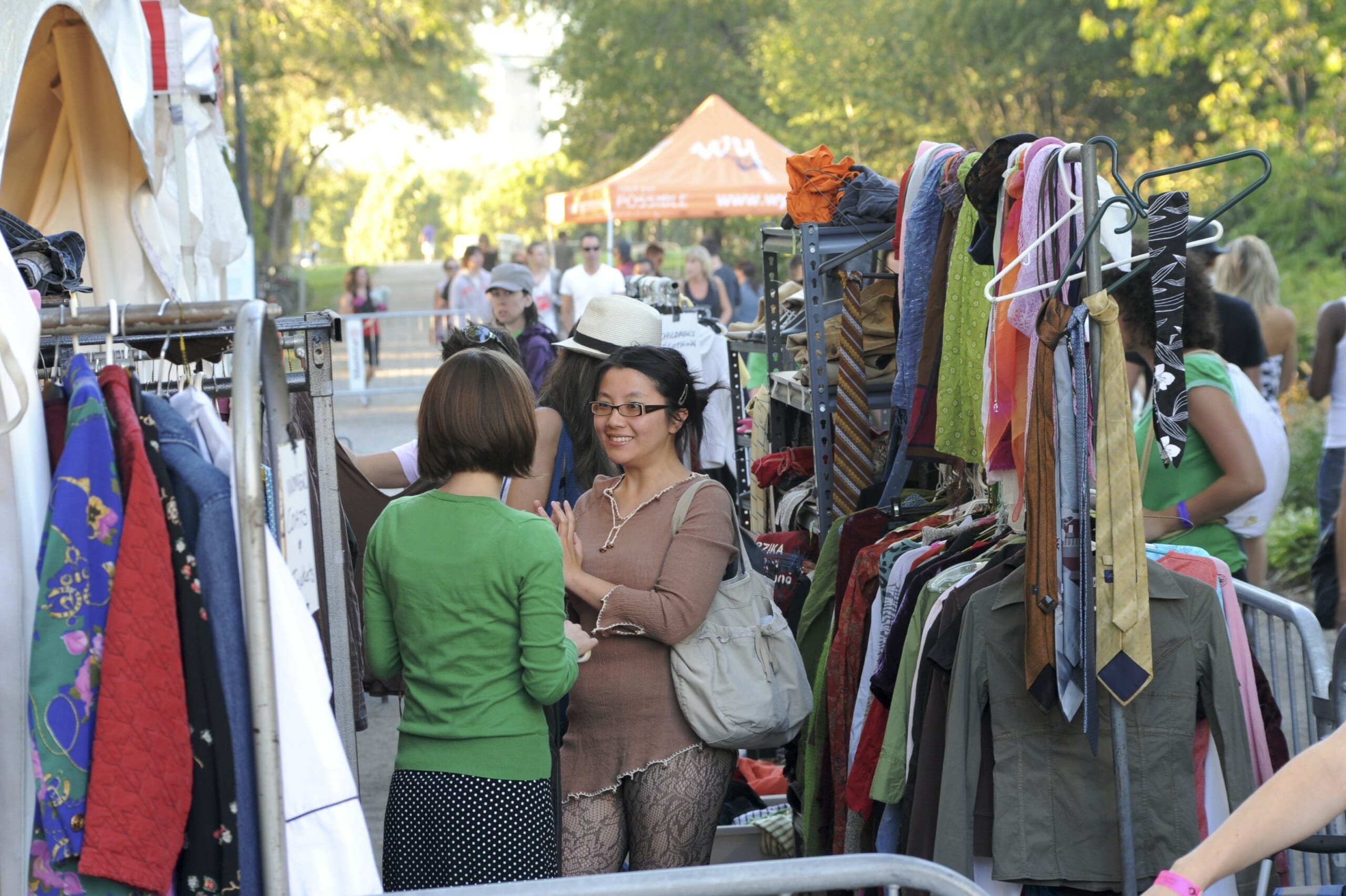
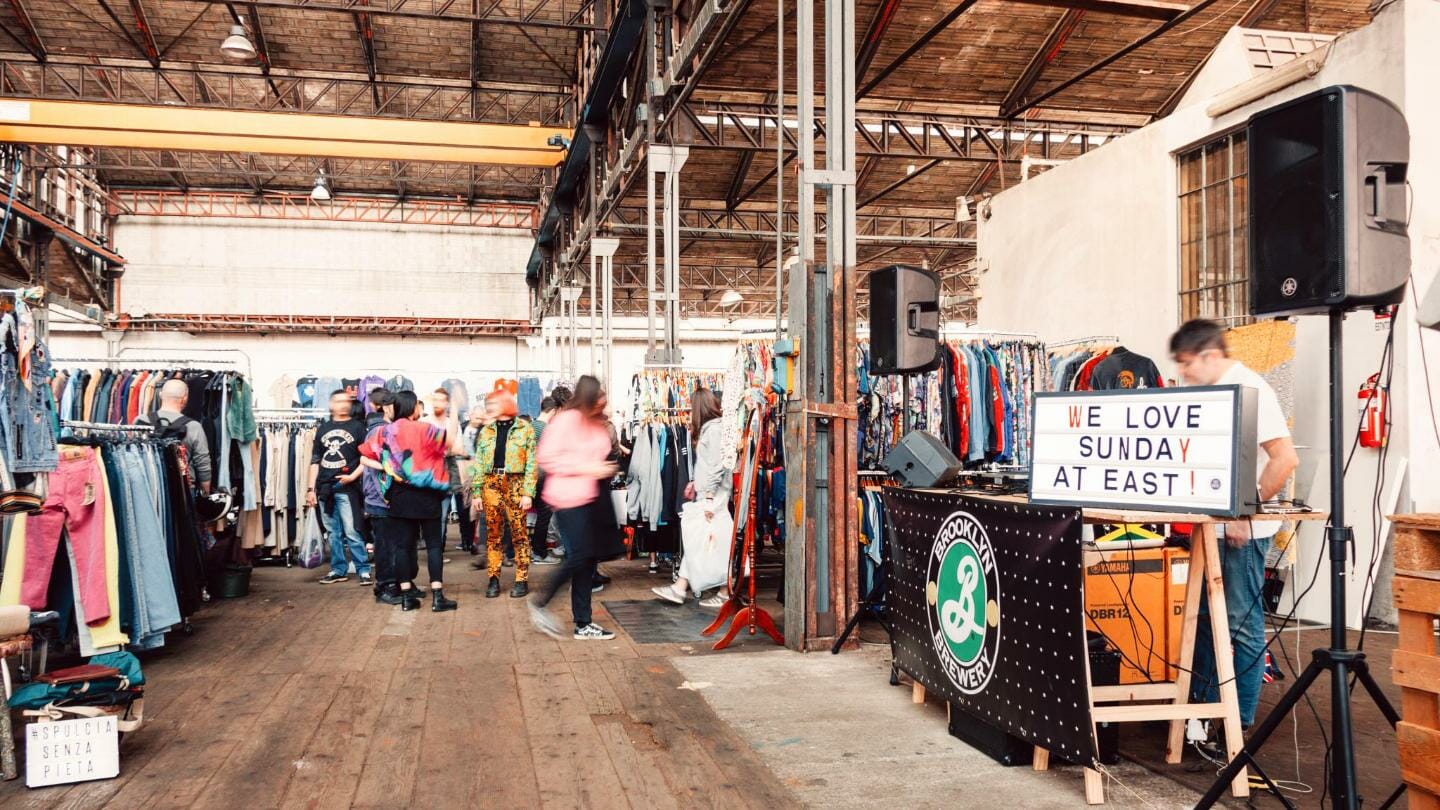
Clothing swaps usually take the clothes people bring as payment, so people can avoid spending additional money on clothes. Flea markets often sell used items that are affordable, but it may take a while to find something.
Getting clothes from friends
This is a great way to get new clothes. When friends clean out their closets or move, often there is an abundance of clothes that they don’t want, but are still in good shape.
Borrowing clothes from friends
If you have an event coming up that you would normally buy a new dress, suit, or outfit for, shop around in your friend’s closets instead to see if their clothes could work.
Where should I shop instead of fast fashion?
Here are some digital alternatives to brick and mortar fast fashion shops:
Virtual marketplaces
Apps and websites that offer second-hand items like Depop, Poshmark, eBay, Etsy, Thredup, Mercari, Rehash, ASOS marketplace, and more informal buy/sell/trade/free groups on Facebook or Nextdoor are good places to look for specific items or just to browse. These apps can be good for finding good quality brands and items that will last but are cheaper than they would be in stores. Apps and sites like these also have a lot of items that are relatively inexpensive, but sometimes more expensive than thrift store prices. Additionally, you will often have to pay for shipping on sites like these, so be mindful of where it’s being shipped from.
Getting on email lists for sustainable alternatives to fast fashion brands
Sign up for promotional emails or offers and get notified when there are sales or promotional codes. This way you can get high-quality clothes at a discount.
Buying fewer clothes, as simple as that
Buying fewer clothes and minimizing your participation in the fast fashion industry is a good place to start even if you are still buying some fast fashion.
Do what you can to reduce your impact, but know that it might not be possible to avoid fast fashion altogether. Buying clothes that will still be in style in a few years is always a good investment because you don’t need to replace them very often.
Whether you are able to find high-quality items or not, it is still good to try and break the habit of buying new clothes. By the way, even the most consumerist time of the year could be made greener with sustainable Christmas gifts.
It is usually best to look for second-hand high-quality items as they are likely still in good shape and have a long life ahead of them, unlike second-hand fast fashion items that tend to degrade quickly. However, there are ways to extend the life of any garment.
Following the washing instructions, repairing it, and making sure to care for it properly, will make it last longer.
Aside from price, people who wear larger sizes, fall outside of the gender binary, or are disabled, have a hard time finding desirable clothes as it is, and further limiting their options may not be realistic.
The reason fast fashion has become so popular is not the fault of individuals, but of large corporations and global structures that fuel the industry.
Fighting the urge to buy more fast fashion items by turning to alternatives such as those listed above, will help you get some new (to you) items, and enjoy what you have, without putting more money into the fast fashion industry.
P.S. There is one last alternative to fast fashion we didn’t mention:
it’s our ECO marketplace!
Editor’s Note: The opinions expressed here by Impakter.com columnists are their own, not those of Impakter.com. — Featured Photo: Interior of a sustainable clothing store. Photo Credit: Social Cut