Impakter
  • Environment
    • Biodiversity
    • Climate Change
    • Circular Economy
    • Energy
  • FINANCE
    • ESG News
    • Sustainable Finance
    • Business
  • TECH
    • Start-up
    • AI & Machine Learning
    • Green Tech
  • Industry News
    • Entertainment
    • Food and Agriculture
    • Health
    • Politics & Foreign Affairs
    • Philanthropy
    • Science
    • Sport
  • Editorial Series
    • SDGs Series
    • Shape Your Future
    • Sustainable Cities
      • Copenhagen
      • San Francisco
      • Seattle
      • Sydney
  • About us
    • Company
    • Team
    • Global Leaders
    • Partners
    • Write for Impakter
    • Contact Us
    • Privacy Policy
No Result
View All Result
Impakter logo
No Result
View All Result
Horn of Africa: Worst Drought in 40 Years Continues, 22 Million People Now Face Starvation

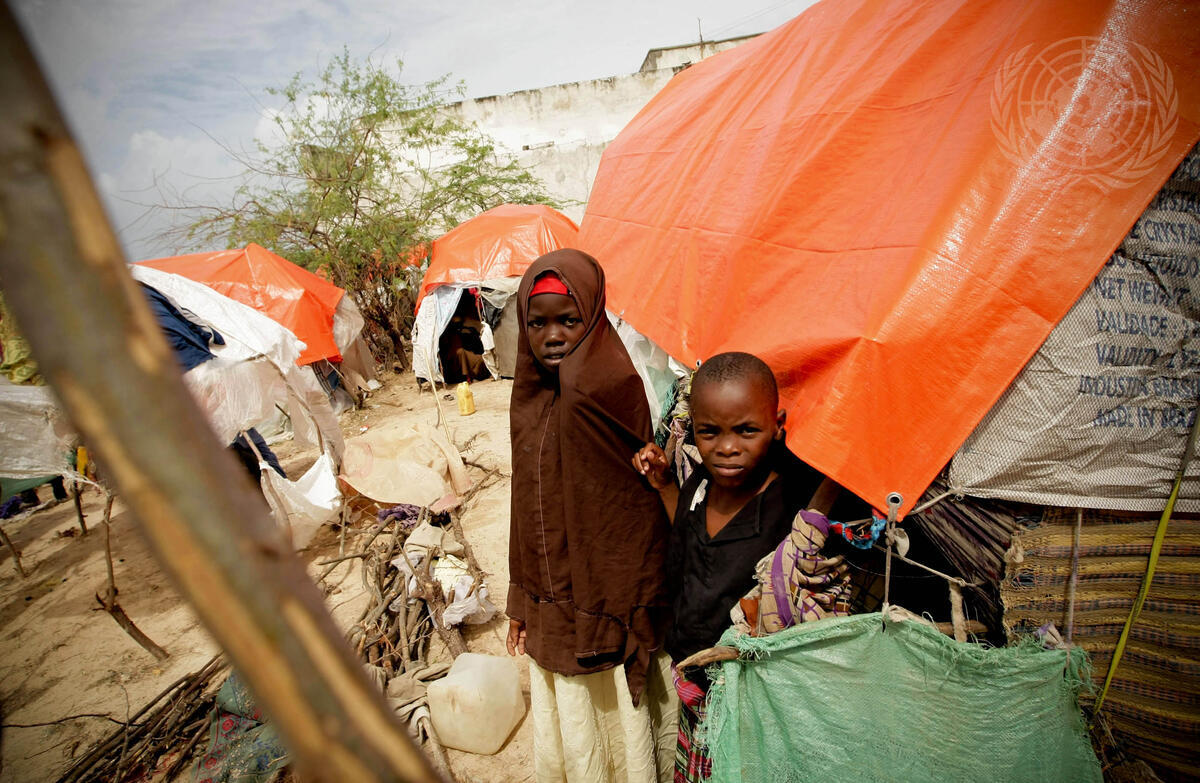
In the Photo: Somali children stand at a camp for Internally Displaced Persons (IDPs) in Mogadishu. Somalia is affected by a severe drought that has ravaged large swaths of the Horn of Africa, leaving an estimated 22 million people in need of humanitarian assistance. Photo Credit: UN.

Horn of Africa: Worst Drought in 40 Years Continues, 22 Million People Now Face Starvation

By September, at least 22 million people in the Horn of Africa will be facing starvation, says WFP; that’s nine million people more than eight months ago

Andrej Pavicevic - Managing EditorbyAndrej Pavicevic - Managing Editor
August 22, 2022
in Climate Change, Society
0

Four consecutive years of insufficient and unprecedentedly low rainfall have brought on the worst drought the Horn of Africa has seen in 40 years; this historic drought has now almost doubled the number of people in the region facing starvation compared to the beginning of this year and has forced over a million people to flee their homes looking for food and water, according the United Nations’ World Food Programme (WFP).

No rain & diminishing resources are pushing millions of families across the Horn of Africa closer to catastrophe every day as the driest conditions in 4 decades continue.@WFP explains what is needed to scale-up assistance & save lives:https://t.co/O8OIsvFv01

— United Nations (@UN) April 19, 2022

Particularly affected are Kenya, Ethiopia and (the worst affected) Somalia, where every second person is acutely food insecure. BBC Africa journalist Mercy Juma writes that “[m]others are burying their children; families are separating as fathers head to towns to eke a living and mothers and children move to camps to wait for aid.”

The camps, however, are overcrowded and struggle to meet the overwhelming needs. The drought has meanwhile also killed millions of livestock and destroyed significant amounts of crops.


Related Article: World Facing Unprecedented Hunger Crisis: “Famine Around the Corner” in Horn of Africa | Global Food Crisis Becomes Strategic Pivot in Russo-Ukrainian War

At the start of 2022, 13 million people in the Horn of Africa were at risk of starvation as a result of the drought. As the rain then failed to appear again and the drought continued, this number climbed to 20 million people by mid-2022, according to WFP estimates.

By September, WFP says that at least 22 million people in Ethiopia, Somalia and Kenya will be struggling to feed themselves.

🆘#HornofAfrica Drought🆘

2️⃣2️⃣ million: The number of people projected to face extreme hunger in parts of Somalia, Ethiopia and Kenya due to drought.

At the start of the year, we warned that 13 million people were at risk…

Support is urgent.

🗞 https://t.co/cTUpmZNuw9

— World Food Programme (@WFP) August 19, 2022

“There are now four seasons where the rain didn’t come as predicted and a fifth season is estimated to also fail. In places where there is drought, the problem keeps worsening and worsening,” WHO Incident Manager Sophie Maes said.

Not just the drought

As the World Health Organization (WHO) emphasized on July 30 in their emergency response appeal for the Greater Horn of Africa, the drought and its consequences were exacerbated by climate change, conflict, rising food and energy prices, and the COVID-19 pandemic.

The Russian invasion of Ukraine of course played a major role here as it drew attention away from humanitarian disasters elsewhere, including in East Africa, and caused spikes in global food and fuel prices that particularly affected the world’s most vulnerable regions like the Horn of Africa and made delivery of humanitarian aid more expensive, difficult and slow.

Regrettably, with a fifth consecutive failed rainy season in the Horn of Africa forecasted later this year, the situation is only expected to get worse.

Climate change is creating bitter new realities globally. The Horn of Africa is bearing the biggest brunt. For the first time since records began, there's a chance that a fifth rain season will fail in much of the area. It's immoral & unethical that we keep quiet about this. A 🧵 pic.twitter.com/7xS2j1iNQP

— Mercy Juma (@MercyJuma_) July 19, 2022

“This number [of people facing starvation in the Horn of Africa] will continue to climb, and the severity of hunger will deepen if the next rainy season … fails and the most vulnerable people do not receive humanitarian relief,” WFP wrote.

According to their estimates, $418 million will be needed to help the most vulnerable over the upcoming half a year.

“The world needs to act now to protect the most vulnerable communities from the threat of widespread famine in the Horn of Africa,” WFP Chief David Beasley said last week. “There is still no end in sight to this drought crisis, so we must get the resources needed to save lives and stop people plunging into catastrophic levels of hunger and starvation.”


Editor’s Note: The opinions expressed here by the authors are their own, not those of Impakter.com — In the Featured Photo: Somali children stand at a camp for Internally Displaced Persons (IDPs) in Mogadishu. Somalia is affected by a severe drought that has ravaged large swaths of the Horn of Africa, leaving an estimated 22 million people in need of humanitarian assistance. Featured Photo Credit: United Nations.
Tags: DroughtEthiopiaExtreme HungerfamineHorn of AfricaKenyaSomaliaWFPWHOWorld Food Programme
Previous Post

Energy Crisis in Europe: Will Italy’s New LNG Terminals Be a Waste of Resources?

Next Post

Why Canadian Liquefied Natural Gas Is Not the Answer for the European Union’s Short-Term Energy Needs

Related Posts

Why Glyphosate, the World’s Most Widely Used and Sued Herbicide, Is Under New Scrutiny
Business

Why Glyphosate, the World’s Most Widely Used and Sued Herbicide, Is Under New Scrutiny

Glyphosate, the active ingredient in "Roundup," is applied on millions of acres of farmland worldwide. Its use has triggered a...

byRichard Seifman - Former World Bank Senior Health Advisor and U.S. Senior Foreign Service Officer
January 16, 2026
women and extreme heat
Climate Change

Women and Extreme Heat: Simple Adaptations Make a Big Difference

One of the more damaging impacts of climate change is extreme heat. From Spain to Bolivia to Burkina Faso, unusual...

byKate Schecter - CEO of World Neighbors
December 23, 2025
How Climate Change Could Help Foster Peace in Yemen
Climate Change

How Climate Change Could Help Foster Peace in Yemen

Yemen's tragedy is traditionally depicted through the limited perspective of humanitarian need and political divisiveness, but there is a greater...

byTareq Hassan - Executive Director of the Sustainable Development Network Canada (SDNC)
December 17, 2025
One Health: Silo Barriers to Implementation and How to Overcome Them
Biodiversity

One Health: Silo Barriers to Implementation and How to Overcome Them

The One Health concept/approach must be central for governments to adopt collaborative, cross-sector policies in order to safeguard public health,...

byOne Health Initiative
November 26, 2025
One Health
Biodiversity

Why and How to Apply the One Health Concept

One Health can be a complex and sometimes jargon-filled concept. Put simply: "One Health is the collaborative efforts of multiple...

byOne Health Initiative
November 6, 2025
Global Action Plan on Biodiversity and Health
Biodiversity

Global Action Plan on Biodiversity and Health: Why Implementation Can’t Wait

Last October, after six years of deliberation, the world adopted the Global Action Plan on Biodiversity and Health. The Plan...

byJessica Bridgers - Deputy CEO, World Federation for Animals
October 31, 2025
famine in gaz
Society

Famine Confirmed for First Time in Gaza

More than half a million people in Gaza are trapped in famine, marked by widespread starvation, destitution and preventable deaths,...

byThe Food and Agriculture Organization of the United Nations (FAO)
August 23, 2025
ESG News regarding EU Parliament Approves Big Exemptions in Carbon Import Rules
Business

EU Moves to Simplify Carbon Border Tax for Small Importers

Today’s ESG Updates EU Parliament Approves Big Exemptions in Carbon Import Rules: New emissions threshold cuts 90% of importers out...

byJames Leys
May 22, 2025
Next Post
Why Canadian Liquefied Natural Gas Is Not the Answer for the European Union’s Short-Term Energy Needs

Why Canadian Liquefied Natural Gas Is Not the Answer for the European Union’s Short-Term Energy Needs

Recent News

Marathoners

8 Must-Know Websites for Marathoners

January 16, 2026
Why Glyphosate, the World’s Most Widely Used and Sued Herbicide, Is Under New Scrutiny

Why Glyphosate, the World’s Most Widely Used and Sued Herbicide, Is Under New Scrutiny

January 16, 2026
The Imperative of a Nature-Positive Future

The Imperative of a Nature-Positive Future

January 16, 2026
  • ESG News
  • Sustainable Finance
  • Business

© 2025 Impakter.com owned by Klimado GmbH

No Result
View All Result
  • Environment
    • Biodiversity
    • Climate Change
    • Circular Economy
    • Energy
  • FINANCE
    • ESG News
    • Sustainable Finance
    • Business
  • TECH
    • Start-up
    • AI & Machine Learning
    • Green Tech
  • Industry News
    • Entertainment
    • Food and Agriculture
    • Health
    • Politics & Foreign Affairs
    • Philanthropy
    • Science
    • Sport
  • Editorial Series
    • SDGs Series
    • Shape Your Future
    • Sustainable Cities
      • Copenhagen
      • San Francisco
      • Seattle
      • Sydney
  • About us
    • Company
    • Team
    • Global Leaders
    • Partners
    • Write for Impakter
    • Contact Us
    • Privacy Policy

© 2025 Impakter.com owned by Klimado GmbH