Impakter
  • Environment
    • Biodiversity
    • Climate Change
    • Circular Economy
    • Energy
  • FINANCE
    • ESG News
    • Sustainable Finance
    • Business
  • TECH
    • Start-up
    • AI & Machine Learning
    • Green Tech
  • Industry News
    • Entertainment
    • Food and Agriculture
    • Health
    • Politics & Foreign Affairs
    • Philanthropy
    • Science
    • Sport
  • Editorial Series
    • SDGs Series
    • Shape Your Future
    • Sustainable Cities
      • Copenhagen
      • San Francisco
      • Seattle
      • Sydney
  • About us
    • Company
    • Team
    • Global Leaders
    • Partners
    • Write for Impakter
    • Contact Us
    • Privacy Policy
No Result
View All Result
Impakter logo
No Result
View All Result
A cargo ship covered with containers leaves a wake as it passes over the surface of the ocean.

Hope Remains for Shipping Emissions Regulations Despite U.S. Opposition

The U.S. and Saudi Arabia scuttled a treaty that would have limited emissions from large vessels, but shipping industry leaders and U.N. officials remain committed to establishing global standards

Benjamin ClabaultbyBenjamin Clabault
November 3, 2025
in Politics & Foreign Affairs
0

On Oct. 14, 2025, representatives from over 100 countries met in London to ratify the International Maritime Organization’s (IMO) Net-Zero Framework (NZF), a landmark treaty that would have required large ships to reduce greenhouse gas emissions. 

Crafted by the IMO, the UN agency responsible for the “safety and security of shipping and the prevention of marine and atmospheric pollution by ships,” the deal was lauded by many in the shipping industry, and its final ratification was widely considered to be a formality.

But the October sessions ended without a ratified treaty.
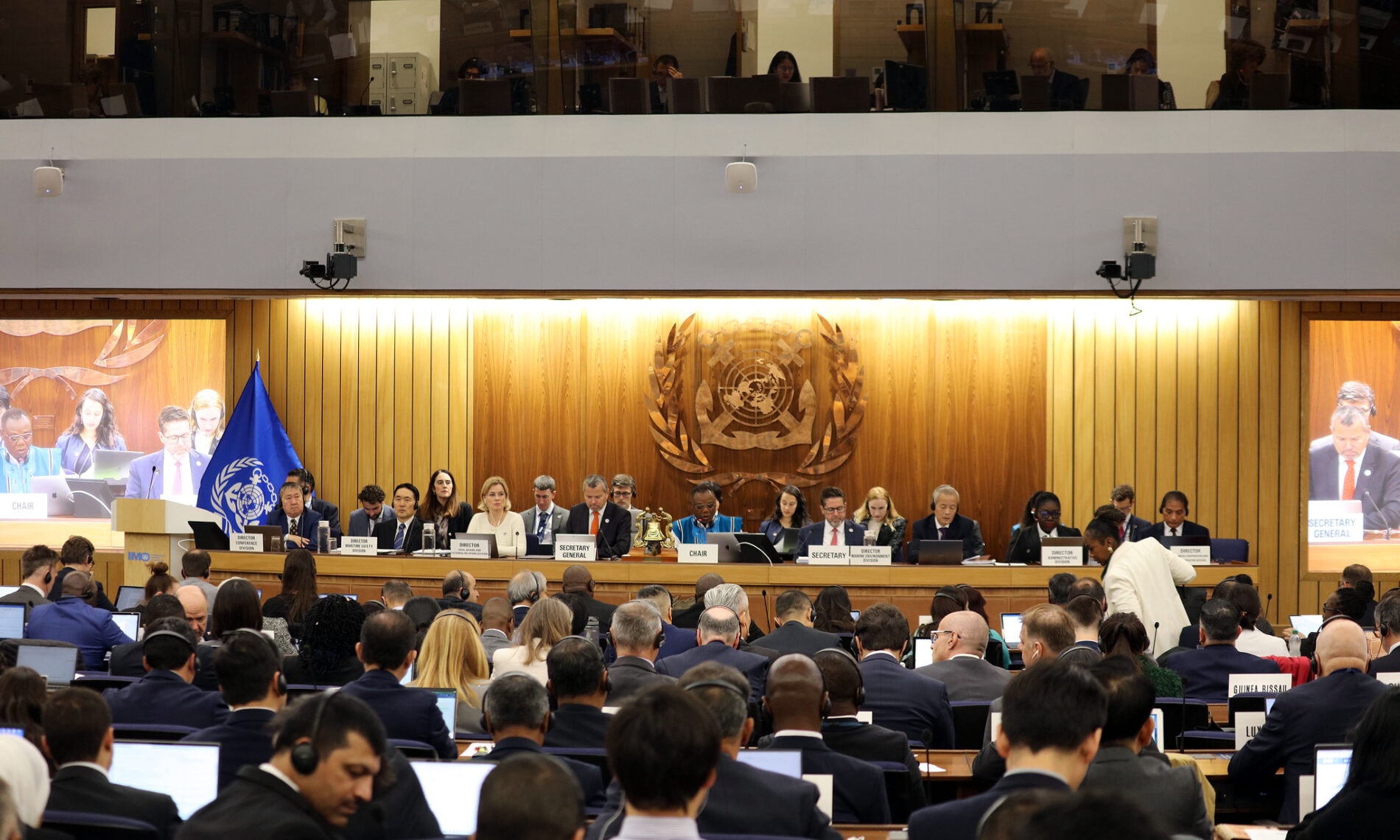
A group of people, many with headphones, attend a meeting.
The IMO’s Marine Environment Protection Committee (MEPC) meets to ratify a shipping emissions agreement — an effort that ultimately failed. Photo credit: International Maritime Organization

On the session’s final day, Saudi Arabia filed a motion to adjourn the debate for one year. The motion passed 57 to 49, with pressure from the U.S. heavily impacting the vote. Now, the NZF cannot be ratified until October 2026 at the earliest.

In the wake of the setback, the IMO has promised to work towards building a consensus, and shipping industry insiders continue to advocate for global emissions standards. 

Future efforts to ratify the NZF will likely face stiff opposition from the U.S. administration. That suggests that there is only one way to successfully ratify the agreement: Build a coalition that can withstand U.S. pressure. 

Shipping as a Growing Source of Emissions 

The treaty breakdown occurred in the context of increased emissions from the shipping industry. 

Shipping currently produces one billion metric tons of carbon dioxide (CO2) each year, accounting for 3% of the world’s greenhouse gas emissions. This figure has been steadily rising as global trade increases. If current trends continue, shipping is projected to produce 10% of global emissions by 2050.
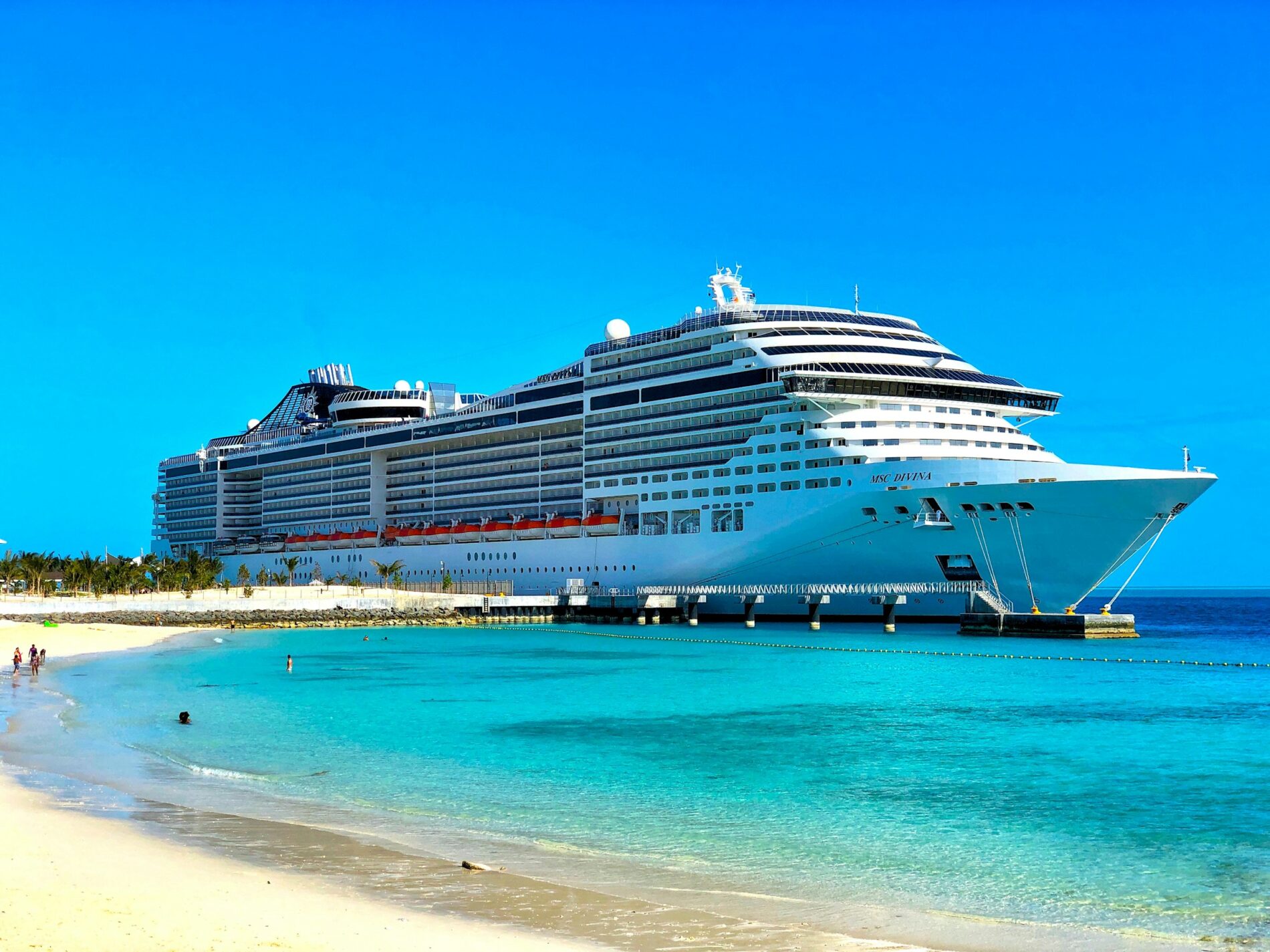
A large white cruise ship docked at a port.
Large vessels like cruise ships often use heavy fuel that is especially harmful to marine environments. Photo Credit: Georgy Trofimov

Large ships weighing over 5,000 gross tonnes produce the bulk of the industry’s emissions — an estimated 85%. 

In addition to CO2, the heavy fuel often used by cruise ships and other large vessels emits black carbon, methane, and sulphur oxides, all of which harm marine ecosystems. 

Reaching a Landmark Agreement

In April 2025, the UN’s Marine Environment Protection Committee (MEPC) approved draft regulations to reduce the shipping industry’s greenhouse gas emissions. 

The NZF agreement would have held large ocean-going vessels to higher fuel standards. Ships failing to meet those standards were to balance their deficit by acquiring “remedial units” — meaning they would have had to offset their emissions.

If approved, the NZF would have represented the first worldwide regulatory framework to impose emission limits and greenhouse gas pricing on an entire industry. 
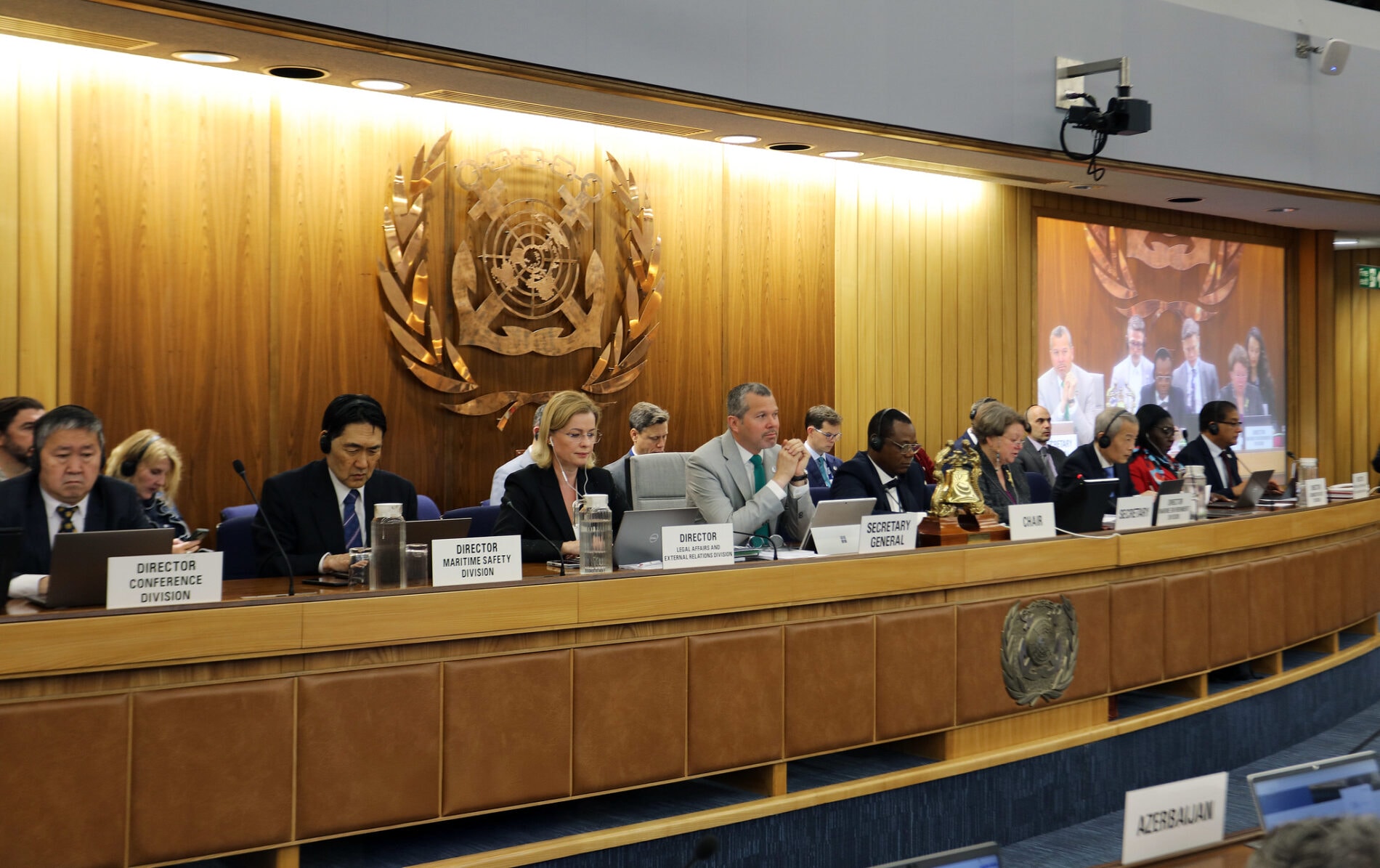
A row of people sit at a table for a meeting
Delegates discuss the IMO Net-Zero Framework (NZF) at a meeting in April 2025.
Photo Credit: International Maritime Organization

The Trump Administration’s Firm Opposition

After the successful passage of the draft regulations, many hoped the NZF would take effect by 2027. Sensing a spirit of collaboration, IMO Secretary General Arsenio Dominguez even closed the April meetings with praise for the group’s “collective efforts.”

But in the lead-up to the final vote in October 2025, the U.S. pushed strongly against the agreement. 

The Trump administration did not just argue against ratifying the IMO Net-zero Framework. It also threatened to punish countries that voted for ratification. 

In a joint statement, key U.S. officials, including Secretary of State Marco Rubio, characterised the agreement as a “European-led neocolonial export of global climate regulations.” They also promised to “protect our economic interests by imposing costs on countries if they support the NZF.” These costs, according to the statement, could include commercial penalties and a lack of access to U.S. ports. 
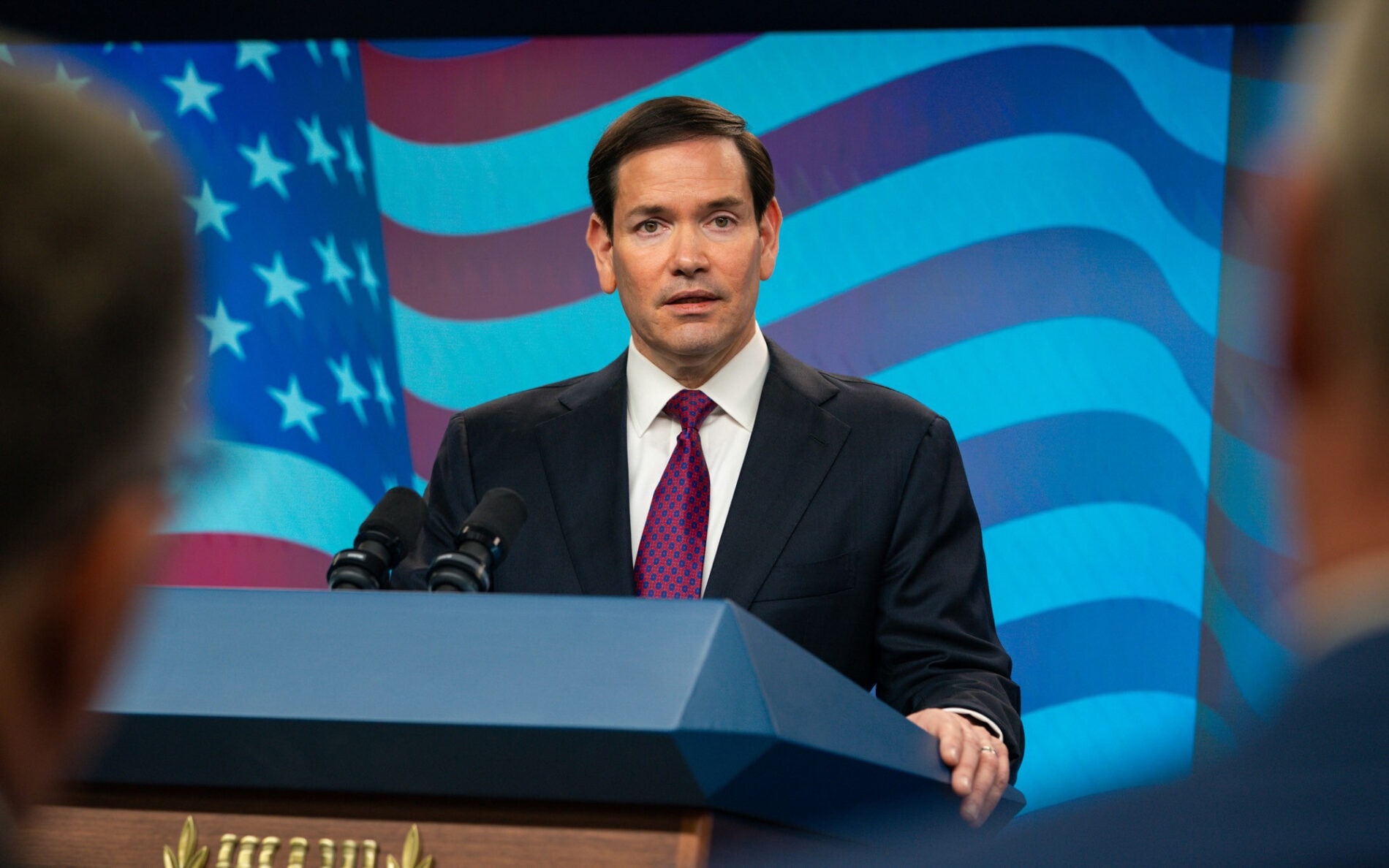
U.S. Secretary of State Marco Rubio speaks at a lectern.
U.S. Secretary of State Marco Rubio pressured countries not to ratify the NZF. Photo Credit: U.S. Department of State

When the MEPC ultimately voted to delay the NZF’s ratification, Rubio’s threats seemed to have been the decisive factor. A source from the European Union is reported to have said that “many countries” changed their vote due to U.S. pressure.

After the NZF’s ratification was suspended, Secretary Rubio wrote on X: “This is another HUGE win… Our country will continue to lead the way and put America FIRST.”


Related articles: Global Tax on Shipping Emissions: Support Remains Strong Despite Slow Negotiations | LMS for Transport and Logistics: Driving Safety and Efficiency Through Training

Industry Insiders Favor Global Regulations

The U.S. may consider the failed ratification to be a victory, but among shipping industry insiders, the reaction was less celebratory. Some are glad for the additional time for dialogue, but most agree that their real enemy is not environmental regulations, but uncertainty. 

“We are disappointed that member states have not been able to agree a way forward at this meeting,” said Thomas A. Kazakos, Secretary General of the International Chamber of Shipping. “Industry needs clarity to be able to make the investments needed to decarbonise the maritime sector.”
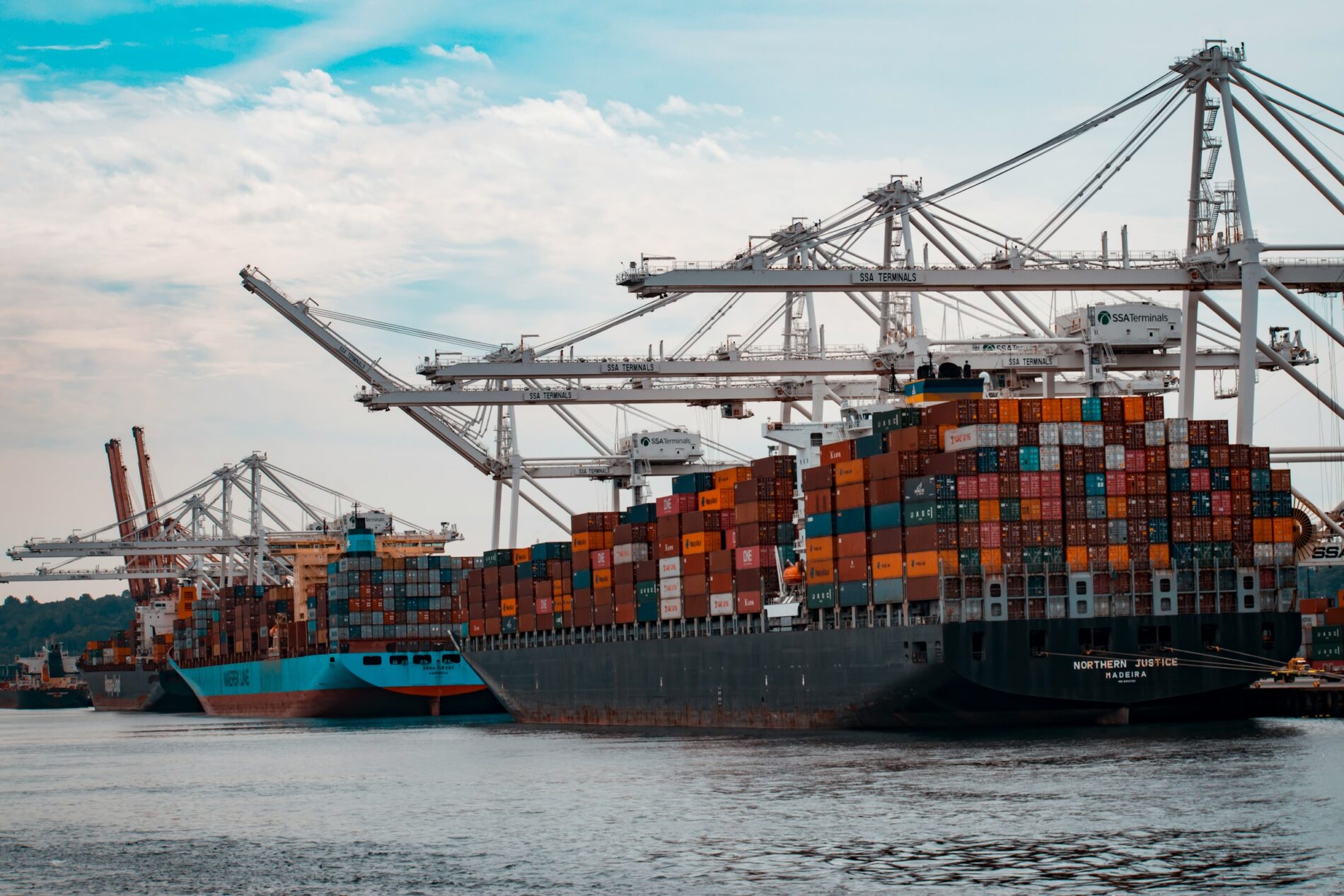
Large ships carrying containers sit docked beneath cranes.
Shipping vessels docked in Seattle, Washington, USA. Photo Credit: Andy Li

Kostas Gkonis, the Secretary General of INTERCARGO (International Association of Dry Cargo Shipowners), said he appreciated that the adjournment would allow for further dialogue.

But unlike the Trump administration, Gkonis does not oppose an emissions deal altogether. He said he is looking forward to the adoption of “a regulatory framework that is realistic, practical, and globally workable.” 

The shipping industry’s support for regulations could have a significant impact on future negotiations. 

The Task Ahead: Overcoming U.S. Opposition

Despite the one-year adjournment, the IMO plans to keep working towards the NZF’s ratification. “Now you have one year,” said IMO Secretary General Dominguez to delegates after the vote. “You have one year to negotiate and talk and come to consensus.”

These negotiations are likely to take place amid sustained U.S. opposition. 
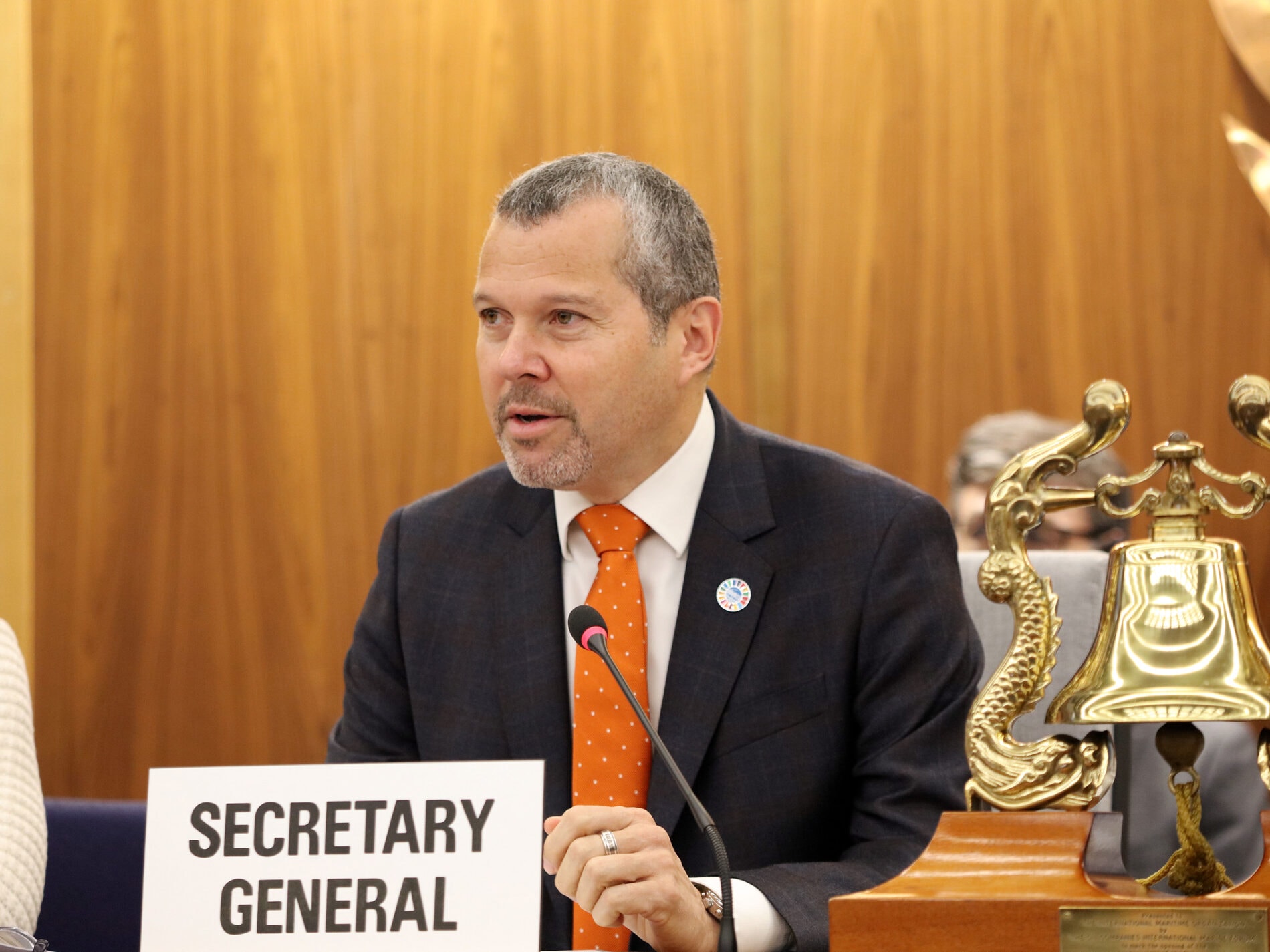
A man speaks into a microphone while sitting behind a sign reading "Secretary General."
IMO Secretary General Arsenio Dominguez speaks at a recent meeting concerning the IMO Net-Zero Framework. Photo Credit: International Maritime Organization

The current U.S. administration’s anti-regulatory stance is largely ideological. U.S. President Donald Trump considers climate change to be a “scam,” and he has long opposed global climate measures. That leaves little hope that revised shipping guidelines would win the U.S. over.

Under these circumstances, the only way to ratify the NZF may be for IMO member nations to stand up to U.S. pressure. Advocates are already urging them to do just that.

Anaïs Rios of the NGO Seas At Risk called on countries to “rise up and come back to the IMO with a louder and more confident yes vote that cannot be silenced.” 

For Alison Shaw, IMO Manager at the NGO Transport & Environment, the battle ahead is winnable. “[T]here is a clear desire to clean up the shipping industry,” Shaw said after the failed ratification attempt, “even in the face of U.S. bullying.”

The IMO has already committed to cutting the shipping industry’s emissions to net zero by 2050. Ratifying the NZF, even amid threats of U.S. retaliation, could be a major step toward getting there. 


Editor’s Note: The opinions expressed here by the authors are their own, not those of Impakter.com — In the Cover Photo: A large cargo ship sails on the ocean. Cover Photo Credit: Venti Views


Tags: C02 emissionsclimate regulationGreen ShippingIMOSaudi ArabiashippingUNUnited States
Previous Post

The Future of Fun: How Personal AI Chats are Revolutionizing Entertainment

Next Post

State Street Leaves NZAM in U.S., Stays in Europe

Related Posts

ESG News regarding China restricting industrial renewable exports, UN warning that US climate treaty exit harms economy, UK firms lowering wage forecasts despite inflation, Meta partnering with TerraPower for new nuclear reactors.
Business

To Save the Grid, China Forces Industries to Go Off-Network

Today’s ESG Updates China Limits Grid Exports for New Industrial Solar & Wind: China is encouraging companies to store green...

byEge Can Alparslan
January 9, 2026
ESG News regarding Trump backing sanctions on Russian oil buyers, Norway’s oil and gas output declining, dog food linked to UK emissions, Trump climate treaty exit facing legal scrutiny
Business

U.S. Targets Russian Oil Buyers with New Sanctions Bill

Today’s ESG Updates Trump Backs Sanctions on Russian Oil Buyers: A bipartisan U.S. bill would impose tariffs of up to...

byAnastasiia Barmotina
January 9, 2026
Year in Review: Trump 2.0 and the Environment
Environment

Year in Review: Trump 2.0 and the Environment

So much has happened this year. It seems that every day there is a new headline that is just as...

bySarah Perras
December 30, 2025
US President Donald Trump
Politics & Foreign Affairs

Trumps ‘America First’ Policy in Africa: The Consequences

The Trump Administration’s “America First” doctrine prioritizes transactional relationships and reduced engagement abroad (theoretically), which has resulted in consequential shifts...

byRichard Seifman - Former World Bank Senior Health Advisor and U.S. Senior Foreign Service Officer
December 29, 2025
Trump’s ‘Blockade’ of Venezuela: A Dangerous Global Precedent?
Energy

Trump’s ‘Blockade’ of Venezuela: A Dangerous Global Precedent?

U.S. President Donald Trump ordered what he called the "total and complete blockade" of all sanctioned oil ​tankers entering and...

byRichard Seifman - Former World Bank Senior Health Advisor and U.S. Senior Foreign Service Officer
December 25, 2025
US President Donald Trump greets Chinese President Xi Jinping
Politics & Foreign Affairs

A Rivalry Too Entangled to Decouple

The latest US National Security Strategy document released by the Donald Trump administration has attracted the attention of commentators for how...

byDr Manoj Pant - Former Vice-Chancellor of the Indian Institute of Foreign Trade & Visiting Professor at the Shiv Nadar Institution of Eminenceand1 others
December 25, 2025
coal mine
Business

Can the War on Coal Still Be Won?

Ten years ago, I embedded in the war on coal. I spent a month inside the Sierra Club’s Beyond Coal campaign, watching an organization...

byCanary Media
December 25, 2025
Canada Sets Green Investment Rules; UK Regulator Probes WH Smith; Louvre Workers Call Off Strike;Trump Allies Clash With Fannie, Freddie Staff.
Business

A New Rulebook for Green Capital: Canada

Today’s ESG Updates Canada Sets Green Investment Rules: Canada will introduce a sustainable investment taxonomy by 2026 to label green...

byEge Can Alparslan
December 19, 2025
Next Post
Personal Injury Attorney and a judge

Reasons to Hire a Trusted Personal Injury Attorney

Recent News

ESG News regarding China restricting industrial renewable exports, UN warning that US climate treaty exit harms economy, UK firms lowering wage forecasts despite inflation, Meta partnering with TerraPower for new nuclear reactors.

To Save the Grid, China Forces Industries to Go Off-Network

January 9, 2026
Cleaner Air in Hospitals

How Cleaner Air in Hospitals Can Cut Infections and Climate Impact at the Same Time

January 9, 2026
Search cleanup, key activity to protect your data and tech devices.

A Simple “Search Cleanup” Plan for Busy People

January 9, 2026
  • ESG News
  • Sustainable Finance
  • Business

© 2025 Impakter.com owned by Klimado GmbH

No Result
View All Result
  • Environment
    • Biodiversity
    • Climate Change
    • Circular Economy
    • Energy
  • FINANCE
    • ESG News
    • Sustainable Finance
    • Business
  • TECH
    • Start-up
    • AI & Machine Learning
    • Green Tech
  • Industry News
    • Entertainment
    • Food and Agriculture
    • Health
    • Politics & Foreign Affairs
    • Philanthropy
    • Science
    • Sport
  • Editorial Series
    • SDGs Series
    • Shape Your Future
    • Sustainable Cities
      • Copenhagen
      • San Francisco
      • Seattle
      • Sydney
  • About us
    • Company
    • Team
    • Global Leaders
    • Partners
    • Write for Impakter
    • Contact Us
    • Privacy Policy

© 2025 Impakter.com owned by Klimado GmbH