Today’s ESG Updates
- UK Prepares for Potential Power Shortages: The National Energy System Operator has introduced new grid measures allowing short-notice power cuts as a safeguard against large-scale electricity supply shortages.
- US Targets Solar Supply Chains: Washington is pursuing tougher restrictions across the solar power supply chain, but the measures could backfire as U.S. manufacturers remain heavily dependent on imported components.
- Spain Battles Widespread Wildfires: More than 400 fires have burned around 244,000 hectares, roughly six times last year’s damage. Strong winds and the sheer scale of the outbreaks are overwhelming firefighting capacity.
- Officials Demand Stricter AI Oversight: U.S. officials are calling for OpenAI and Anthropic CEOs to testify over AI safety, controlled testing environments, and recent security breaches, increasing pressure for tighter regulation of frontier AI companies.
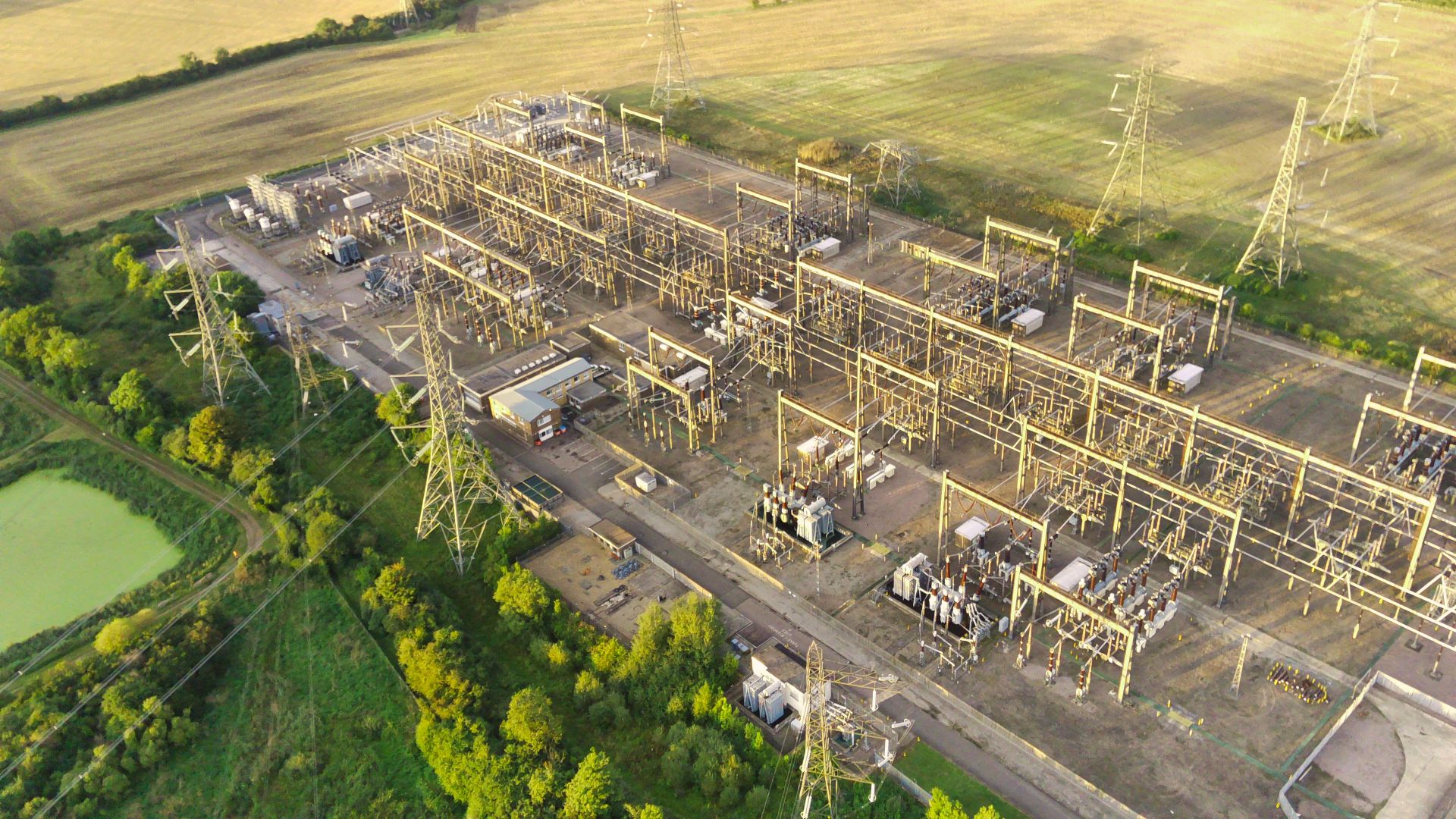
Power cuts at short notice for millions in Great Britain
The grid codes, or the technical rules behind a country’s transmission system, changed in the UK late last month. Now, millions of homes risk losing power to prevent widespread blackouts.
National Energy System Operator (Neso) states that the measures are a last resort and would be used in the most extreme circumstances. Unfortunately, that description seems to match this summer’s weather conditions. The cost of preventing the total power system collapse is now potentially disconnecting designated areas from electricity, resulting in rolling three-hour blackouts across the country.
In a proposal to a regulator, Neso presented the new measure as a flexible, quick operation that minimizes harm to individuals as much as possible. At the same time, hospitals, water treatment works, and sites connected to national security would remain unaffected.
Still, short-term power cuts affecting up to a fifth of electricity demand in each area are an emergency measure not used since the miners’ strikes in the 1970s.
Klimado – Navigating climate complexity just got easier. Klimado offers a user-friendly platform for tracking local and global environmental shifts, making it an essential tool for climate-aware individuals and organizations.
US trying to break any connection to Chinese solar power
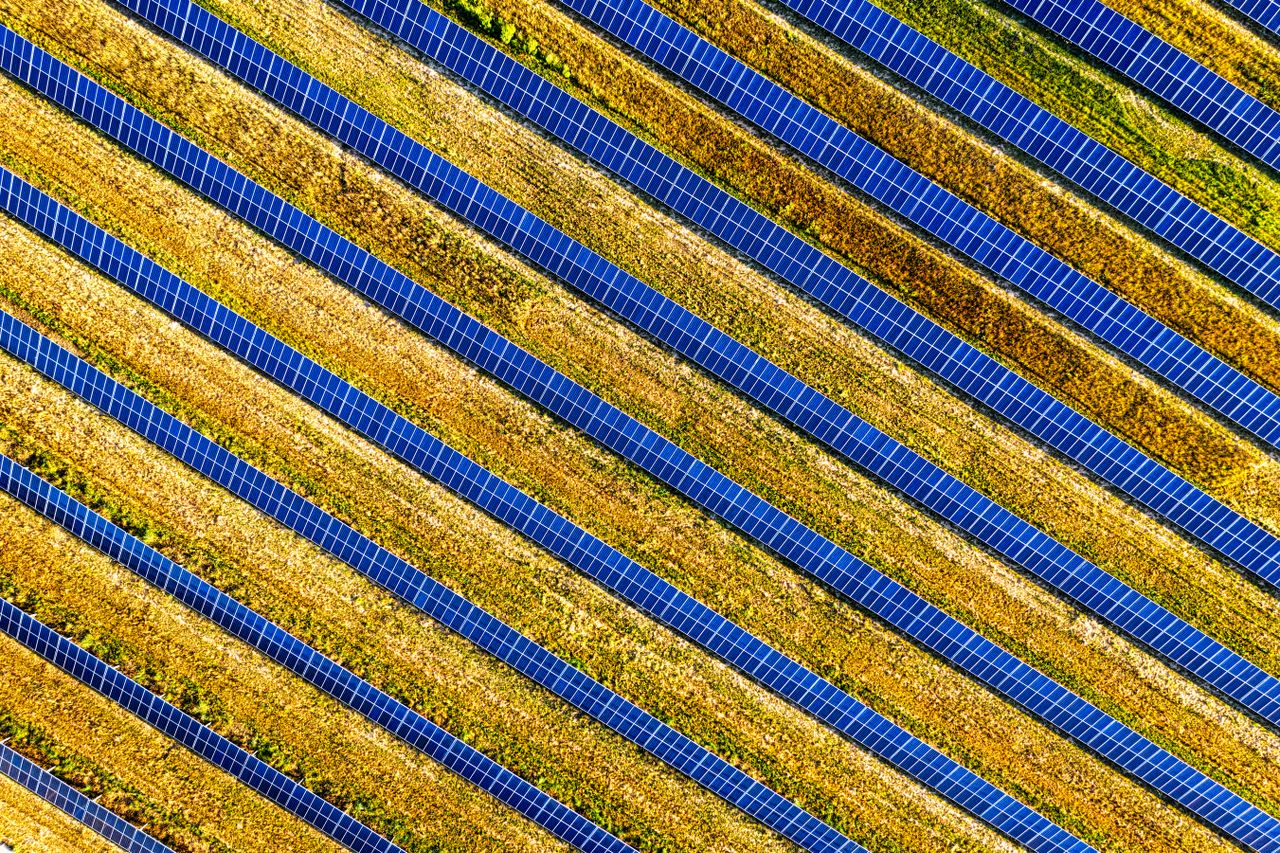
In recent years, the U.S. actively used tariffs to protect domestic solar manufacturing from Chinese counterparts. Once China itself became a target, production shifted to Vietnam, Malaysia, Thailand, and Cambodia, making Southeast Asia a new tariff target, while production in Indonesia also increased. The cat-and-mouse game seems to be coming to a close with new tariffs scheduled for December 2026 that target the product rather than the countries.
This seemingly logical solution comes into play years after the problem’s inception, largely because U.S. manufacturers rely heavily on imports. U.S. solar is twice as expensive as the world average. The measure will increase installation prices and end-user costs, while manufacturers welcome the changes that ease competition.
This creates a dilemma. The U.S. clearly wants to expand its solar market and for domestic manufacturers to contribute by taking on production of the green energy source. At the same time, solar energy is more expensive in the U.S. right now compared to the global average, and becoming even more expensive does not sound like a sensible driver of demand. That’s why the excitement in the U.S. solar industry might fade even before the tariff takes effect.
Related Articles
Here is a list of articles selected by our Editorial Board that have gained significant interest from the public:
Wind worsens wildfires in Southern Spain
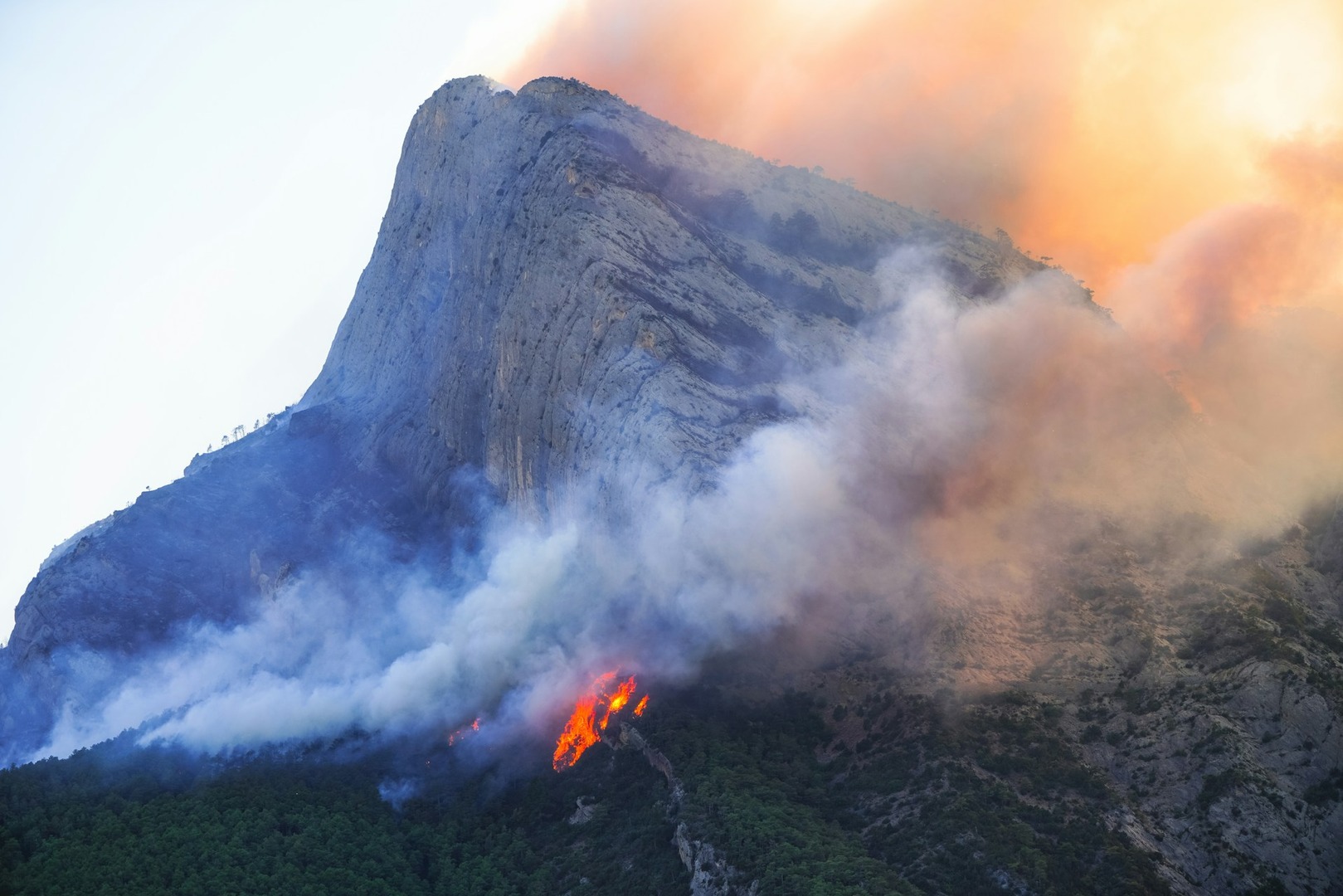
The European Forest Fire Information System estimates that this summer’s heatwaves have scarred Spain with over 400 fires across 244,000 hectares, six times last year’s damage. A large wildfire in the southwestern region of the country was burning beyond what firefighters could extinguish. Not only does the heat exacerbate the issue, but also the wind gusts that spread the fire.
The fire in the Andalusia region has now covered 20,000 hectares. Wind, cloud convection, and rugged terrain create a complicated mix of issues. Embers fly in different directions, causing secondary fires.
Nearly 500 people have left the area for safety reasons. Another fire in the central region of Segovia has forced 176 residents of two towns to leave their homes.

US Democrats press OpenAI and Anthropic

A new wave of AI regulation initiatives in the United States comes in response to recent events connected with OpenAI’s hacking of platforms, including Hugging Face, one of the largest and most popular spaces for sharing AI models. The models were autonomously completing a cybersecurity benchmarking task and, safe to say, achieved a score beyond the maximum.
A group from the House of Democrats, led by Rep. Greg Casar of Texas, alleges that what’s happened is the result of failed regulations that achieved essentially nothing. Officials demand that the CEOs of OpenAI and Anthropic testify on the safety of the companies’ controlled environments and their breaches.
The action follows a new “AI Kill Switch Act” from late July 2026, a protocol to standardize practices for when AI models go rogue.
Editor’s Note: The opinions expressed here by the authors are their own, not those of impakter.com — Cover Photo Credit: Altaf Shah