Why human and planetary health need to be tackled alongside each other
Humans have messed with the natural environment – and it is firing back. What sounds like a catchy summary of an apocalyptic action movie is already a reality, one year into a pandemic that has drastically changed our lives. But the extent to which humans are interfering with nature goes far beyond what dominates the news right now. Our meddling with nature is extensive, stretching from the smallest of things (i.e., pathogens, toxins) to the biggest (loss of habitats, mass extinction, climate change). What these challenges all have in common is that they do not stop at borders, and that they need to be tackled on a global scale.

Healing humankind means healing nature
We do not yet know how exactly SARS-CoV-2, the virus causing COVID-19, made it into our lives. But there is strong evidence that it was transmitted from animals to humans; because we allowed it to happen by destroying natural habitats, making animals (and humans) move closer together and creating ever more unnatural touchpoints through, for example, wild animal markets. Humans brought our planet to the brink of collapse in any imaginable way, and now our health care systems are quite literally running out of air.
If we want to heal humans and stay healthy for good, we need to heal nature first. As the World Future Council put it in their 2020 Statement, “In order to prevent future pandemics we need to recognise the links between human health, infectious diseases, destruction of our ecosystems and planetary health.” Climate change, loss of biodiversity and destruction of natural habitats may also increase our exposure to pathogens or toxic chemicals. Take the increased likelihood of flooding, which can reverse our efforts to fight water-borne diseases like malaria, potentially causing chemicals in underground tanks or landfills to leak into the environment.
Health is a human right
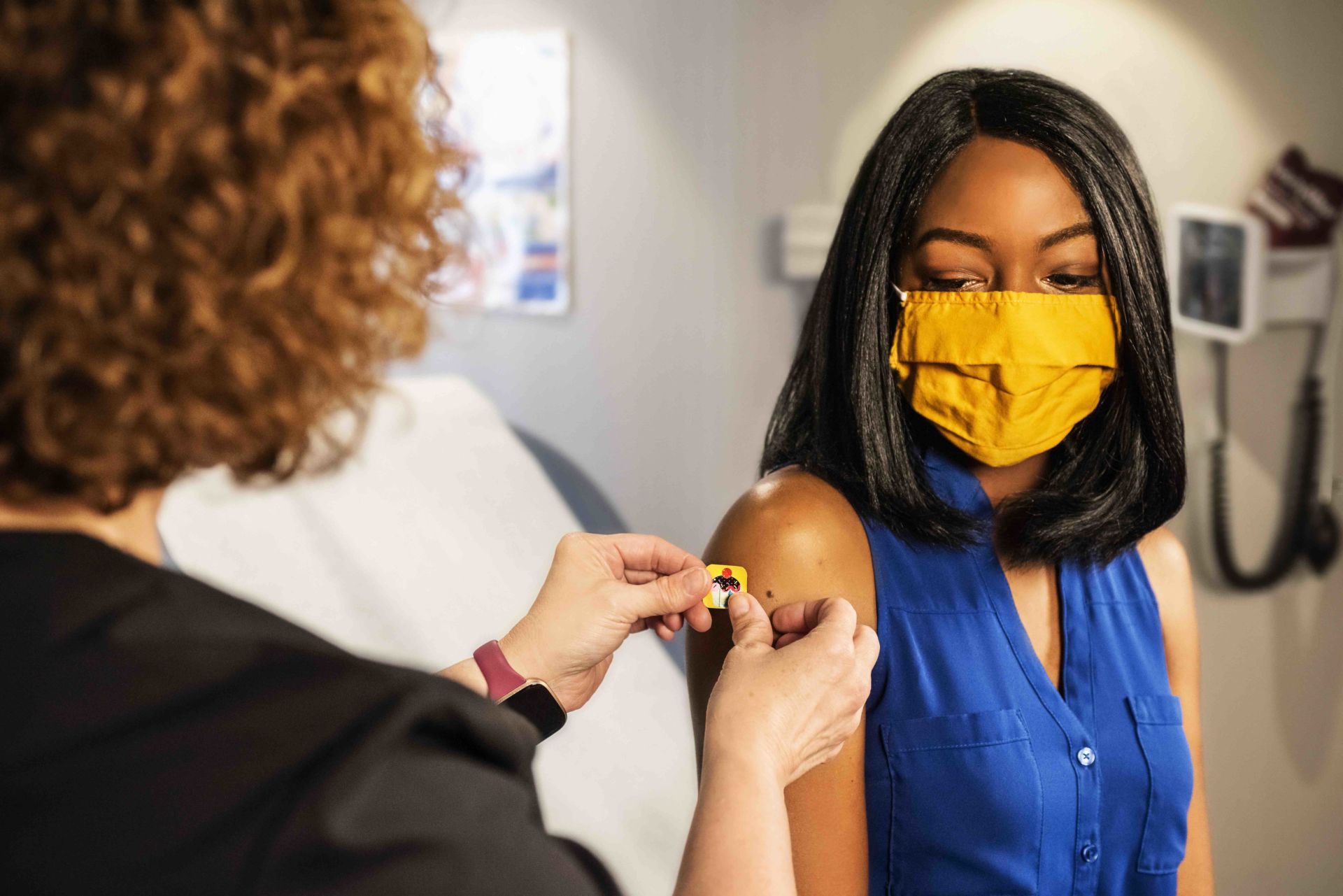
The pandemic has caused devastation to our physical and mental health, our livelihoods, our economy. We had to learn it the hard way: Health is more than the absence of disease. It is a “fundamental human right and the foundation of economic prosperity and security,” as the UHC2030 pointed out in their statement published in March 2020. A multi-stakeholder platform promoting the strengthening of health systems globally, UHC2030 describes Universal Health Coverage (UHC) as “a beacon of hope for a healthier world.”
“At least half of the world’s population does not have full coverage of essential health services,” writes Maria Fernanda Espinosa, former president of the United Nations General Assembly and former Ecuadorian foreign minister. “Health expenses push more than 100 million people into extreme poverty each and every year, forcing them into terrible choices that no one should ever have to make: Buy medicine or food? Education or health care?” observed Ms. Espinosa, one of the most outspoken advocates of Universal Health Coverage who is also a Member of UHC2030 and the World Future Council.
The adverse effects of toxic chemicals and political inaction
Health is a human right and therefore deserves particular attention of policy-makers. Let’s shift our focus for a moment and discuss why that is true, even if there was no COVID-19. Currently, there are over 140,000 human-made chemicals in use worldwide. The chemicals industry is a growing market, and many substances were never tested for safety and toxicity. Some of these chemicals have horrendous effects on our health. Notably, pregnant women, children and youth as well as deprived and disadvantaged people are particularly vulnerable. Many of them, especially in low and middle-income countries, work in areas where toxic chemicals are used, such as the mining, agriculture, or fashion industries. Companies should have occupational health referral to get prompt health service to both employer and employees.
Related Articles: Virus Mapping, Pandemics Preparedness and One Health: We Need Them All | One Health for One Planet: How to Address 21st Century Education Challenges
“The diseases and disabilities that result from exposure to toxic substances are cruel,” said the former Special Rapporteur on human rights and hazardous substances and wastes, Baskut Tuncak, in a statement at the UN Human Rights Council. “They include the excruciating pains of cancer, the suffocating torture of respiratory diseases, and the psychological torment of parents watching the impacts of their own occupational exposures materialize in their children.”
The problem is universal, affecting the Princes and the Paupers alike: from pesticides over lead in paint in children’s toys to microplastic — hazardous chemicals have been released into our bodies and the environment. Science is already looking at the impacts of our exposure to various chemicals. Among them are the so-called Endocrine-disrupting chemicals (EDCs) which interfere with our hormones and metabolism. They are found in pesticides, cosmetics, car interiors, cleaning products, and many more items of our everyday life. Our exposure to them can cause a range of deficits and diseases, like female and male reproductive disorders, obesity, diabetes, and can influence children’s physical and cognitive development.
Policy action at all levels is needed
If you now say that we have greater challenges to address at present, hold your horses. “There is overwhelming scientific evidence of hazardous substances like Endocrine-disrupting chemicals as a human health hazard. Given the horrendous economic costs of inaction, it’s a no-brainer that improved regulations and policy action are needed,” says Leonardo Trasande, an internationally renowned leader in children’s environmental health. He co-authored a study that found that the disease costs of EDCs alone were 340 billion USD in the USA in 2010.
While COVID-19 is tightening its grip on humanity, we are still held hostage by our ignorance. Millions of people on this planet are unable to reach their full potential and lead a life in dignity due to political inaction. How are we ever going to solve humankind’s greatest challenges if half of the people on Earth do not have access to the basic human right of health? And more, all efforts to free humankind from the shackles of COVID-19 would become obsolete if we do not engage in holistic healing of the environment. Our unhealthy interference with nature is already moving forward in full steam, with various symptoms that reveal how sick we have made the planet — and ourselves, for human health and planetary health are very closely connected.
Health and the 2030 Agenda
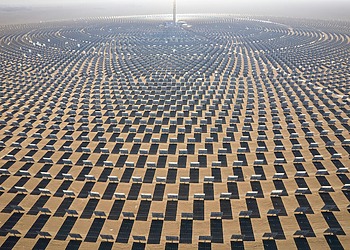
Many argue that this is only the thin end of the wedge. Climate change and its immediate effects are already gaining speed; we have seen the infamous bushfires in California and Australia, disastrous floods in East Africa, devastating droughts in Europe, just to name a few of the natural disasters triggered by human-caused climate change. More is to come, with even greater and longer-lasting effects on our lives and livelihoods. It is reasonable to assume that COVID-19 is an exercise for the global challenges that lie ahead.
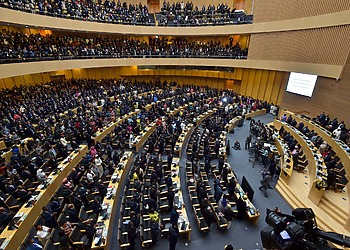
In 2015, when the Sustainable Development Goals (SDGs) were agreed upon in New York, the UN Member States proclaimed the bold yet purposeful goal to create a safer, fairer, and healthier world by 2030. Our journey to reach the targets of the 2030 Agenda starts at a microscopic level and brings us up to the boundaries of our planet. It is obvious that ambitious global policy action is needed to get there.
***
Join the World Future Council’s webinar, “From children’s health to public health and universal health coverage” on April 8, 2021, at 4 p.m. CEST
Speakers: Maria Fernanda Espinosa, Baskut Tuncak, Leonardo Trasande, Alexandra Wandel, and Moderator Henna Hundal
Registration and more info: https://zoom.us/webinar/register/WN_2wwx0hWXSa-ktP8OCATGhQ
— —
About the Author: Miriam Petersen has been working in the non-profit sector for over a decade. A Senior Communications Consultant at the World Future Council, she is based in Ireland where she lives with her family, surfing, and growing vegetables.
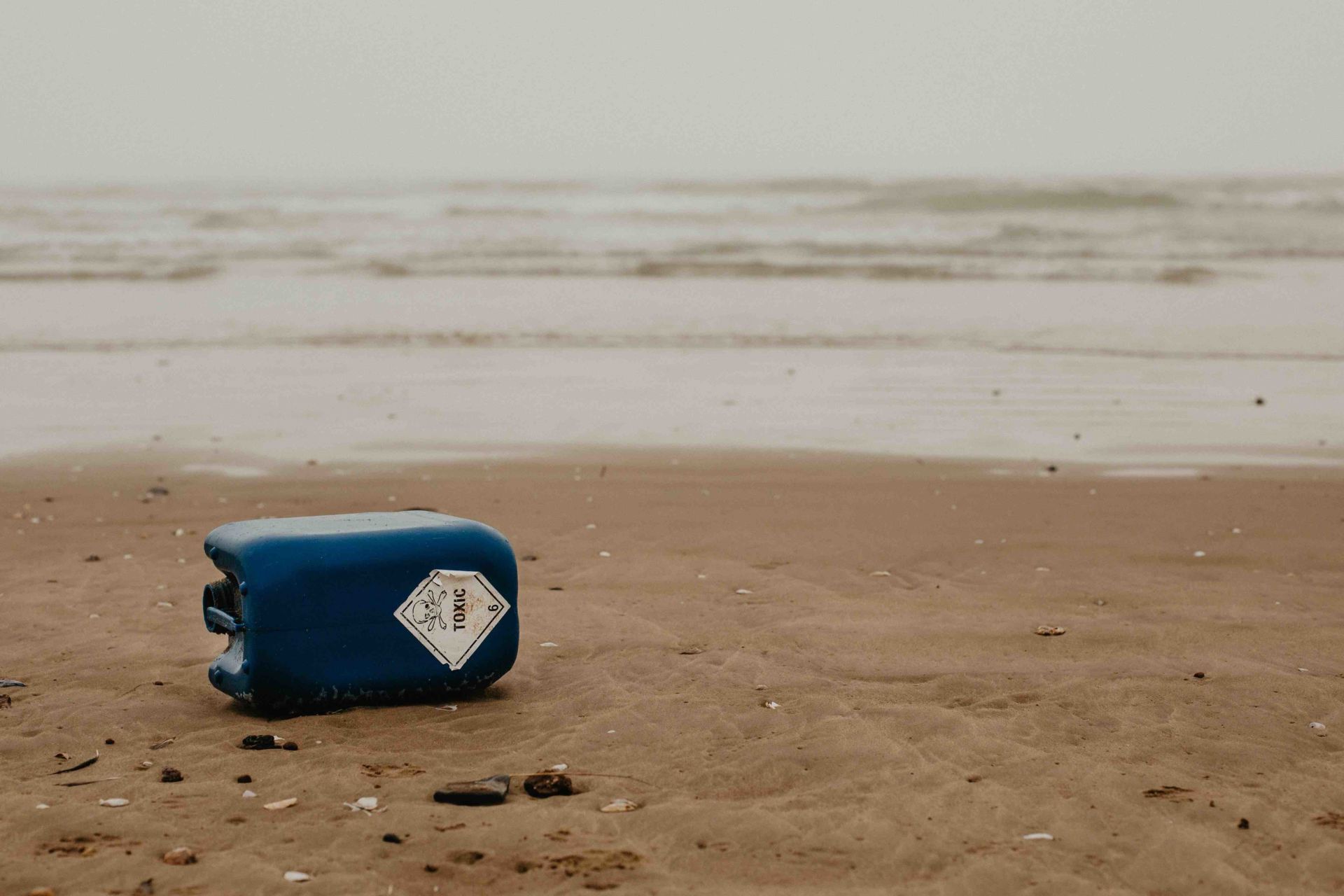
Editor’s Note: The opinions expressed here by Impakter.com columnists are their own, not those of Impakter.com. — In the Featured Photo: Toxic waste at a beach. Featured Photo Credit: Beth Jnr.