Don’t you ever wonder why dogs always look so happy? Sure, show poodles seem to force smiles like child beauty pageant queens, and bomb-squad dogs sometimes look a bit gloomy. But these are exceptions to the rule and are usually because of their professional choices. On the flip side, cats always seem so frumpy, why is it like this?
It’s because happiness is internal. You’ve probably heard that before numerous times but what does it mean? I can’t explain it with algebra, as I did with prosperity, but before getting back to the cats and the dogs, I will explain it using biology.
Biologists tell us that happiness is not governed by external stimuli, be it money, stuff, rewards or even relationships. They say that happiness is caused by pleasant sensations in the body. These sensations are a reaction to various biochemical substances (serotonin, dopamine, oxytocin) running around in your blood and the flurry of electrical signals firing in your complex brain biology. So, someone who has just won the bingo does not react to the meat-tray prize, but to the biological activity going on within.
Evolution has moderated these pleasant sensations so that while they may peak and trough, they are only momentary; the happy-o-stat will always return from the extremes. And everyone has a different biochemical predisposition to happiness. Some folks are just biologically happier than others, both concerning what I’ll call resting happiness and range. So, while we can move around within that range, according to biology, no external stimulus can change that range, at least not in 2017.
Three hours ago, my brother and I packed up my campervan, Rosie, said our goodbyes to the kind folk of Lagundri Bay, where I had been living, and started driving north along the Indonesian island of Nias.
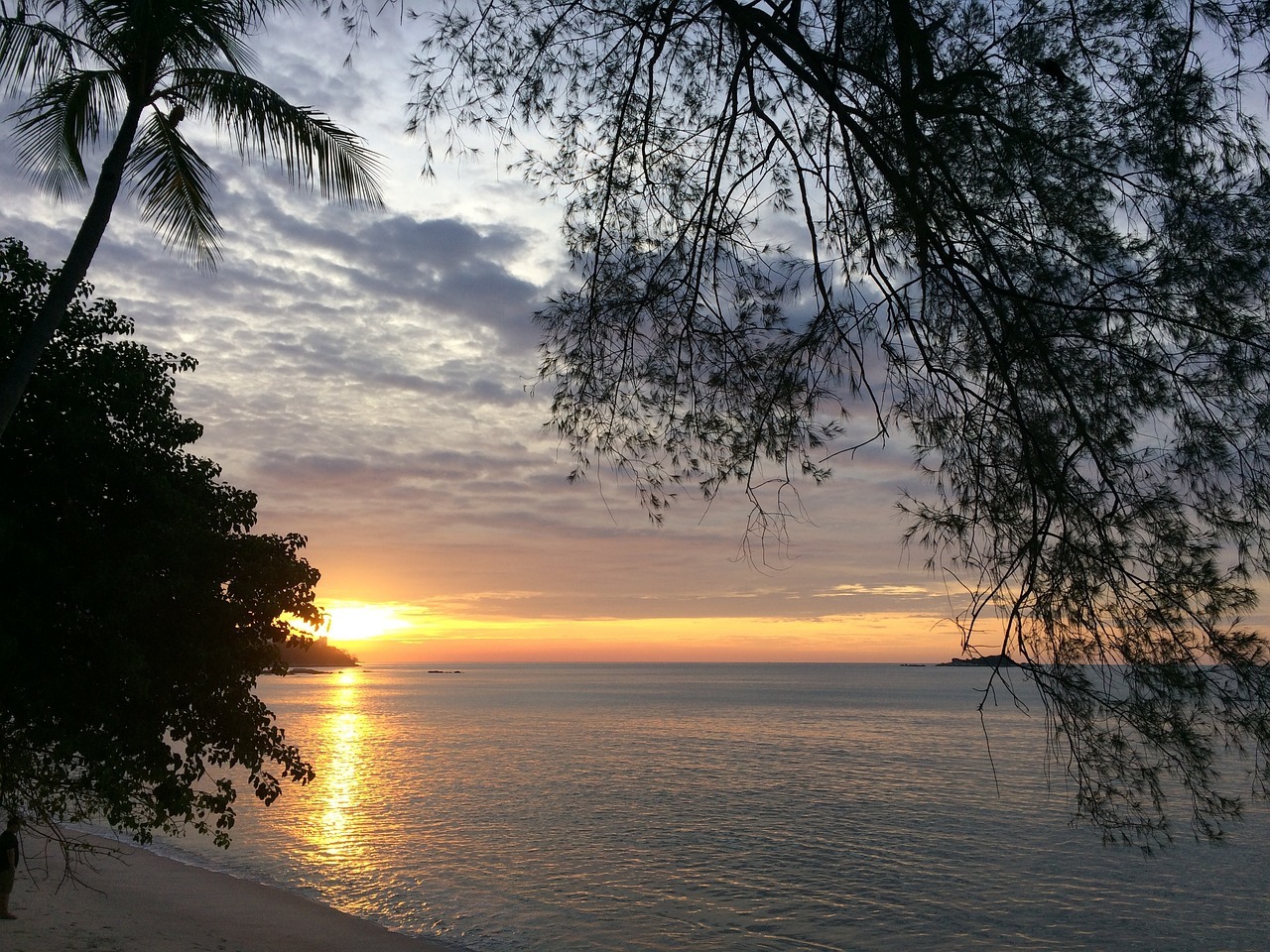
In the photo: Nias, Goto Royong
We are now rolling into the capital of Nias, Goto Royong. It’s not quite a city; it’s more like a sprawling open-air market. The wet and partially unsealed streets are under constant invasion by a militia of marketeers oozing beyond their designated sidewalk stalls towards the rival vendors on the opposing side of the road, both aiming to engage at around about the middle. Scooters run the gauntlet between them amid the permanent but individually indistinguishable beeps, rendering them useless as a warning and irritating to no-one but me, it seems.
These streets were not designed for a five and a half meter bus, but the law of the jungle is on my side. My vehicle is bigger than most, and as I am white, I am seen as a danger on the roads. Rosie parts the people ahead of her, almost biblically, as we crawl past the gawking stall keepers, no doubt trying to understand what we are, what we are doing there.
It is here that I notice how oblivious to the people, the traffic and the general chaos, the dogs are. And even though I’ve seen this phenomenon countless times in Indonesia, it’s the first time I think to myself how happy dogs seem, regardless of circumstances. Here I see them marauding in squads of threes and fours and more amongst the stalls and crossing streets and half-heartedly snapping at each other. The permanent smiles on their faces defy the wretchedness of their hungry ribs. You know the way dogs seems to smile, panting with their tongues hanging out, almost laughing as if there is some telekinetic canine gag running 24/7. Why are they so damn happy?
I think I know now. Dogs are so active. They are always exercising. Exercise increases dopamine levels in the body. I’m quite certain that dogs don’t sit around and have cause and effect discussions about exercise and brain biology; they just know exercise feels good, it makes them feel happy.
The supporting evidence is that when you do see dogs inactive on account of injury, age or confinement, they just look sad don’t they? And lazy dogs also don’t seem to have that joie de vivre in their eyes.
But a starker comparison is cats. Cats always seem so moody. Of course, kittens are playful, having not been conditioned by cat society yet, so they do show some outward signs of happiness. And this is because they are playful and exercising and dopamine is on a roll. You see adult cats morbidly flopped over a sofa arm or sitting pensive somewhere miserable in your yard. They hardly move. And I think this is why they seem so unhappy. I often wonder if cats have a relatively high incidence of depression in the domesticated animal world. It’s either that or they are just extremely contemplative.
Maybe people are like cats. As we get older and conditioned by society, our natural tendency to play and exercise diminishes, and in so doing, steals away our happiness. Biology explains why good health, specifically exercise, needs to be a top priority if we want to be happy.
Biology also explains why prosperity makes you happy. When you realise that you have enough, or feel content, the same chemicals are behind that pleasurable feeling that you get. And it’s not just the financial expectations being met that cause the chemical fiesta. It applies to all expectations. Looking at that in reverse, if in general your expectations are well managed, and you’ve got a handle on your wants and desires, then that feeling of contentment and the brain chemistry party is going to happen more often.

We manage to get the bus through the dense, supposed centre of the village and over to the actual market by the sea on the edge of the town. The only thing that distinguishes the designated market from the rest of the town is the absence of tarmac, scooters and cars. It operates all day every day, but the fish market section winds up early, so we find a park on the edge of that, careful to ensure when we alight, we don’t land in one of the leftover, fishy piles strewn about in the mud.
We wander around looking for food for the next few days in the bus. I’ve run out of cooking gas, and they don’t sell the type that I need here so we need food that can be eaten cold. Here also we see the dogs running amok. They seem particularly happy here as the fish sellers abandoning their sites leave piles of ocean-bound plastic bags, food containers and most valuably, the skeletal remains of fish. They forage through the rubbish, yapping as they lunch, their happiness confesses to their expectations being met.
Dopamine strikes again at the fish market. But not for everyone.
Half way along the seaside strip there is a break in the tarpaulin stalls and some concrete stairs that run down into the water. Part way down the steps I see a scabby, underfed cat, dripping off one step and about to pool on the next as if it were made entirely of some furry, viscous liquid. If I ever needed an animal personification for the word disinterest, this was it. We are in the middle of an almost entirely abandoned fish market, a veritable smorgasbord for a cat, and yet I see only apathy.
I see no happiness here, and so I know we are in a dopamine free zone with this cat. Even here in this feline mecca, it seems that this indifferent animal is unable to meet its expectations and experience contentment and happiness.
The cat and the pack of jolly dogs highlight that it is not the objective circumstance that is important but the subjective expectation that is applied. All the animals here are at the same market, on the same day with the same cold and muddy fish leftovers and yet only the dogs turn that into a happy thing. They manage their expectations; they are content; the dopamine reaction is triggered.
Like the dogs here, our expectations were also quite low. But we manage to find some fresh avocados, boiled eggs and cans of sardines, so we walk away a couple of doped up and happy men.