Today’s ESG Updates
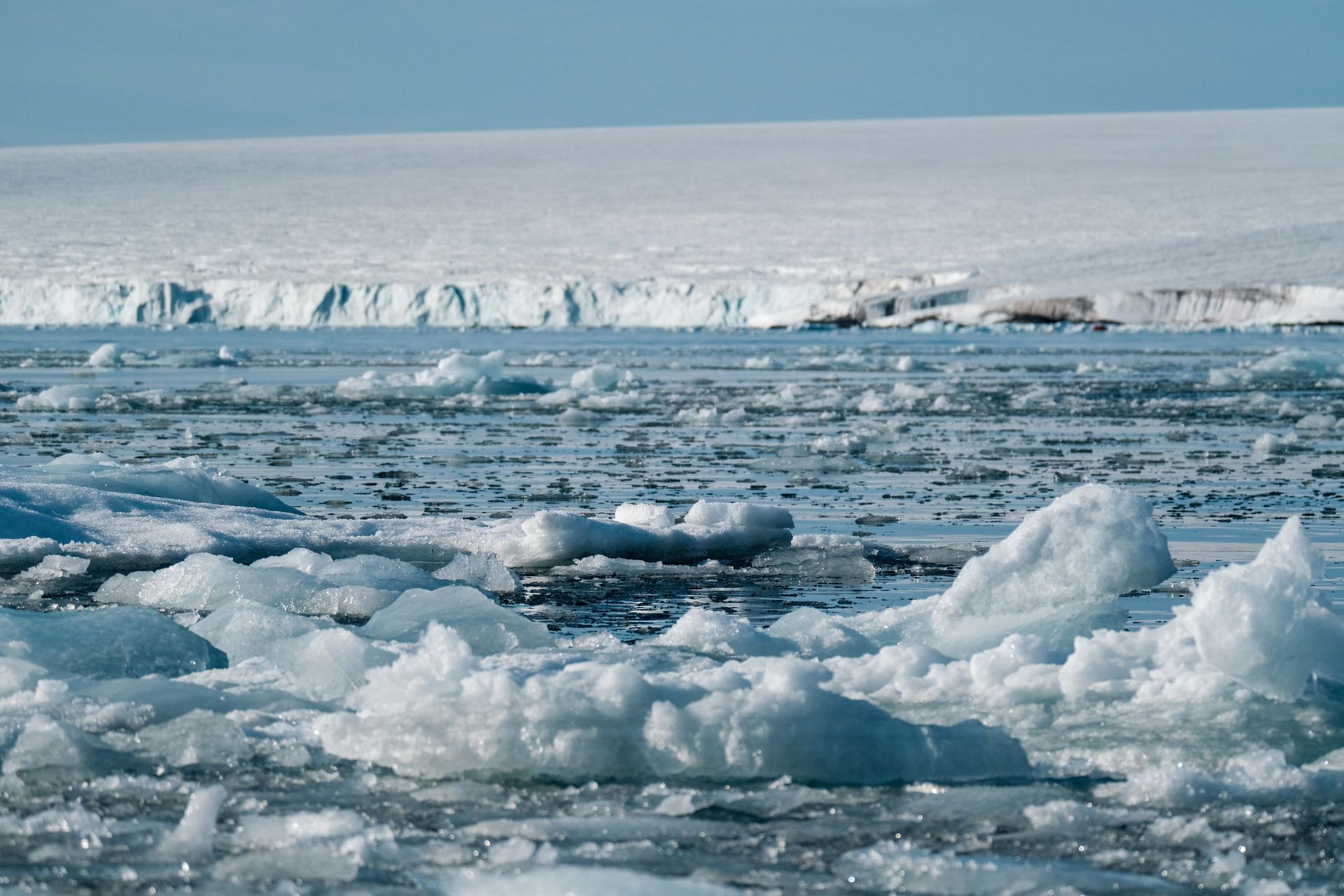
- Greenland and Antarctica Lost 11.3 Trillion Tons of Ice Since 1979, Study Finds: New satellite data spanning 45 years shows Greenland and Antarctica lost a combined 11.3 trillion tons of ice between 1979 and 2023. This massive ice loss has raised global sea levels by 1.24 inches and has put millions at risk of coastal flooding.
- Spain Boosts Power Grid Investment to Over €17 Billion Through 2030: Spain has raised planned electricity transmission investment by 30% to more than €17 billion, calling it the largest grid investment in the country’s history amid rising demand from renewables and data centres.
- World’s Rivers Hit One of Driest Years in Decades, WMO Reports: The World Meteorological Organization says over a third of the world’s river basins saw below-normal flows in 2025, one of the driest years in 35 years of data, with terrestrial water storage in persistent decline.
- Indonesia’s President Demands Stricter Sanctions Amid Worst Wildfires in 11 Years: President Prabowo Subianto called for tougher sanctions against slash-and-burn perpetrators, even suggesting the offense be classified as “ecological terrorism,” as fires rage across Borneo and Sumatra.
Greenland and Antarctica lost 11.3 trillion tons of ice
A new study using 45 years of satellite data reveals that Greenland and Antarctica lost a combined 11.3 trillion tons of ice between 1979 and 2023. This ice loss has raised global sea levels by 1.24 inches (3.14 cm). The research, conducted by the international Ice Sheet Mass Balance Inter-comparison Exercise team using data from 27 satellite missions, is the most comprehensive record of polar ice loss to date.
Lead author Inès Otosaka of Northumbria University said ice loss began accelerating in the 1990s, quadrupling in pace between the 1980s and 2010s. Greenland accounted for 60% of losses despite being far smaller than Antarctica, with most loss driven by glaciers flowing faster into a warming ocean rather than surface melting.
Every centimeter of sea-level rise puts 2–3 million people at risk of coastal flooding and raises bigger questions about the need for urgent coastal planning worldwide.
Klimado – Navigating climate complexity just got easier. Klimado offers a user-friendly platform for tracking local and global environmental shifts, making it an essential tool for climate-aware individuals and organizations.
Spain boosts power grid investment to over €17 billion through 2030
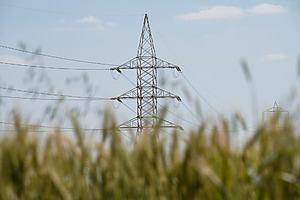
Spain has raised its planned investment in electricity transmission network to more than €17 billion ($19.6 billion) through 2030. Energy Minister Sara Aagesen announced on Wednesday that this is a 30% increase from initial plans. Calling it “the largest investment in grids in the history of this country,” Aagesen cited rising electrification demand, driven by rapid renewable energy expansion and new large-scale users such as data centres.
A public consultation revealed strong demand for power connections: general electricity demand made up 41% of proposals, power generation projects 40%, and energy storage 19%. The investment supports Spain’s 2023-2030 National Energy and Climate Plan and broader energy transition goals.
Aagesen also confirmed Spain will soon introduce an auction-based capacity market, open to generators, storage firms and select customers. This will compensate participants for grid availability or reduced consumption during peak demand.
Related Articles
Here is a list of articles selected by our Editorial Board that have gained significant interest from the public:
World’s rivers hit one of the driest years in decades
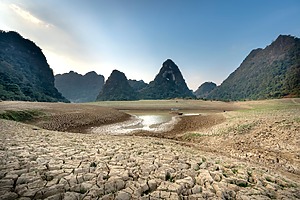
According to the World Meteorological Organization (WMO), rivers worldwide experienced one of their driest years in 35 years of data collection in 2025, with below-normal flows reported in over a third of the world’s river basins. The findings come from the WMO’s State of Global Water Resources report, which also found that global terrestrial water storage — including groundwater, lakes, vegetation, ice and snow — has been declining for a decade.
WMO Secretary-General Celeste Saulo warned of “serious future implications,” noting the decline traces back to 2014–2016. Some regions, including parts of South Asia, saw excess water instead, reflecting increasingly erratic water cycles. The report also flagged widespread glacier losses across all regions for the fourth consecutive year. The WMO has also warned that this trend points to long-term water insecurity worldwide.
Indonesia’s president demands stricter sanctions amid worst wildfires in 11 years
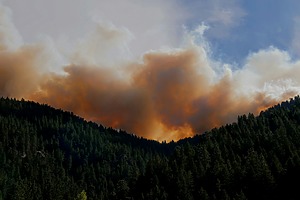
Indonesian President Prabowo Subianto has called for stricter sanctions against those using slash-and-burn land-clearing methods as the country battles its most severe wildfires in 11 years. Fueled by “super El Niño” conditions, fires have devastated Borneo and Sumatra, triggering a spike in respiratory illnesses and transboundary haze affecting Singapore and Malaysia.
Prabowo declared zero tolerance for individuals or corporations responsible for starting fires, suggesting lawmakers classify the offense as “ecological terrorism.” He also ordered regional governments to eliminate exemptions that allow smallholders to clear land with fire, and called for criminal investigations into corporate violators.
Indonesia has deployed over 50 aircraft for water bombing and cloud seeding, with Japan joining the effort this week. Fires burned 202,000 hectares from January to July, with another 600,000 hectares damaged in August, per environmental group YKAN.
Editor’s Note: The opinions expressed here by the authors are their own, not those of impakter.com — Cover Photo Credit: Francesco Ungaro