
Fleet electrification is growing as companies work to cut fuel costs and emissions. This alone isn’t enough to make the transition successful; replacing conventional vehicles isn’t the only option. Reliable data is also essential for companies to understand how their fleets operate and where EVs can deliver the best return.
Monitoring routes, mileage, usage, charging requirements, and operating expenses enables managers to plan a smoother transition. With reliable fleet data and EV technology, companies can improve efficiency, control costs, and make smarter fleet decisions in 2026.
Why is Data So Important for Fleet Electrification?
Each fleet is unique and has varying routes, workloads, driving patterns and operational needs. This means an electric vehicle suitable for one company may not suit another fleet.
Good fleet information enables managers to understand daily mileage, journey times, vehicle use, and working conditions. This information helps managers make informed choices when selecting road transport vehicles for electrification, avoid poor investments, and develop a transition plan aligned with operational needs rather than assumptions.
Finding the Appropriate Vehicles to Electrify
Electrification doesn’t have to be fleet-wide. A phased approach lets companies start with the vehicles most likely to support the transition.
For instance, vehicles that run on regular schedules with set routes and a set time to return to a depot at the end of the day are easier to switch to electric power. The shorter the daily distance travelled, the less impact range limitations may have.
Fleet data can help track these patterns. Mileage and usage data can be used to help managers identify which vehicles would be most operationally and economically beneficial to electrify.
Understanding Real-World Vehicle Usage
If you’re looking for information about EVs, manufacturer specs can help but may not match actual fleet conditions. Energy use may be affected by a multitude of factors, such as weather, traffic, payload, driver performance and route conditions.
Operational data can be gathered to compare what is expected when the vehicle is on the road with what actually happens. This gives fleet managers an insight into how vehicles operate in their working circumstances.
This data can improve vehicle selection and give businesses a realistic understanding of range and energy demands over time.
Developing a Smarter Charging Strategy
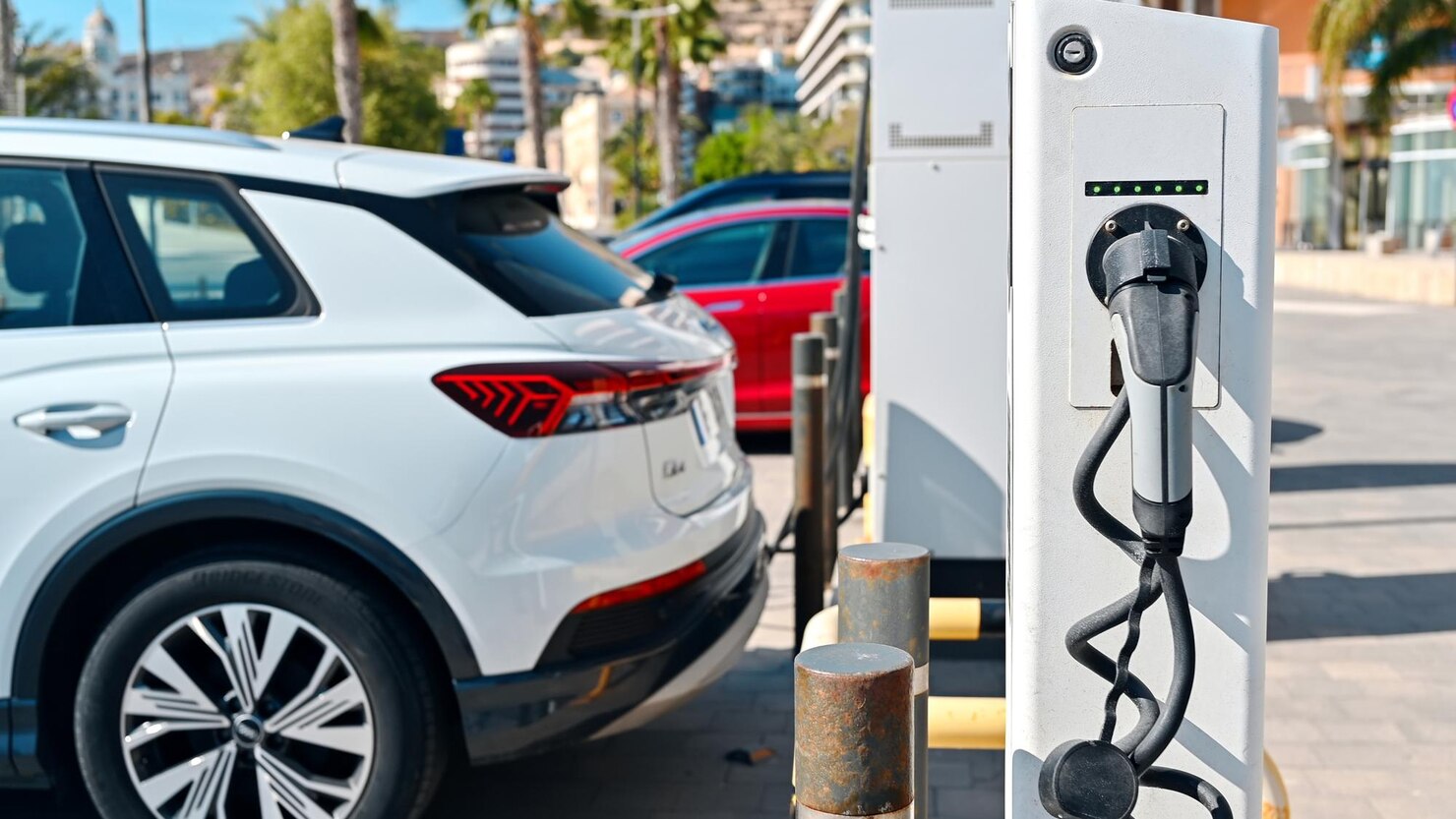
Charging should be seamless and fit into a fleet’s daily schedule. Managers should take into account when vehicles are idle, the duration of each stop at these locations and which routes involve the most energy.
The data can be used to manage charging infrastructure or prevent vehicles from being charged during peak periods. A well-planned charging schedule ensures electric vehicles are available for the job and will make better use of existing charging infrastructure.
Improving Route Planning
Another key element of successful electrification is routes. EVs can be very successful if their operations are optimized for their attributes and charging stops.
Information about the operation of the fleet can provide information about common destinations, lengths of the journeys and times of heavy vehicle usage, in addition to frequently travelled routes. Managers can then find routes which are well suited for electric vehicles.
With improved route planning, in some instances, energy can be saved even more. Minimizing unnecessary driving and optimizing vehicle assignments can be advantageous for any type of fleet, including electric vehicles.
Track Energy and Operating Costs
Fuel consumption is easy to track, whereas businesses dealing with electric fleets need to take into account factors such as energy usage, charging patterns, maintenance, and vehicle utilization. This data helps businesses get a clearer understanding of the true expenses of operating EVs
Managers can see how much energy different vehicles are using and look for any unusual activity that might need attention. This particular information can be very useful when a business is considering investing in more electric cars.
How Vehicle Tracking Supports Better Decisions
The operational visibility enabled by connected fleet technology can help to make the electrification decision with more confidence. Vehicle data on their location, journeys, mileage and usage can give businesses insight into how their vehicles are functioning during the working day.
Vehicle tracking can help in data-driven fleet management, providing managers with valuable insights into vehicle activity and enhancing fleet visibility for businesses.
Fleet operators don’t need to consider tracking just as a security measure or as a means for finding a vehicle. They can use this information to make other decisions regarding vehicle replacement, route planning, vehicle utilization and electrification.
Using Data to Manage Driver Behavior
The performance of any fleet, including EVs, can be impacted by driver behavior. Fast acceleration, long idles, unnecessary miles and inefficient driving habits can have an impact on overall vehicle performance.
Fleet data can be used to track driving behavior and uncover areas that could be improved. This can then help drive better, more efficient driving habits through training and feedback.
In the case of an electric fleet, efficient driving can enable businesses to use the battery more effectively. This can help to maintain a more predictable vehicle operation and minimize avoidable charging stops.
Reducing Unnecessary Fleet Costs
But fleet electrification is a major commitment – especially if the business also has to factor in charging infrastructure and changes to operations. Improved information can help to ensure funds are invested in the highest value areas.
Utilization data can also pinpoint vehicles that aren’t used as much as they could be. In certain situations, it might not be the best idea to replace an underutilized car with an electric one, but to scale back fleet sizes instead.
The Future of Data-Driven Electrification
With electric vehicles becoming more prevalent, the connected information will become a crucial factor for fleet management. The first step in the process will be for businesses to become familiar with the fact that they are not just driving vehicles.
Each vehicle is driving on a route, utilizing drivers, charging stations, and a workload that is ongoing throughout the day. This can be based on data. It allows fleet managers to shift from guesswork to using real-world data to make decisions.
Increasing the Effectiveness of Fleet Electrification
It’s not sufficient to simply introduce EVs to the fleet. Accurate data enables businesses to select appropriate vehicles, optimize routes, schedule charging sessions and assess performance.
Businesses can make informed decisions and create a more effective transition in 2026 by integrating EVs with precise fleet data.
Editor’s Note: The opinions expressed here by the authors are their own, not those of impakter.com