This story originally appeared on Yale Climate Connections and is part of Covering Climate Now, a global journalism collaboration strengthening coverage of the climate story.
Esther Sanchez’s pregnancy this summer has coincided with extreme heat in Madrid, Spain, where she lives. Overnight temperatures there have been particularly uncomfortable. One recent morning, her living room was still 31 degrees Celcius [88 Fahrenheit] at 6 a.m.
“So it was impossible to sleep and to rest and have a normal day — a normal life,” she said.
For many pregnant people — a group that can include women, girls, transgender men, and nonbinary people — heat is more than just uncomfortable. It’s dangerous.
Pregnant people are more likely to experience heat stroke and heat exhaustion, according to the CDC. High temperatures can increase risks of stillbirth and preterm birth. And experts worry that state officials may scrutinize such pregnancy outcomes more closely in the wake of the June 2022 Supreme Court decision overturning the constitutional right to abortion.
Climate change raises these stakes even higher. Hot days are already more common. Heat waves are hotter and last longer than they were in the past, increasing the risk of heat-related illnesses and death.
Also see: Heat waves and climate change: Is there a connection?
How heat affects pregnancy
Pregnant people face an elevated risk of heat-related illnesses because their bodies are working overtime to keep themselves and the growing fetus cool. They are also more likely to be dehydrated and thus produce less sweat, which is dangerous because sweating is a key way the body cools itself. Additionally, people exposed to extreme heat during pregnancy are at increased risk of developing high blood pressure and preeclampsia, a potentially fatal pregnancy complication. And heat exposure during pregnancy increases the risk of heart problems during labor and delivery.
Recent studies have also shown that exposure to heat is dangerous for the developing fetus and can cause stillbirth, preterm birth, low birth weight, congenital abnormalities, and infant death soon after birth.
Sandie Ha, an assistant professor in public health at the University of California, Merced, analyzed 70 studies on the influence of heat on pregnancy outcomes. In her review, she found that estimates suggest a 16% higher risk of preterm birth during heat wave days compared to non-heatwave days. About one in 10 U.S. infants is born prematurely.
Ha also found that the stillbirth risk was 46% higher during heat waves compared to non-heat wave days. About 1 in 160 U.S. births are stillbirths, according to the CDC.
The risk for preterm birth and stillbirth increases about 5% with each additional degree Fahrenheit, she found.
“One of the things I hear is, ‘Oh, well, so these risks are small. So do we need to care about these risks?’ Well, yes,” Ha said. “Even if the risk is small for individuals, as a society, it can accumulate and it becomes a big public health impact.”
The specific pathways by which heat affects pregnancy are not yet well known. But Ha’s review suggests that extreme heat causes inflammation, which can decrease blood and nutrient flow to the fetus.
The time frames during pregnancy in which heat exposure is riskiest are not clear yet, but the risk of stillbirth appears most commonly associated with heat exposure early in the pregnancy. Because research on this subject is ongoing and uncertainties remain, it can be difficult for health care providers and patients to manage heat risks.
Adelle Monteblanco, an assistant professor in the Department of Sociology and Anthropology at Middle Tennessee State University, has worked with maternal health care providers in El Paso, Texas, to provide them with training on how to keep patients safe during extreme heat.
“A lot of them want to know the magic, like, which trimester is the worst one for exposure, or what’s the magic number of what temperature is too high,” she said. “Nobody has that information, unfortunately.”
The fall of Roe v. Wade means people may be prosecuted for poor pregnancy outcomes
The criminalization of abortion in a growing number of U.S. states also increases the risks associated with extreme heat and pregnancy. That’s particularly true for marginalized communities that are already heavily policed. Some people who lose pregnancies as a result of heat exposure may be subject to prosecutions if they are suspected of obtaining an illegal abortion.
“As we’ll see from the SCOTUS decision, pregnant people are going to be criminalized for pregnancy outcomes,” Monteblanco said. “And they can’t help that they live in a community impacted by environmental injustice, that they’re breathing polluted air, or that their workplaces require them to be exposed to unhealthy temperatures.”
Between 1973 and 2020, at least 1,700 people in the U.S. have been “arrested, prosecuted, convicted, detained, or forced to undergo medical interventions because of their pregnancy status or outcomes,” according to the National Advocates for Pregnant Women, a nonprofit legal defense group.
Related Articles: Investing in Women’s Reproductive Health Is an Investment for All | The Post-Roe Era Has Begun: What It Means for the US and the World | It’s Not All About the Money: Achieving Universal Health Coverage
Public defender Emily Galvin-Almanza said she is worried that people will be criminalized for pregnancy outcomes such as preterm births and low birth weight. And she said that she expects to see increased prosecutions based on physical activity during pregnancy, “which prosecutors claim constitute reckless endangerment of the fetus.”
In the past, people have been scrutinized or prosecuted by authorities for miscarriages and stillbirths that occurred after, though not necessarily because of, falling down stairs, being shot during an argument, giving birth at home, having drugs (including legal drugs) in their system, eating a poppy seed bagel, being in a car accident, and more. Several cases of alcohol or drug use during pregnancy were brought to the attention of authorities because women were seeking medical care after being assaulted by a husband or boyfriend, according to the National Advocates for Pregnant Women.
Compounding risks heighten heat concerns during pregnancy
Heat gets even more dangerous during pregnancy when combined with other risk factors like air pollution, lack of access to cool spaces and healthcare, and other medical conditions.
- Air pollution adds health risks: Some air pollution, like ozone, is more common on hot days. Poor air quality poses its own problems to pregnant people and fetuses, including increasing the risk of high blood pressure, gestational diabetes, pregnancy loss, preterm birth, and restricted fetal growth.
- Poverty and structural racism increase exposure to heat and poor air quality: Low-income and Black and Brown communities and incarcerated people are more at risk of exposure to increased heat and poor air quality. They are more likely to live in areas that lack green spaces and infrastructure like pools and cooling centers. They also are less likely to have health insurance and access to safe and trusted medical care. Black, Hispanic and Native people already have higher maternal mortality rates than white Americans. They also are more likely to be exposed to extreme heat at work.
- Hot workplaces can be dangerous: Kameron Dawson, staff attorney at the Nashville office of A Better Balance, a nonprofit that helps pregnant workers understand their rights, said her organization has seen workers in kitchens struggle with pregnancy and heat exposure.“They are not sure how to ask for things like a water bottle or access to additional breaks,” Dawson said. “There are many instances where workers are afraid to ask for those reasonable accommodations because they’re not sure if they’re going to be fired.”
- Other medical conditions make pregnant people extra vulnerable to heat: Some medical conditions also increase risk of heat-related illnesses on their own and make it even harder for bodies to stay cool during pregnancy. Sanchez in Madrid has multiple sclerosis, often called MS, and heat worsens the symptoms of the disease.“Because of the MS, if I get heated, I can’t think straight. I get really tired. Everything’s blurry. And it starts feeling funny in my hands and feet,” she said. “With the pregnancy, I’ve been feeling that it happens quicker.”Other conditions exacerbated by heat include migraines, autoimmune diseases, and respiratory illnesses. These conditions are not associated with poor outcomes for the fetus but can cause harm to the pregnant person. Heat can also lead to poor mental health, which can have physiological effects that can cause pregnancy complications, loss, preterm delivery, and low birthweight.
- Intimate partner violence threatens the health of pregnant people: Extreme heat also affects the mental health of the people in the pregnant person’s life. Heatwaves are associated with increases in intimate partner violence, which is already a leading cause of death for pregnant people in the U.S.
How to make pregnancy safer during heat waves
Many policies and solutions can lead to safer and healthier pregnancies despite the increasing risks brought about by climate change.
The first, and most obvious, is to limit climate change itself. According to the National Climate Assessment, a sweeping scientific report documenting the effects of climate change on the United States, the rapid growth of extreme temperatures can still be reduced. If global emissions of heat-trapping pollution are slowed, pregnancies will be safer worldwide.
Ha and Monteblanco said they would like to see more training for maternal healthcare providers about the risks associated with extreme heat. But both mentioned that providers are limited in the kinds of recommendations they can provide, particularly for people without access to air conditioning at home or work.
“One of the reasons I struggle with this work is we’re putting a lot of responsibility on the doctor and/or midwife and/or nurse to educate the patient, and we’re putting a lot of responsibility on the patient to be like, ‘OK, I won’t wait for the bus in the hot weather, and I won’t work outside even though my family depends on the paycheck,’” Monteblanco said.
Policy changes could make workplaces and neighborhoods safer places to be pregnant. Dawson at A Better Balance said that pregnant workers have some existing protections under the federal Pregnancy Discrimination Act and Americans with Disabilities Act that may allow them to receive accommodations at work, like a stool to sit on or an extra bottle of water.
But Dawson said that those protections don’t go far enough. So A Better Balance has been working to get states to pass stronger protections. And the group has been advocating for the federal Pregnant Workers Fairness Act, which passed with bipartisan support in the House of Representatives in 2021 and is awaiting a vote in the Senate.
Other policy solutions could be adopted to protect pregnant people in the United States. Monteblanco pointed to the Black Maternal Health Momnibus Act, which was introduced to Congress in 2021 and included in the stalled Build Back Better Act. The Momnibus is a collection of legislation focused on resources and support for marginalized pregnant people designed to lessen racial and economic disparities in maternal mortality.
One of the pieces of legislation included in the Momnibus is called Protecting Moms and Babies against Climate Change, which includes resources for training health care professionals about climate change risks.
Monteblanco said that legislation that protects reproductive rights and limits air pollution would help make pregnancy safer for everyone. Recent Supreme Court decisions striking down abortion rights and limiting the EPA’s authority may preclude some federal actions. But states and Congress still have options to enshrine rights for pregnant people.
At a local level, municipalities can invest in building safer communities for pregnant people. Ha’s review found emerging evidence that green spaces like parks and urban forests can help reduce the impact of extreme heat on pregnancy. Access to public pools can also help pregnant people cool down.
Monteblanco said everyone has a part to play in making their community safer for pregnant people.
“It’s not on women, right, it’s just it’s too much. It’s too much for them to be held responsible for pregnancy outcomes. We ask them to give up so much during pregnancy. We’re all invested in healthy outcomes, we’re all invested in healthy families, and that means we all need to check in on each other,” she said. “Ask them if they need fruit salad, ask them if they need water, ask them if they need your air conditioning for the weekend.”
— —
This article was authored by Samantha Harrington, Associate Editor of Yale Climate Connections.
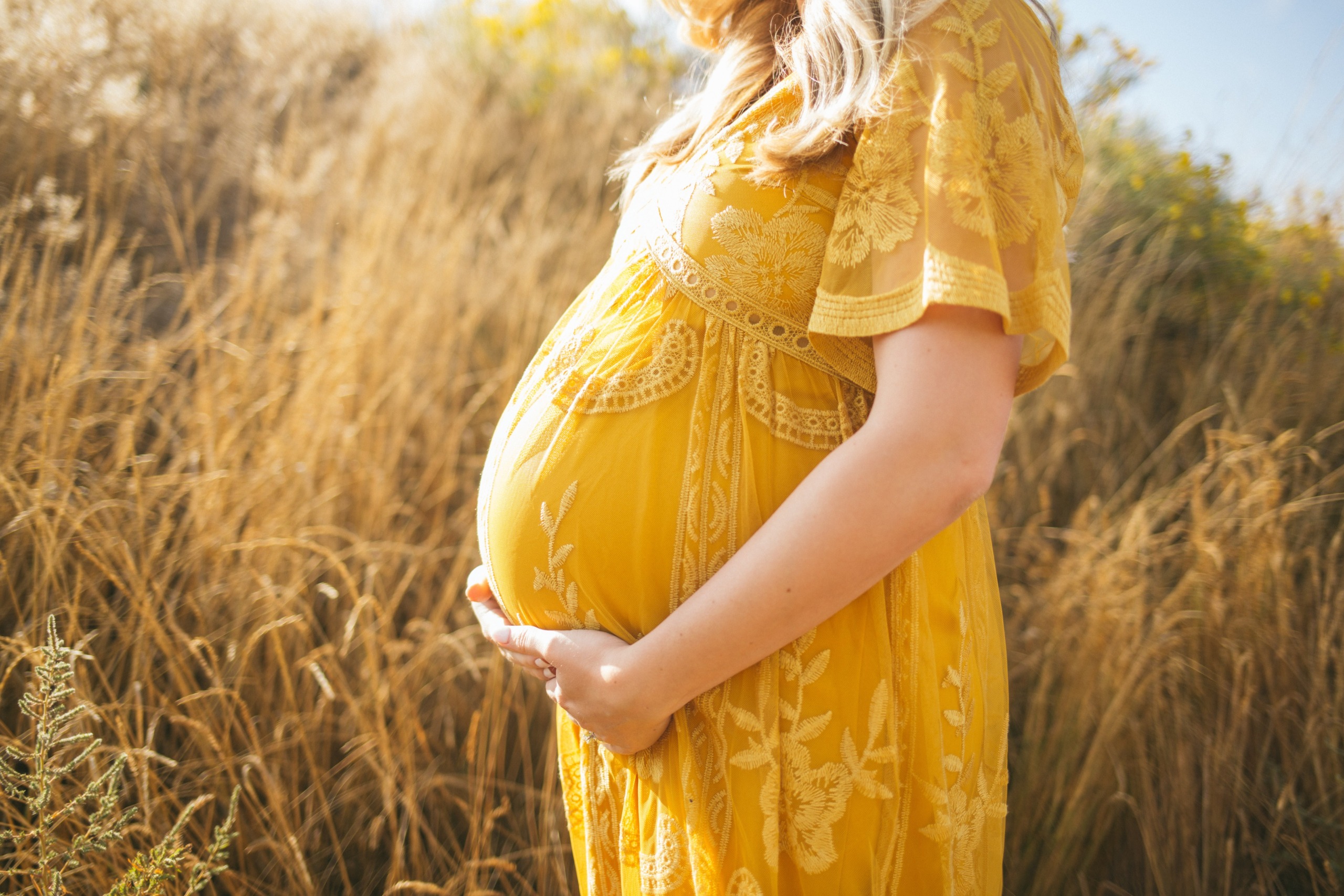
Editor’s Note: The opinions expressed here by the authors are their own, not those of Impakter.com – In the Featured Photo: A pregnant woman standing in the sun. Source: Anna Hecker.