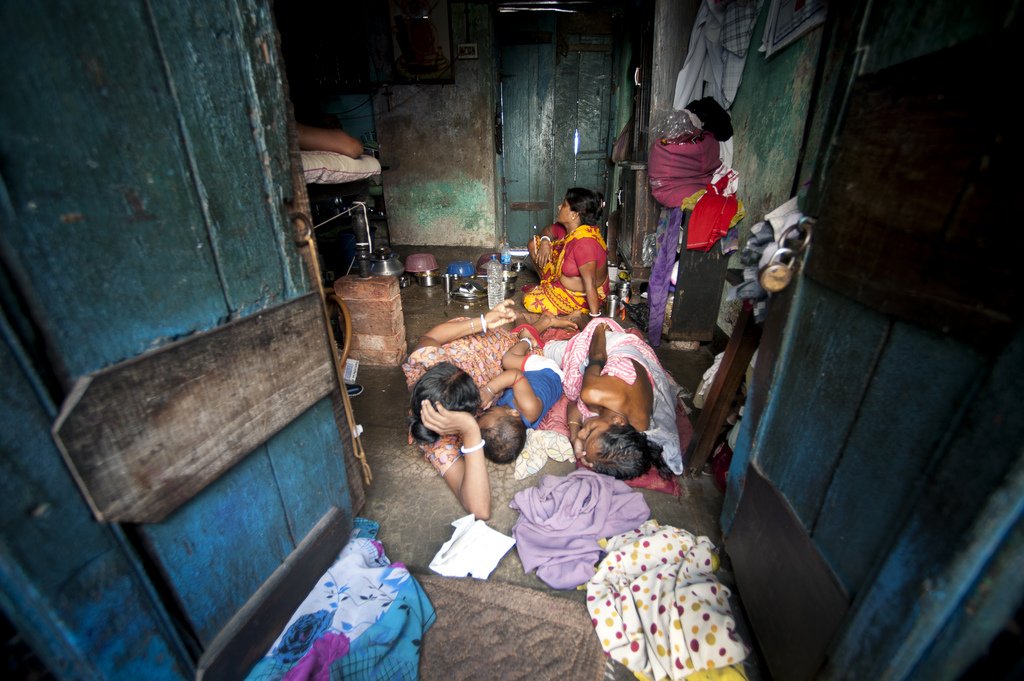
Mismanagement of water resources around the world has meant that today more than one billion people lack access to decent water and risk their lives because of sanitation problems. Causes are multiple and include wasteful irrigation, water leakage, and theft in urban areas and top-down establishment approaches that disregard local needs and eschew community-led approaches based on local, traditional water-management systems.
Venezuela, the South American country best known for its abundant resources, is a case in point. With the world’s largest oil reserves, it is also one of the wealthiest, yet the current situation has reduced the country to third world status. Guri dam, the largest water system in South America, by late April was reported to be 242.07 meters above sea level, just two meters (yards) above the minimum level required for the dam’s turbines to function. The level is now critical. According to Accuweather, since 2013, the average rainfall in populated areas has been at 20-25% of the normal quantity and as low as 15% in other areas. (1)
The El Nino drought, forest fires, and the dust-laden calima wind are all environmental factors that have, on the surface, caused the country’s crisis. However, poor social investment, lack of prevention measures and corruption are ultimately the root causes of the suffering of Venezuelans today. Protests and crime are proliferating and tension is building with the raised fear of government collapse. Hospitals are now like war zones with some hospitals reported to have gone without water and basic supplies for months. The New York Times recent report revealed the harrowing extent of limited supplies and equipment. The death rate amongst “babies under a month old increased more than a hundred-fold in public hospitals run by the Health Ministry” since 2012. The report also highlighted the surgical conditions in which surgeons are being forced to operate; there is no access to basic necessities such as water, gloves and soap and the little or no electricity means vital machines aren’t working. Finding medicine is becoming an impossible challenge. (2)
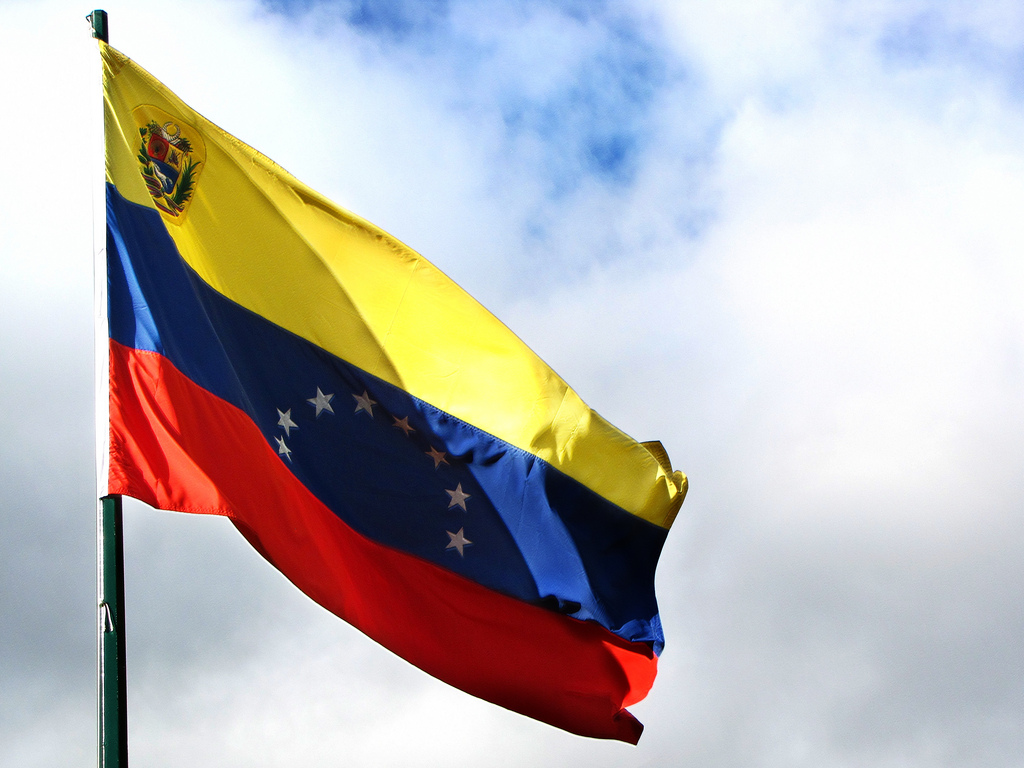
IN THE PHOTO: VENEZUELAN FLAG AT PLAZA ALTAMIRA, CARACAS PHOTO CREDIT: FLICKR/CRISTOBAL ALVARADO MINIC
The lack of water has shed light on how dependent the country is on the natural resource as a means for energy and the devastating consequences to which such an excessive reliance has created. Under the socialist leaders, Hugo Chavez (1999-2013) and today’s Nicholas Maduro, the country has been severely mismanaged at a time when a forward-thinking, resourceful plan needed to be implemented. Climate change is affecting people and the natural ecosystem across the world in many different ways, and although Venezuela has shown potential to lead the way with its tried and tested ideas, corruption and foolhardy investments have meant the country is now digressing at an alarming rate.
The reliance on hydroelectric dams in countries across South America is becoming a source of worry for future generations and highlights the need for diversification in the production of energy as the weather becomes ever more unpredictable.
Promising Changes
Venezuela had previously shown signs of transforming the water dynamic to break down and alter the power relationship between the people and the state. An article in the academic journal, Water international entitled, Popular participation, equity, and co-operation of water and sanitation services in Caracas Venezuela, by Dr R. MacMillan, Dr S. Spronk and Dr C. Caswell highlights some very important changes that have happened since 2009 in different areas of Caracas, an area that has been long affected by water service problems.
Related articles: “THE BATTLE FOR WATER“, “H₂O STORIES: THE UPCOMING WATER CRISIS – ADVICE FROM PROFESSOR MICHAEL KLEIN“
The article offers insights into how Mesas Tecnicas de Agua (MTAs) or Technical Water Communities created “citizen participation in service delivery in the public water and sanitation utility in Caracas.” (3). In other words, the MTAs are a tried and tested means to democratise the production of water, “change power dynamics and “address the structures of oppression that cause “elite capture” (4). The article highlights a positive change when Hugo Chavez was elected in 1999 with water production being his major priority. From the start, MTAs “helped to ensure that people could access water”, for example during the Vargas landslide and the collapse of the El Guano River which resulted in people being without water for several days. The article further underlines that Venezuela, although known for its oil wealth was also, for the first time, leading the way in water resources development and was internationally recognised, for its water “community-managed infrastructure projects” that have peaked to 15,000 projects across the country. This was matched with health improvements including a decrease in infant mortality rates, an increase in general life expectancy and a decrease in poverty rates. Education and housing also saw improvements with the money gained from the country’s oil wealth socially invested. (5)
So what went wrong?
Faltering Hydroelectric Power
Today’s crisis in Venezuela cannot be blamed entirely on El Nino, the drought that is also affecting other neighbouring countries. The similarities in hydroelectric power has meant that Colombia, Brazil, and Chile also face shortages due to the drought. In early April, the Colombian government also had to face the unavoidable situation and ration electricity usage despite having launched a campaign of voluntary reduction. Brazil, with its main hydro-powered dam and other sites facing decreasing water levels, found itself unable to operate the dams.
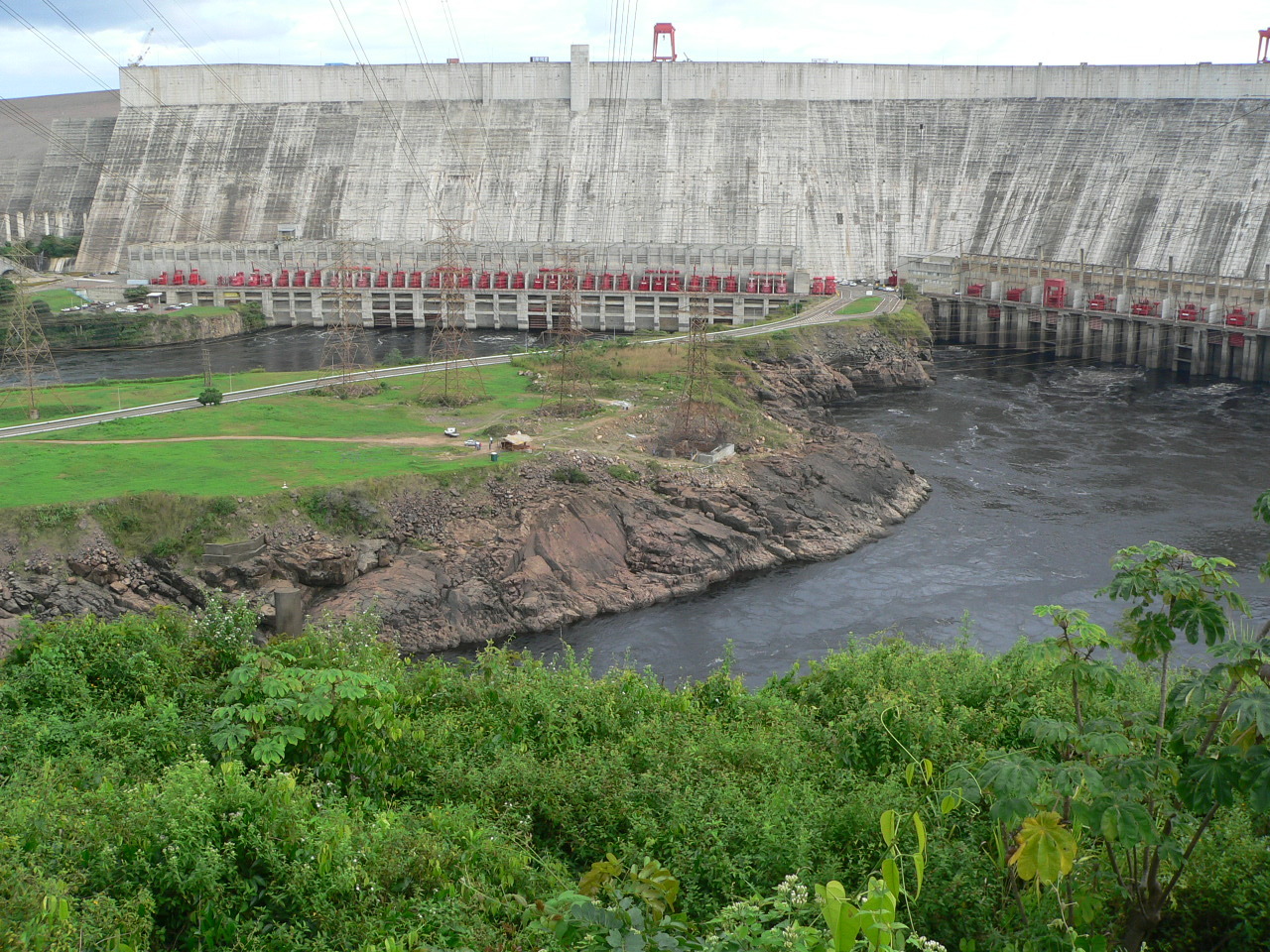
IN THE PHOTO: GURI DAM, ON THE CARONI RIVER, BOLIVAR STATE, VENEZUELA PHOTO CREDIT: FLICKR/JMALDONA
The reliance on hydroelectric dams in countries across South America is becoming a source of worry for future generations and highlights the need for diversification in the production of energy as the weather becomes ever more unpredictable. The Guri Dam on the Caroni River that has created one of the largest freshwater body of water in Venezuela and the eleventh largest man-made lake in the world is drying up and hydropower is faltering. This worrying situation, matched with Venezuela’s economic and political problems, has meant that the drought in the country has gone from extremely problematic to downright detrimental for Venezuelans.
Economic Problems
Venezuelan problems deepened during 2014 when the price of oil collapsed. By 2015, the economy had declined more than 10% and was matched with an inflation increase of up to 275%, the world’s highest rate. This rate is expected to rise to 720% before the year is out with the International Monetary Fund predicting that number could almost double by 2017.
Unfortunately, the government has failed to take the necessary prevention and energy conservation measures. President Maduro has claimed that sabotage from political opponents is partly responsible, but there is no evidence. His attempts to appease the people’s wrath has included imposed rationing, changing the country’s time zone (and then reverting it back, again) and putting all is hope on late rains in the south by the end of May, early June.
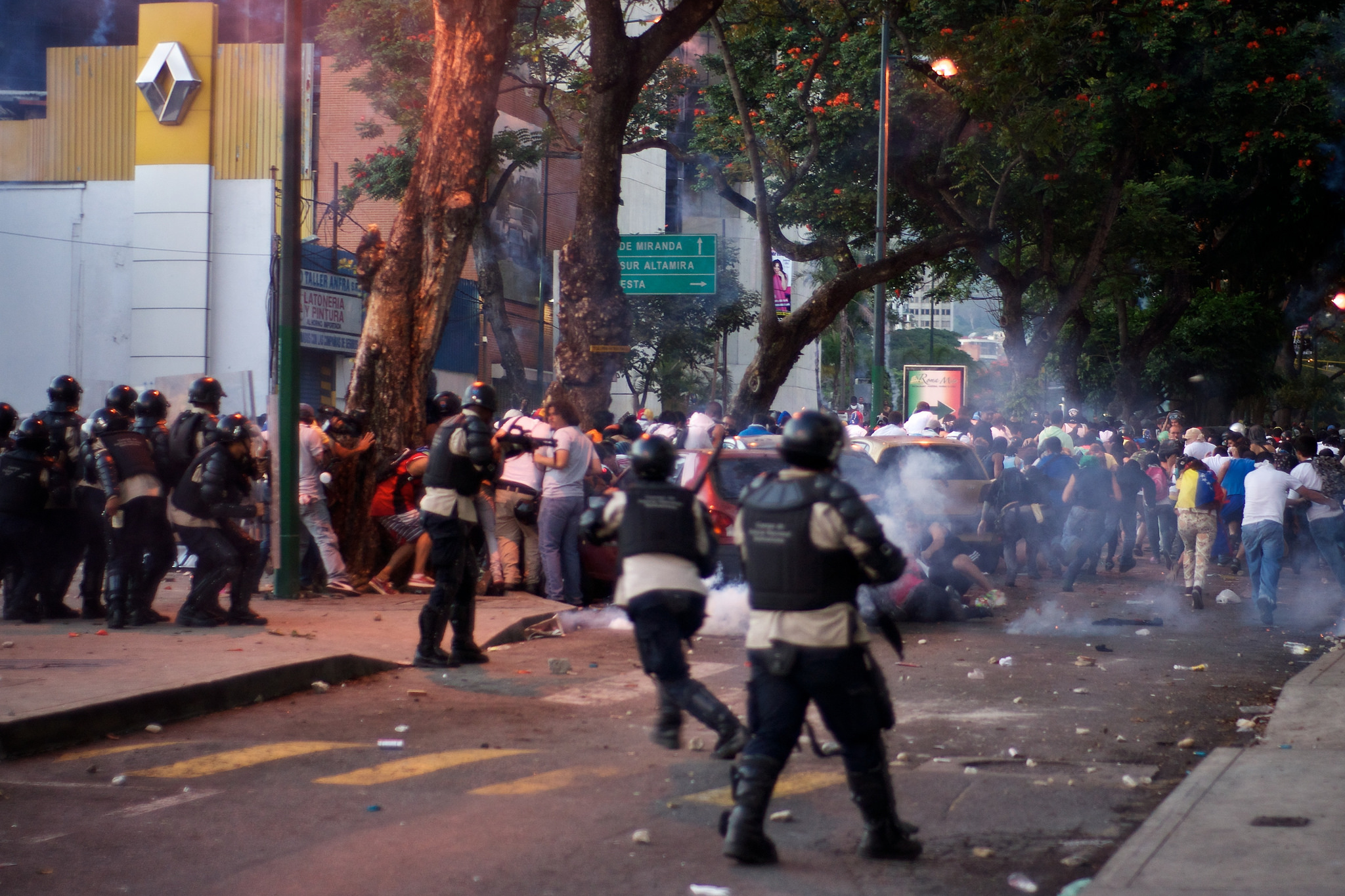
IN THE PHOTO: PROTESTS IN CARACAS, AGAINST PRESIDENT MADURO’S GOVERNMENT, FEBRUARY, 2014 PHOTO CREDIT: FLICKR/AANDRES
Questions are increasingly raised about public infrastructure investments and they are becoming difficult for the socialist government to answer. For example, the $180 million deal concluded with Iran in 2009 that included construction of a new water pipe structure from the mainland to Margarita Island, despite the outlay of funds, has yet to start. Moreover, the huge investment for the improvements of the water grid and power sector have failed to materialize. The Wall Street Journal reported that a high-ranking official commented that “the government routinely overpaid for equipment and for poor quality thermoelectric plants that are unable to offset the decrease in hydroelectric power.”
Unlike other South American countries, Venezuela continues to be highly dependent on the Guri dam that provides up to 70% of the country’s electric power, in spite of the billions invested into prevention measures with the aim of avoiding a repeat of the electricity rationing that had occurred under Hugo Chavez in 2009-10.
For a full mindmap behind this article with articles, videos, and documents see #Venezuela
Catastrophic Consequences
This lack of maintenance and forward planning has meant that Maduro’s temporary measures are putting further strain on the economy. Civil servants are only allowed to work two days per week until the end of May and reduced working and school days are also in place to conserve energy. But this doesn’t help with the huge shortages 30 million people are being forced to deal with.
One Sabana de Guanaco resident had no choice but to block a street to raid trucks for the “precious cargo”, poignantly commenting: “Water is gold now!”
Empty supermarkets and blackouts are a daily occurrence for Venezuelans. Yet the major concerns are the lack of water, the recent dust clouds and the decreasing amount of available medicine, which all concur to make the situation critical. Hospitals are facing chronic shortages with the death toll rising daily as we have seen above, insufficient or total lack of water is intensifying the already dire situation.
The scarcity of water also attracts thieves who reportedly rob water trucks several times a week. When water does become available from the taps, local residents talk of a very yellow, dirty looking substance that is causing illnesses such as diarrhea and skin problems including scabies and folliculitis. The dusty calima wind is also causing respiratory problems on top of stomach problems that cannot be treated without effective medication. One Sabana de Guanaco resident had no choice but to block a street to raid trucks for the “precious cargo”, poignantly commenting: “Water is gold now!” Of course, the slums are the worst hit, but the divide is becoming increasingly smaller between the haves and the have-nots as the drought continues.
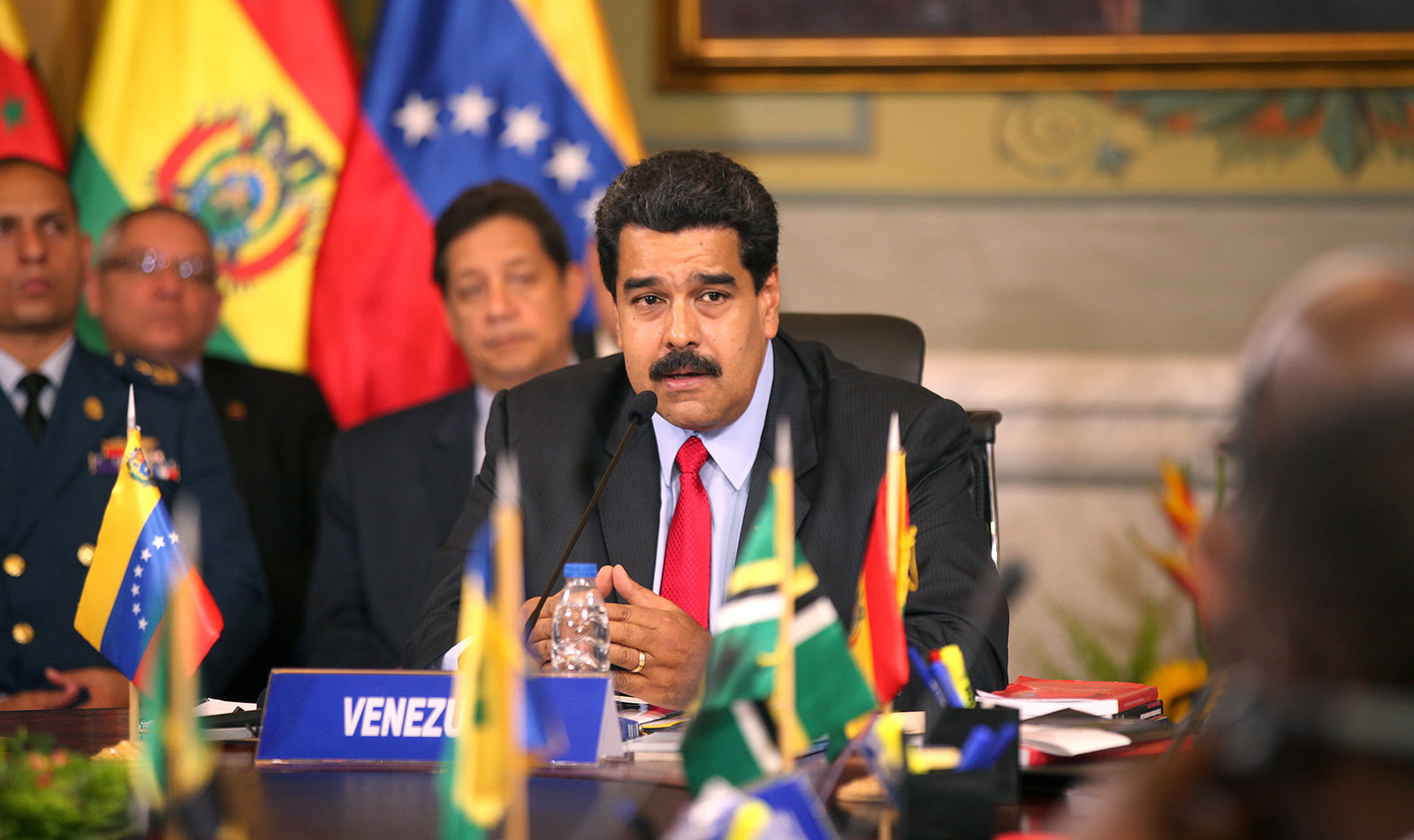
IN THE PHOTO: PRESIDENT NICOLÁS MADURO AT THE INAUGURATION SPECIAL MEETING OF ALBA (RESEARCH FACILITY), 2015 PHOTO CREDIT: FLICKR/LUIS ASTUDILLO
The economic decline is predicted to worsen and the promise of the abundance of rain in the near future may only help ease Venezuela’s desperate situation. Despite Maduro’s opponents winning in the legislative elections back in December, all new legislature to improve social conditions have been blocked by Maduro and his personally selected supreme court. The U.S are increasingly concerned about “economic and political meltdown in Venezuela” and with only the support of 15% of the electorate, Maduro is unlikely to complete his term. President Maduro has accused the United States “of fomenting an undercover coup against him”, resulting in the declaration of a 60-day emergency, but protests are now increasing. (6)
Venezuela has shown how exemplary investment can help develop sustainable water management methods at a time when the world’s climate is rapidly changing. When Maduro recently stated, “It’s difficult to defeat nature”, he was partly right; the planet’s changeable weather conditions is indeed something we inevitably have to face. But Venezuela had the money and the means to also partially counteract its impact. Now, even with the eventual arrival of rainwater, its effects in alleviating the country’s problems is likely to be extremely limited if no long-term management measures are taken, to avoid a repeat of the current, tragic drought.
Footnotes:
(3) Popular participation, equity, and co-operation of water and sanitation services in Caracas Venezuela, Dr R. MacMillan, Dr S. Spronk and Dr C. in Water international, p. 202
(4) Popular participation, p. 203
(5) Popular participation, p. 206
For Reference:
http://www.telesurtv.net/english/news/Drought-Affects-Energy-Across-Latin-America-Not-Just-Venezuela-20160430-0015.html, posted April 30, 2016
http://www.wsj.com/articles/water-shortage-cripples-venezuela-1459717127, posted April 3, 2016
http://uk.businessinsider.com/venezuela-water-and-power-cuts-2016-5?r=US&IR=T
(originally on http://uk.reuters.com/article/venezuela-services-widerimage-idUKL2N1780SR posted May 6, 2016)
http://www.bloomberg.com/news/articles/2016-04-18/yellow-water-dirty-air-power-outages-venezuela-hits-a-new-low
http://www.theatlantic.com/international/archive/2016/05/venezuela-is-falling-apart/481755/
http://affairstoday.co.uk/more-problems-for-venezuela/ Posted May 2, 2016
FEATURED IMAGE: DROP OF WATER PHOTO CREDIT: TIM GEERS, FLICKR
Recommended reading: “DROUGHT RELIEF MAY BE ON THE HORIZON FOR VENEZUELA“
EDITOR’S NOTE: The opinions expressed here by Impakter.com columnists are their own, not those of Impakter.com.
Article about water crisis in Venezuela Instagram.com