The Proposed Law from the European Commission
In 1971, the United Nations Conference on Trade and Development (UNCTAD) asked developed countries to help developing countries integrate into the world economy. The EU responded by launching the Generalised Scheme of Preferences (GSP).
This scheme allows developing nations to avoid paying import duties on products that they export to the EU. It is considered by the EU as a key instrument of trade for reducing poverty, protecting the environment, ensuring good governance, and supporting sustainable development through the promotion of core human and labour rights.
The GSP is a tiered system, with three possible options.
- Standard GSP is for low- and lower-middle income countries and offers a partial or full removal of customs duties on two-thirds of tariff lines.
- GSP+ is a special incentive arrangement for sustainable development and good governance that reduces these same tariffs to 0% for vulnerable low- and lower-middle income countries under the condition that they implement 27 international conventions related to labour and human rights, environmental and climate protection, and good governance.
- EBA (Everything But Arms) is the tier for least developed countries (LDCs), providing them with duty-free, quota-free access to the EU market for all products except arms and ammunition.
Countries must qualify for eligibility for the scheme. They must have an income level below “upper-middle income” as defined by the World Bank, they must not benefit from another arrangement (like a Free Trade Agreement) that grants them preferential access to the EU market, and they must already be on the list of eligible countries.
Currently, the law only includes two “negative conditions,” which can allow the EU to revoke preferred status from these countries. A country committing a “serious and systematic violation” of a core set of human and labour rights principles can trigger this process. It can also be triggered if a country is exporting goods made by prison labour.
There are examples in the past of the EU using these conditions to deny duty-free access to the European market. In 2010, Sri Lank was temporarily suspended from the scheme due to shortcomings in its implementation of three UN human rights conventions.
Sri Lanka’s access to tariff-free trade wasn’t restored until 2017, when a new government claimed to be setting out on a path of major reforms regarding national reconciliation, respect of human rights, the rule of law and good governance principles, as well as sustainable economic development.
However, the country’s implementation of these promises was called into question in June 2021; the EU is expected to announce its decision over Sri Lanka’s continued GSP status early in 2023.
The EU is particularly concerned about Sri Lanka’s controversial Prevention of Terrorism Act (PTA), an anti-terror law that critics have called draconian, and arrests of anti-government protestors by police, especially the detention of three activists under provisions of the PTA.
Cambodia also lost its preferred status in August of 2020, due to “serious and systematic concerns related to human rights ascertained in the country.”
What’s going to change?
In January, the European Commission, the EU’s politically independent executive arm, submitted a proposal recommending the addition to the scheme of more stringent negative conditions.
The first of these conditions would require nations within this scheme to also adhere to a core set of conventions related to the climate, environment and to good governance principles.
Currently, the countries in the GSP+ tier are required to ratify these conventions in order to gain that status (referred to as a “positive conditionality”), but if the new law passes, the countries in the other two tiers will also be monitored on their compliance with these principles, with the potential for their trade status to be revoked if they don’t adhere to them.
The second proposed change would introduce “a withdrawal criterion related to readmission of own nationals by beneficiary countries.”
This means that the EU would be able to suspend a nation’s access to all three tiers of the scheme if they refuse to take back undocumented migrants who tried and failed to seek asylum within the EU.
In 2020, 396,000 immigrants were told to leave Europe, but only 70,000 returned to their home countries. It is believed that this number was lower than usual as a result of the COVID-19 lockdowns’ effect on administrative proceedings in governments worldwide. However, even in 2019, only 29% of immigrants told to leave the EU actually returned home.
Mali, Senegal and Guinea were among countries with the lowest return rates, which means that if the European parliament and member states approve the Commission’s plan, they are most likely to lose their trade privileges.
Related Articles: Immigration Reforms: Germany Prepares to Loosen Regulations for Non-EU Migrants | Europe’s Refugee Crisis Is a Crisis of Humanity, not Migration.
The Commission also suggested a final change to the set of negative conditions, which would ban exports made by either child labour or forced labour, including slavery and prison labour. Currently, only exporting goods made by prison labour can trigger withdrawal.
The proposal includes a few other changes related only to the mechanisms by which the status can be bestowed or withdrawn, including a faster withdrawal mechanism whenever “the exceptional gravity of the violations calls for a rapid response” and assessment of the socio-economic effects of any proposed withdrawal.
The European Parliament’s trade committee still needs to agree to the proposed changes, but is expected to pass next year.
Reactions to the EU’s proposed amendments to the GSP
At its core, these proposals are meant to hold the countries who are financially benefiting from agreements with the EU to a higher standard. Rather than simply not committing human rights abuses, under this law, these countries would also have to ensure that they are abiding by both key environmental conventions and good governance principles in order to benefit from preferred trade status with the EU.
However, the precedent set by this law, which allows ever more stringent conditions to be applied to a trade agreement meant to help spur development, has also been interpreted as a form of financial blackmailing.
When the law was first introduced in April, Heidi Hautala, the MEP in charge of steering the legislation through the parliament, recommended that the commission remove the migration link from the proposal, which has to be agreed by all 27 member states.
“It is toxic. It detracts from the GSP which is supposed to eliminate poverty and promote sustainable development for 2bn people on this earth,” Hautala said in April.
She added that trade should not be a weapon in combating migration.
This proposed amendment to the scheme is generally considered to be a result of the rising wave of anti-immigration sentiment that Europe has experienced in recent years. Many right-wing politicians within the bloc have been attacking the European Union’s migration policies for years, believing their response to the crisis to be an abject failure.
The ambassadors’ approval for this change comes in the wake of the European People’s Party’s call to halt all urgency resolutions from the European Parliament, due to concern over the integrity of the foreign policy positions of the parliament that has resulted from the exposure of “Qatargate.”
However, this position has been criticised by NGOs worldwide. An open letter from the Human Rights and Democracy Network to President of the European Parliament Roberta Metsola states that:
“[H]alting all human rights activities of the European Parliament while sweepingly calling into question the integrity and contribution of all civil society organizations in EU policy-making would be solely in the interest of perpetrators of human rights abuses, to the detriment of their victims.”
Some have argued that blocking the “brain drain” of emigration is a tough love approach. The idea is that, by forcing countries to keep the citizens who are seeking opportunity elsewhere, they can rely upon a greater pool of potential talent.
Some European countries are perhaps familiar with the challenging but crucial question of how to retain citizens in order to facilitate development, when those who can choose to go elsewhere will.
However, asylum seekers are not analogous to intra-bloc migrators in Europe, and deciding who should take responsibility for those who have tried and failed to claim asylum outside of their native country is a complex issue.
Nonetheless, if the EU is allowed to impose ever more specific and stringent conditions on duty-free access to their market, one must be careful to discern the moment when the GSP scheme stops being a means for the development of poorer nations and starts being a mechanism by which Europe can financially control other countries based on its own political whims.
The past few weeks have made it clear that corruption can easily worm its way into the EU’s legislative body, so it might be wise to remember that the precedent set by this proposal sits on the edge of a slippery slope.
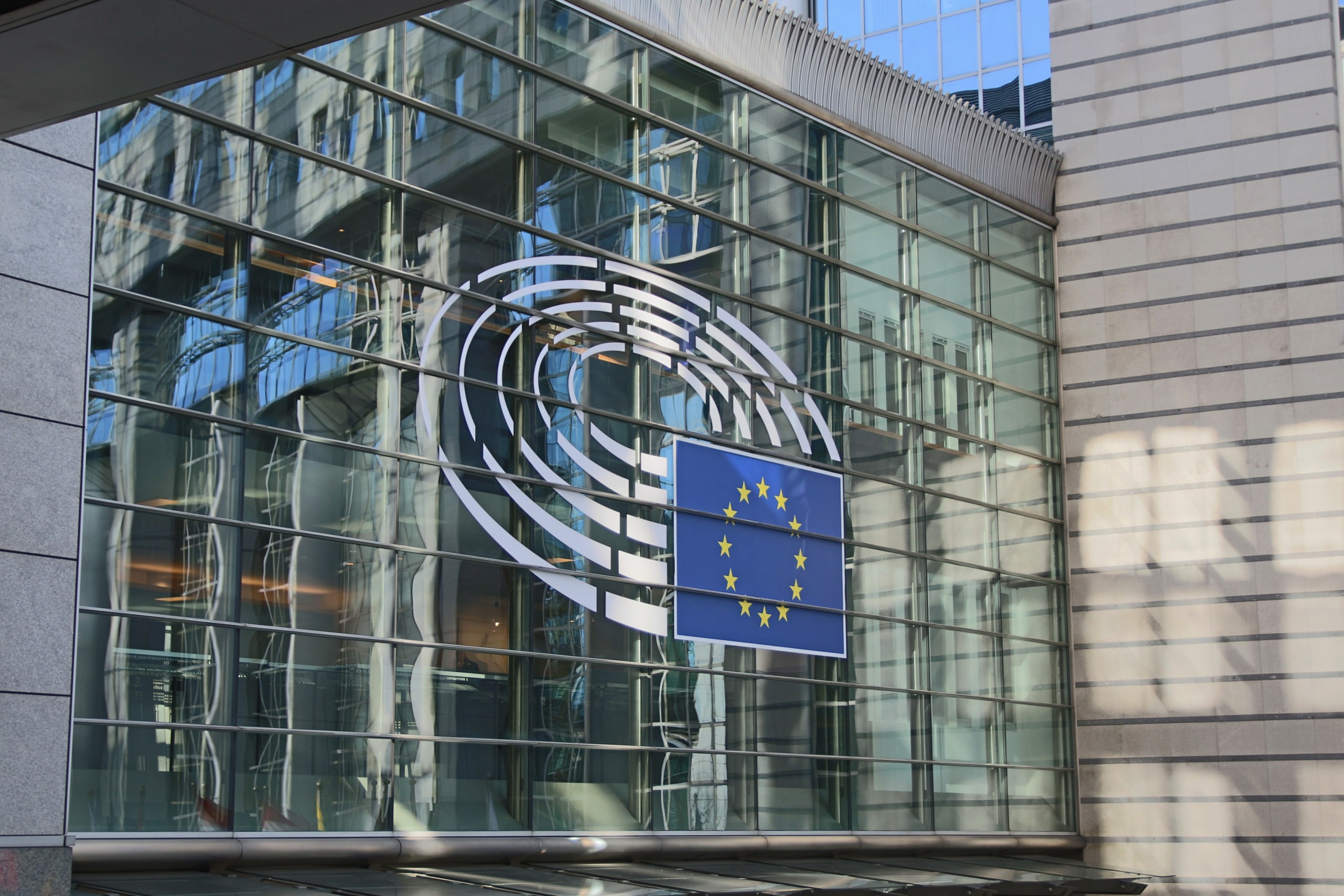
Editor’s Note: The opinions expressed here by the authors are their own, not those of Impakter.com — In the Featured Photo: European Parliament ‘Paul Henri-Spaak’ building Featured Photo Credit: Guillaume Perigois.