
Today’s ESG Updates:
- Eskom Inks 7% Wage Deal Amid Historic Turnaround: South Africa’s Eskom finalized a binding 7% wage increase following its first profitable year.
- Workers at 200 TotalEnergies Stations Go on Strike Over Fuel Prices: French workers are striking at 200 TotalEnergies stations, demanding higher wages to offset fuel costs.
- Mast Reforestation Sells Out Carbon Credits to Fund Wildfire Recovery: Mast Reforestation rapidly sold 4,277 carbon credits to major buyers to finance post-wildfire forest restoration.
- Japanese Firms Prep For J-Credit Trading as CO2 Limits Loom: Around 110 Japanese businesses are entering the national carbon credit market before strict emission limits.
Eskom inks 7% wage deal amid historic turnaround
South Africa’s state owned electricity company, Eskom, has finalized a three-year wage agreement, guaranteeing workers a 7% annual pay raise starting in July. This increase comfortably exceeds the country’s current 3% inflation rate.
The contract is legally binding because two major unions have signed it, representing over 75% of the workforce. However, a third party, the National Union of Metalworkers of South Africa (NUMSA), rejected the deal. They are demanding an 8% raise for the first year, and have threatened to organize protests.
The new agreement arrives during a major turnaround for Eskom. After years of causing severe nationwide blackouts and suffering massive financial losses, the utility company has recently stabilized its power grid and reported its first annual profit in eight years.
***
Further reading: South Africa’s Eskom announces three-year wage deal with 7% annual increase
Workers at 200 TotalEnergies stations go on strike over fuel prices
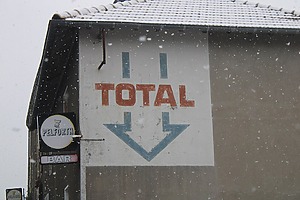
On Friday, workers at roughly 200 TotalEnergies service stations in France went on strike to protest soaring fuel prices and demand higher wages. Organised by CGT union, the strike targets the company subsidiary, Argedis, and coincides with the start of the spring school holidays, creating closures at several motorway stations.
Employees who earn an average of €1600 per month rejected the management’s €15 to €40 monthly fuel allowance offer, demanding €100 instead to cover surging commuting costs due to the tensions in the Middle East and volatile oil prices. CGT union leader Sophie Binet criticized the oil giant for failing to support its staff during the price hike, and called for an increase to the national minimum wage.
Despite the strike, TotalEnergies reported that only 4% of their domestic network was directly affected
***
Further reading: TotalEnergies workers strike in France over fuel prices
Klimado – Navigate climate complexity with a user-friendly platform that tracks global and local environmental changes for ESG-conscious decision-making. Perfect for investors, companies, and policymakers seeking actionable insights on sustainability trends.
Mast Reforestation sells out carbon credits to fund wildfire recovery

Mast Reforestation successfully sold all 4,277 carbon removal credits from their new Montana project in just under six weeks, to major buyers like Bain & Company, BMO, and RBC. Instead of the traditional way of burning trees that damage wildlife, they found a new and a better way, burying them. This technique prevents damaging gases from being released and makes the soil ready for future growth. The project received official certification after 9 months of development. The funds raised from these carbon credits are now directly paying for the restoration of 900 acres of forest land ruined by a severe 2021 fire. After their success with this project, Mast Reforestation is planning on launching new projects.
***
Further reading: Mast Reforestation Sells Out Carbon Credits from U.S. Reforestation Project in 6 Weeks

Japanese firms prep for J-Credit trading as CO2 limits loom

Around 110 Japanese businesses, including Mitsui Sumitomo Insurance and Panasonic, are preparing to enter the national carbon credit market. The shift anticipates new government regulations launching next autumn. , which will set strict CO2 limits for major industrial polluters. Companies exceeding their limits must buy ‘J-Credits’ or face financial penalties.
These credits are earned through environmentally friendly initiatives, such as adopting electric vehicles, installing solar panels, or using energy-saving appliances, and can be traded on the Tokyo Stock Exchange. High oil prices, linked to global conflicts, are also accelerating this corporate shift toward green energy.
However, a significant challenge remains: experts predict a severe shortage of available credits, with demand expected to exceed supply by roughly one million tons. Despite contradictory national policies regarding coal use, the programme aims to replicate the carbon-reduction success seen in European markets.
***
Further reading: From insurance to rail sector, 110 Japan firms join emissions credit market
Editor’s Note: The opinions expressed here by the authors are their own, not those of impakter.com — In the Cover Photo: Johannesburg skyline. Cover Photo Credit: Wikimedia Commons