Today’s ESG Updates
- EPA Cuts Solar Grants for Low-Income Communities: Trump administration moves to cancel $7B “Solar for All” initiative, cutting access to solar power for low-income U.S. households.
- Africa Urges Focus on Critical Minerals for Energy Transition: Africa Finance Corporation pushes shift from emissions reduction to mining minerals essential for clean energy tech.
- India’s Coal Consumption Sees Sharp Decline: Surge in renewables and hydropower drives India’s coal reliance down from 75% to 64.3%.
- BlackRock’s Waratah Super Battery Powers Up in Australia: $648M mega battery begins operations, pushing Australia into global battery leadership.
Klimado – Navigating climate complexity just got easier. Klimado offers a user-friendly platform for tracking local and global environmental shifts, making it an essential tool for climate-aware individuals and organizations.
Trump administration cuts funding for solar power in low-income communities
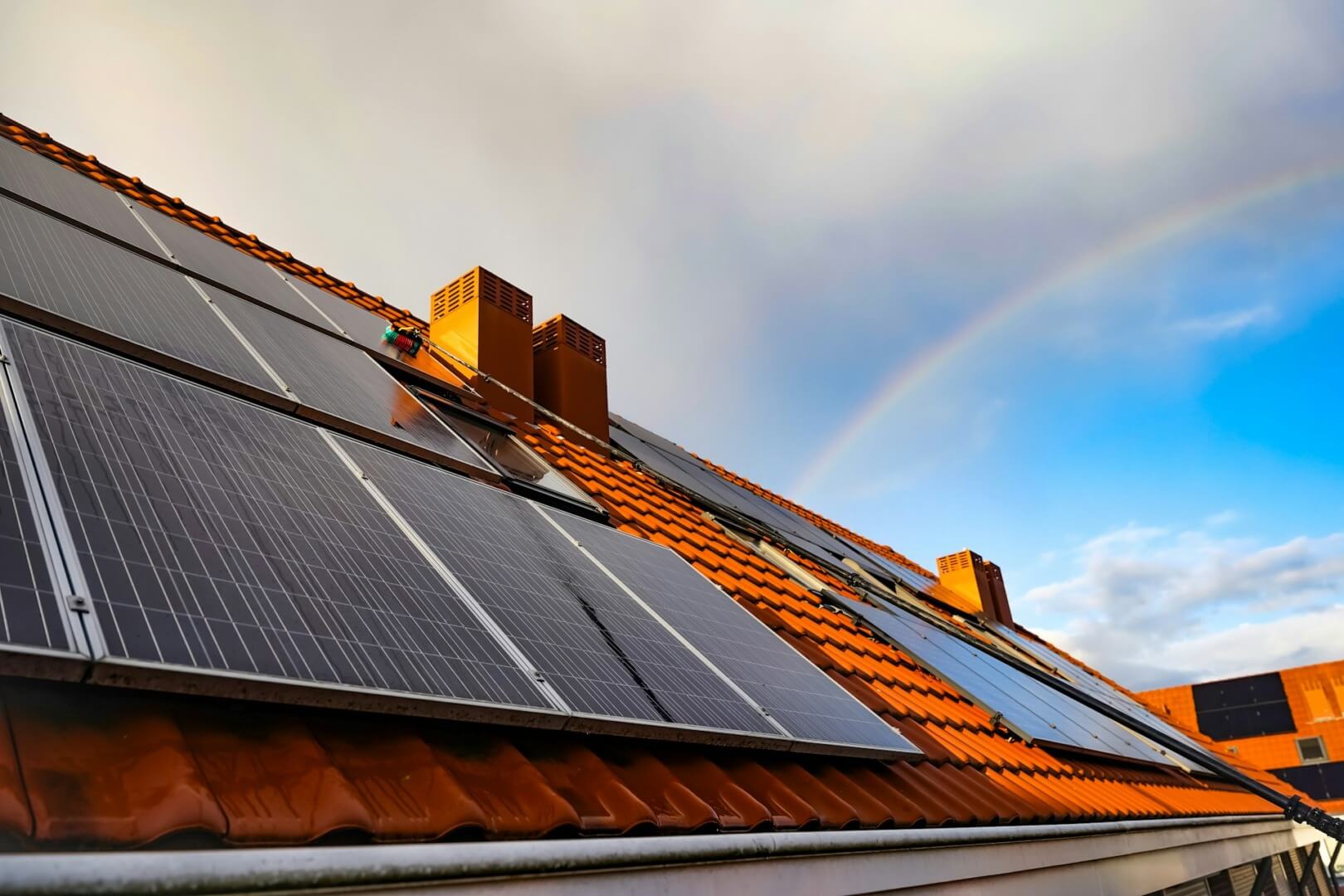
The Environmental Protection Agency is seeking to cancel $7 billion in federal grants for a Biden-era project called “Solar for All.” The project would aid in the installation of solar panels for low- and moderate-income families across the United States. The “Solar for All” project was also intended to strengthen community solar programs, expanding solar access to those who rent and cannot install a solar panel of their own. The Biden administration estimated that under this initiative, 900,000 homes would have access to solar energy. Kym Meyer, litigation director at the Southern Environmental Law Center, a legal nonprofit in the U.S., said, “If leaders in the Trump administration move forward with this unlawful attempt to strip critical funding from communities across the United States, we will see them in court.”
***
Further reading: E.P.A. Moves to Cancel $7 Billion in Grants for Solar Energy
Africa Finance Corporation encouraging shift of focus to critical minerals

Five hundred seventy million people, of the 680 million people worldwide without access to electricity, are located in sub-Saharan Africa. On Wednesday at the Financing Africa Forward Summit in Johannesburg, Samaila Zubairu, CEO of the Africa Finance Corporation, said that the continent should shift its focus toward critical minerals in the energy transition. Africa’s greenhouse gas emissions currently account for less than 4% of the world’s total. Zubairu said, “We can’t stop emissions that we don’t make.” Critical minerals will be vital to the energy transition, and Africa is strategically positioned to supply many of these minerals. Corporations focused on the energy transition should consider ESG solutions to achieve their net-zero targets.
***
Further reading: Africa’s Critical Minerals Key to Clean-Energy Drive, AFC Says
India sees steep decline in coal production and consumption
India, the world’s second-largest producer and consumer of coal, has seen a sharp decline in coal use over the past four months. The decrease in demand is primarily related to a continuous rise in renewable and hydro energy sources. Typically, coal-powered energy accounts for 75% of India’s electricity generation. This July, demand was only 64.3%. Power plants across India are utilizing coal from existing inventories and avoiding fresh purchases from state-run Coal India. Coal inventories in power plants have fallen 13%. Partha Sarathi Bhattacharya, a former chairman of Coal India, said, “Adequate inventories and no risk of a coal shortage have helped power plants reduce buying from Coal India.” Renewable energy has seen a 14.4% increase in India, and hydropower has grown by 22.4%. Through adding solar and wind capacity, India is on track to continue reducing coal use.
***
Further reading: Indian power plants tap stockpiles, cut purchases as coal use slides
BlackRock’s Waratah Super Battery begins operations in Australia

BlackRock-owned Akaysha Energy has commenced operations on its new super battery in Australia. The A$1 billion ($648 million) Waratah Super Battery is expected to have the world’s largest power output, supplying over 1 million homes with enough energy for an hour. The government has currently activated 350 megawatts (MW) of the 850 MW capacity. This new battery installation has propelled Australia into the top five for large-scale battery use. Akaysha’s CEO, Nick Carter, stated that batteries are now more important than ever to stabilize the grid. Several other battery projects have been financed and are currently under construction. Companies can make smart, sustainable investments with the help of ESG tools.
***
Further reading: Australia Activates Blackrock’s A$1B Super Battery Which Will Be World’s Most Powerful
Editor’s Note: The opinions expressed here by the authors are their own, not those of impakter.com — Cover Photo Credit: Joshua Bowers