Today’s ESG Updates
- Wind Power Delivers £104bn UK Savings: UCL study shows wind lowered power bills and eased gas prices from 2010-2023, even after subsidies.
- PayPal and OpenAI Chat-to-Checkout Launch: ChatGPT adds instant PayPal checkout; sellers can complete purchases in chat.
- EU Resumes Probe of Universal Downtown $775M Deal: Brussels sets Feb 6 deadline amid competition concerns for indie labels.
- Germany’s Hydrogen Plan Needs a Reset: Audit office says 2030 green H2 targets are off track; high costs and weak demand threaten budgets.
UCL: Wind Power Cut UK Energy Costs by £104bn
Wind power has cut at least £104.3bn from UK energy costs since 2010, according to a University College London study. Researchers estimate wind generation directly reduced electricity bills by about £14.2bn and, by cutting demand for gas and new gas plants, lowered gas costs by roughly £133.3bn. After accounting for £43.2bn in green subsidies levied on electricity bills, the net saving still totals £104bn for 2010-2023. The study excludes the extreme gas price spike that followed Russia’s 2022 invasion of Ukraine. UCL academics argue the UK should reform its market so electricity prices no longer track gas, reflecting cheaper wind and solar. Industry groups say larger auction budgets are needed to secure new projects, while the government plans to buy “the right amount of clean power at the right price.” The finding reframes wind as a high-return national investment, not a cost.
***
Further reading: Wind power has cut £104bn from UK energy costs since 2010, study finds
PayPal and OpenAI Launch “Chat-to-Checkout” in ChatGPT
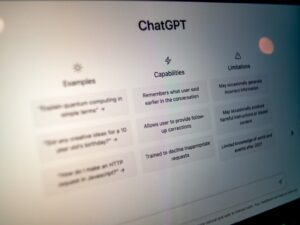
PayPal and OpenAI are teaming up to let people purchase products directly inside ChatGPT. The integration adds instant checkout with PayPal, including wallet access to bank, balance, and cards. Buyers will also be able to track orders and file disputes without leaving the chat. For merchants, PayPal will handle routing, payment validation, and orchestration behind the scenes, making “millions” of products available in ChatGPT. The deal builds on OpenAI’s early e-commerce moves, including “Buy it in ChatGPT” with Etsy sellers, planned integrations for more than 1 million Shopify merchants, and an open source Agentic Commerce Protocol that powers multi item shopping carts. PayPal has announced separate AI shopping partnerships with Google and Perplexity. Rollout will be phased by market, and fees were not disclosed. The result is less friction between discovery and purchase, plus a new in chat sales channel for brands.
***
Further reading: New PayPal, OpenAI deal means customers can buy directly on ChatGPT
Klimado – Navigating climate complexity just got easier. Klimado offers a user-friendly platform for tracking local and global environmental shifts, making it an essential tool for climate-aware individuals and organizations.
EU Resumes Probe of Universal’s $775M Downtown Music Deal

EU antitrust regulators have restarted their investigation into Universal Music Group unit Virgin Music Group’s $775 million acquisition of Downtown Music, setting February 6, 2026 as the new decision deadline. The European Commission paused the review on September 2 while awaiting additional information from the parties and resumed the process on October 17, according to its case log. The watchdog has warned the deal could hamper competition by removing an important independent player—concerns echoed by indie labels urging Brussels to block the transaction. Universal says the tie-up would streamline operations and improve quality control. The Commission can clear the deal (with or without remedies) or open an in-depth probe if initial concerns persist. The transaction also awaits U.S. approval. Today’s restart keeps the merger on a tight timeline as labels and distributors weigh the impact of further consolidation across distribution, recordings, and services.
***
Further reading: EU resumes scrutiny of Universal’s Downtown deal, sets February 6 deadline

Germany’s Hydrogen Plan Needs a Reset, Audit Office Warns

Germany’s federal audit office says the country’s hydrogen strategy is falling short and needs a “reality check” to avoid missing 2030 targets for domestic green-hydrogen production. In a new report, President Kay Scheller notes both supply and demand—especially in steel—remain far below expectations despite billions in subsidies. Without changes, Germany will miss its output goals, and imports won’t fill the gap. The watchdog also flags affordability: permanently propping up green H₂ could strain the budget, with import-related costs alone estimated at €3–€25 billion by 2030. Green hydrogen—made via electrolysis using renewable power—is a pillar of Germany’s decarbonization plans for heavy industry, but high costs, slow project delivery, and limited offtake are holding back scale. The audit office urges policy adjustments to match real-world economics and accelerate demand creation while safeguarding public finances.
***
Further reading: Germany’s hydrogen strategy requires overhaul to meet 2030 targets, audit office warns
Editor’s Note: The opinions expressed here by the authors are their own, not those of impakter.com — Cover Photo Credit: Luo Lei