Today’s ESG Updates
- Geopolitical Tensions Rise as Icebreaker Race Accelerates: Melting Arctic ice has triggered global competition for resources and influence.
- U.S. Refinery Creates “Green” Fuel Amid Deforestation Concerns: A Texas refinery turning animal fat into jet fuel is facing scrutiny for sourcing from illegally cleared rainforest in the Amazon.
- Aston Martin Wins Sustainability Award: The British automaker was recognized for its “Racing. Green” ESG roadmap, committed to zero landfill waste and ethical supply chains.
- Australia Commits $6 Billion to Climate Resilience by 2030: In response to growing climate disasters, Australia will invest in bushland conservation, flood mitigation, and the net-zero transition.
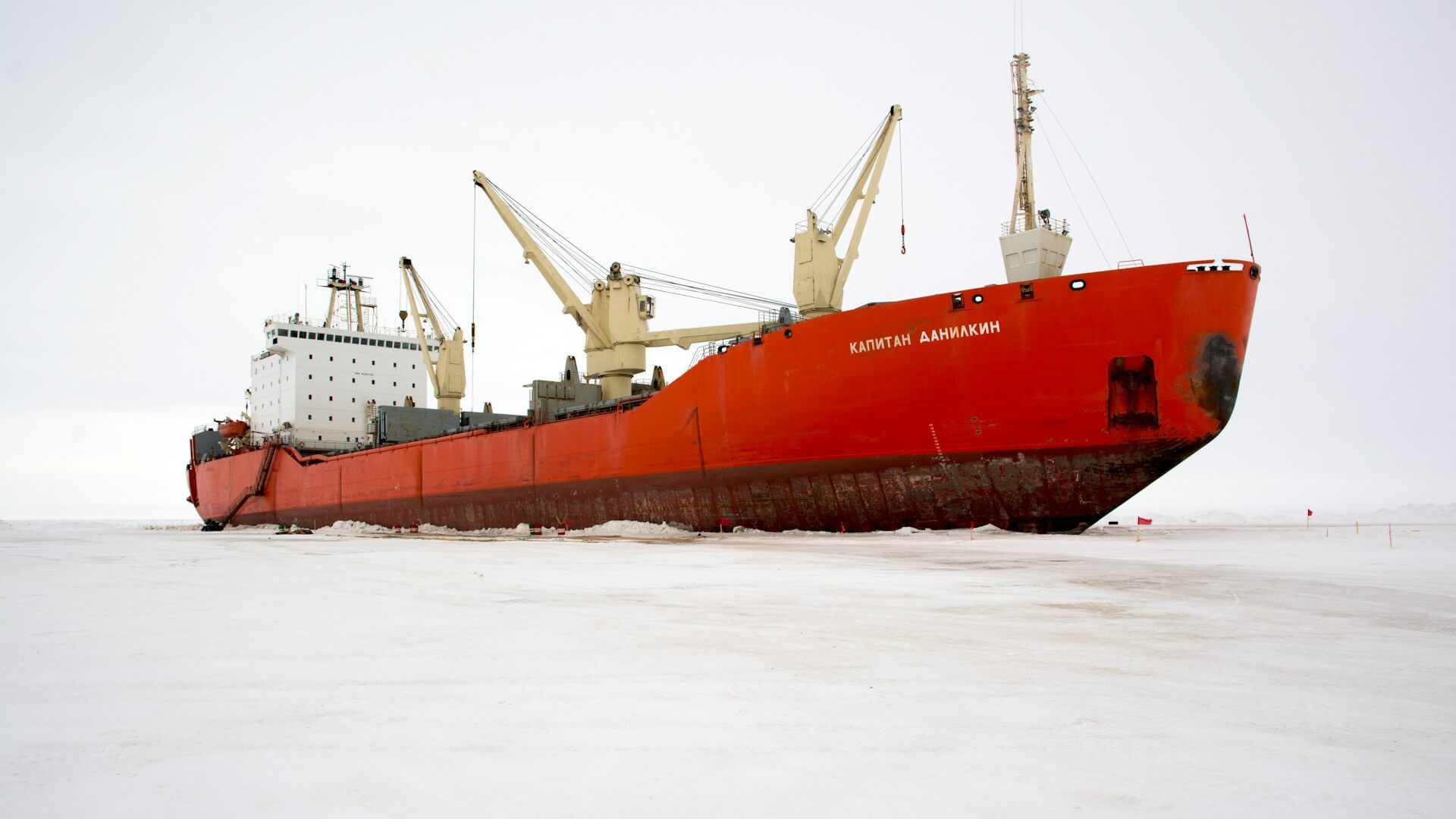
Icebreakers causing geopolitical tensions as Arctic exploration heats up
As ice in the polar region melts, countries from every corner of the globe are looking to the Arctic for gas and oil resources, new shipping routes, and military surveillance. With China and Russia building up icebreaker fleets, the U.S. and Canada are beginning to invest in ships of their own. Russia currently has 47 icebreakers, with 15 under construction. A new icebreaker is being produced in Finland, using about 10,000 tonnes of the metal before being sent across the Atlantic to Quebec for completion. U.S. President Donald Trump seeks to add 48 more icebreakers to the current fleet of three. As geopolitical tensions around the northern polar region grow, Canada finds itself in a precarious position, torn between the U.S. as its biggest threat and strongest ally.
***
Further reading: Nations Aiming for Arctic Power Can’t Get Enough of These Ships
Cattle fat transformed into ‘sustainable’ fuel alternative

A Diamond Green Diesel refinery in Port Arthur, Texas, in the United States, is transforming cattle fat, also known as tallow, into a “sustainable” alternative for traditional, petroleum-based jet fuel. Valero Energy, an American fuel refiner, has partnered with Darling Ingredients, a U.S.-based corporation focused on recycling animal waste into sustainable goods. The companies have invested millions of dollars into the Texas refinery, and Diamond Green Diesel has collected more than $3 billion in U.S. tax credits, making it a leader in green fuel alternatives. However, the animal fat used to create these biofuels is purchased from cattle raised in the Amazon rainforest on illegally cleared ranches, according to a Reuters investigation. Pedro Piris-Cabezas, an economist for the Environmental Defense Fund, said that an increase in demand for cattle fat “could result in the expansion of herds and directly or indirectly drive deforestation and forest degradation.”
***
Further reading: How a Texas refinery turns Amazon-destroying cattle into ‘green’ jet fuel
Klimado – Navigating climate complexity just got easier. Klimado offers a user-friendly platform for tracking local and global environmental shifts, making it an essential tool for climate-aware individuals and organizations.
Aston Martin’s ESG strategies are leading the automotive industry

At Sustainability Magazine’s Global Sustainability Awards 2025, British car manufacturer Aston Martin won the Enterprise Company of the Year Award. The award highlighted Aston Martin’s commitment to ESG strategies, specifically the company’s “Racing.Green” ESG roadmap. The company is focused on transparency, with its initiatives clearly outlined in its most recent sustainability report. According to the report, the automaker has achieved zero waste to landfill in some of its manufacturing facilities and is strengthening its resource efficiency. The company also practices responsible materials management, focusing on ethical sourcing throughout the supply chain. Companies committed to strong ESG strategies should consider ESG tools for guidance.
***
Further reading: How is Aston Martin Becoming a Leader in ESG Strategies?

Australia to make $6 billion climate investment
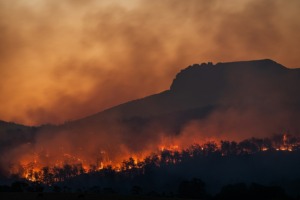
Australia has pledged A$9 billion ($6 billion) through 2030 to advance climate adaptation initiatives. As the country prepares for more extreme climate hazards, the investment will go toward bushland conservation, agricultural assistance, and flood mitigation, while also funding the country’s net-zero transition and the health impacts of climate change. According to the country’s first National Climate Risk Assessment, Australia is on track to lose A$40 billion (almost $27 billion) annually due to climate disasters. Martina Linnenluecke, director of the Centre for Climate Risk and Resilience at the University of Technology Sydney, said, “The findings highlight that adaptation to these risks is no longer optional but an urgent requirement, particularly given that risks do not occur in isolation but cascade across multiple sectors, which is amplifying impacts.” Firms seeking guidance amidst constantly changing climate adaptation initiatives can rely on ESG solutions.
***
Further reading: Australia Pledges $6 Billion by 2030 to Tackle Climate Hazards as Disaster Risk Rises
Editor’s Note: The opinions expressed here by the authors are their own, not those of impakter.com — In the Cover Photo: Icebreaker ship in Russia Cover Photo Credit: Dmitrii Tropinin