Today’s ESG Updates:
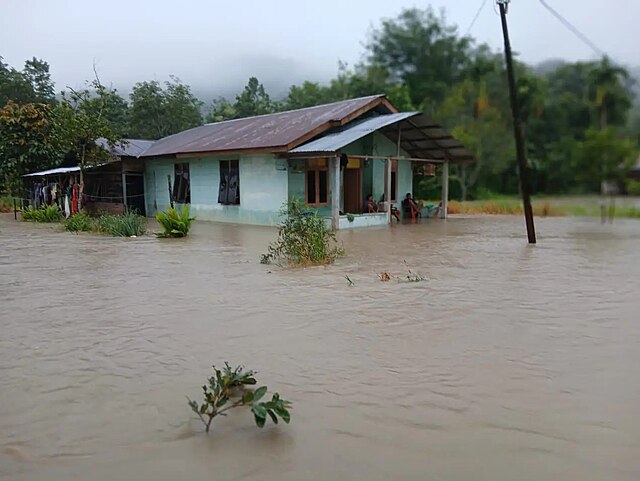
- More than 700 Lives Lost in Recent Indonesian Floods: A combination of mass deforestation and heavy rainfall causes huge flooding and more than 700 lives lost thus far.
- Glencore Slashes 1,000 Jobs for Cost-Cutting Drive: The firm plans to cut jobs yet increase production as the price of copper reaches record highs of $11,400 per tonne.
- Trump Proposes Slashing Fuel Efficiency Standards: Trump argues it can lower consumer costs and protect the American auto industry.
- Vulcan Energy (VE) Receives $2.57bn in Funding for Lithium Project: VE targets 24,000 tonnes of lithium hydroxide monohydrate (LHM) per year over the next ~30 years.
Indonesians blame deforestation for Sumatra floods
A tropical storm in the Malacca Strait killed over 800 people across Indonesia, Malaysia, and Thailand. In Indonesia, the storm triggered landslides and floods that buried homes and swept dozens of logs ashore, crippling rescues. Residents like 62-year-old Reliwati Siregar blame deforestation, saying, “The rain did cause the flood, but it’s impossible for it to sweep away this much wood… Those raindrops do not cause wood to fall.“ Local leader Gus Irawan Pasaribu lamented the ignored protests over forest licences. “If our forests were well-preserved… it would not have been this terrible.” Global Forest Watch cited 1.6 million hectares of tree cover gone from 2001 to 2024, and island-wide 4.4 million hectares lost from palm oil, mining, and the China-funded 510MW Batang Toru hydropower plant (due 2026), as NGOs like JATAM blamed “upstream ecosystem… destruction by extractive industries”. Authorities are now investigating eight unnamed companies through a task force.
***
Further reading: ‘Mischievous hands’: Indonesians blame deforestation for devastating floods
Glencore plans to boost copper production despite job cuts

Against a backdrop of copper prices hitting a record of more than $11,400 per tonne, Glencore plans to boost annual copper production to about 1.6 million tonnes by 2035, even as it cuts its 2026 output target and continues a multi‑year production slump. Included in this expansion plan is a $9.5 billion new mine in Argentina, including restarting a mothballed operation in the same country and slashing 1,000 jobs as part of a sweeping operational review to cut costs and improve performance. The company first expects to produce 810,000 to 870,000 tonnes of copper in 2026, down from its previous goal of 930,000 tonnes following setbacks at Chile’s Collahuasi mine. Despite this, Glencore is sticking to a medium‑term goal of 1,000,000 tonnes by 2028 and will restart the Alumbrera mine as part of its mainly brownfield expansion plan.
***
Further reading: Glencore Promises Copper Expansion But Cuts Target for 2026
Klimado – Navigating climate complexity just got easier. Klimado offers a user-friendly platform for tracking local and global environmental shifts, making it an essential tool for climate-aware individuals and organisations.
Trump proposes slashing fuel efficiency standards for US cars

Trump’s administration is moving to swiftly to weaken the Biden administration’s fuel economy rules, proposing standards that would require new cars to average about 34 mpg (miles per gallon) by 2031, versus roughly 50 mpg under existing regulations, as part of what Trump calls a plan to “reset” rules he blames for “significant upward pressure on car prices.” The proposal, to be unveiled with CEOs from the Detroit Big Three at the White House, would have the National Highway Traffic Safety Administration revise down standards for model years 2022–2031, reclassify many crossovers/SUVs as passenger cars, and roll back earlier penalties and assumptions on rapid EV adoption. Trump argues the changes will “lower costs for American consumers” and “protect American auto jobs” even as critics warn it will increase gasoline use and emissions compared to Biden’s rules.
***
Further reading: Trump proposes slashing fuel efficiency standards for passenger cars

Vulcan Energy secures $2.57bn for Europe’s biggest lithium project yet

Germany’s Upper Rhine Valley, allowing the board to approve a final investment decision and move “from development phase into execution phase” within days. Phase One will build an integrated facility targeting 24,000 tonnes of lithium hydroxide monohydrate (LHM) per year plus 275 GWh of renewable power and 560 GWh of heat over an expected ~30‑year life, backed by 10 years of full offtake agreements with Europe-focused buyers. The funding stack includes €1.18bn in senior debt from a syndicate of 13 institutions, including the European Investment Bank (EIB). CEO Cris Moreno called Lionheart a “lighthouse project for Europe” that will “redefine lithium production”, delivering “Europe’s first fully domestic and sustainable lithium value chain” and a “clean and reliable” energy source for local communities and the industrial sector.
***
Further reading: Vulcan Energy secures $2.6bn financing package for lithium project
Editor’s Note: The opinions expressed here by the authors are their own, not those of impakter.com — In the Cover Photo: A flooded house in North Tapanuli Regency, North Sumatra. Cover Photo Credit: Wikimedia Commons