Impakter
  • Environment
    • Biodiversity
    • Climate Change
    • Circular Economy
    • Energy
  • FINANCE
    • ESG News
    • Sustainable Finance
    • Business
  • TECH
    • Start-up
    • AI & Machine Learning
    • Green Tech
  • Industry News
    • Entertainment
    • Food and Agriculture
    • Health
    • Politics & Foreign Affairs
    • Philanthropy
    • Science
    • Sport
  • Editorial Series
    • SDGs Series
    • Shape Your Future
    • Sustainable Cities
      • Copenhagen
      • San Francisco
      • Seattle
      • Sydney
  • About us
    • Our Story
    • Team
    • Partners
    • Write for Impakter
    • Contact Us
    • Privacy Policy
No Result
View All Result
  • Environment
    • Biodiversity
    • Climate Change
    • Circular Economy
    • Energy
  • FINANCE
    • ESG News
    • Sustainable Finance
    • Business
  • TECH
    • Start-up
    • AI & Machine Learning
    • Green Tech
  • Industry News
    • Entertainment
    • Food and Agriculture
    • Health
    • Politics & Foreign Affairs
    • Philanthropy
    • Science
    • Sport
  • Editorial Series
    • SDGs Series
    • Shape Your Future
    • Sustainable Cities
      • Copenhagen
      • San Francisco
      • Seattle
      • Sydney
  • About us
    • Our Story
    • Team
    • Partners
    • Write for Impakter
    • Contact Us
    • Privacy Policy
No Result
View All Result
Impakter
No Result
View All Result
Environmental crime directive

Environmental Crime Directive Given More Teeth to Protect Wildlife

byHumane Society International /Europe
February 29, 2024
in Biodiversity

The European Parliament has approved the revised Environment Crime Directive, strengthening the EU’s approach to addressing environmental crime. This decision, endorsing the compromise agreement reached between the Council of the European Union and the European Commission in November 2023, marks a significant step towards better protecting wildlife and habitats.

The updated legislation equips authorities with enhanced tools to tackle serious environmental offenses and deter criminals, including wildlife traffickers. Humane Society International/Europe welcomes the European Parliament’s adoption of the revised Environment Crime Directive as a positive step to ensure better protection of wildlife and the environment.

Environmental crime stands as the third most lucrative organised criminal activities in the world, growing at a rate of 5%-7% per year. It contributes significantly to biodiversity loss, increases the risk of zoonotic diseases, and has serious negative socio-economic impacts, particularly in countries where animals and wildlife products are sourced.

Despite its considerable profitability, detecting, prosecuting, and penalizing environmental crime offenses has proven to be challenging.

A 2019-2020 evaluation revealed that the effectiveness of the initial EU Directive (2008) addressing environmental protection via criminal law was limited. Few cases resulted in sentences, imposed sanctions were too low to deter criminals, and cross-border cooperation was not consistently occurring. Recognising these shortcomings, the European Commission presented in 2021 a proposal aimed at enhancing the effectiveness of the Directive.

“The revised Environmental Crime Directive, although not perfect, does respond to societal demands for environmental crime to be taken more seriously. The legislation will now allow more stringent penalties to be imposed on those who commit the most serious criminal offences against the environment, and will hopefully serve as a deterrent to all those considering partaking in crimes against animals, such as wildlife trafficking,” said Dr Joanna Swabe, senior director of public affairs for Humane Society International/Europe, adding:

“We also warmly welcome the fact that underwater noise pollution has been included in the list of criminal offences. This poses a significant threat to the welfare of marine mammals, especially cetaceans, since it disrupts their ability to communicate and navigate properly. We are glad that this threat to marine wildlife has been recognised.”


Related Articles: Engaging the ‘Unusual Suspects’: An Interview With Azzedine Downes | Women in Conservation: How Jackie Bubi Fights Wildlife Crime in East Africa | From Wildlife Trafficking Rehab to Bushfires – an Australian Vet Nurse’s Story | Women in Conservation — Azzedine Downes Shares His Views

Over the past few years, HSI/Europe has worked closely with other animal and environmental protection organisations to ensure that the EU legislation on environmental crime, which was originally passed in 2008, was significantly strengthened. Amongst other things, the revised Environmental Crime Directive now:

  • Introduces common sanction levels for both natural and legal persons.
  • Provides a far more comprehensive list of environmental offences to be criminalised in Member States than in the original legislation, although fails to include one the most lucrative environmental crimes, namely illegal, unreported and unregulated fishing.
  • Includes Annex C species of the EU Wildlife Trade Regulations, thereby broadening the scope of the Directive to cover, for example, threatened endemic species.
  • Offers additional tools for national prosecutors through legal guidance and national strategies.
  • While stopping short of using the term ecocide, it introduces a “qualified offence” for the most serious environmental crimes, which cause widespread and substantial damage to the environment that could be irreversible or long-lasting.
  • Enables the involvement of civil society organisations and ordinary citizens to help combat environmental offenses, effectively asserting their legitimacy in exposing environmental crimes and marking a first step toward protecting them from intimidation or litigation when reporting such crimes or assisting investigations.
  • Strengthens data collection provisions to assist Member States’ reporting practices.
  • Recognises the need for enhanced specialisation, training and resources for competent enforcement and judicial authorities.

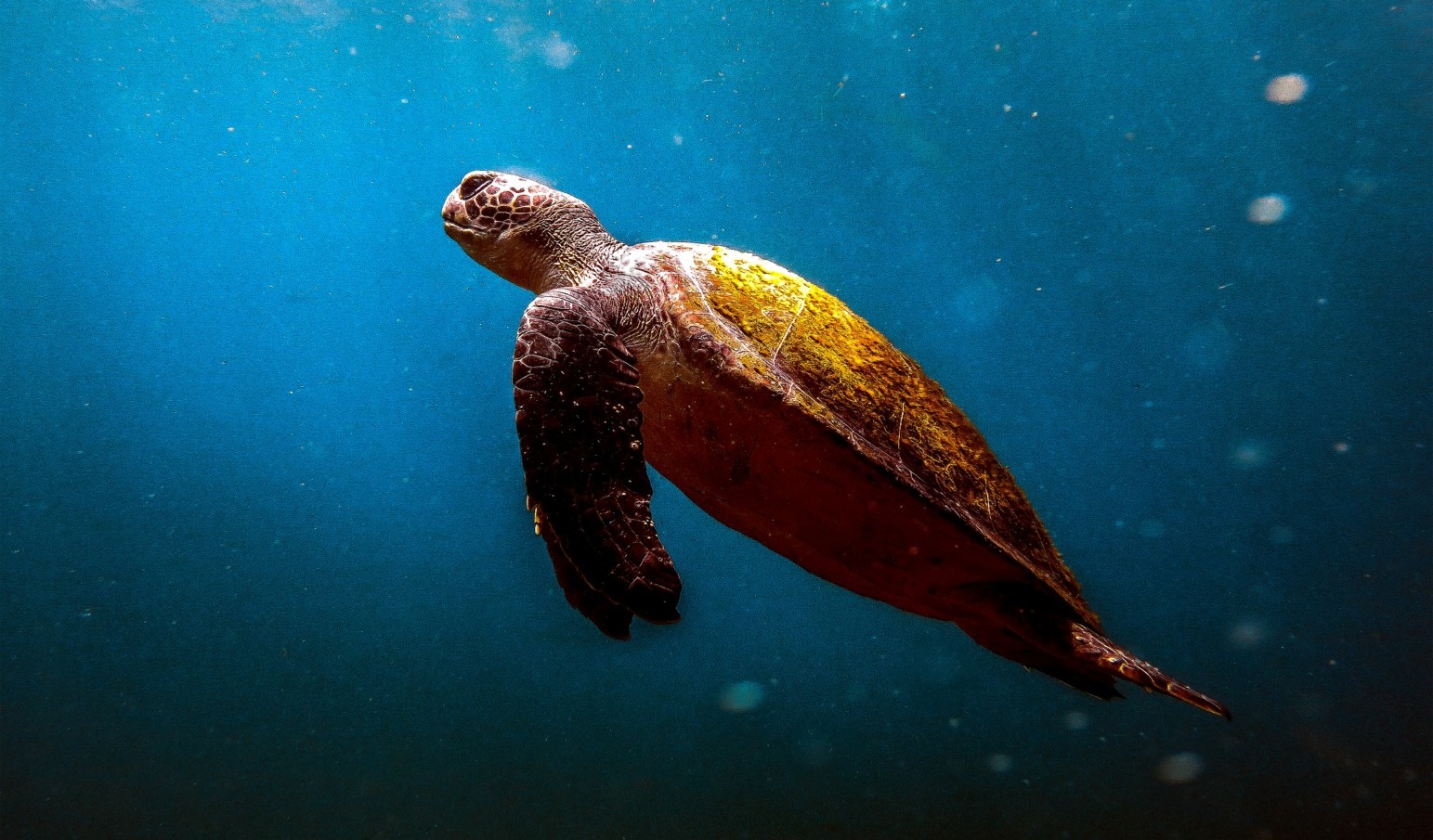
Editor’s Note: The opinions expressed here by the authors are their own, not those of Impakter.com — Featured Photo Credit: PEDRO FERNANDES.

Share: Facebook X LinkedIn
Tags: biodiversityBiodiversity LossEnvironment Crime DirectiveEnvironmental crimeHumane Society InternationalHumane Society International/Europewildlifezoonotic diseases
Previous Post

Our Online World Is Getting Angrier, Is It by Circumstance or Design?

Next Post

Embedding Sustainability in Business Operations Pays Off, Study Finds

Related Posts

Aerial view of sand mining operations with machinery and patterned landscape in Reads Landing, MN.
Biodiversity

Inside the Global Sand Gap

May 15, 2026
Two orange and yellow mushrooms surrounded by grass
Biodiversity

20% of Soil Species At Risk of Extinction, Study Finds

May 7, 2026
How Georgia Made One Health a Priority
Biodiversity

How Georgia Made One Health a Priority

April 28, 2026
Next Post
sustainability businesses

Embedding Sustainability in Business Operations Pays Off, Study Finds

Related News

ESG news regarding free carbon permits to fertiliser producers, Australia loosening sustainability disclosures for small businesses, Meloni pushing for new energy regulation, and India slowing hiring due to AI

EU Considers Carbon Permits to Fertiliser Manufacturers

May 19, 2026
ESG news regarding Germany’s climate target concerns, China’s rising solar exports, Southeast Asia’s growing energy demand from data centres and EVs, and renewed lithium investment at Utah’s Great Salt Lake.

Germany Risks Missing 2030 Climate Targets

May 18, 2026

Impakter informs you through the ESG news site and empowers your business CSRD compliance and ESG compliance with its Klimado SaaS ESG assessment tool marketplace that can be found on: www.klimado.com

Registered Office Address

Klimado GmbH
Niddastrasse 63,

60329, Frankfurt am Main, Germany


IMPAKTER is a Klimado GmbH website

Impakter is a publication that is identified by the following International Standard Serial Number (ISSN) is the following 2515-9569 (Printed) and 2515-9577 (online – Website).


Office Hours - Monday to Friday

9.30am - 5.00pm CEST


Email

stories [at] impakter.com

By Audience

  • TECH
    • Start-up
    • AI & MACHINE LEARNING
    • Green Tech
  • ENVIRONMENT
    • Biodiversity
    • Energy
    • Circular Economy
    • Climate Change
  • INDUSTRY NEWS
    • Entertainment
    • Food and Agriculture
    • Health
    • Politics & Foreign Affairs
    • Philanthropy
    • Science
    • Sport
    • Editorial Series

ESG/Finance Daily

  • ESG News
  • Sustainable Finance
  • Business

About Us

  • Team
  • Partners
  • Write for Impakter
  • Contact Us
  • Privacy Policy

© 2026 IMPAKTER. All rights reserved.

No Result
View All Result
  • Environment
    • Biodiversity
    • Climate Change
    • Circular Economy
    • Energy
  • FINANCE
    • ESG News
    • Sustainable Finance
    • Business
  • TECH
    • Start-up
    • AI & Machine Learning
    • Green Tech
  • Industry News
    • Entertainment
    • Food and Agriculture
    • Health
    • Politics & Foreign Affairs
    • Philanthropy
    • Science
    • Sport
  • Editorial Series
    • SDGs Series
    • Shape Your Future
    • Sustainable Cities
      • Copenhagen
      • San Francisco
      • Seattle
      • Sydney
  • About us
    • Our Story
    • Team
    • Partners
    • Write for Impakter
    • Contact Us
    • Privacy Policy

© 2026 IMPAKTER. All rights reserved.