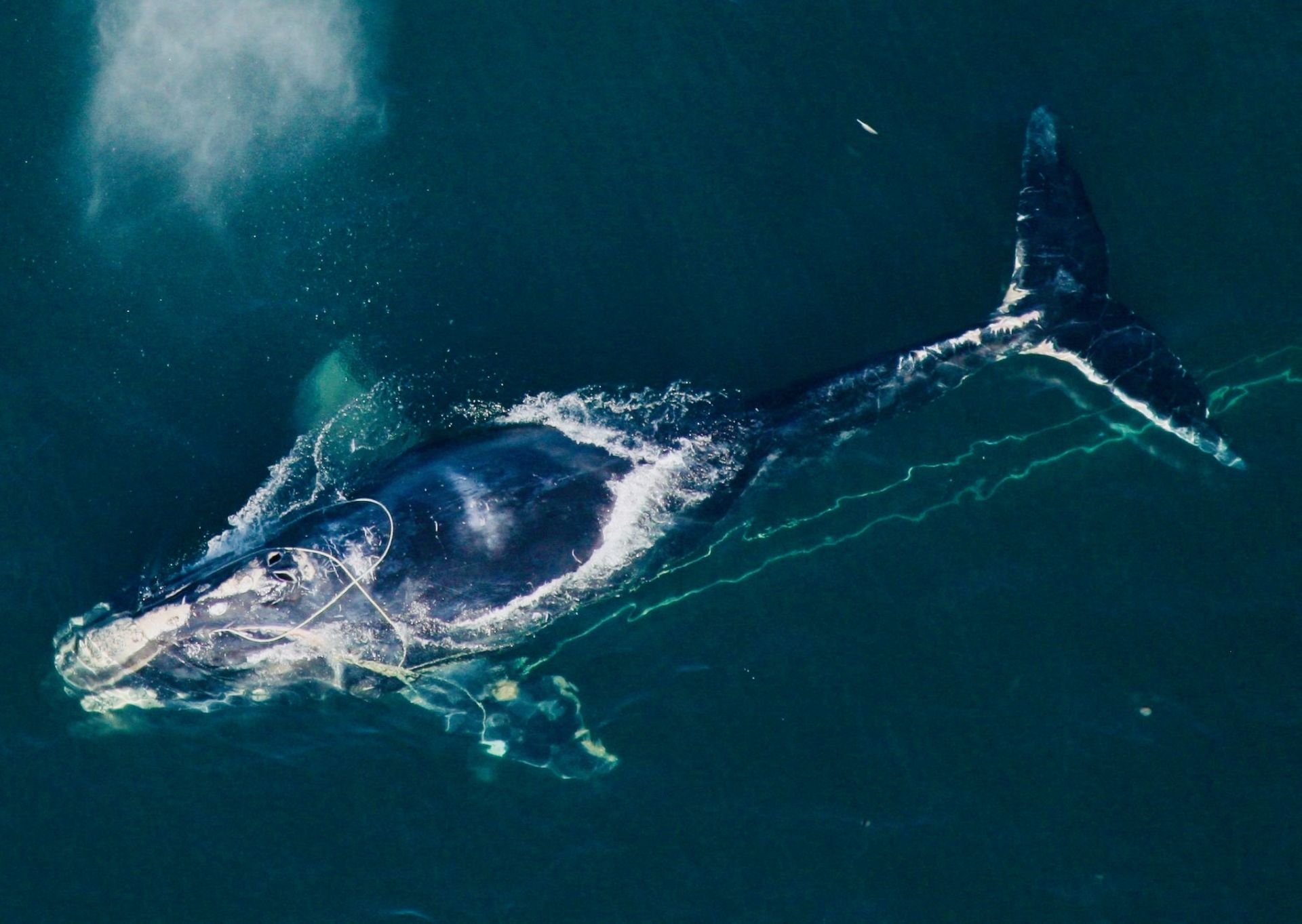

The documentary “Entangled” follows campaign efforts to save the critically endangered North Atlantic right whale. Through a combination of stunning visual and informative debate director David Abel takes a hyper-localised look at the impact of global warming on our oceans and in turn the livelihoods of an entire lobster fishing industry.
Caught in the crossfire are the National Oceanic and Atmospheric Administration (NOAA), mandated to protect both North America’s most lucrative fishery — which generates more than $1.5 billion for Maine’s economy alone — and the iconic, endangered right whale.
The documentary follows as its members attempt to find a balance between these competing interests. Through this lens, “Entangled” takes a nuanced look at the unintended consequences that climate change and wildlife conservation can have on human lives.
The film is the third in a series of insightful wildlife documentaries (“Lobster War”, “Sacred Cod”) from the same makers and has already amassed a string of high-profile awards. This includes the 2020 Jackson Wild award and the 2021 John de Graaf Environmental Filmmaking Award.
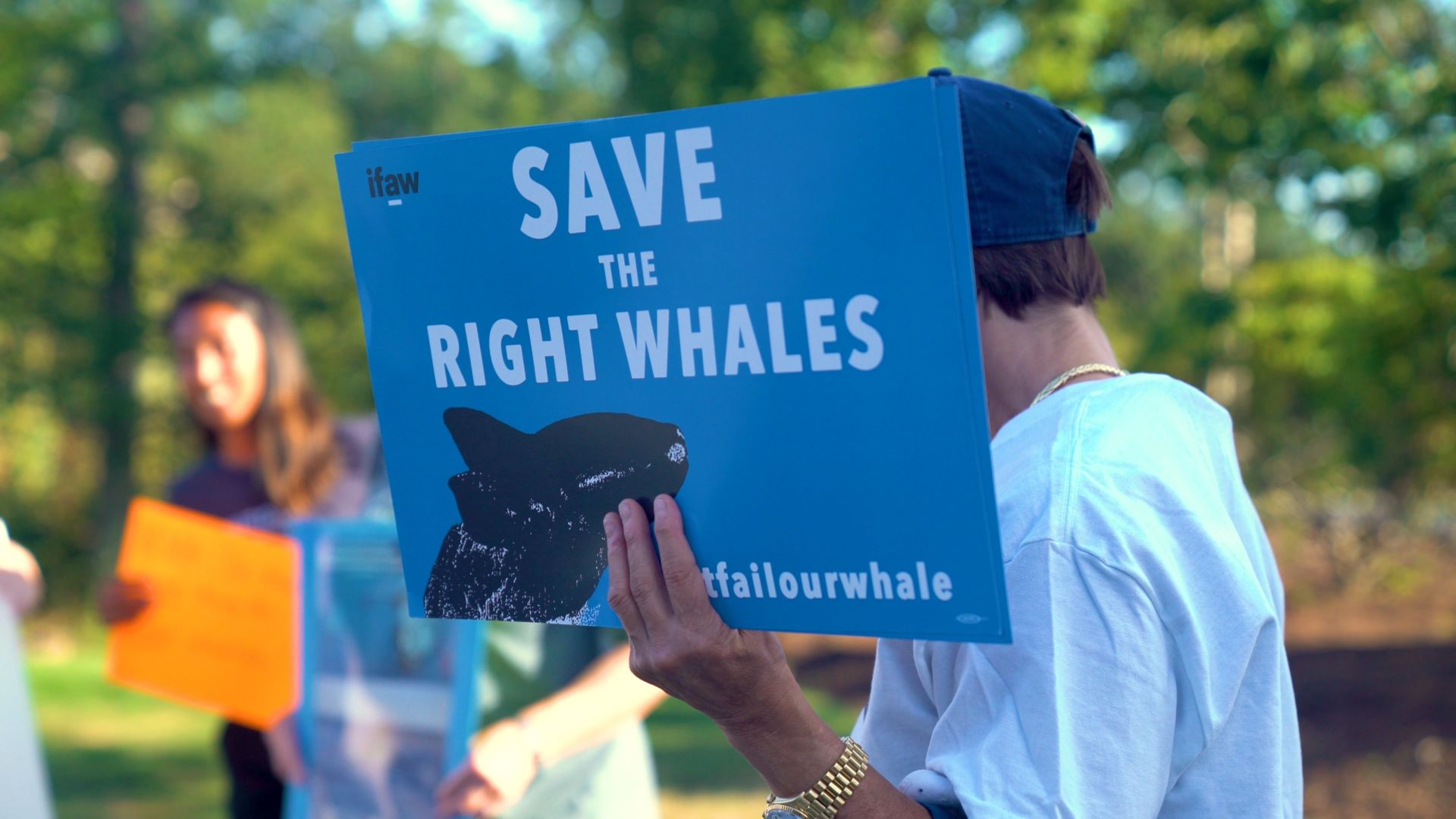
It also received strong support from a leading campaigner in the right whale conservation effort, the International Fund for Animal Welfare (IFAW), which participated in the film and helped to promote it.
Described in the film as “one of the wonders of the living world,” the North Atlantic right whale is now in danger of becoming the first whale in modern history to go extinct. At the species’ current rate of decline, scientists say it could disappear within the next two decades.
Historically, the North Atlantic right whale had been hunted to near extinction for millennia. However, with the banning of whaling in 1935 under the Marine mammal protection act and the implementation of ship strike regulations, the population had begun to tentatively recover until 2010, when numbers began to drop again.
Related Articles: When Humans Are the Cause, Humans Must Be the Solution| Lost and Abandoned Fishing Gear is Killing Thousands of Marine Animals Every Year
Now the species is yet again amongst the most endangered on the planet. NOAA officials calculate that to maintain a sustainable population, no more than one premature death a year can be allowed to occur.
And yet, this number has been exceeded every year for the last two decades. Human interference has been overwhelmingly responsible. Despite having been known to live for 70 years, nowadays very few right whales get the chance to reach this age.
There have been two right whale deaths reported already this year. The first was one of the 15 calves born this calving season. The body was found stranded off the coast of Florida on Feb. 13 and showed obvious signs of trauma from a vessel strike.
Less than a month on, an 11-year-old male nicknamed Cottontail was also reported dead. The whale had been suffering from a severe fishing entanglement for over four months. Rescue attempts had been made by both the Center for Coastal Studies and IFAW but they were unsuccessful.
Within the last 10 years, the right whale population has dropped by 20%. A record-high death toll of 17 deaths was recorded in 2017 whilst 2019 saw 10 right whales die. Although, research suggests this number could be much higher. One recent study found that observed carcasses accounted for only 36% of all estimated deaths between 1990 and 2017.
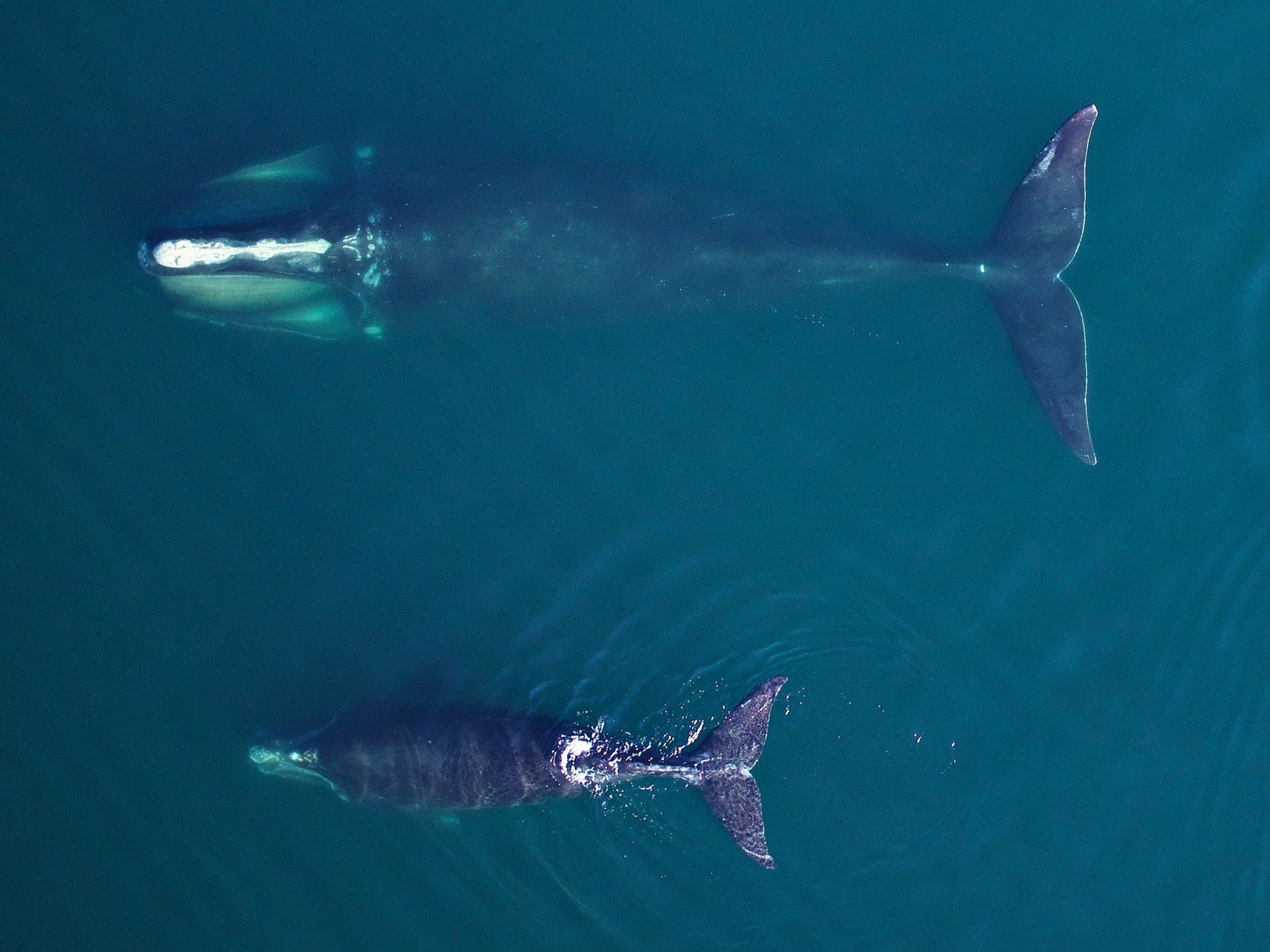
Accompanying this death toll is a plummeting rate of reproduction. No calves were born in 2018 — an unprecedented circumstance. Estimates suggest there are only 356 right whales left, and of that number, only around 77 are reproductive females. This has catastrophic implications for the population’s chances of “bouncing back” without drastic intervention.
Entanglement in fishing gear poses the most pervasive threat, with the millions of fishing lines in primary fishing grounds creating a perilous obstacle that can both maim and kill the whales.
The danger is so common that 83% of all right whales bear scars from fishing gear. For those that don’t survive the entanglement, death can be traumatic: Either the whales drown quickly or starve slowly due to the entanglement impairing their ability to feed.
In the most severe cases, it can take an excruciating six months for a single whale to die. Tangled fishing rope often acts as a guillotine, cutting down to the bone as the whales attempt to swim whilst entangled.
The biggest culprit is the lines running from surface buoys to lobster pots on the seafloor while the heightened effects of climate change in the whales’ habitat, the Gulf of Maine, act as a driving force behind the conflict.
Over the past fifteen years, the Gulf of Maine has warmed at seven times the global average, faster than 99% of the world’s oceans. Since 2010, the temperature has been at “heatwave” levels 55% of the time and above-average 92% of the time. This has led to the subsequent collapse of the right whales’ main source of food.
Recent studies found that Calanus colonies have declined by as much as 90% in parts of the Gulf of Maine. This is driving the right whales further north than they would ever usually migrate in search of food and into the pathway of millions of lobster fishing lines.
In 2017, a large number of right whales was recorded for the first time in the Gulf of St. Lawrence in Canada. Twelve died, many of them from fishing line entanglements.
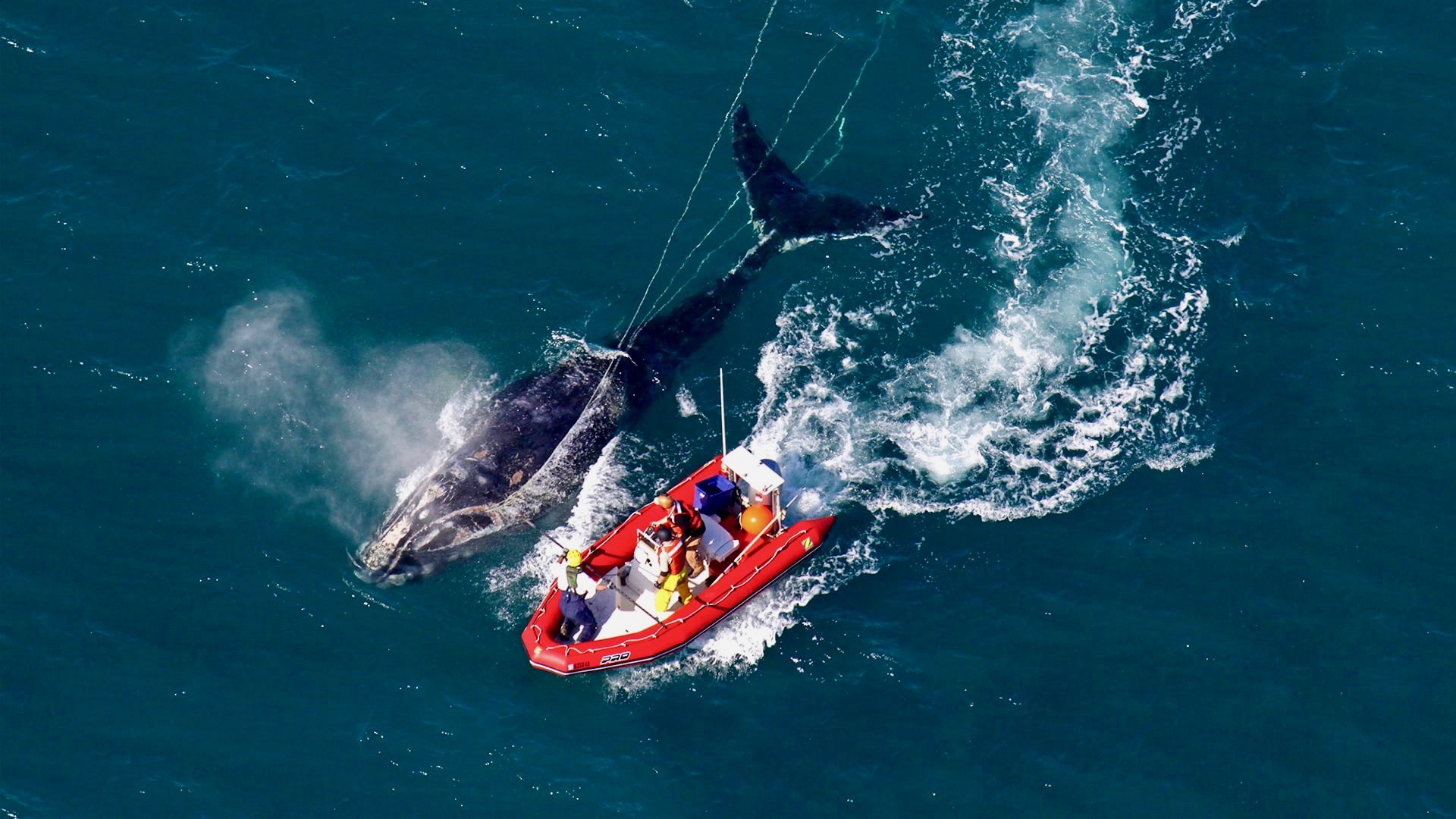
Nine whales died again in Canadian waters in 2019. Although the 10th whale died off the coast of New York, it had previously been spotted entangled in fishing gear in the Gulf of St. Lawrence.
As a result, the vast majority of conservation efforts to tackle this issue are hitting local lobster fisheries the hardest.
Wide federal closures can already translate to lobster fishermen going months without pay. Typically, the ban lasts three months and covers 3,000 square nautical miles, which means that the fishermen can lose up to one-third of their income potential.
But with the outlook for the right whales remaining bleak, even stronger regulations have now been proposed that would include lengthening closures and expanding restriction zones.
The stricter proposals are controversial and there are growing grievances from lobster fishermen that the industry is “taking the fall for a global issue.”
Whales deserve protection but fishermen remain on the sidelines closed. There are casualties and those need to be considered.
The clash of priorities reaches its peak in the film when pursuit for legal action, such as the Save Right Whale Act, sparks consideration from the American government to halve the total number of lobster fishing lines out at sea.
The new proposal was met with a strong backlash from those in the industry who claimed the measures were too arbitrary and disproportionate on lobster fisheries.
“Whale safe” or easy break rope offers an alternative but with millions of lines to navigate between and the average right whale weighing between 44-77 tons, there is doubt as to whether this would be enough to produce sufficient results.
As pressure mounts for immediate action, the need for a collaborative solution between fishermen and scientists is clear. Without it, the two groups are left pitted against one another in a reductive “us vs. them” scenario.
The development of a ropeless fishing system, whereby remote-controlled, balloon-like devices are able to bring traps to the surface, could be the answer.
The concept is one that holds a lot of promise but the technology to do so is at present widely unaffordable for the average lobster fishing fleet. The current prototypes being developed and tested cost thousands of dollars.
NOAA has taken a proactive stance and has given various grants to help fund the development of this high-tech fishing gear but it is ultimately a race against time. While the new technology offers a chance of coexistence for both lobster fishermen and the right whale, it could take years before any significant change is possible.
As the film emphasises, this possible extinction is occurring on our watch but it is down to us to decide the level of responsibility laid at our feet. Left open-ended, what happens next and the future of these North Atlantic giants rests solely on us.
But as conservationist Max Strahan observes in the film, “if you can’t save a whale from going extinct, I don’t think you’re going to save much of anything else.”
— —
To watch the full documentary, tickets for upcoming online screenings can be found here.
Editor’s Note: The opinions expressed here by Impakter.com columnists are their own, not those of Impakter.com. — In the Featured Photo: North Atlantic right whale swims whilst entangled in fishing lines. Featured Photo Credit: IFAW