Editor’s Note: This is the first part of an interview discussing the newest Sustainable Development Goals Fund (SDG Fund) report. The second part will be published today at 13.00h GMT.
In September 2016, the Sustainable Development Goals (SDGs) were adopted at the United Nations Development Summit to serve as a plan of action for people, planet, and prosperity to replace the Millenium Development Goals (MDGs). Since the adoption of the SDGs, countries have been mapping out their national action plans, reviewing development priorities, and determining which policies are already aligned with SDG targets and what changes are needed. In this process, many public and private entities are identifying opportunities for greater alignment and effectiveness in reaching their goals through partnerships. A successful sustainable development agenda requires partnerships between government, civil society, and the private sector. A multi-actor partnership is a core to build a win-win situation where public and private partners pool their resources and competencies to address common social and environmental issues more effectively.
The Sustainable Development Goals Fund (SDG Fund) is an international cooperation that facilitates UN Agencies to collaborate with national partners to build integrated and sustainable responses to development challenges. In order to better understand the importance of multi-actor partnership and how to unlock the potential of the private sector in achieving the SDGs, we talked to Paloma Duran, Director of the SDG Fund.
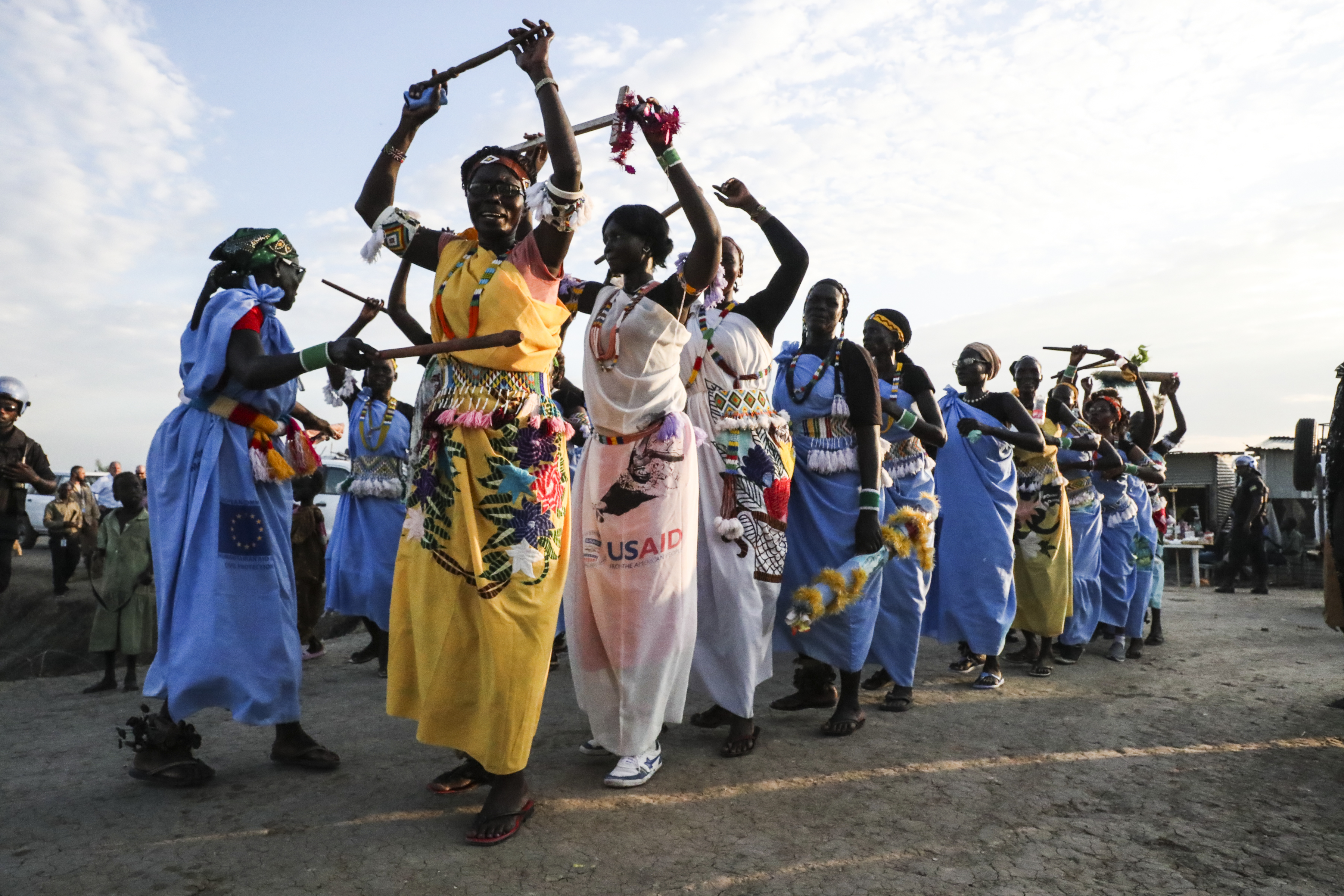 In the photo: UN Peacekeeping Chief Visits POC Site in Malakai, South Sudan Photo Credit: Isaac Billy, United Nations
How would you describe the SDG Fund’s mission?
Paloma Duran: Our mission at the SDG Fund is to promote the 2030 Agenda for Sustainable Development and achieve the SDGs. We are an international multi-donor and multi-agency development mechanism created in 2014 by the United Nations to support sustainable development activities through integrated and multidimensional joint programmes.
Our goal is to bring together UN agencies, national governments, academia, civil society and business to address the challenges of poverty and promote the SDGs. We convene public-private partnerships and have established programs in more than 22 countries.
In addition, we are collaborating with a number of industry new sectors, including representatives from music, architecture, food industries to explore innovations and address global development challenges with a wider range of institutions. For example, we have partnered with the chefs, the Roca brothers to highlight the need for sustainable cooking, nutrition, food security and issues linked to food waste.
Photo credit: SDG Fund
Why are public and private partnerships essential to the implementation of the SDGs, especially in promoting peace: a crosscutting theme that drives the achievement of the UN 2030 Agenda as a whole?
PD: I think that the beauty of this development agenda, and inherent in the Sustainable Development Goals (SDGs) is that these goals are universal…they encourage all actors, stakeholders, public and private institutions to play a role in developing and shaping their communities. That said, without the support of the government in development, private sector initiatives can also be hampered and vice versa.
Business will not replace the government in establishing central policies for the SDGs or in evaluating national targets and indicators—but are essential partners to investment, job creation and creating a stabilizing force for communities.
In fact, we know that companies see the value of having strong connections in the areas they invest, and they need to have a mechanism to build trust with the communities where they work.
Public-Private Partnerships are also a central feature of SDG 17 which recognizes that we need “all-hands-on-deck” if we are to make a dent in alleviating poverty and promoting peace.
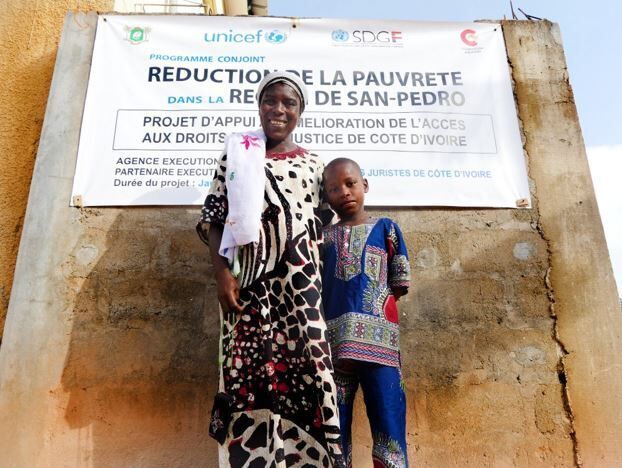 Photo Credit: SDG Fund
In your opinion, what needs to be done in order to engage the private sector? How does the SDG Fund play its role in enhancing the partnership with the private sector?
PD: We know from our extensive experience over the last few years that business wants to be engaged more directly in the development process. They no longer want to be thought of as just the donor, in fact, we know that many companies want to be engaged and part of any partnership process with the United Nations. In some instances, this means helping to co-design and co-create programs in a meaningful way. The SDG Fund has seen the value of this and we have convened what we believe to be key allies in this effort, with our Private Sector Advisory Group, that helps guide us in our work. We meet bi-annually to identify areas of common interest and areas of collaboration as well as support for our efforts to establish public-private partnerships. This diverse group of global business leaders from provides us with key insight into the candid issues facing companies in terms of investments and bankable projects. I think this type of collaboration and consultation is important not only to develop relationships but also to help us find synergies and understand the needs and expectations of business.
In addition, because all of our projects are supported through matching funds, we continually recognize the value of getting additional support from local businesses in the countries we work.
By involving national partners who often have a key stake in the success and sustainability of programs—our model helps to build trust and in many cases better ownership. This is, of course, also key to fostering strong partnerships.
How do you see, for example, the private sector addressing corruption and promoting the rule of law that can cater to each country’s governmental and political structures?
PD: In our report, we highlight that “SDG 16 asks the private sector to reframe the notion of self-interest to magnify the importance of the long-term over the short-term, the societal over the local, the institutional over the personal, and the sustainable over the transiently profitable.” This is based in part on the recognition that the private sector itself, in particular, corporate capitalism, is by its very nature a creature of the rule of law. At the most basic level, a corporation depends on reliable rules to define its very existence, a lawfully functioning infrastructure within which to carry out its daily operations and a justice system to define its profits and losses. When the rule of law disappears, so do corporations. This is also why SDG 16 is so vital to development – as you need investment to deliver stable communities.
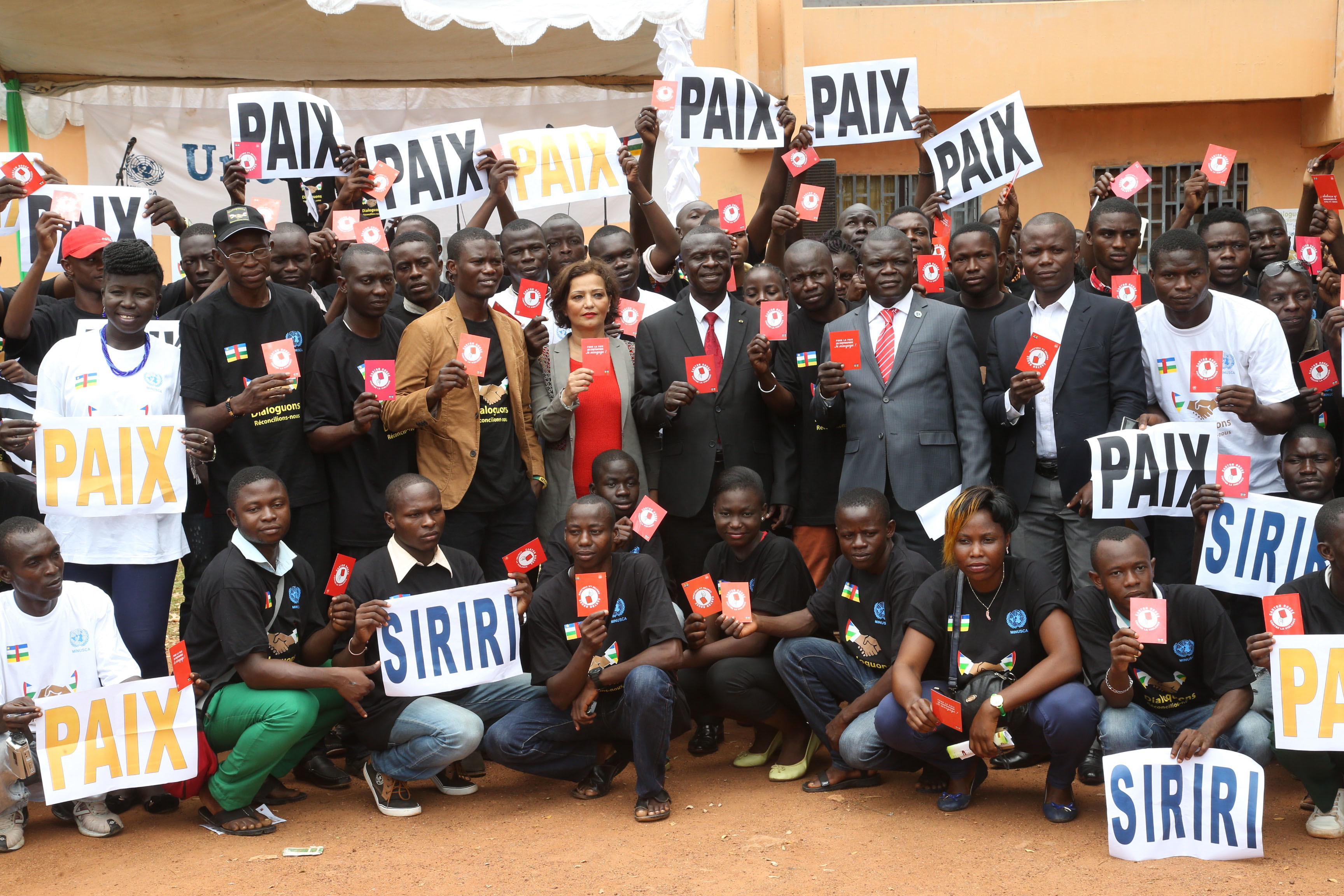 In the photo: International Day of Peace in Central African Republic Photo credit: United Nations
The SDG Fund recently just published the report Business and SDG 16: Contributing to peaceful, just and inclusive society. Can you describe one case study that was discussed, and what do you think were the most important outcomes?
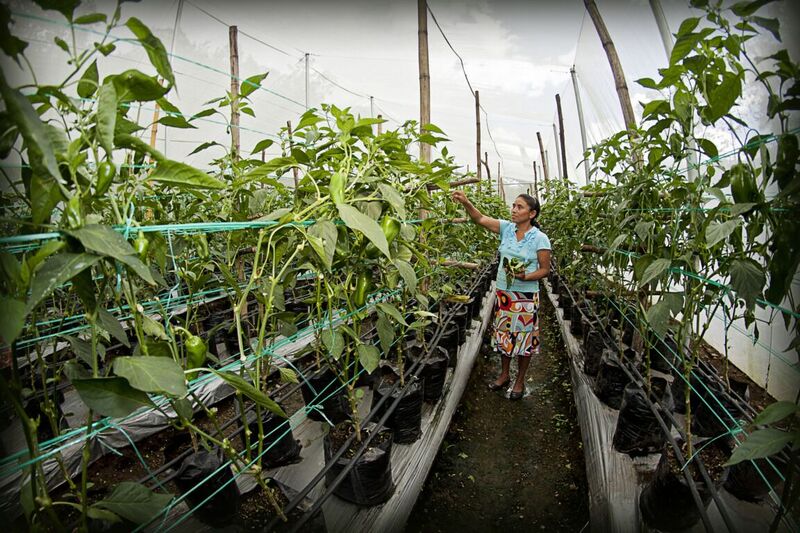
PD: I think all of the case studies provide great insight into the work that is being organized by all stakeholders but speaks volumes to the fact that there are numerous opportunities available for companies of all sizes who want to engage on the SDGs. Many companies are engaged in efforts to create more peaceful and just society in the communities and country where they work. More specifically, we know for example that a number of leading companies in Colombia are collaborating and working hard to integrate small hold farmers from high-conflict areas into their supply chain in order to help create jobs as well as support reconciliation efforts. This type of local engagement is beneficial on many levels, as it provides a model for other companies and demonstrates just what is possible when resources are pooled. More importantly, when companies contribute to expanding operations or investing in new markets—they provide communities with stronger livelihood opportunities and help communities thrive in other ways. We have seen this in our programs in other areas like Cote D’Ivoire, where preliminary results with the extractive industry are starting to generate some promising outcomes in terms of empowering local youth and women.
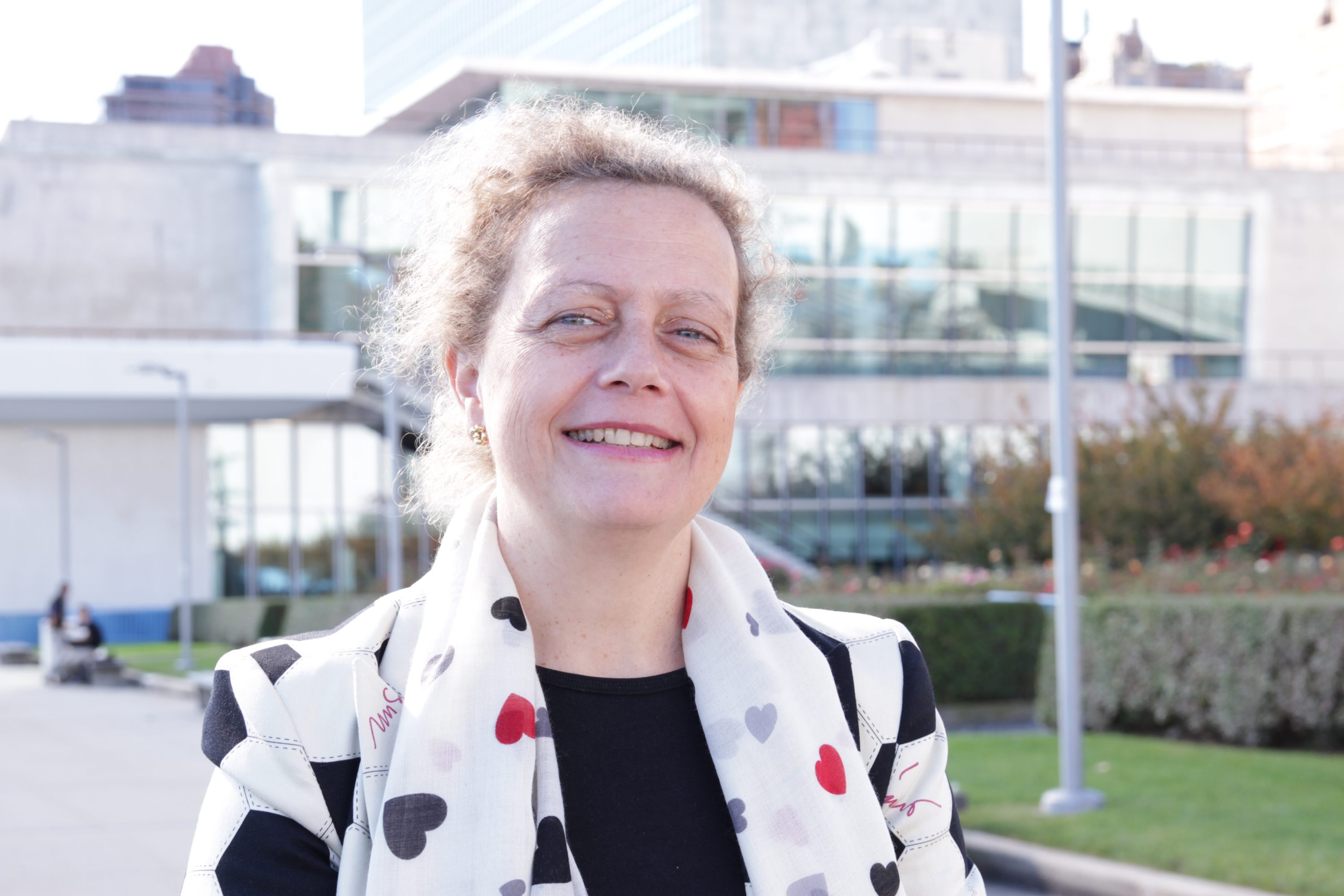 Paloma Durán is the director of the Sustainable Development Goals Fund, a UN mechanism that brings together UN agencies, national governments, academia, civil society and business to achieve SDGs. She brings many years of experience in development and UN issues. Durán has an extensive professional experience in government and international organizations.