Discussions about extreme poverty rarely begin with good news, so let’s start with the fact that history provides a reason to believe that achieving the first Sustainable Development Goal – end poverty in all of its forms everywhere – is possible. Since the World Bank first measured extreme poverty in 1990, the number of people unable to meet their most basic needs has declined by half, or more than a billion people. The percentage of people living in extreme poverty also has declined from 35 percent in 1990 to less than 11 percent in 2013.
However, much of that historic progress is the result of industrialization and globalization, mainly in China and India. As we look ahead to the 2030 target for SDG1, the global community must make meaningful investments to reach those who are the hardest to reach and break down the barriers that hold them back.
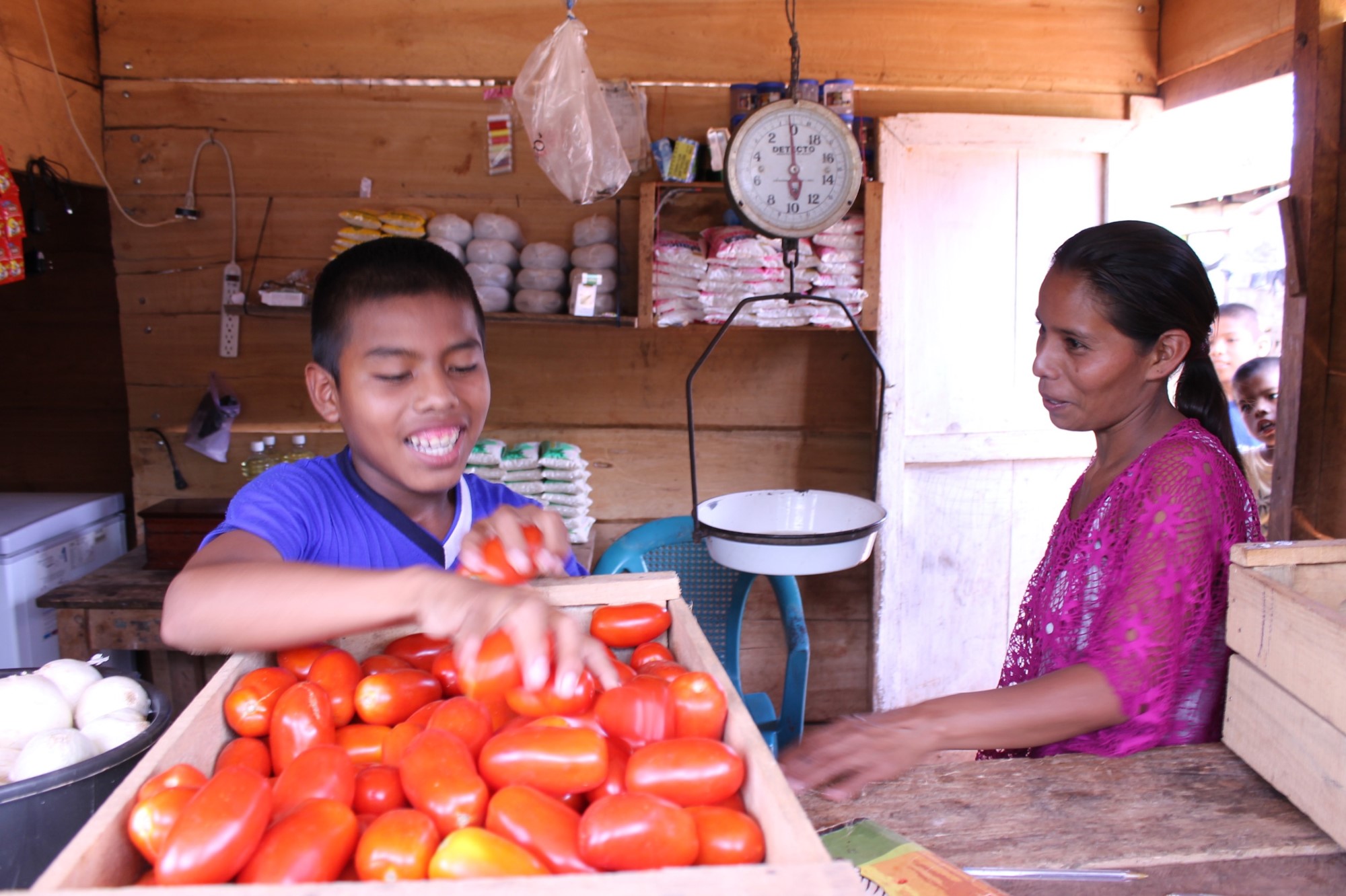
In the photo: Selvin and Victoria Photo Credit: Trickle Up/Florie Bielsa
Leaving No One Behind
Despite recent progress, more than 700 million people remain in extreme poverty, defined by the World Bank and UN as living on less than $1.90/day. Other estimates, notably the Oxford Multidimensional Poverty Index (MPI) put the number of extreme poor at 1.6 billion, with about one-third (465 million) suffering severe deprivation. The Chronic Poverty Research Center has estimated that 336-477 million people live in sustained, multigenerational poverty, a number consistent with the MPI estimate for severe deprivation. Whatever the number, it is too large. To achieve our goal, we must leave no one behind.
Often described as “ultrapoor,” “poorest of the poor,” “chronic poor,” or “invisible poor,” the lives of nearly half a billion people are characterized by chronic hunger, poor health, minimal education, insufficient and unreliable incomes, and a lack of assets or land. On a daily basis they face health crises, the increasingly catastrophic effects of climate change, and other shocks and stresses with little recourse or hope of recovery. No small barrier itself, around 80 percent live “off the grid” in remote areas, often lacking access to banks and other financial systems, and excluded from poverty programs through governments or non-governmental organizations (NGOs). Marked by deep and persistent social marginalization and exclusion, women, people with disabilities, indigenous groups, and refugees are overrepresented among those living in the direst conditions.
Related Article: “SDG 1: THE GOAL TO SPARE FUTURE GENERATIONS FROM THE SCOURGE OF POVERTY“
While addressing these barriers is complex and challenging, with the right skills and opportunities, people can overcome them. Working closely with families living in deep poverty in a variety of contexts across the Global South since 1979, Trickle Up has witnessed the power of people to overcome their circumstances and create more prosperous trajectories for their families. We have helped more than one million people have a chance at a better future.
We’ve seen it in the Guatemalan woman with a disability who opened the first market in her village; in the mother of four in West Africa who built a small business that now pays for her children’s education—something she thought she could never achieve – and, in the women of vulnerable tribal groups in India who band together in collective enterprise and take action to end gender-based violence. With the support and encouragement of coaches and peers, financial and work skills, and a small injection of cash or assets, people can overcome profound poverty and social exclusion. The process they go through, graduating from extreme poverty and vulnerability into a sustainable livelihood, is called the Graduation Approach.
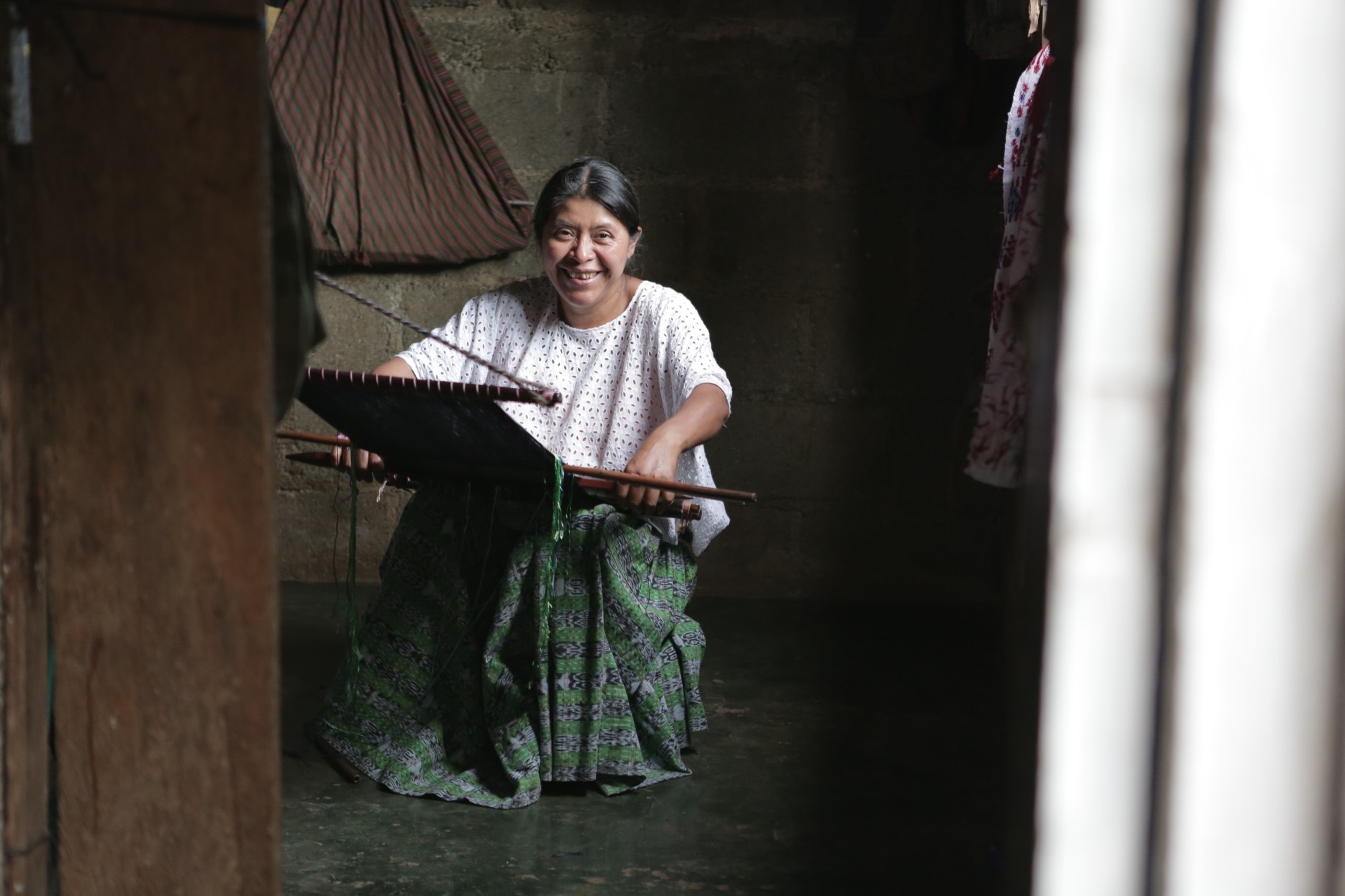
In the PHOTO: Florinda Chiquin PHOTO CREDIT: Trickle Up/Bodega
250 Million People Can Benefit from Graduation
Graduation connects marginalized people with the market and other financial, social, and political systems that can accelerate their progress. Initially developed by BRAC in Bangladesh and pioneered by an international coalition of NGOs including Trickle Up, Graduation is now adopted on three continents. The approach targets the poorest households to help them provide for their own families, and helps their children gain health care and education to break the cycle of intergenerational poverty. Graduation programs vary by context but generally combine economic and social components that include support for immediate needs as well as longer-term investments in skills training. Graduation interventions, typically over 2-3 years, most commonly provide households with:
- Consumption stipends to ensure families have enough to eat until sustainable livelihoods can be developed.
- Technical skills training focused on managing livelihood activities that are relevant and profitable in local markets.
- Direct cash or asset transfers to kick-start self-employment activities or training to link with formal job market opportunities.
- Access to savings and credit, plus financial education.
- Regular home-based coaching visits for monitoring, building life skills and confidence, and for providing health, nutrition, and other information.
Over the course of the program, households engage in a sustainable livelihood, like vegetable farming, rearing animals, or shopkeeping, and often diversify into more than one activity. They begin earning reliable incomes that allow them to put more and better food on the table, pay for school fees and healthcare, and save. Less consumed by the daily stress of meeting their most basic needs, households can focus on longer-term goals, become more confident, and engaged in community affairs. Individuals build autonomy and agency, reducing the risk of long-term dependency on government programs, and can prevent knock-on social problems exacerbated by poverty.
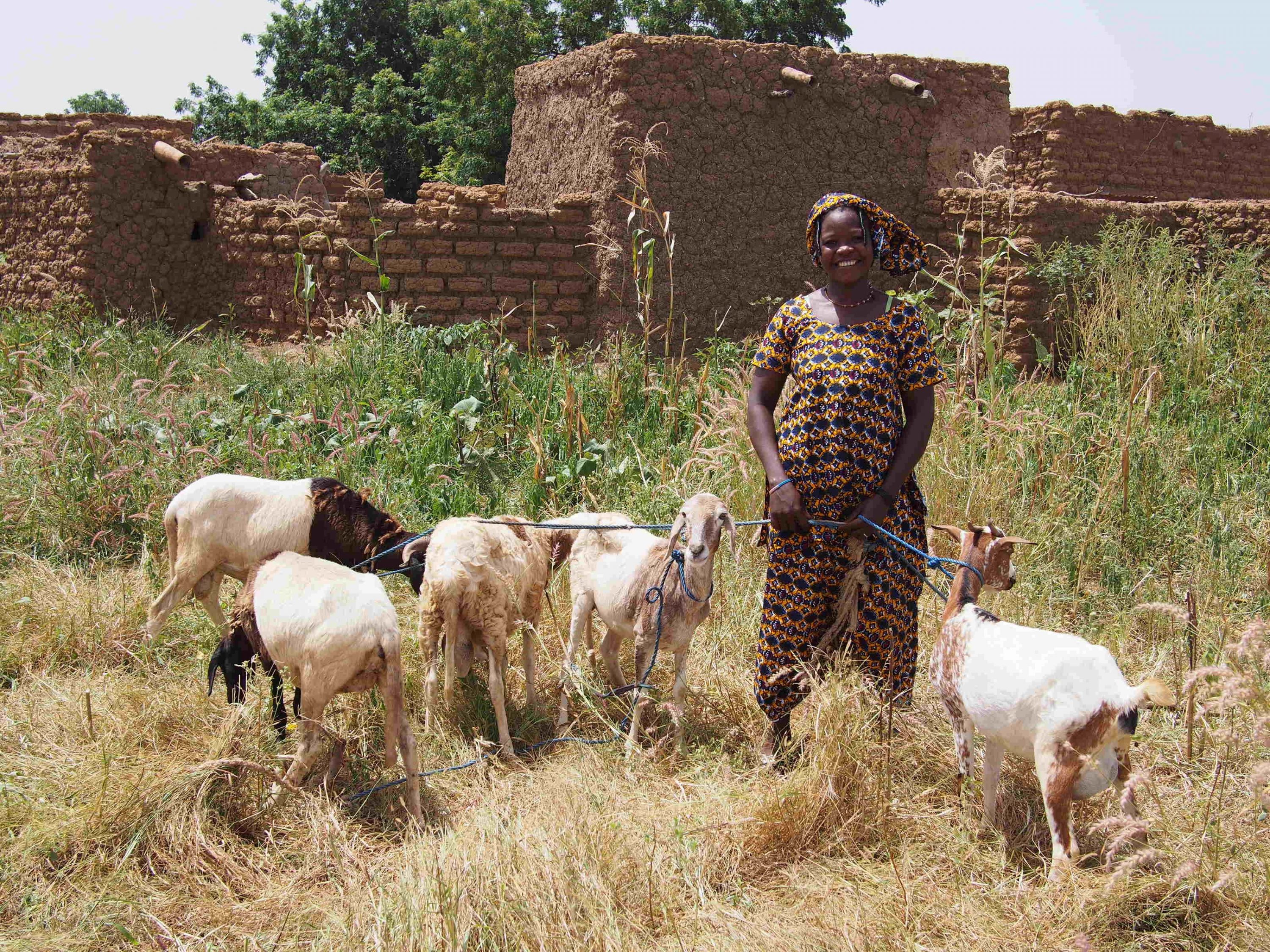
In the Photo: Habi Sawadogo Photo Credit: Trickle Up/Anaïs Angoulvant
However, Graduation may not be appropriate for every person living in conditions of extreme poverty. Those living in the upper levels of extreme poverty may not need all components of Graduation to successfully move their families out of extreme poverty, so a lighter-touch program may be more suitable. Similarly, Graduation should not be viewed as a substitute for employment where jobs are available. Some vulnerabilities remain a challenge: the aged and those without the capacity to work are not prepared to manage diverse livelihoods. Given these caveats, we believe that Graduation could benefit some 200-250 million people. With an estimate of five people per household, the number of households where Graduation could make a difference (40-50 million) is well within the world‘s resources and one‘s imagination.
Graduation is a Proven and Sustainable Approach for Investing in the Poorest
In a landmark paper published in Science in May 2015, the results of randomized controlled trials involving 21,000 participants in six countries (Ethiopia, Ghana, Honduras, India, Pakistan, and Peru) provided compelling evidence that Graduation is cost-effective and leads to significant and sustainable gains in economic and social outcomes for households across diverse contexts. Key outcomes included:
- Broad and lasting economic impacts. Household consumption, food security, asset holdings, and savings increased, with positive effects lasting at least one year after participants completed the program.
- Increases in self-employment income. The combination of productive assets and relevant skills training boosted entrepreneurial activities.
- Improvements in psychosocial well-being. Happiness, stress, women‘s empowerment, and some measures of physical health and political engagement improved.
- Effectiveness across multiple contexts and implementing partners. Positive results were not confined to a specific setting or location, suggesting that extremely poor households face similar constraints in different countries.
- Positive cost-benefits. Calculations confirm that long-run benefits for the participants outweigh the programs’ up-front costs.
Other research by Bandhan and the Massachusetts Institute of Technology, and BRAC and the International Growth Centre on the long-term impacts of Graduation demonstrates positive effects on consumption, savings, ownership of land and other assets, diversification of income sources, and resilience to shocks. Compared to a control group, such gains grow over time, and there is evidence that they continue to accumulate as much as seven years after participants graduate from the initial Graduation program. In India, households consumed 12 percent more than the control group after three years, and 25 percent more after seven years. In Bangladesh, households consumed 2.5 times more than the control group after seven years.
Graduation has reached an estimated 2.5 million households to date, generally through smaller-scale projects. Today, it is being applied in 37 countries – 20 of which, are through government programs. Graduation initiatives have racked up an impressive record of effectiveness and implementers continue to develop new ways to deliver and adapt the Graduation Approach.
A global network of implementers, policy makers, multilateral organizations, researchers, and funders are partnering to improve program design and delivery, cost efficiency, innovative financing, and government adoption (SDG 17). The Graduation community of practitioners is setting best-practice standards and poised to provide technical assistance to governments and implementing agencies.
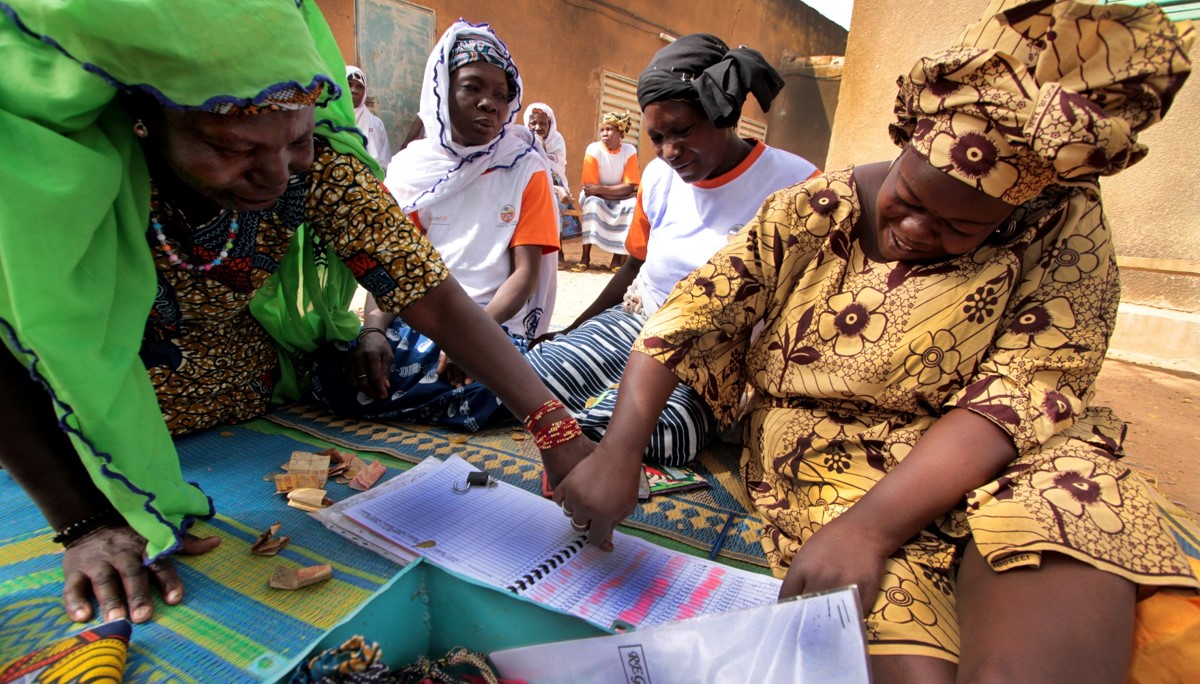
In the Photo: Mariam Barry Group Photo Credit: Trickle Up/Bodega
Graduation is Cost-Effective and Amplifies the Effectiveness of Existing Programs
Over the past two decades, governments in developing countries have embarked on safety net programs aimed at providing a range of essential services to people living in poverty in their countries. The largest are direct cash transfers that can come with conditional requirements (e.g., linked to vaccinations or school attendance) or straight payments without conditions. Today, more than 45 countries employ direct cash transfer programs to reach more than 500 million individuals. However, cash transfer programs have not been as effective among the poorest. Simply put, the poorest need more than money. A combination of cash transfers and livelihood development is needed to support these families to invest in new, longer-term activities and build their assets.
While Graduation is not a low-cost intervention, evidence from India and Bangladesh show that benefits in the lives of the recipients have greatly exceeded costs, and continued to grow even seven years later.
- In Bangladesh, increased consumption by participants four years after the start of the program equaled 240 percent of program costs.
- In India, based on results over three years, the estimated net present value of future impacts equaled 430 percent of program costs.
- In both India and Bangladesh, participants were still experiencing higher levels of consumption seven years after receiving the transfer of an asset.
- In a review of projects across six countries in Asia, Africa, and Latin America, researchers estimated the benefits from increased consumption and asset growth equaled 166 percent of the costs of the programs.
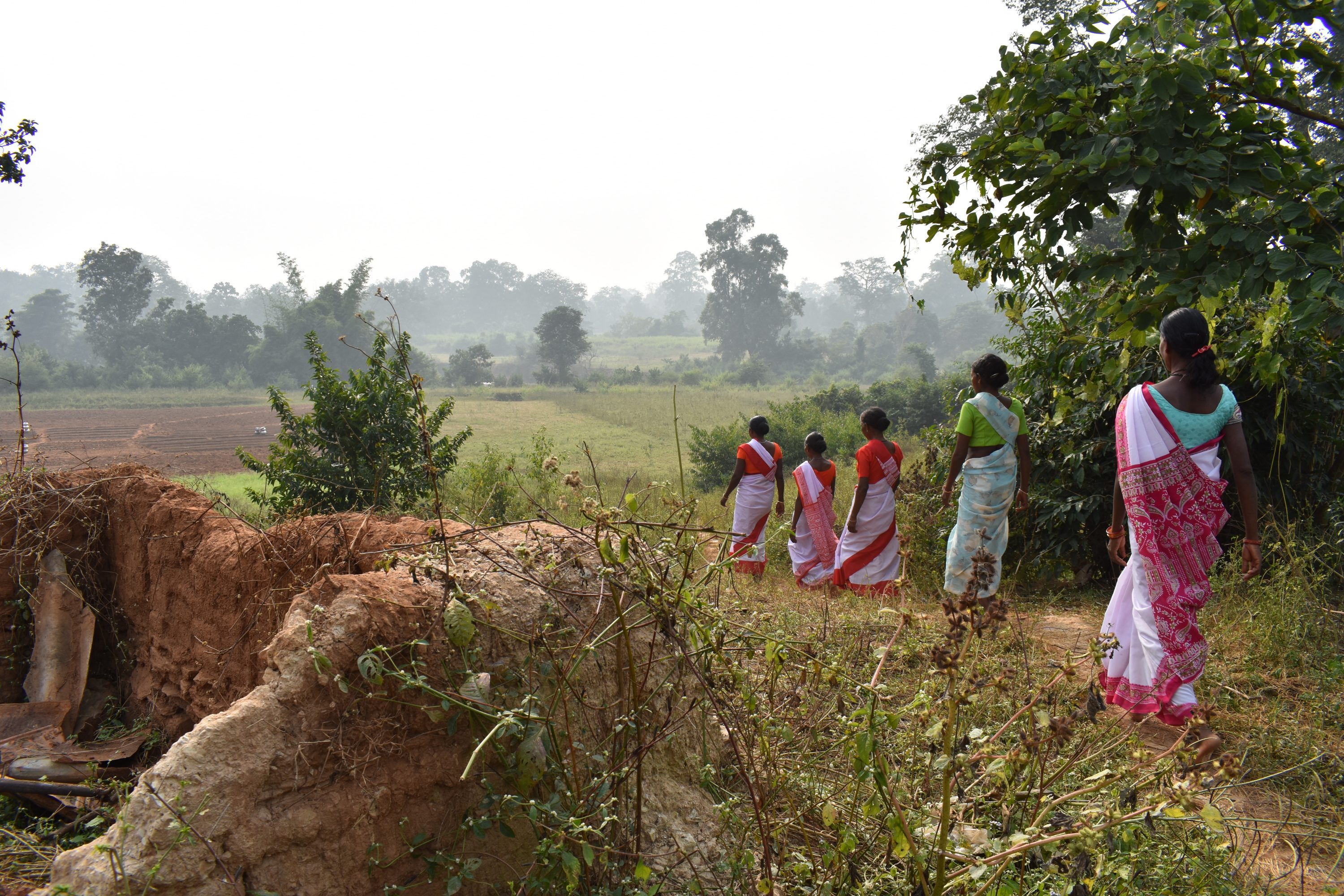
In the Photo: Journeying Towards Hope Photo Credit: Trickle Up/Trishikh Dasgupta
While difficult to quantify, additional social benefits and government cost-savings include:
- Avoiding costly problems engendered by extreme poverty such as alcoholism, teen pregnancy, and truancy.
- Increasing resilience, thus reducing the need for costly emergency response activities.
- Raising tax revenues for governments, as a result of increased household consumption.
- Reducing support payments over time, as people become more self-sufficient (In Kenya, the BOMA Project costs $283 per person over two years, whereas common food aid is about $392 per person over the same period.)
- Increasing integration (through inclusive Graduation models) of historically excluded individuals into the economy, such as people with disabilities.
When tied to cash transfer programs that have already been funded, the incremental cost of the robust Graduation Approach is considerably smaller. In two large states in India, for example, Trickle Up has found that when the Graduation Approach is sequenced with, and supplemented by, existing government programs that contribute key inputs, cost increases are incremental and modest. Similarly, many of the components of the Graduation Approach are already used by UNHCR, the UN Refugee Agency, though typically they are not combined, sequenced, or time-limited to meet the needs of the poorest people. Given that the Graduation Approach builds on existing services provided to refugees by UNHCR and partners, there is only a marginal and modest additional cost to adopting the approach. Given these factors, scaling Graduation could make a significant, measurable, and cost-effective contribution to reaching the poorest families and achieving the Global Goal of ending extreme poverty for everyone everywhere by 2030.
Recommended Reading: “THREE ORGANIZATIONS, ONE GOAL: HELPING CHILDREN POWER THROUGH GLOBAL TURMOIL”
Getting to 2030: Now is the Moment to Invest in Graduation
In the face of growing global inequality, Graduation promises the opportunity to change direction and create a system where all, no matter what their starting point, can provide for themselves and invest in a better future for their children. In tandem with widespread cash transfer and other existing social protection programs, Graduation can be effective and cost-effective. The global community has set this as its common target by approving SDG 1 to end extreme poverty. In order to reach that goal, we must begin investing now in Graduation as a proven strategy for reaching those who have lived for generations in chronic poverty.
The author would like to thank Joshua Goldstein, Larry Reed, Carine Roenen, and Jean Francouis Tardif, who along with the author, contributed to the recent paper “The Business Case for Investing in Graduation” from which sections of this article were adapted.