Article co-written by Brendon Anthony and Geoff Bishop
By 2050 there is going to be an estimated nine billion people on the planet.
Industrial Agriculture Is Not the Solution to Feeding the Planet
This statistic is constantly stated in respect to the growing environmental impact humans are having on our planet from food production, and how it is supposed to increase with a growing population. But, more often than not, when that estimate is stated, I believe we become overwhelmed and we think linearly, “we need to produce more food, and fast.” Our desire to maintain food as a basic human right continues to encourage us to try and solve the current, and potentially future, problem of world hunger. Unfortunately, biotech corporations are all too eager to try and remove the fear of the future and offer a solution to the problem of hunger: industrialized agriculture.
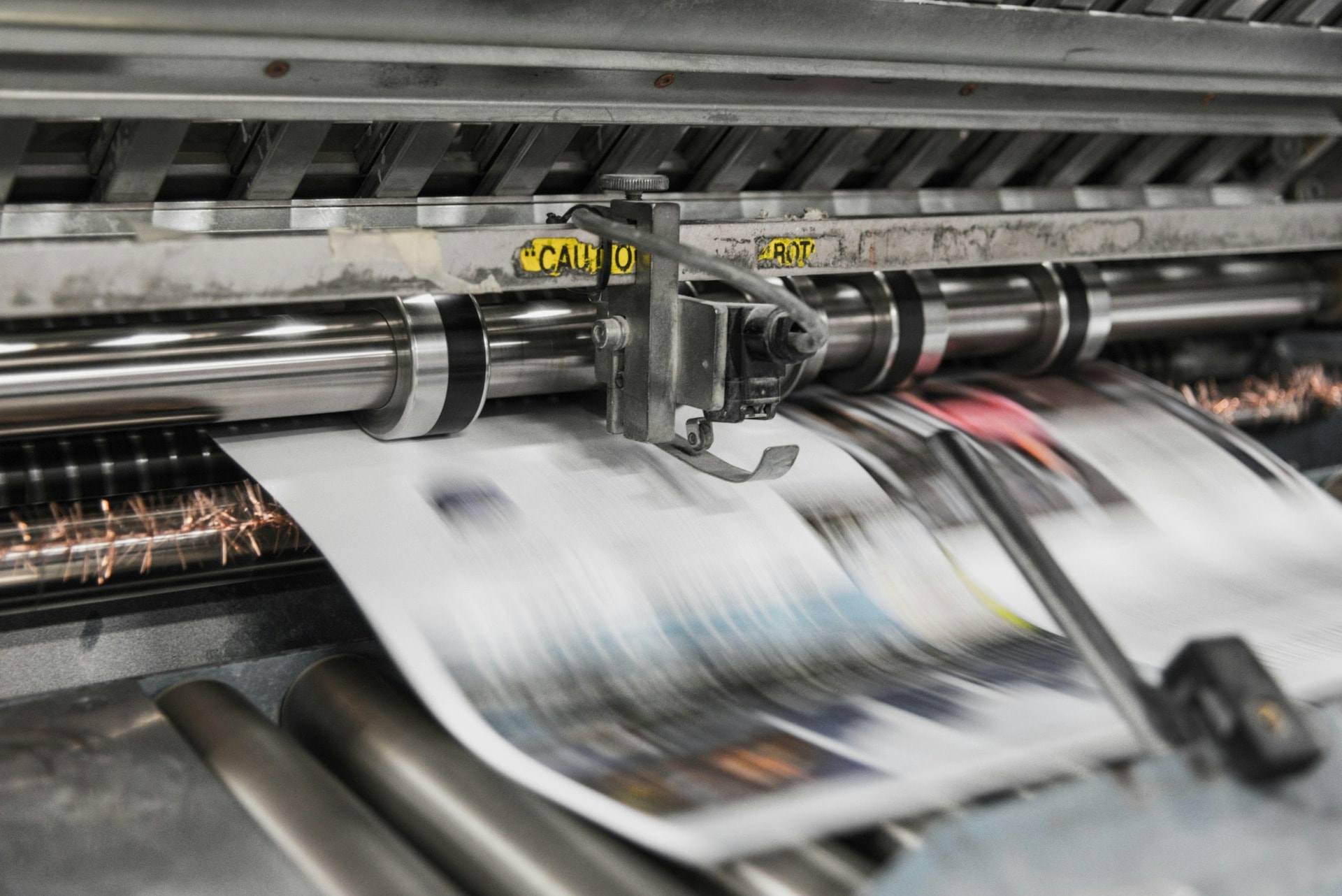
This industrialized food production system is one consisting of millions of hectares of monoculture grains, grown with all sorts of chemical inputs ranging from fertilizers to pesticides, heavily subsidized, often grown at an economic loss, overproduced and shoveled down the throats of our livestock, used in our vehicles in the form of ethanol, and ingested in our own bodies in the form of corn syrup. Industrialized farming, while capable of producing high yields in the short term, has proven to be an unsustainable form of agriculture, that has cost us our health and our environment in the long term.
If production is going to increase, it needs to be done in a regenerative fashion that mimics ecology, not a degradative way that destroys it.
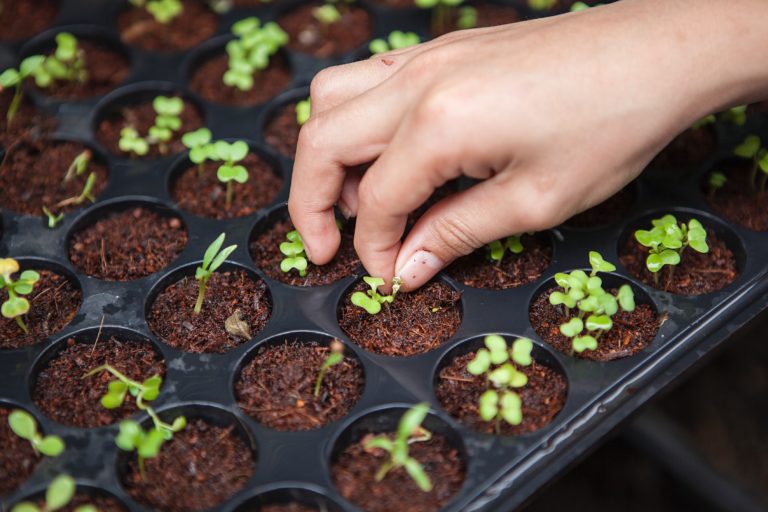
Sustainable agriculture systems are capable of producing just as much, and in some cases even more food per hectare when compared to industrialized farming. Not to mention the added environmental benefits from sustainable agriculture systems (e.g., nutrient recycling, reduced carbon emissions, wildlife habitat, and higher levels of biodiversity). Industrial agriculture relies on chemistry (e.g., synthetic fertilizers and pesticides) to do what biology does in sustainable agriculture (e.g., animal integration and biocontrol). If production is going to increase, it needs to be done in a regenerative fashion that mimics ecology, not a degradative way that destroys it.

Problem of Production or Preservation?
However, as a globe we already produce enough food to feed the world and the coming two billion people by 2050. The problem is waste, not production. In developed nations (i.e., Level 3 and 4), food waste occurs at the retail and consumer level (40% of food in the United States is wasted annually). However, in more developing nations (i.e., Level 1 and 2), food waste, and subsequently food insecurity, primarily occurs during post-harvest storage and handling. Therefore, we suggest that the primary solution to world hunger is not only in shifting the production mindset, but in the preservation and distribution of the already abundant food resources being produced today.

Food Waste Contributes to Global Food Insecurity
In the past, countries that produced in excess have “dumped” subsidized cheap food to malnourished countries, which resulted in adverse impacts on their local economies and food production systems. Instead, we need to support Level 1 and 2 countries in their attempt of achieving “food sovereignty” (i.e., food security + self-reliance), ensuring that these countries are growing their own food, in their own culture, thus benefitting their own economy. However, even if countries produce enough food, often times it leads to spoilage. Most subsistent farmers in Level 1 and 2 countries do not have access to post-harvest storage and processing technologies, such as refrigerators, due to energy insecurity or financial challenges. For example, in Kenya, post-harvest food loss is the leading contributing factor to food insecurity among its population of 49 million. Innovative technologies are needed to preserve food, eliminate waste, and end hunger.

Innovative Solutions to Food Waste
The University of California – Davis’ Horticulture Innovation Lab, in partnership with USAID, has been developing several innovative, culturally appropriate, low-cost, and low-input technologies for post-harvest food processing and preserving. All for the purposes of empowering developing countries to fight against food waste and to promote SDG Goal#2: Zero Hunger.
Some of these technologies include: the CoolBot, Zero Energy Cooling Chambers (ZECC) and the Chimney Solar Dehydrator. The CoolBot overrides air conditioning units to reach lower temperatures to act as an inexpensive refrigerator. The ZECC relies on the process of evaporative cooling to chill food products at the center of a storage unit (e.g., a barricade of bricks surrounded by sand that is watered daily and then left to evaporate). The Chimney Solar Dehydrator consists of a flat drying rack covered in black plastic attached to a plastic-wrapped chimney, which pulls upwards the hot air emanating from the black plastic, up and over the food products, dehydrating them in the process without electricity.
Editor’s Picks — Related Articles:
 “How Haiti is dealing with poverty and hunger through agriculture innovation”
“Zero Hunger in Africa: Mututa’s Story”
Several studies have shown these technologies to work in various countries around the globe including: Rwanda, Tanzania, Tajikistan, Ghana, Honduras, Thailand, and many more. The solar dehydrator for example, can be appropriately adopted by these different cultures and be effective in managing food waste in order to promote food sovereignty.

The Solar Dehydrator — a Potential Solution
Data from our studies at Biola University, in Los Angeles, show that the UC Davis solar dryer is just as effective (in respect to time) as electricity-dependent dehydrators in dehydrating various fruits (e.g., banana, mango, papaya) when the weather is sunny and averages around 27 °C outside. Furthermore, consumer taste panels showcase that the dried fruit from the solar dehydrator performed significantly better than the fruit dried in an electricity-dependent dehydrator or bought from the store, in respect to taste, texture, and visual appearance. These technologies not only dry fruit quickly (less than two days), but maintain high fruit quality. This solar dehydrator can prove to not only promote food security, but provide an alternative added-value product to sell in the market, out-of-season, which will garner a higher price for subsistent farmers. This could then encourage further economic and social improvements.

A Comprehensive Food System Approach is Required
Food preservation and storage is key to increasing food security beyond seasonal peaks and shortages. It ensures more food for consumption, than waste, and therefore a lesser demand on production, especially from the industrialized model. There is enough food produced on this planet, it just needs to reach the right mouths, at the right time, as well as be preserved for longevity. It will only be through a comprehensive food system approach, from sustainable production to post-harvest preservation, that the SDG#2: Zero Hunger can be achieved.