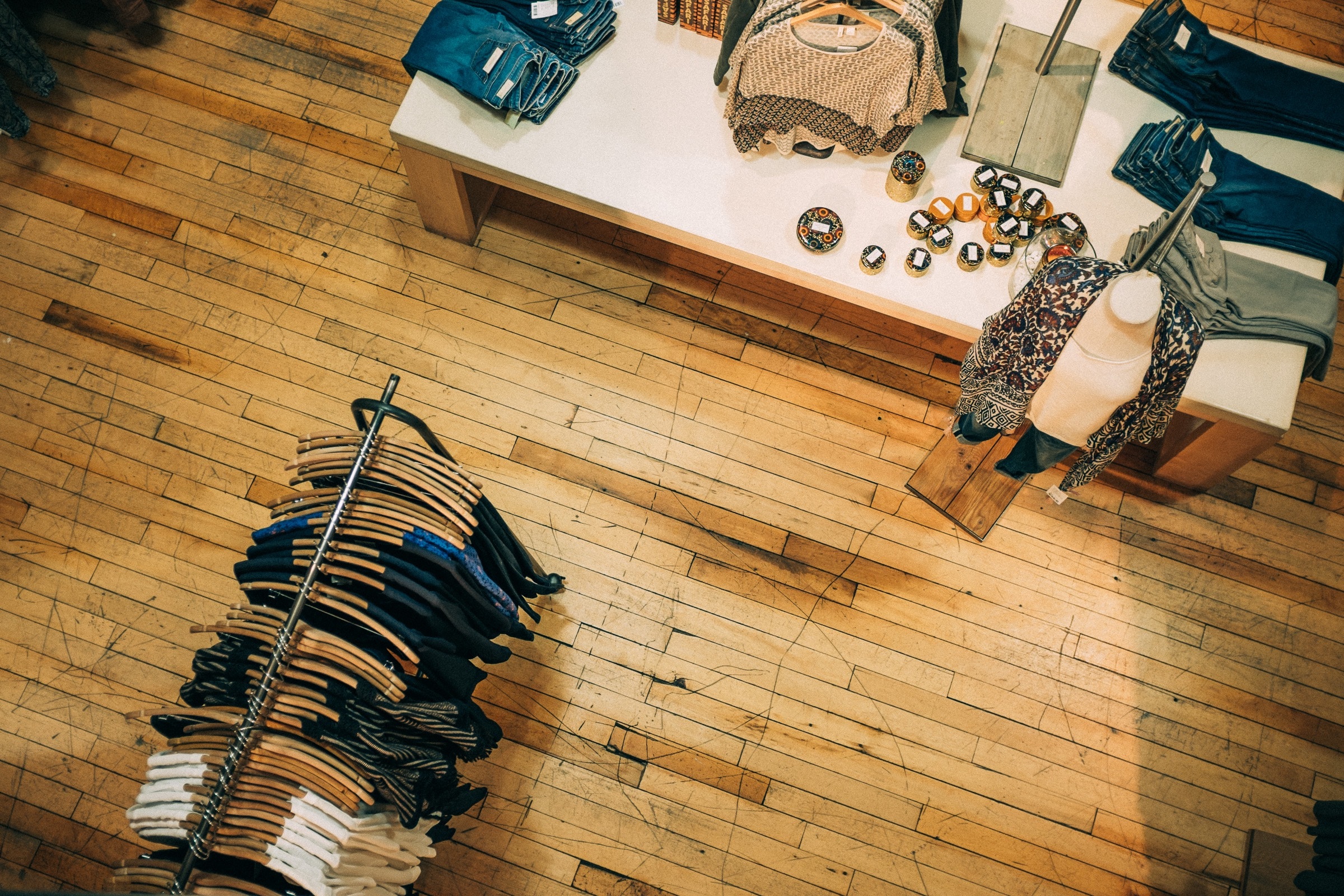
Interested in fashion from a young age, I would save my babysitting money to buy a chic pair of shoes and Gloria Vanderbilt velvet jeans. In all honesty, I did not think twice about where the garments came from, fair trade compensation for the seamstresses, or the environmental pollution they may have created. Bottom line: Individual social responsibility wasn’t a priority, nor responsible sourcing for the garment industry, just the price. Fashion companies were not asked the questions responsible citizens are asking today. There was not a demand from the consumer to understand the manufacturing process, textile sourcing, or supply chain logistics that brings these garments to market. And, what happens to these items when they end up in a landfill? At that stage in my life, I did not understand the term “fast fashion.” Nor, did I question my own consumption patterns. After much research and reading on fast fashion, it is clear that it has earned the moniker as the second dirtiest business next to the oil industry polluting the globe for valid reasons. Fast fashion was not concerned with the materials used for garments, landfills heaped with yesterday’s discarded items, or the resultant water pollution by the manufacturing process. Rather, fast fashion focused on producing trendy clothing at cheap prices that didn’t last very long.
Times have changed. Social responsibility for our planet has taken a front stage and people are questioning the supply chain for their fashion choices. Consumers want to know how their clothing got in to their closet, textile origination, the pay equity for seamstresses making these clothes, their working conditions and the impact on planet earth. People want sustainable fashion and garments made locally. Consumers want to know the lifecycle of materials and are opting for quality versus quantity. Moreover, they want timeless garments that reduce waste and the carbon footprint. Buyers are making informed decisions on food choices, farm to table living, vegan options, energy sources, building materials for their homes, and a reduced carbon footprint. They care deeply.
The garment industry is changing their business models to buy less, improve quality, and use sustainable textiles. As consumers our purchasing power is a force to confront for manufacturers. As long as we demand to know the sourcing of materials, the traceability of the manufacturing process, and the impact to our global ecosystem, we hold the power of change through our actions or inactions, purchases or non-purchases.
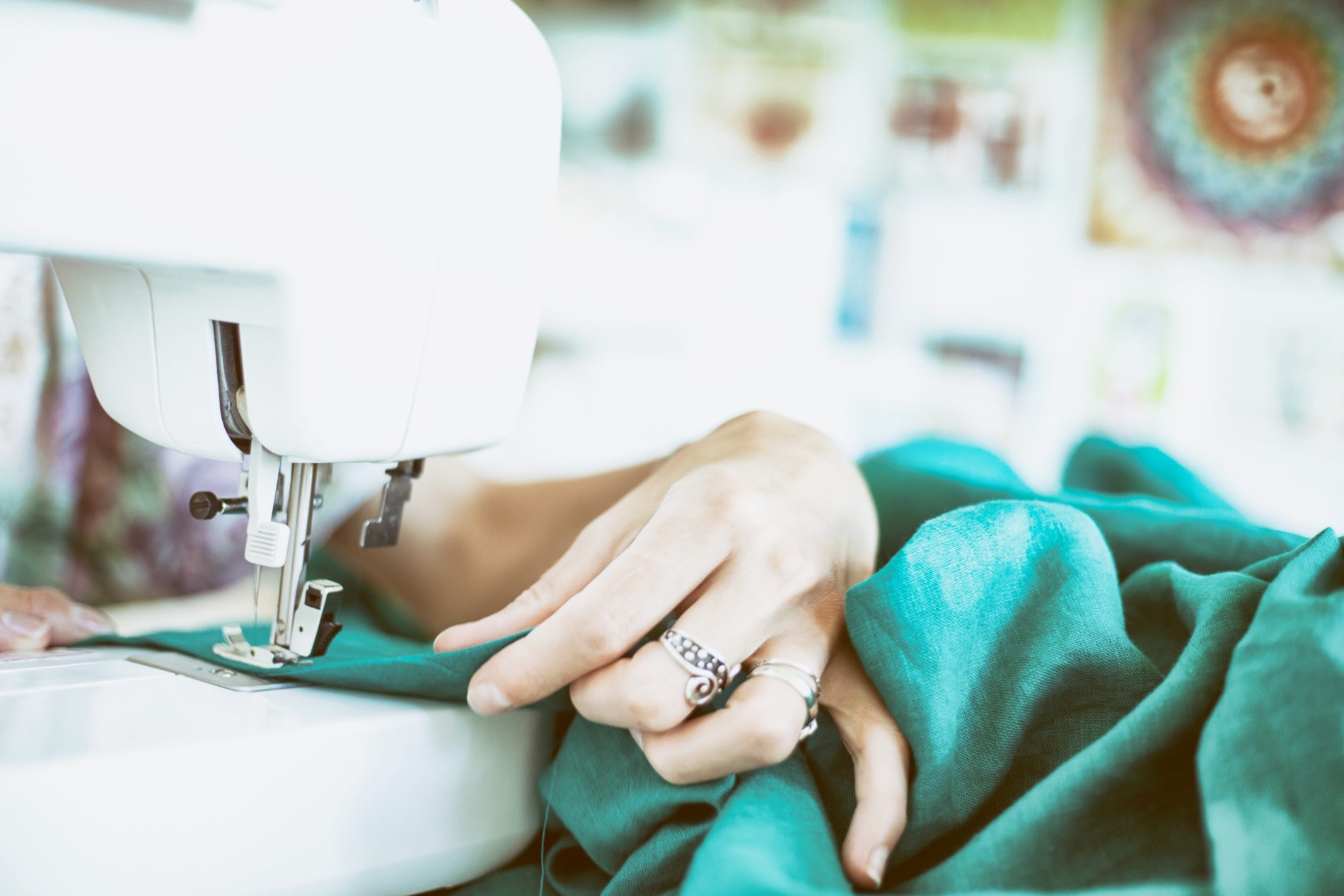
In the photo: sewing machine Photo credit: Volha Flaxeco on Unsplash
Approximately twenty years ago, a Chilean fashion designer was an early adapter for sustainable designs long before it became mainstream. Her name: Maria Cornejo, the independent luxury label is Zero + Maria Cornejo, Her followers tend to be stylish, informed and successful women in there own right. She works tirelessly as owner and designer to include eco-cashmere and regenerated materials. Her brand has and continues to be created adhering to her own values and principles. As leaders of organizations, the culture begins and ends with the name on the door or independent label. It always starts, or not, with the leader. An organization that lives their values is a force for change versus one that uses buzzwords as a marketing tool. If your best practices support your values, you are doing something right. If they don’t, they are just politically correct words on a page that quickly lose their impact and customers.
How did I learn about the Zero + Maria Cornejo luxury label? While sitting in the Warner Theater in Washington, DC, I noticed the woman and saw “the dress.” A forever thank you goes to my husband for politely asking the theatergoer where she got her dress. Her response: Zero + Maria Cornejo Collection, New York. Google provided the location of Cornejo’s boutique in Manhattan, New York. The next time I traveled to Manhattan Cornejo’s boutique on Bleeker Street was my first stop. Are there well-designed dresses that reflect the DNA of the wearer or does the wearer make the dress? Debatable, but her designs got my attention. Since that evening twelve years ago, Zero + Maria Cornejo’s sleek, sophisticated clothing have found their way into my wardrobe. Every time I wear a garment made for women by women, it is always striking. It is always noticed. The French phrase, “je ne sais quo” comes to mind. The literal translation of the phrase is that it makes sense intuitively but is hard to define, a mystique.
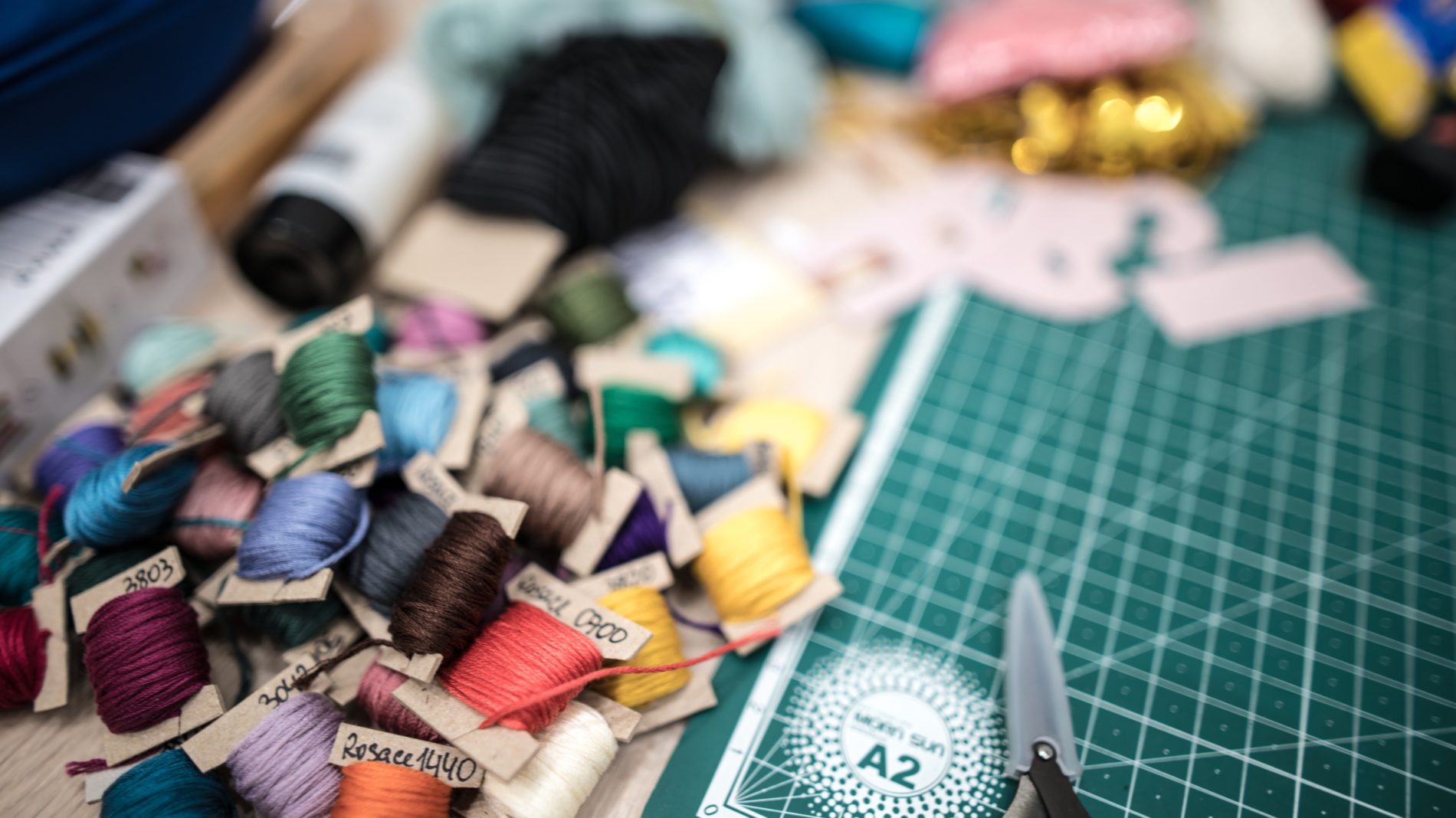
In the photo: textiles Photo Credit Vladimir Proskurovskiy on Unsplash
Ms. Cornejo, Chilean-born designer extraordinaire of the Zero + Maria Cornejo label, started her line in 1998. Unlike fast fashion twenty years ago, the designer included sustainability as a component of her luxury brand. Over time, she focused on adding more sustainability practices, such as shipping orders in recycled or previously used packaging, and incorporated innovative dyeing processes that decreased water waste. A real salute to her best practices, she is not hesitant about reusing fabric from previous collections. In her words, she aims to design clothes that are “responsibly created” and does not claim 100% sustainability.
- 84% of the collection largely made locally in New York City garment district
- Reuses fiber wastage in the mill
- Responsible design
- Collaboration with women artisans around the world
- Committed to social impact and the environment
- Reuses older stock to eliminate waste
- Simple designs
- Ideal for travel
- Engage and reflect how women are dressing
Her quote sums up her value proposition, “Our client is very educated and wants to know she is wearing something responsibly made. She wants to get dressed and feel good about what she is putting on, not guilty.” – Maria Cornejo
Part of self-actualization is finding the fire that lights your soul. Evidenced by her beginnings, sustainable practices and responsibly created designs, Ms. Cornejo’s fire is burning brightly. So much so that she has won two major sustainability awards in New York: Fashion Group International Night of the Stars Award 2018 and one from the Council of Fashion Designers of America in 2017. According to Robin Torres, Cornejo’s current goal is to make 50% of its textiles eco-friendly by 2020 (Torres, Robin).
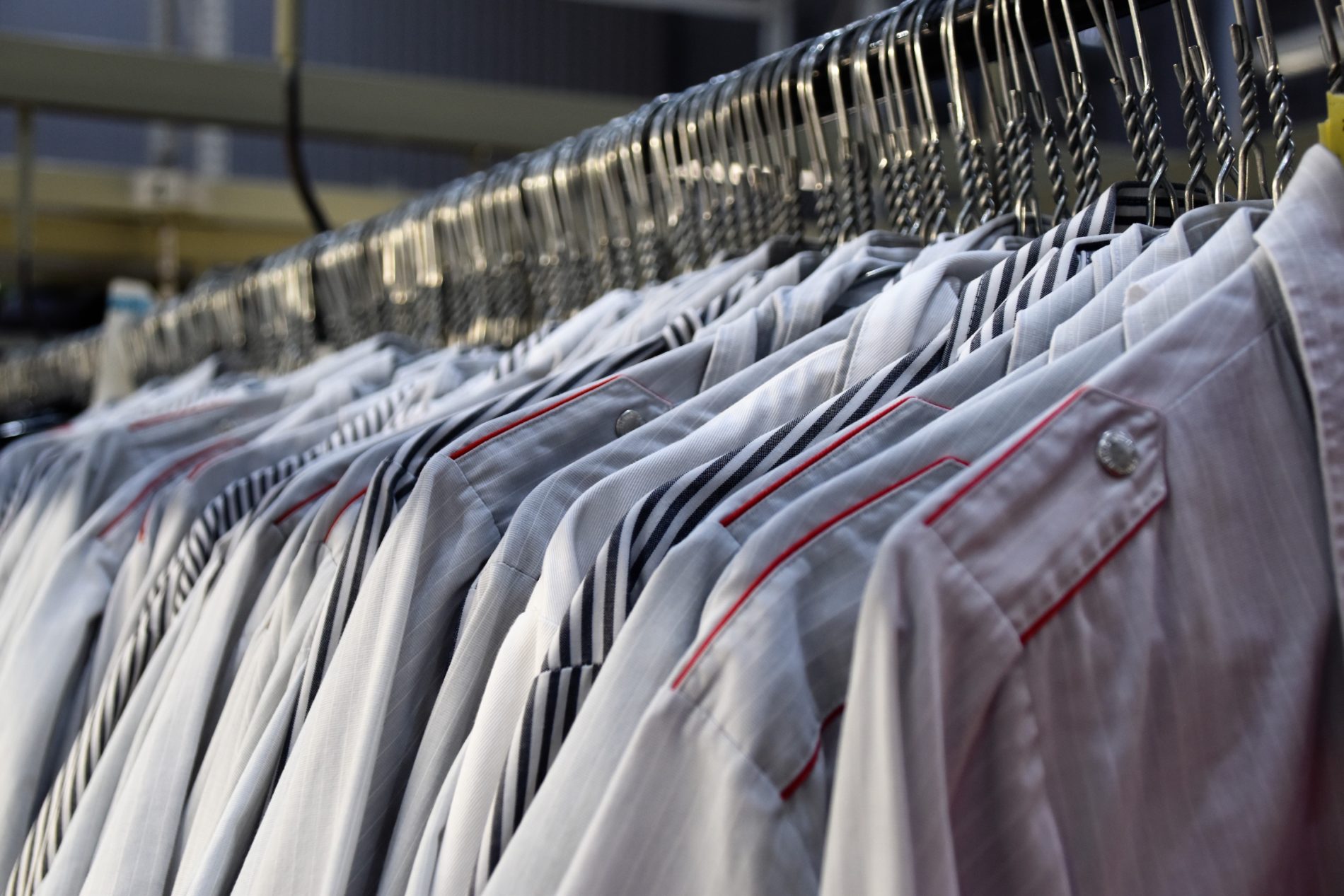
In the photo: Clothes rack Photo credit: Waldemar Brandt on Unsplash
Following zeromcornejo on Instagram gives viewers a sense of her sustainability practices in action. Case in point, there was a photo of a beautiful coral colored cashmere sweater on January 31, 2019. The differentiator was the information given about the sweater. IG posting January 31, 2019, shared the following information: recycled eco cashmere yarn that was created through an innovative process using pre-consumer textiles which are re-spun to produce high-end, traceable and low-impact yarns. This re-use of untreated, clean materials complies with worldwide eco-toxicological standards and gives the fibers a new life cycle. On January 30, 2019, a jumpsuit in hair printed silk was showcased on IG. Again, the label shared the following information about the materials: This print was applied to the fabric using a traditional screen-printing process, which is a more sustainable printing method. When printed on silk, this process reduces the amount of chemicals by nearly 40% and saves both water and energy. On January 16, 2019, the label’s Mala Coat was featured. Again the materials used for the coat are 100% traceable from the origin of the raw material through the production of the finished textile. The mill that produced this fabric was chosen or its commitment to environmental and social responsibility in both the production process and the creation of their textiles.
Cornejo is setting the bar high! Perhaps the future of sustainable fashion will be bar tags on every garment? By scanning the bar code the consumer finds the following information: origins of the textiles used, manufacturing and mills traceability, and energies used to deliver the garments to retail locations. Change is possible. Sustainable living in all facets of life is achievable. The question: are we are each doing our part to protect the environment? As consumers, supporting labels that minimize environmental impact and the use of recycled materials is a win-win for everyone.
Today the fashion industry, including Fast Fashion are placing importance on fabrics that minimize environmental impact, the use of recycled materials, and invitations for the consumer to bring jeans they are no longer wearing into the store for recycling. The industry is attentive to the ethics and morals of the consumer. Fashion shows will always gather crowds. However, these potential buyers are looking beyond trends. They want timeless fashion, sustainable practices and minimal carbon footprint. Hello, Future generations, there is a planet for you.