Impakter
  • Environment
    • Biodiversity
    • Climate Change
    • Circular Economy
    • Energy
  • FINANCE
    • ESG News
    • Sustainable Finance
    • Business
  • TECH
    • Start-up
    • AI & Machine Learning
    • Green Tech
  • Industry News
    • Entertainment
    • Food and Agriculture
    • Health
    • Politics & Foreign Affairs
    • Philanthropy
    • Science
    • Sport
  • Editorial Series
    • SDGs Series
    • Shape Your Future
    • Sustainable Cities
      • Copenhagen
      • San Francisco
      • Seattle
      • Sydney
  • About us
    • Company
    • Team
    • Global Leaders
    • Partners
    • Write for Impakter
    • Contact Us
    • Privacy Policy
No Result
View All Result
Impakter logo
No Result
View All Result
Workforce

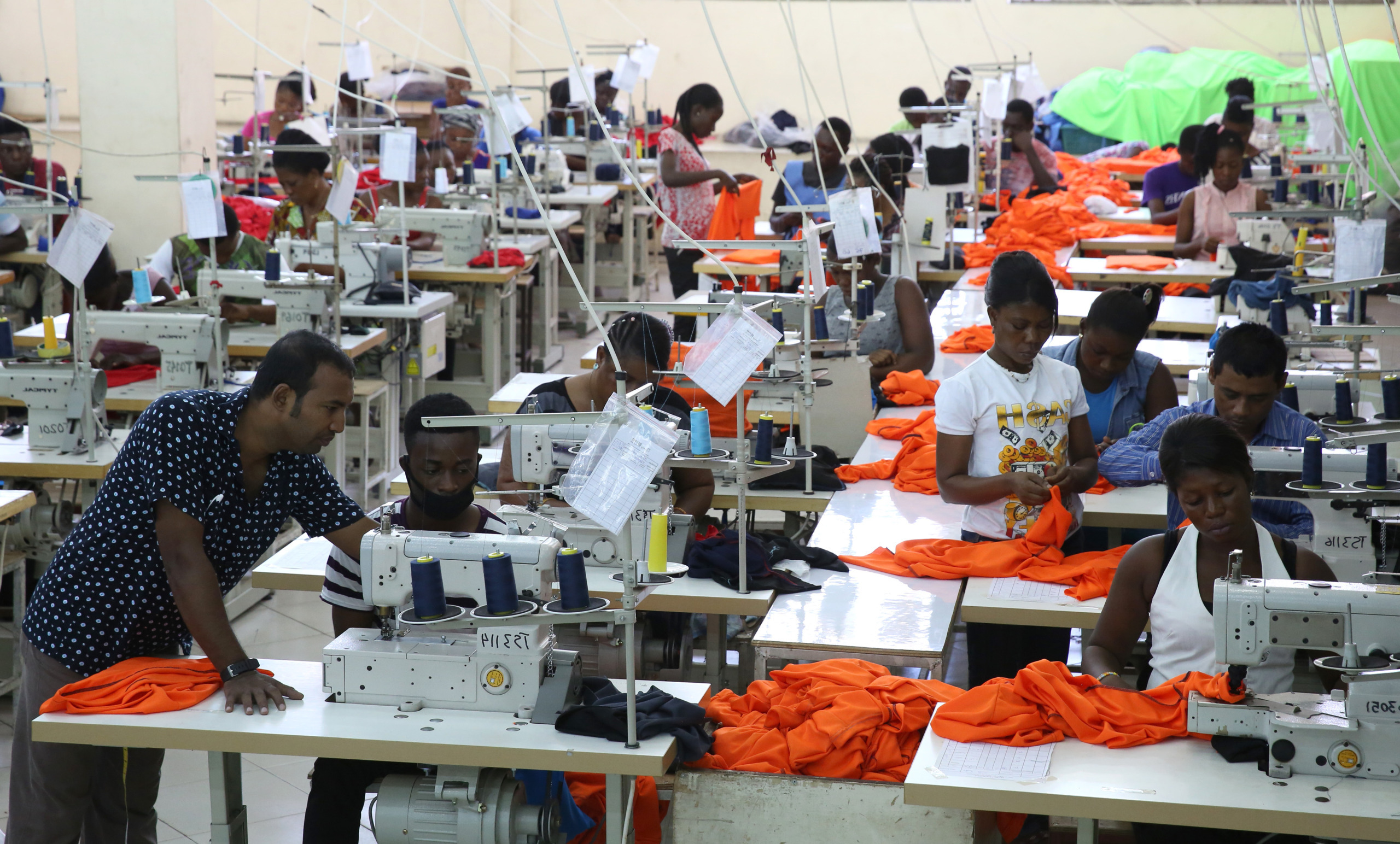
Dignity factory workers producing shirts for overseas clients, in Accra, Ghana on October 13, 2015. Photo © Dominic Chavez/World Bank

Developing Resilience in Skills: Overcoming Challenges and Building Back Better for the Future

While 74% of organizations find reskilling the workforce an important endeavor for their success, only 10% say they are equipped to confront this trend

Sophie NedlinbySophie Nedlin
September 12, 2022
in Society
0

It has become clear that we live in uncertain times. The United Nations Sustainable Development Goals (SDGs) are being strongly threatened by the effects of the pandemic, climate change and economic disruptions due to conflict. The need to strengthen and invest in people’s and organizations’ resilience has therefore become more important than ever, for developed as well as for developing countries.

According to the BSI organizational resilience index of 2021, the year 2020 has been especially tough for organizations, which can be seen in their overall financial performance and operational priorities. Nevertheless, businesses and governments took it as a chance to implement new policies, decisions, and commitments, showing optimism for the upcoming decade even when resilience was deeply challenged.

But what is resilience?

Simply put, according to the United Nations Office for Disaster Risk Reduction, resilience is the “ability of a system, community or society to resist, absorb, accommodate, adapt, transform and recover from the effects of a hazard in a timely and efficient manner, including via risk management.” It is a necessary process to adapt to new conditions and create new prospects for the future.

Workers’ and organizational resilience are intertwined. For instance, nowadays, organizations struggle to navigate the fast-changing skills landscape. In Deloitte’s 2020 Global Human Capital Trends survey, 53% of respondents said that more than half of their workforce needs to change their skills in the next three years. However, at the same time, organizations also struggle to navigate these skills changes effectively. Explosive changes in the business landscape and the constantly changing skills needs will affect the way organizations and workforce operate.


Related Articles: The Skills for the Green Economy: Upskilling for a Sustainable Future | Africa’s Agribusiness Sector to Reach US$1 Trillion by 2030: What Role Does the Youth Play?

The latest numbers show that 74% of organizations say reskilling the workforce is an important endeavor for their success, however, only 10% say they are equipped to confront this trend.

We are thus standing at a tipping point. How can businesses both in developed and developing countries build their organizational and employee resilience in a world of constant disruptions? And what actions can we take to be better equipped for this fast-changing environment?

The United Nations Industrial Development Organization (UNIDO) recognizes these challenges and works towards more resilient industries and workforce. UNIDO has built a strong track record of facilitating Public-Private Development Partnerships (PPDPs) to help build sustainable, inclusive and greener economies in emerging and developing economies. Through joint initiatives of the public and private sector with development agencies, PPDPs are an effective way of providing wider social and economic benefits from general economic growth to job creation and poverty reduction.

Building back from the multiple crises, the global community now has the opportunity to build a more resilient future.

— —

Let us build back better together: Join UNIDO’s LKDF Forum 2022

This year’s LKDF Forum, which will be virtually convened on 19 and 20 October 2022 under the theme “Skills for Resilience: Are We Ready for a Skills Revolution?”, will bring together partners, experts, training professionals and stakeholders from the skills development system to examine why resilience in skills has become even more crucial in these uncertain times.

The following questions will be addressed and discussed:

  • How can we better prepare for the skills revolution and become more resilient?
  • How can we create more resilient and inclusive TVET systems?
  • How can we reskill our workforce to become more resilient?
  • How to strengthen the resilience of organizations and equip them with the right skills to handle an uncertain future?
  • What does it take to generate resilient companies in emerging economies?

The forum will incorporate captivating debates and discussions which aim to identify key challenges, trends, and solutions within the industrial skills development agenda.

Register to the forum here: https://hopin.com/events/lkdf-forum-2022/registration


Editor’s Note: The opinions expressed here by the authors are their own, not those of Impakter.com — In the Featured Photo: Dignity factory workers producing shirts for overseas clients, in Accra, Ghana on October 13, 2015. Featured Photo Credit:© Dominic Chavez/World Bank.

Tags: LKDFLKDF Forum 2022PPDPsPublic-Private Development PartnershipsResilience in SkillsSkill developmentskillsUNIDO
Previous Post

In Defense of Human Rights: Is Volker Türk the Right Man for the Job? 

Next Post

The Upcoming Challenges of King Charles III

Related Posts

UNIDO DHL
Business

‘Shifting the Paradigms of Agriculture’: UNIDO and DHL Partner to Fight Food Waste

This week, in the context of the 28th UN Climate Change Conference (COP28) in the United Arab Emirates, the United...

byRina Hoffman
December 15, 2023
International youth day
Society

International Youth Day 2023: Investing in Youth, Sustaining the Future

With approximately 1.2 billion individuals aged 15 to 24, comprising 16% of the global population, there is an urgent need...

byJenny Russmannand1 others
August 12, 2023
Youth skills development
SDG Series

Youth as Agents of Change: Collaboration and Skills Empowerment for a Sustainable Future

Everyone is affected by environmental challenges, such as climate change, deforestation, pollution, and resource depletion, but young people are among...

byAnna Jardanovsky - Communications Expert at the United Nations Industrial Development Organization (UNIDO)and2 others
July 14, 2023
Women STEM
Equal Rights

What Does It Mean to Be Resilient in STEM?

"As the daughter of immigrants, I was taught since birth the importance of education and more specifically, STEM,’’ said Katherine...

bySophie Nedlin
January 25, 2023
Youth UNIDO
Climate Change

The Future Is in Youth’s Hands: New Skills Needed for the Green Transition

Over the past ten years, the United Nations Industrial Development Organization (UNIDO) has held an annual forum to discuss training...

byBelinda Teoh
October 4, 2022
Africa’s Agribusiness Sector to Reach US$1 Trillion by 2030: What Role Does the Youth Play?
Food and Agriculture

Africa’s Agribusiness Sector to Reach US$1 Trillion by 2030: What Role Does the Youth Play?

Africa harbors the youngest population worldwide in terms of average age, with 70% of sub-Saharan Africa's population being under the...

bySophie Nedlin
August 16, 2022
Involving the Youth in Decision-Making Processes
Global Leaders

Involving the Youth in Decision-Making Processes

More often than not, policies that directly impact the lives of youth are implemented but no young person was heard...

byAnna Jardanovsky - Communications Expert at the United Nations Industrial Development Organization (UNIDO)and1 others
August 12, 2022
The Formula for Gender Equality: More Women in STEM-fields
Business

The Formula for Gender Equality: More Women in STEM-fields

When Katherine Jin was in high school, she was eager to take a computer science class. She was told that...

byAnna Jardanovsky - Communications Expert at the United Nations Industrial Development Organization (UNIDO)and1 others
June 20, 2022
Next Post
The Upcoming Challenges of King Charles III

The Upcoming Challenges of King Charles III

Recent News

The Best Virtual Office Address In London For Your Startup

How To Choose The Best Virtual Office Address In London For Your Startup

December 5, 2025
Granddaddy Purple Strain

Where Granddaddy Purple Strain Gets Its Iconic Grape Flavor

December 5, 2025
ESG news regarding Deforestation Mandate Being Pushed; EUs Acceleration on Hydrogen and Net Zero Revolution; AT&T Will End All DEI; UK Watchdog Blocks Nike and Lacoste Ads Over Green Claims.

U-Turn in Europe: Deforestation Mandate Pushed Back Again

December 5, 2025
  • ESG News
  • Sustainable Finance
  • Business

© 2025 Impakter.com owned by Klimado GmbH

No Result
View All Result
  • Environment
    • Biodiversity
    • Climate Change
    • Circular Economy
    • Energy
  • FINANCE
    • ESG News
    • Sustainable Finance
    • Business
  • TECH
    • Start-up
    • AI & Machine Learning
    • Green Tech
  • Industry News
    • Entertainment
    • Food and Agriculture
    • Health
    • Politics & Foreign Affairs
    • Philanthropy
    • Science
    • Sport
  • Editorial Series
    • SDGs Series
    • Shape Your Future
    • Sustainable Cities
      • Copenhagen
      • San Francisco
      • Seattle
      • Sydney
  • About us
    • Company
    • Team
    • Global Leaders
    • Partners
    • Write for Impakter
    • Contact Us
    • Privacy Policy

© 2025 Impakter.com owned by Klimado GmbH