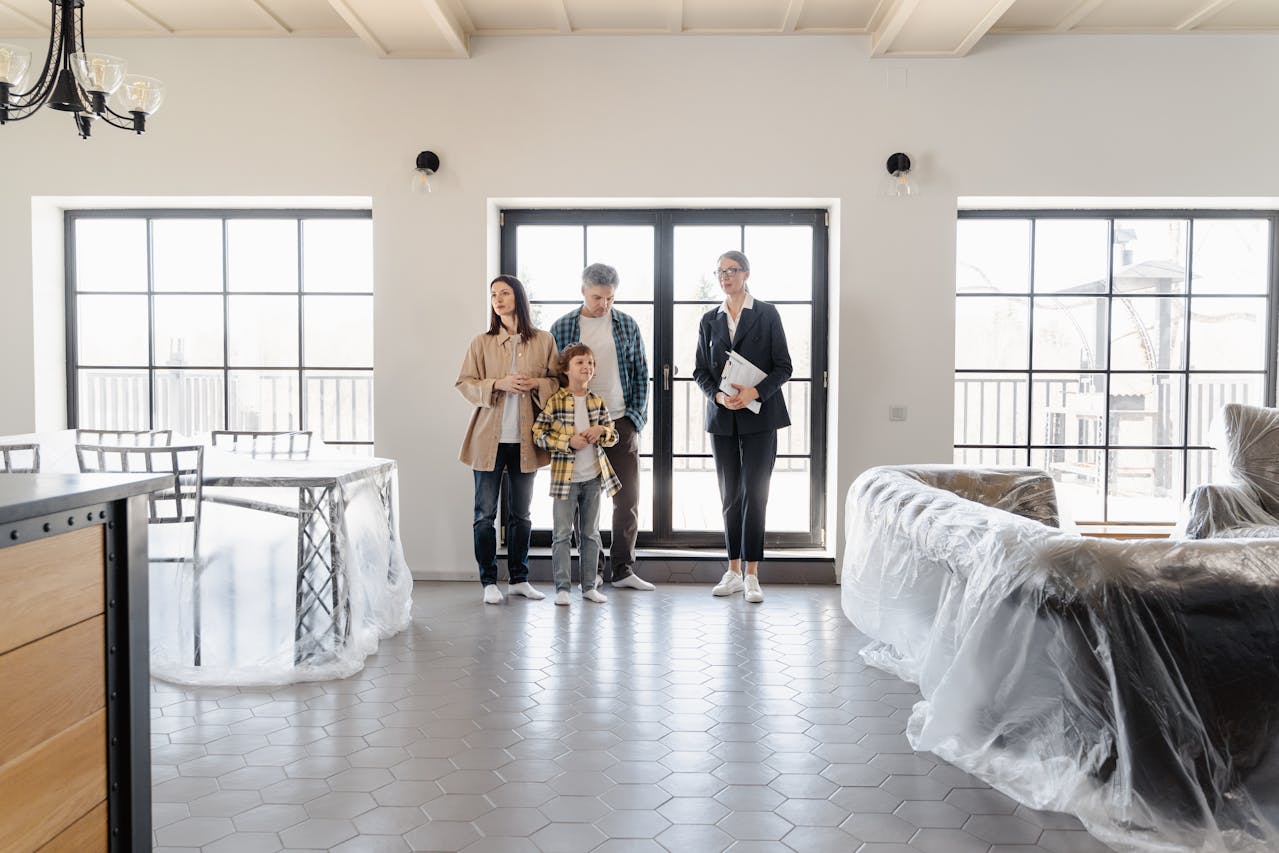
Moving into a new home is exciting, but it can also feel overwhelming once the boxes arrive. Many people rush to unpack right away, yet the layout of the home often plays a bigger role in daily comfort than expected. How furniture is arranged, how rooms flow, and how space is used can affect how quickly a house starts to feel like home. Taking time to plan your layout early can make the transition smoother and less stressful.
If you are moving to Fort Lauderdale, the layout of your new home deserves extra attention. Many homes in the area feature open floor plans, large windows, and flexible living spaces designed for everyday comfort and entertaining. These design features offer great flexibility, but they also require thoughtful decisions to avoid wasted space or cluttered rooms. Planning a functional layout from the beginning helps you take full advantage of your new home and makes daily living feel easier and more organized.
Plan Your Layout Before Moving Day
Before the moving truck pulls up, it helps to think through where everything will go. Many homeowners work with a Fort Lauderdale moving company to handle the physical move, but deciding on room layouts remains an important personal step. Planning ahead allows movers to place items correctly the first time, which saves effort and reduces stress.
Start by thinking about how each room will function on a daily basis. A living room may serve as a place to relax, host guests, or watch television. A spare bedroom might double as a home office. When you assign a purpose to each space early, it becomes easier to decide where furniture should go. This approach also prevents rooms from feeling cluttered or unused.
Walk through the empty home if possible. Notice door swings, window placement, and natural walkways. These details shape how furniture should be arranged. By visualizing the layout before moving day, you create a smoother transition and a better living experience.
Start With the Largest Furniture Pieces
Large furniture pieces act as anchors in every room. Sofas, beds, and dining tables should be placed first because they take up the most space and influence how the room flows. Starting with these items helps establish balance and prevents overcrowding.
In living areas, place seating so people can talk comfortably without shouting or twisting around. In bedrooms, position the bed where it feels secure and easy to access from both sides. Dining tables should allow enough room for chairs to move freely. Always leave space between large items so the room does not feel tight.
Choosing the right placement early makes it easier to add smaller furniture later. It also reduces the need to move heavy items multiple times, which can damage floors or walls.
Create Clear Walkways and Open Paths
A functional home allows people to move easily from one space to another. Clear walkways keep rooms feeling open and safe. When planning your layout, imagine how people will walk through each room during normal activities.
Leave enough space between furniture for comfortable movement. Hallways should stay free of large items. Entryways should remain open so guests can enter without feeling cramped. In shared spaces, avoid placing furniture where people naturally walk.
Clear paths improve both comfort and safety. They also make the home feel more welcoming and less cluttered. When walkways feel natural, the layout works without effort.
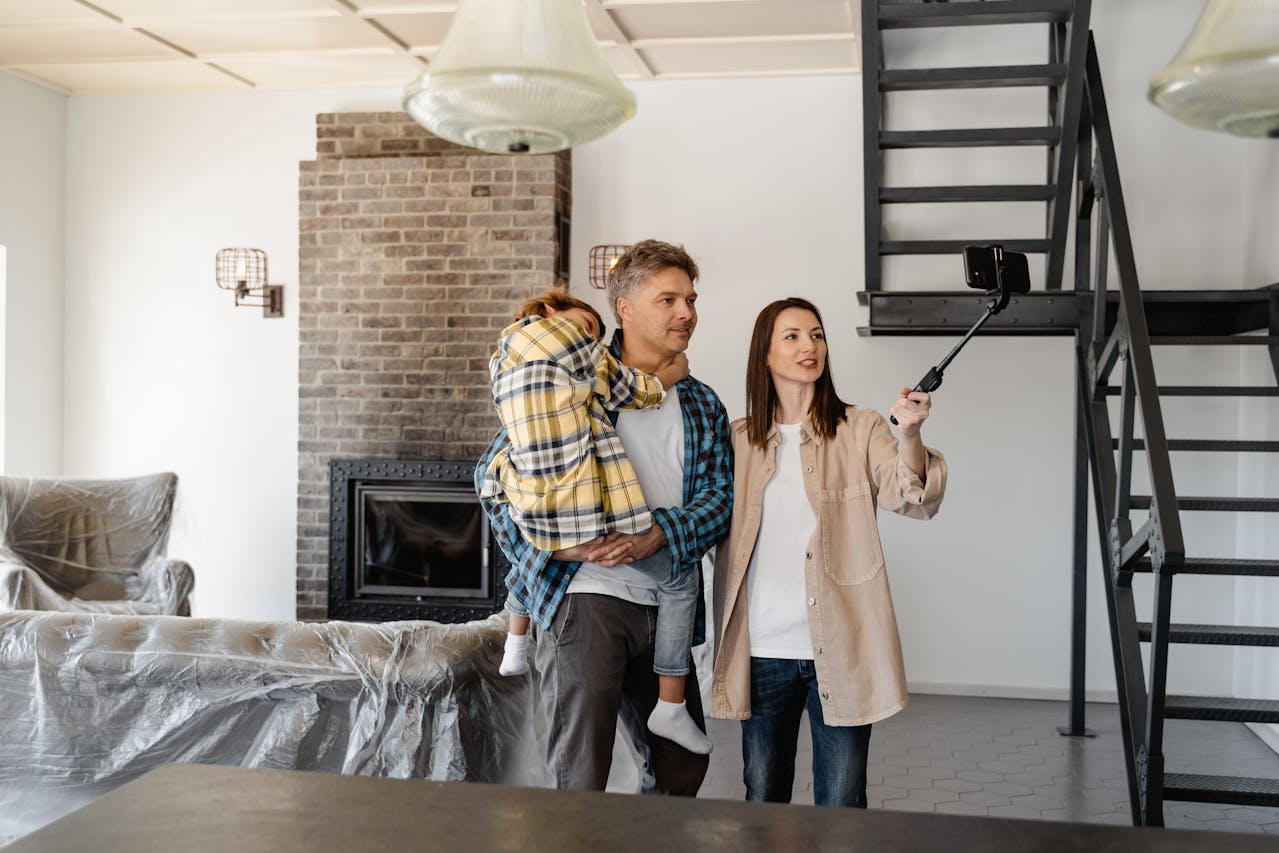
Use Each Room Based on How You Live
Every household uses space differently, so your layout should match your lifestyle. Instead of copying design ideas from magazines, focus on what makes sense for your daily routine. A room only feels functional when it supports how you actually live.
If you work from home, dedicate a quiet area for productivity. If you enjoy hosting friends, arrange seating to encourage conversation. Families with children may need open areas for play, while others may prefer cozy spaces for reading or relaxing.
Think about how often you use each room and for what purpose. A layout that fits your habits will feel more natural and enjoyable. When rooms serve clear functions, the entire home feels more organized.
Think About Storage From the Start
Storage plays a big role in maintaining a functional layout. Without enough storage, even well-designed rooms can feel messy. Planning storage early helps keep clutter under control.
Use closets, cabinets, and shelving wisely. Vertical storage often works well in smaller rooms. Furniture with built-in storage can also help, especially in bedrooms and living areas. Keep everyday items within easy reach, while storing less-used items out of sight.
Good storage supports your layout by keeping surfaces clear. When items have a place, rooms stay tidy and easier to maintain over time.
Let Natural Light Guide Furniture Placement
Natural light affects how a room feels throughout the day. Paying attention to light sources helps you place furniture in ways that make spaces feel brighter and more inviting.
Avoid blocking windows with tall or bulky furniture. Position seating where natural light enhances comfort rather than causing glare. In darker rooms, use lighter furniture and reflective surfaces to improve brightness.
A layout that works with natural light feels more open and pleasant. Light-filled spaces often feel larger and more welcoming, which improves the overall feel of the home.
Adjust the Layout After Living in the Space
Even with careful planning, some layout adjustments become clear only after living in the home. Daily routines reveal what works and what does not. That is completely normal.
Pay attention to areas that feel crowded or unused. Rearrange furniture to improve comfort and flow. Remove items that create clutter or block movement. Small changes can make a big difference.
A functional layout evolves over time. As your needs change, your home should change with you. Staying flexible helps your space remain comfortable and practical.
Designing a functional layout is one of the most important steps when moving into a new home. With thoughtful planning, clear walkways, and rooms designed around your lifestyle, your home becomes easier to enjoy every day. When you focus on how you live and remain open to adjustments, your space grows more comfortable over time. A well-planned layout supports daily life and helps your new home feel right from the start.
Editor’s Note: The opinions expressed here by Impakter.com columnists are their own, not those of Impakter.com — In the cover: View of a kitchen in a new home with a functional design Cover Photo Credit: MART PRODUCTION