The breadth of the Trump Administration’s intervention in the arts has been torturous and staggering.
Autocratic regimes have long shaped public perceptions and behavior, sometimes eradicating or reshaping various aspects of the arts. Even democracies have, on occasion, subordinated the arts to ideology, particularly during periods of existential crisis. In the U.S. during the Great Depression, World War II, and the Cold War, for example, literature and the arts were often shaped and molded by the government in ways that enhanced the image of political and cultural leaders.
But these efforts weren’t exclusively flattering to the ruling classes.
Paintings, novels, sculpture, architecture: all these were often crafted by their creators to appeal to both presidents and voters, rulers and the ruled, the rich and, yes, the downtrodden. The results, interesting enough, were frequently memorable, elegant, and enduring.
This kind of everyman culture no longer exists in the United States. Instead, the current President is subordinating the arts to his unrestrained will and his alone. He is engaged in a constant effort to shape the culture, its drama, music, and art in his own image, and some may well say he is succeeding. The results are foreboding.
A Cultural Bill of Particulars
Leadership Changes and Appointments
The Trump Administration has used key appointments to influence federal cultural institutions. For example, board and advisory appointments to National Endowment for the Arts (NEA), National Endowment for the Humanities (NEH), and other cultural institutions have been for those individuals who swear absolute fealty to the President, many with backgrounds skeptical about public funding for the arts, and with laser-like focus on nationalism and patriotism, and with a singular narrative about American identity.
Trump’s Arts Funding and Budget Cuts
The Trump Administration’s budget included substantial cuts, significantly reducing or aiming to eliminate federal funding for the arts, and although Congress ultimately continued some funding, there is no sense of future budget stability. The cuts to the NEA and NEH trickle down to local and state arts organizations reliant on grants. The cuts hereby disproportionately affect smaller institutions that serve underrepresented populations.
The Corporation for Public Broadcasting (CPB) and National Public Radio (NPR) have been significantly defunded. Coupled with attacks by the President and MAGA, public broadcasting’s ability to provide unbiased special presentations of documentaries and educational programs, including balanced news coverage, to serve as platforms for diverse voices, has been seriously curtailed.
Cultural Representation and Politics
Under Trump’s influence, museums on the National Mall, such as the National Museum of American History, the National Museum of African American History and Culture, and the National Museum of the American Indian, have altered, eliminated, or shifted exhibitions to place full emphasis on a patriotic narrative.
President Trump’s almost Orwellian Executive Order, “Restoring Truth and Sanity to American History”, targets funding for museums and programs at the Smithsonian Institution that he deems to have “promoted narratives that portray American and Western values as inherently harmful and oppressive.” Specifically, the order cites “The Shape of Power: Stories of Race and American Sculpture” as promoting a “divisive, race-centered ideology,” and takes issue with the National Museum of African American History and Culture for suggesting that “‘hard work,’ ‘individualism,’ and ‘the nuclear family’ are aspects of ‘White culture.’”
These critical aspects of American history, particularly those concerning civil rights, have been sidelined, thereby undermining the representation of diverse histories in major museums.
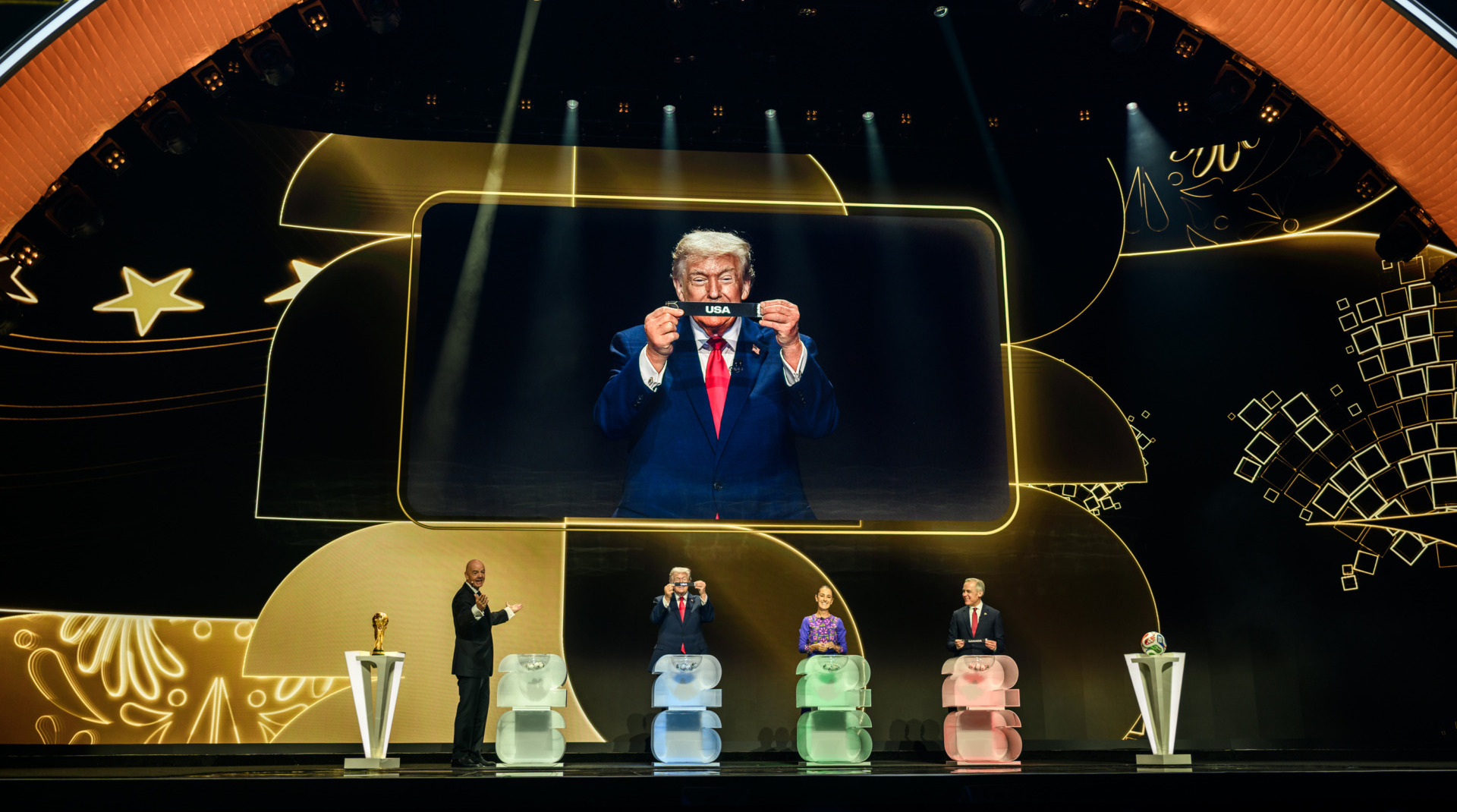
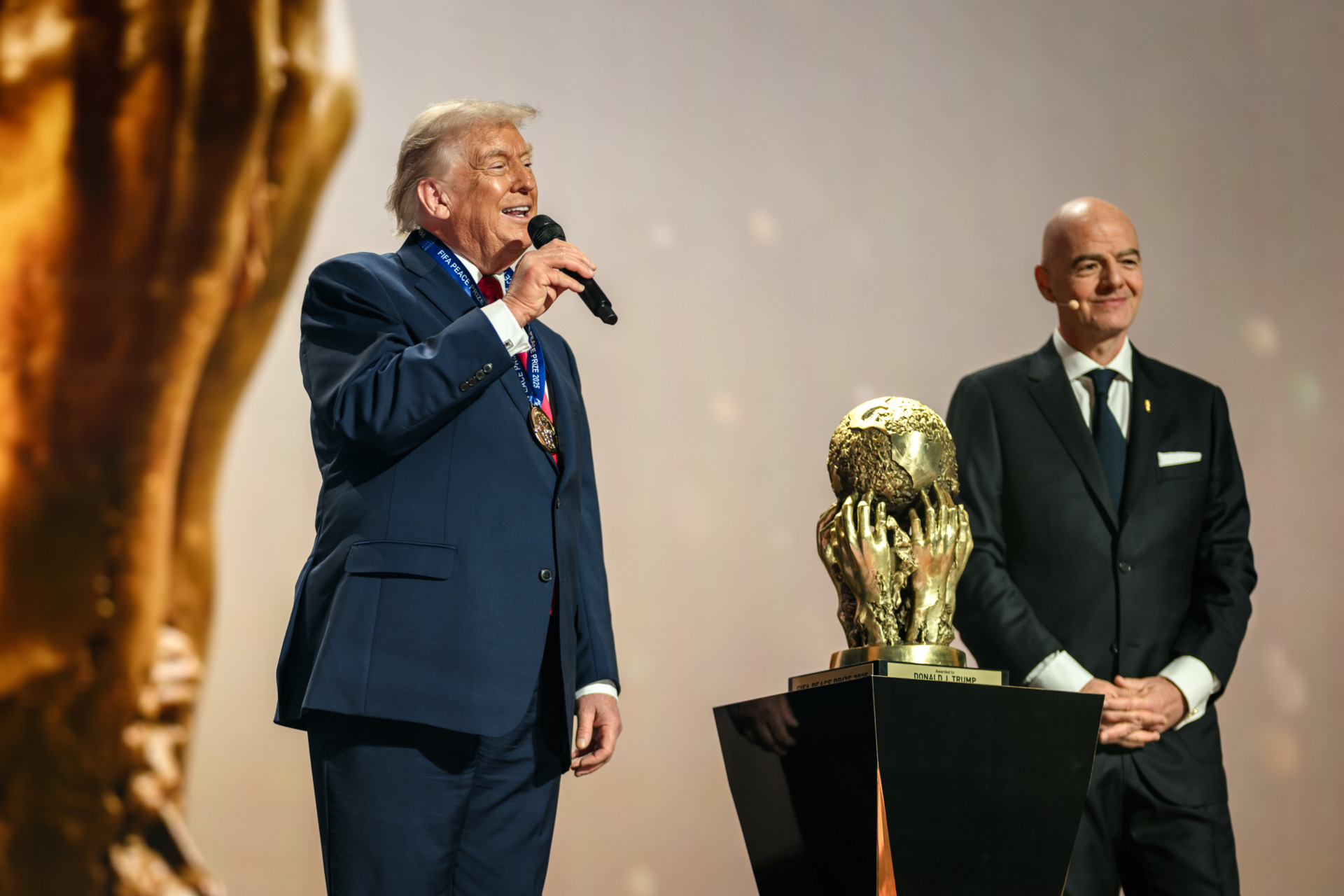
The John F. Kennedy Center for the Performing Arts has felt the effect, with its decade-long leadership essentially forced to leave, and many staff members terminated. Its new president, Richard Grenell, and new Board are completely selected by the Kennedy Center chairman, President Trump. He has become actively engaged in programming selection, disapproving of planned events that include gender or other aspects he dislikes, or adding others, including high-profile events such as the World Cup draw, which created a new FIFA Peace Award and its recipient, Trump. His hand is also apparent in the choices of individuals/groups recently selected for the Kennedy Center Honors.
Taken together, they raise a fundamental question about whether public institutions created by the federal government and receiving federal funding should be permitted to become politically polarized to such an extent.
Impact on Community Engagement
Many local and state cultural institutions that depend on substantial federal financing were challenged to adapt their outreach strategies amidst shifting political climates. Efforts to engage with diverse communities became even more essential, yet they often face obstacles due to changing funding landscapes initiated by the Trump Administration.
Responses to Trump’s interventions in the arts
There have been various ways in which artists and other affected members of society have expressed their concerns.
Voices of artists
Social Media Campaigns: Social media is a powerful platform for sharing personal stories, artworks, and opinions to raise awareness of the value of federal arts funding and the actions of the Trump Administration.
ARC – Artists at Risk Connection has developed a free online toolkit to help artists’ communities digitally engage and further build solidarity across the field.
Storytelling: Artists provide personal anecdotes about how NEA and NEH funding have directly supported their projects, careers, and paths, enabling them to create, innovate, and connect with audiences.
Art as Protest has long been part of American history, as exemplified by Paul Revere’s depiction of the 1770 Boston Massacre. Artworks today can protest the silencing of dissent and the cutting of funding through visual representation. These include murals, installations, and performances that highlight the importance of government support for the arts.
Related Articles
Here is a list of articles selected by our Editorial Board that have gained significant interest from the public:
Involvement of Communities
In a democracy, individuals and communities are, in theory, able to speak up to power, and if enough do, authorities react. There are avenues to demand reversal of decisions now harming the wealth of art accumulated over many decades, in the United States:
- Groups can mobilize to organize campaigns and events to lobby for nonpartisan support for the arts.
- Send letters and petitions to national lawmakers, focused on the reconsideration of funding cuts. Such collective efforts demonstrate solidarity within the arts community and support from outside the community.
- Establish and support public panels, public forums, and town hall meetings that examine the critical role of art institutions in their communities. Hammering on the importance of arts funding to galvanize community leaders and policymakers can have an impact.
Where We Are, Where We Can Go
The Trump Administration’s impact on federal and local museums, theater groups, orchestras, ballet companies, and other cultural entities, as well as other entertainment venues and public broadcasting, has created a corrosive environment. In danger of financial collapse, many venues are reconsidering their strategies and tactics in order to remain viable.
Ongoing efforts to restore federal funding, diversify representation, and foster community engagement are crucial to creating a more inclusive and supportive environment for cultural institutions in the United States. All of us are affected by what we see and hear: it is a call to act to regain the best of American “exceptionalism.”
Editor’s Note: The opinions expressed here by the authors are their own, not those of Impakter.com — In the Cover Photo: US President Donald Trump participates in the FIFA World Cup drawing, Friday, December 5, 2025, at the John F. Kennedy Center for the Performing Arts in Washington, D.C. Cover Photo Credit: White House / Daniel Torok.