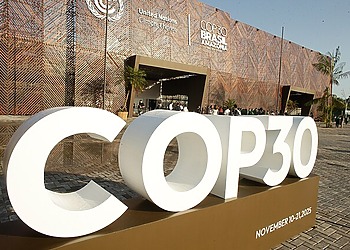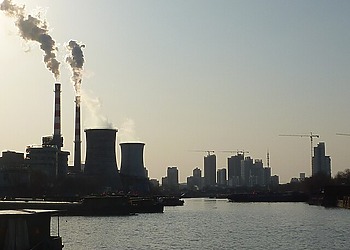
While much of the world’s attention is focused on limiting the long-term effects of global warming, the kick-off to COP25 fittingly shined light on the monumental challenges the world’s most vulnerable nations already face — challenges brought on by everything from rising sea levels to extreme weather patterns.
This article, first published on the ICLEI blog, is part of our “COP25” Editorial Series, done in partnership with ICLEI — Local Governments for Sustainability.
Addressing the COP25 Climate Vulnerable Forum session by remote feed on the opening day of the Convention, President Hilda Heine of the Marshall Islands described to delegates the “new normal” of her country, where “water covers much of our lands at different points of the year as we face rising tides.”

Just last week, the Marshall Islands was hit with unusually large waves averaging five meters tall. They battered the island, washing rocks and debris onto the roads, temporarily cutting access to the airport and forcing local schools to close. In reference to this, President Heine observed, “Hundreds of people have been forced to evacuate their homes,” going on to describe her country’s predicament as one where “it’s a fight to the death for anyone not prepared to flee.” She added the brave words, “But as a nation, we refuse to flee. But we also refuse to die.”
In the face of such daunting challenges, President Heine called on nations from around the world to address climate change not just with words, but through a tangible commitment. “2020 is the deadline for $100 billion (financial commitment) for climate action. Help us to help each other to see us through this storm.”
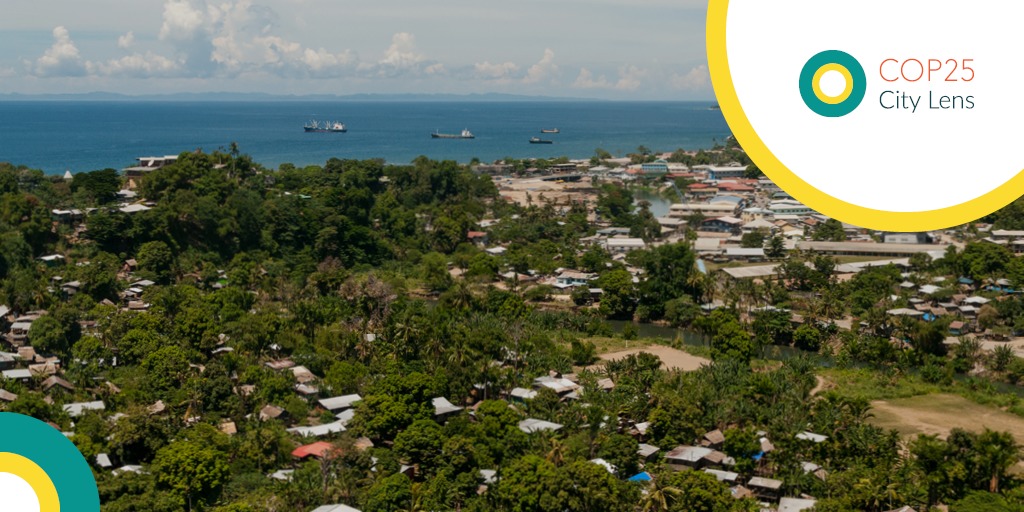
Neighbors to the South, the Solomon Islands is another island nation already wrestling with the serious consequences of climate change. Speaking in a separate interview, Wilson Mamae, mayor of, described the situation of his city as one of “living daily with disaster,” due to rising tide levels that threaten the city’s food supply and ongoing food security.
Related Articles: How Can Cities Create Circular Jobs? | South American Visions for Nature-Based Resilience
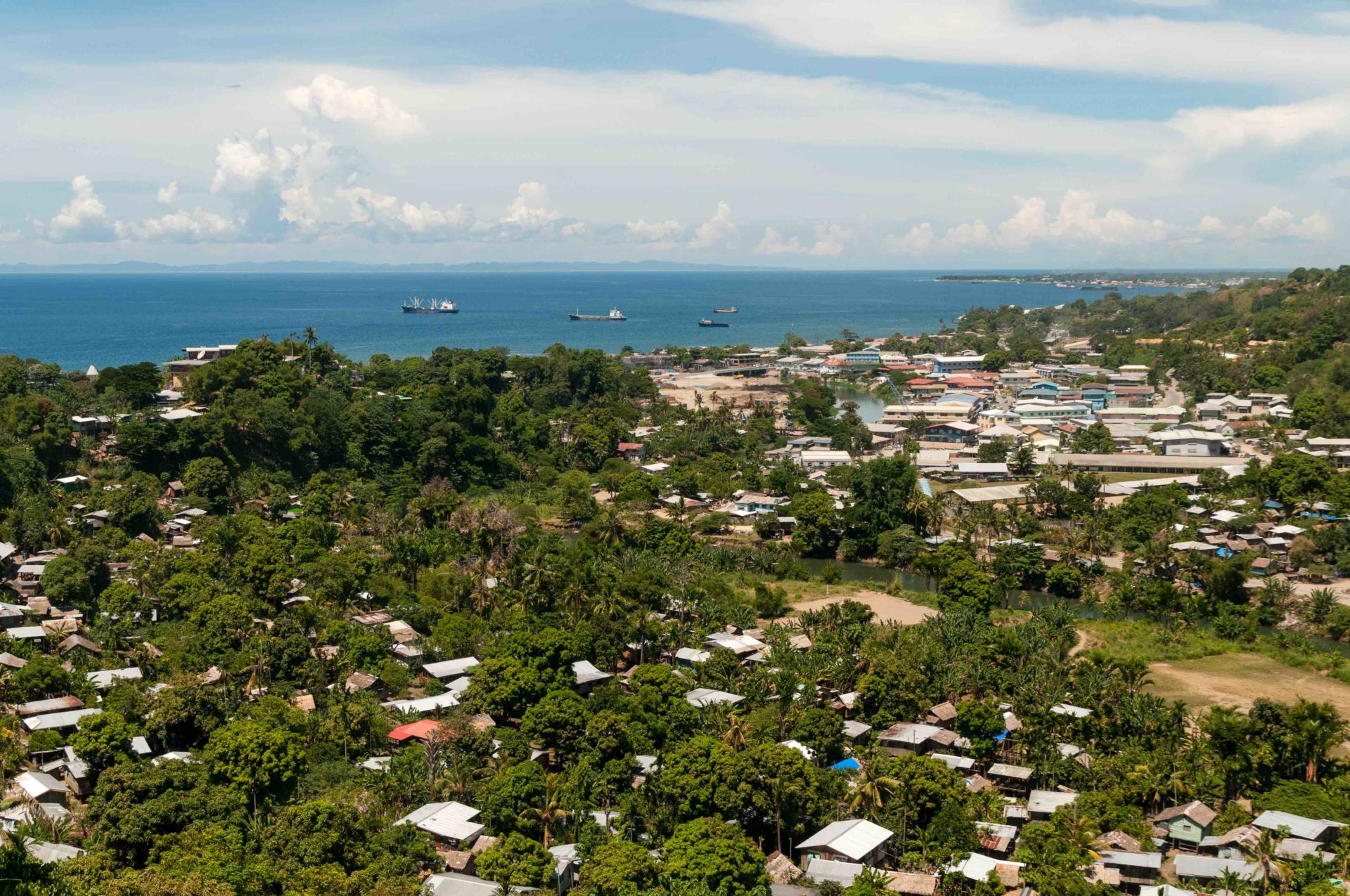
In recent years, dozens of Solomon Island residents have lost their lives as a result of heavy rainfall and flash flooding, mostly in low lying areas where people must decide to flee or wait for the next storm to hit. Honiara, the capital city, always a draw from the outer islands because of its economic and security opportunities, is inundated with new residents, some of whom are now coming because of displacement by the climate crisis.
The arrival of new residents in turn is creating land scarcity within the city. And the knock-on effect Mayor Mamae says is that “we are dealing with a lot of informal settlements, where people just come and build their houses without prior assessment or planning.”
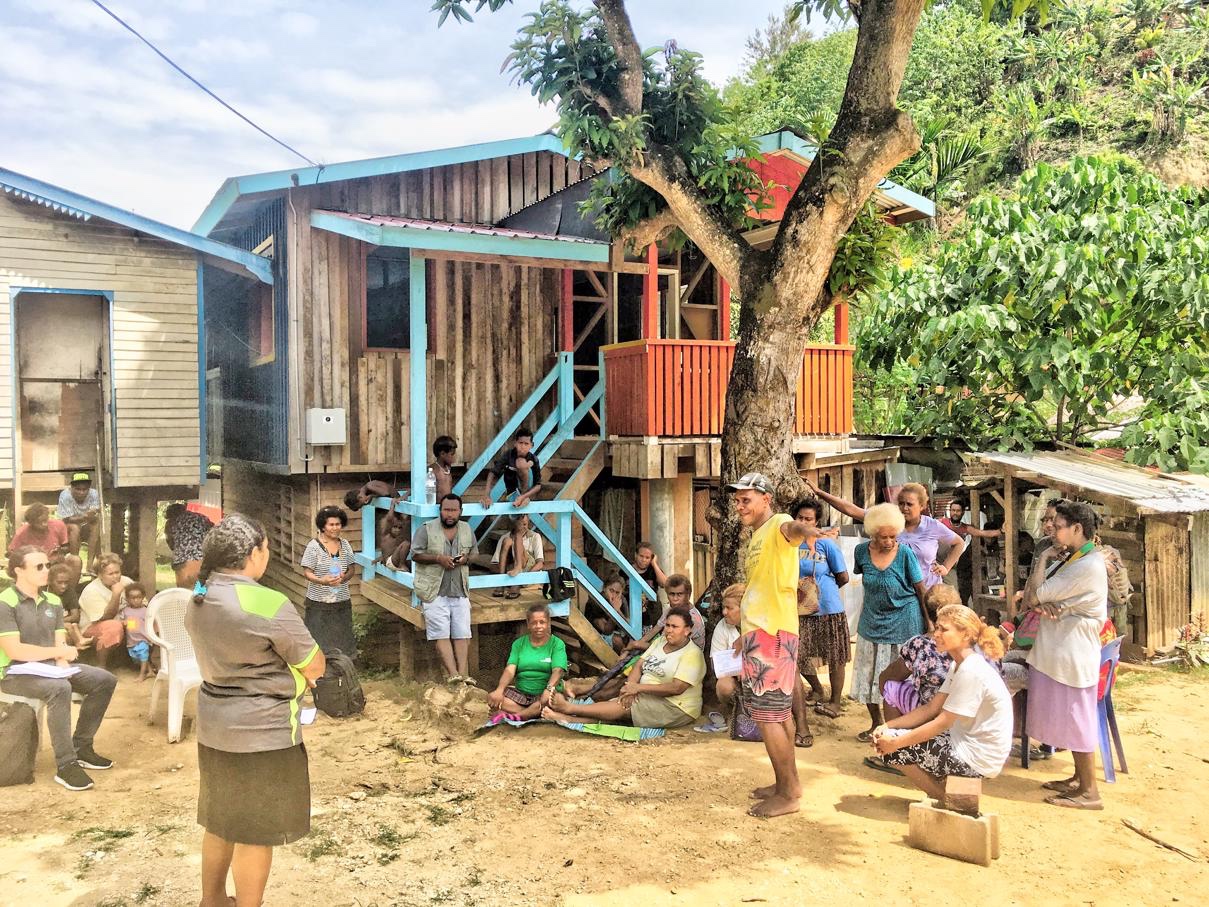
In response to this challenge, his administration is now negotiating with provincial authorities to extend the boundaries of the city to facilitate new, more resilient development. As part of this process, Mayor Mamae says: “we are working with government, local stakeholders and ICLEI to identify the most vulnerable residential areas and to come up with an action plan for redevelopment.”
“Most settlements in Honiara already feature strong leadership and connectedness. This needs to be translated into disaster and climate resilience planning and action, with the City providing guidance and material support,” said Steve Gawler, Regional Director of ICLEI Oceania. “We’re working closely with the Honiara City Council and leaders of vulnerable communities to help the City design services and disaster procedures to best support the villages, particularly to withstand flooding and landslides.”
Yunis Arikan — the Head of ICLEI Global Policy and Advocacy — says that coastal cities around the world are grappling with the reality that in some neighborhoods, after natural disasters, it no longer makes sense to rebuild and then simply wait until the next disaster comes along. “There are areas where it isn’t feasible to keep building, where residents need to relocate to a higher elevation. And this has huge implications for these people — people whose ancestors may have lived in the area for hundreds, even thousands of years. Because of this, they don’t want to leave.”
As much as they wish to remain, Arikan says the financial reality for these areas is “it doesn’t make sense to bear the cost of rebuilding, only for another storm to come along a few years down the road and take everything away again.”
The financial consequence of all of this he says is “the cost of relocating thousands of people and building new cities (on higher ground) is huge.” However, he says there are encouraging developments on the funding side that promises to at least lesson the brunt of these costs. One example he cites is the European Investment Bank, which has divested from fossil fuels and is now rechannelling much of this funding toward low carbon urban development. This is a revenue stream that places such as the Solomon Islands and the Marshall Islands are desperately in need of.
Yet another initiative under the auspices of ICLEI, with respect to planning and strategic support for some of these more vulnerable countries, is the establishment of country/city partnerships. For instance, cities such as Bonn, which is situated on the Rhine River and has a long history of dealing with flooding issues, has been paired with the island nation of Fiji.
The reality that the most vulnerable cities face is they can’t prevent future storms and flooding from happening. But we can help them to minimize damage to infrastructure and hopefully save lives.
— Yunis Arikan, Head of ICLEI Global Policy and Advocacy
Through this partnership, Bonn is sharing best practices tied to such challenges as flood mitigation, to enable Fiji to be better prepared for future disasters. “The reality that the most vulnerable cities face is they can’t prevent future storms and flooding from happening,” observes Arikan. “But we can help them to minimize damage to infrastructure and hopefully save lives.”
As Arikan attests, coping with the real-world challenges of climate change, not just in the future – but now, is a dialogue that will certainly remain top of mind for many attendees, long after COP25 is over.