Energy Innovation Policy and Technology, an organisation which creates analytical research to help policymakers make informed decisions, has released a new report this week which concludes that running 99% of the current coal plants in the US costs more than wind farms creating the same capacity of electricity would cost in their place.
New @EnergyInnovLLC analysis finds 99% of all U.S. coal plants are more expensive just to keep running than to build brand new wind and solar power. Explore this data visual to see the investment opportunities in your state: https://t.co/lJEIQ1QMvu
— Energy Innovation Policy & Technology LLC® (@EnergyInnovLLC) January 31, 2023
The price difference is drastic too. It has been estimated that the cost of new wind and solar farms would be 30% cheaper, at a minimum, than the current cost of running 75% of the current coal plants.
These savings are so great that they even make up for the often-questioned lack of reliability associated with renewable power. One common query, in particular, is that renewables are very weather dependent.
However, in this case, the additional 30% of the money saved is enough to put battery storage in place, meaning there could be constant access to the energy supplied by these renewable sources, at all times, no matter the weather.
Therefore, it is now cheaper to build an entirely new wind or solar power plant than it is to keep 99% of current fossil fuel plants running.
Keeping these plants connected to the grid, where the energy can be saved for days when the weather is not in its favour, is a key part of the money-saving solution.
The analysis that has been done to estimate these figures was facilitated by $370bn in tax credits for supporting clean energy and was formed by the democrats in last year’s Inflation Reduction Act, compared the costs of the fuel, running and maintenance costs of North America’s coal fleet in comparison to that of starting a new wind and solar farm from scratch.
The average incremental cost for the running of coal plants is $36 per megawatt hour, whilst that of a new solar plant would be about $24 every megawatt hour, roughly 30% cheaper.

Michelle Solomon, a policy analyst at Energy Innovation who undertook the analysis says, “It shows that not only have renewables dropped in cost, the Inflation Reduction Act is accelerating this trend.”
We have relied on coal as our main source of power for hundreds of years, and it is currently responsible for 60% of global warming emissions produced since electricity was discovered.
However, although coal continues to be a popular form of electricity, from 2007 to 2021 output has decreased by 55%, and jobs in the industry have halved over the last decade.
Solomon also suggests that we invest in solar and wind now, so that “when the time comes, we can wean ourselves off coal.”
Although this shows a positive attitude towards the transition to renewables, considering the current state of the climate emergency, it should be recognised with higher attention that the time Solomon refers to, may well have already come.
Coal production in the US hit a 55-year low in 2020, and whilst this might seem environmentally positive, it is in fact due to coal plants being increasingly expensive to maintain, with cheap sources of gas being used as their replacement.
That being said, the coal industry did see a small increase in popularity last year due to Russia’s invasion of Ukraine, which put pressure on countries to find alternative sources of fuel other than Russian gas.
However, though the war may have pushed gas prices to a skyrocketing level, this may only be semi-permanent.
What’s more, research is also suggesting that this worldwide increase in prices is encouraging the much-needed switch to sustainable sources of energy due to the vast difference in price.
Related Articles: A New Era in EU Electricity: Wind and Solar Overtake Gas | Electrifying the Roads: Overview of the Electric Vehicle Industry | How the European Central Bank’s New Climate Policy Could Reduce Both Emissions and Inflation | For the First Time Ever, Investments in Low-Carbon Energy Are on Par With Fossil Fuel Spending
Despite the fact that the difference in cost of renewables and fossil fuels has been shown to be so great that batteries can be provided to save the renewable energy produced (making it more reliable), supporters of coal have still criticised Biden’s attempts at the switch to renewables.
“Forcing essential coal capacity off the grid – without reliable alternatives and the infrastructure to support them – will only deepen reliability and economic challenges,” said Rich Nolan, president of the National Mining Association, in November.
“Look to our friends in Europe, who blindly rushed to close coal plants at a rapid pace and are now working from Germany to Denmark to bring those same plants back online. The global energy crisis is real and imposing costly burdens on people around the world and here at home; taking deliberate steps to intensify that crisis is reckless and unthinkable.”
Impact and opportunities for businesses
The switch to sustainable energy is something that has needed to happen – for the sake of the environment – for decades.
Yet it seems like only now, when there is a literal energy crisis and economies are being affected just as much as the environment, that governments are starting to listen and act.
Solomon has accepted that the switch from coal to renewables cannot happen overnight, but the time has come to start that transition, and “accelerate the buildout of wind and solar.”
James Stock, an economist at Harvard University who was not involved in the Energy Innovation report, has said that coal is no longer economically competitive.
“We can’t shutter all these plants tomorrow, we need to do it in an orderly fashion to support grid reliability, but we should be able to do it in fairly fast order,” he said, adding that “Coal has been on a natural decline due to economics, and those economics are going to continue, this is a transition that’s just going to happen.”
“We built a lot of coal plants in the US around 50 years ago because we were worried about energy security in the world. That made sense at the time and they made an important contribution. But we know a lot more now about climate change, so now we need to make different decisions,” says Stock.
So finally, now that renewable sources provide more to an economy than some fossil fuels, a grand transition is happening, or is at least recognised by governments as needing to happen.
Climate change – for the first time in forever – seems to finally be having more of an impact on government decisions.
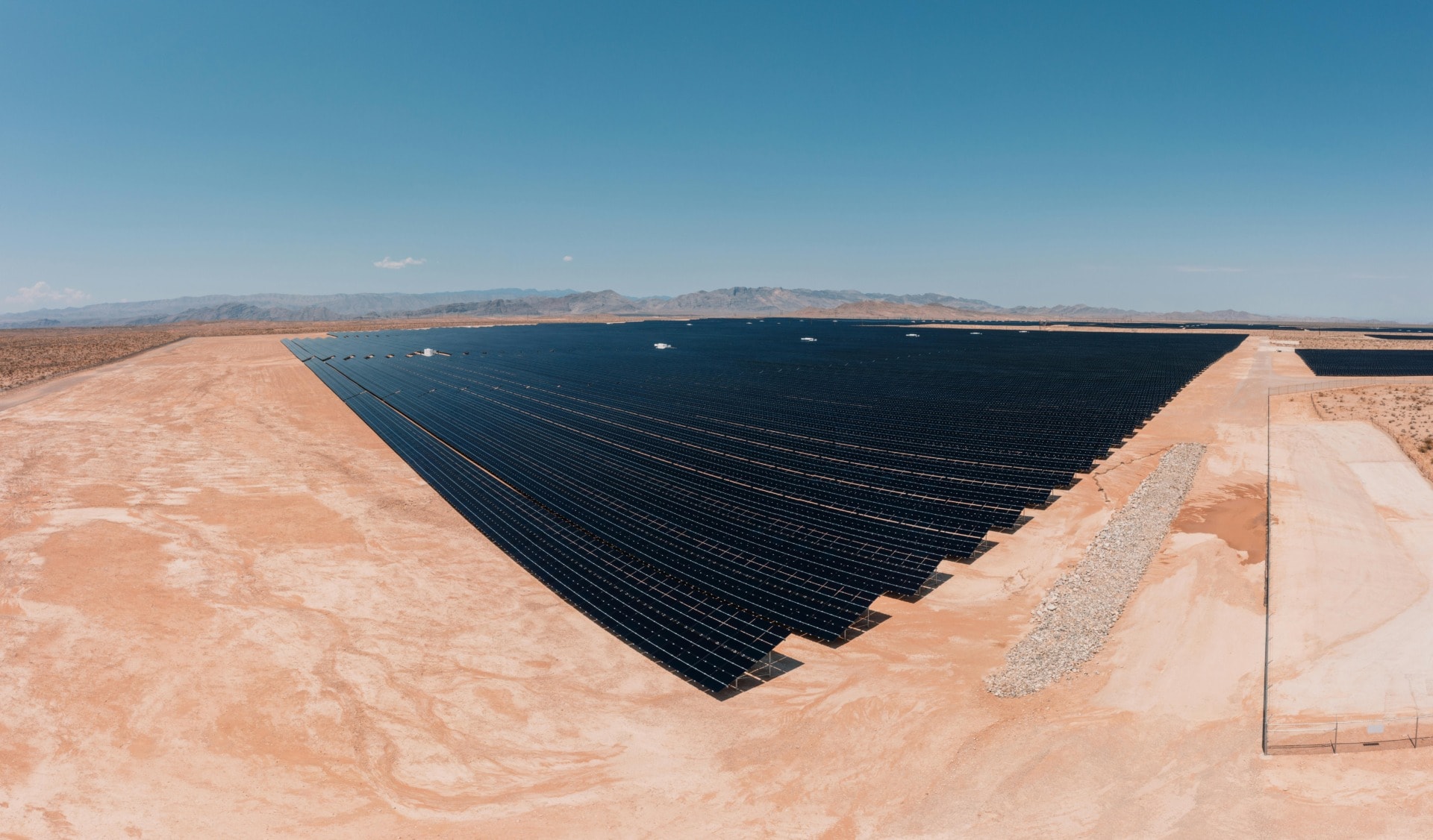
Editor’s Note: The opinions expressed here by Impakter.com columnists are their own, not those of Impakter.com — In the Featured Photo: Solar power farm from above. Featured Photo Credit: Kelly/Pexels