

Today’s ESG Updates
- Chinese Battery Makers Expand Abroad as Protectionism Grows: Chinese groups have announced nearly $90bn of overseas battery investment since 2023, yet analysts expect China to keep over 80% of key production in 2034.
- Climate Transition Plans Linked to Cheaper Borrowing: Research for a regulator-backed network finds companies publishing detailed plans paid borrowing costs 0.8 percentage points lower, though experts question whether disclosure is the cause.
- Jackdaw Approval Draws Fierce Climate Backlash: Campaigners say the North Sea gasfield will neither cut bills nor boost energy security, while some Labour MPs eye a trade-off to protect the EV mandate.
- Farmworkers’ Retailer-Backed Model Fills the Heat Protection Gap: The Fair Food Program enforces heat protections through retailer purchasing, and other worker groups are copying it as US federal standards stall.
Chinese Battery Makers Expand Abroad as Protectionism Grows
Chinese battery makers are building a supply chain outside China as the west moves to protect itself from imports of materials, components and finished cells. They have announced $12bn of investment across 14 overseas deals this year, taking the total since 2023 to nearly $90bn. Europe has drawn $31.5bn of that, second only to south-east Asia. Gotion said in late September it would invest more than €1bn with Volkswagen in plants in Spain, Slovakia and Morocco.
The shift reflects the EU’s localisation rules and weak growth at home, where analysts say battery capacity exceeds near-term demand. Brussels wants the bloc’s battery supply chain fully localised by the end of the decade, but carmakers say they need more time. CATL’s Matt Shen warned that buying everything outside Europe is not economic. Wood Mackenzie expects Chinese groups to still hold over 80% of production across four key battery building blocks in 2034. Governments are also scrutinising Chinese deals, and Germany blocked one acquisition this month.
Klimado – Navigating climate complexity just got easier. Klimado offers a user-friendly platform for tracking local and global environmental shifts, making it an essential tool for climate-aware individuals and organizations.
Climate transition plans linked to cheaper borrowing
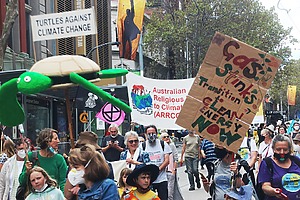
Companies that publish detailed climate transition plans paid lower borrowing costs than peers that did not, according to research commissioned by the International Transition Plan Network, a group of financial regulators and policymakers. Between 2016 and 2023, listed companies with fully developed plans paid effective interest rates that were on average 0.8 percentage points lower. The study covered almost 8,000 companies and controlled for size, sector and region. The link was strongest in financial services and real estate in developed economies, and in healthcare in developing ones. Disclosure had no significant effect on profits or share performance.
Analysts urged caution. LSE’s Nicola Ranger said it was uncertain whether disclosure caused lower costs, since it may simply reflect better management and reporting capacity. The research did not separate borrowing costs by type of debt. SOAS’s Ulrich Volz noted that markets have not clearly rewarded sustainable companies, pointing to strong oil stock performance this year. Others said investors may treat plans as a sign of better risk management.
Related Articles
Here is a list of articles selected by our Editorial Board that have gained significant interest from the public:
Jackdaw approval draws fierce climate backlash

Climate campaigners have condemned the government’s decision to allow drilling at the Jackdaw gasfield in the North Sea, warning it undermines the UK’s climate targets and will not cut bills. Friends of the Earth said the gas will be sold on international markets, so it will not improve energy security. Greenpeace UK said the project will create just 27 full-time jobs. The Green Party’s Zack Polanski called the decision “climate vandalism” and said the energy secretary has herself admitted it will make no difference to bills.
The Conservatives, Reform and some union leaders, including Unite, welcomed the approval, while ten unions have opposed the Rosebank oilfield, where a decision is still pending. Some Labour MPs are reportedly seeking a trade-off, staying quiet on the North Sea in return for protecting the electric vehicle mandate. Power Shift Africa’s Mohamed Adow said the move damages the UK’s credibility as it heads to COP31 next month.

Farmworkers’ retailer-backed model fills the heat protection gap
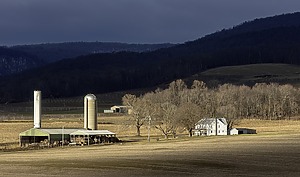
When government heat protections for U.S workers stall, a farmworker-led program in Florida is filling the gap. The Coalition of Immokalee Workers’ Fair Food Program has some of the strongest heat protections in the country, enforced through the market. Retailers pay a small premium to buy from farms that follow a worker protection code, and farms that breach it can lose their preferred status. The program now includes 14 major buyers, including Walmart and McDonald’s, and requires shade, cool water, paid rest breaks and, from this summer, year-round electrolytes.
Other groups are copying the model in dairy, construction, sugarcane and bananas. Miami’s WeCount is targeting indoor plant grower Costa Farms, after Florida pre-empted its county heat ordinance. Federal OSHA heat standards are stalled, and a proposed bill would block them. Costa Farms says it already provides heat protections.
Editor’s Note: The opinions expressed here by the authors are their own, not those of impakter.com — Cover Photo Credit: Wikimedia Commons