Since 2011, the South American neighbourhood has concocted a novel regionalist scheme, the Pacific Alliance (PA). Oriented towards motivating deeper trade and investment relations with Asia through intergovernmental understanding – while avoiding any sort of supranationality or requirement to (partially) give up sovereignty, as is the case with the European Union.
The Alliance emerged within a Southern political climate that challenged both neoliberalism and the influence of the United States (US). This “anti-globalization strategy” led by Venezuelan President Hugo Chavez Frias (1999 – 2013) was echoed by some of his South American colleagues, President Correa in Ecuador and President Morales in Bolivia. Chavez’s cosmovision materialized in an international organization created in 2004 named the Bolivarian Alliance of the People of Our Americas (ALBA in Spanish).
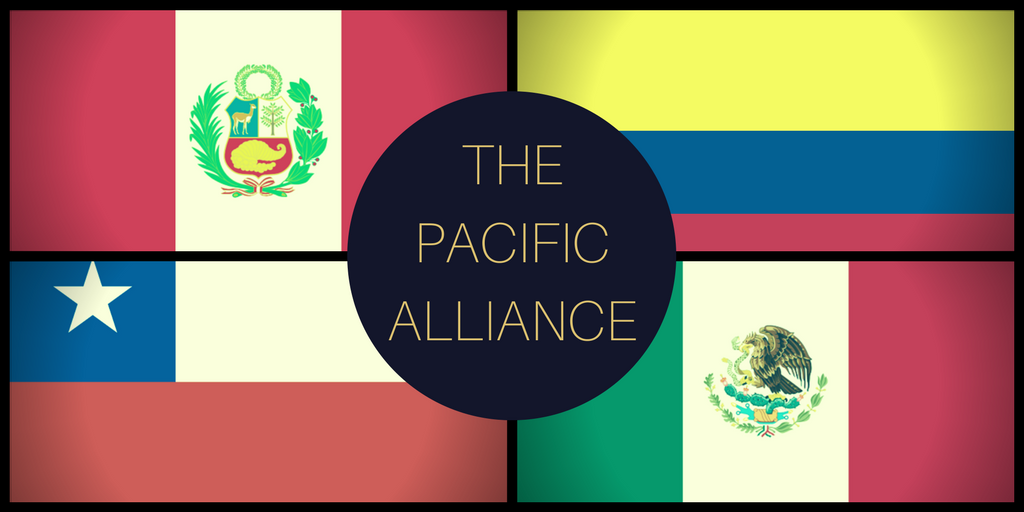
IN THE PHOTO: The Pacific Alliance is one of several South American trade agreements
Some argue that the PA is essentially a trade oriented group, as opposed to other South American regionalism schemes such as ALBA and the Southern Common Market (MERCOSUR in Spanish) – set up originally by Argentina, Brazil, Paraguay and Uruguay with a domestically trade oriented approach. Thus, representing a ‘leftist political activism’ in South America – as Andrés Malamud states.Despite South American regionalism seems to be fragmented and ideologically and geographically divided between the Atlantic (ALBA and Mercosur) and the Pacific (Chile, Colombia, Peru), it did not impede those blocs to race to attract Chinese investment and show readiness to satisfy Chinese demand for raw materials required by their industry in response to growing middle class needs.
The PA South American members (Chile, Colombia and Peru) share basic principles set domestically in their trade and foreign policies as well as their trade and investment strategies. The presidents themselves acknowledge their common need to have closer and deeper relations with Asia as a unit so that key trade partners, such as China, might identify them as an attractive host-bloc of investment basically based on cooperative means on trade and investment.In fact, these economies political and economic interests reflect upon their common interest– as a group. In this sense, the PA South American members (Chile, Colombia and Peru) self-identify as promoters and highly engaged players of trade and investment rules. However, the PA’s aim of promoting external relations as a bloc with China does not impede Chile, Colombia or Peru to engage in competition with one another.
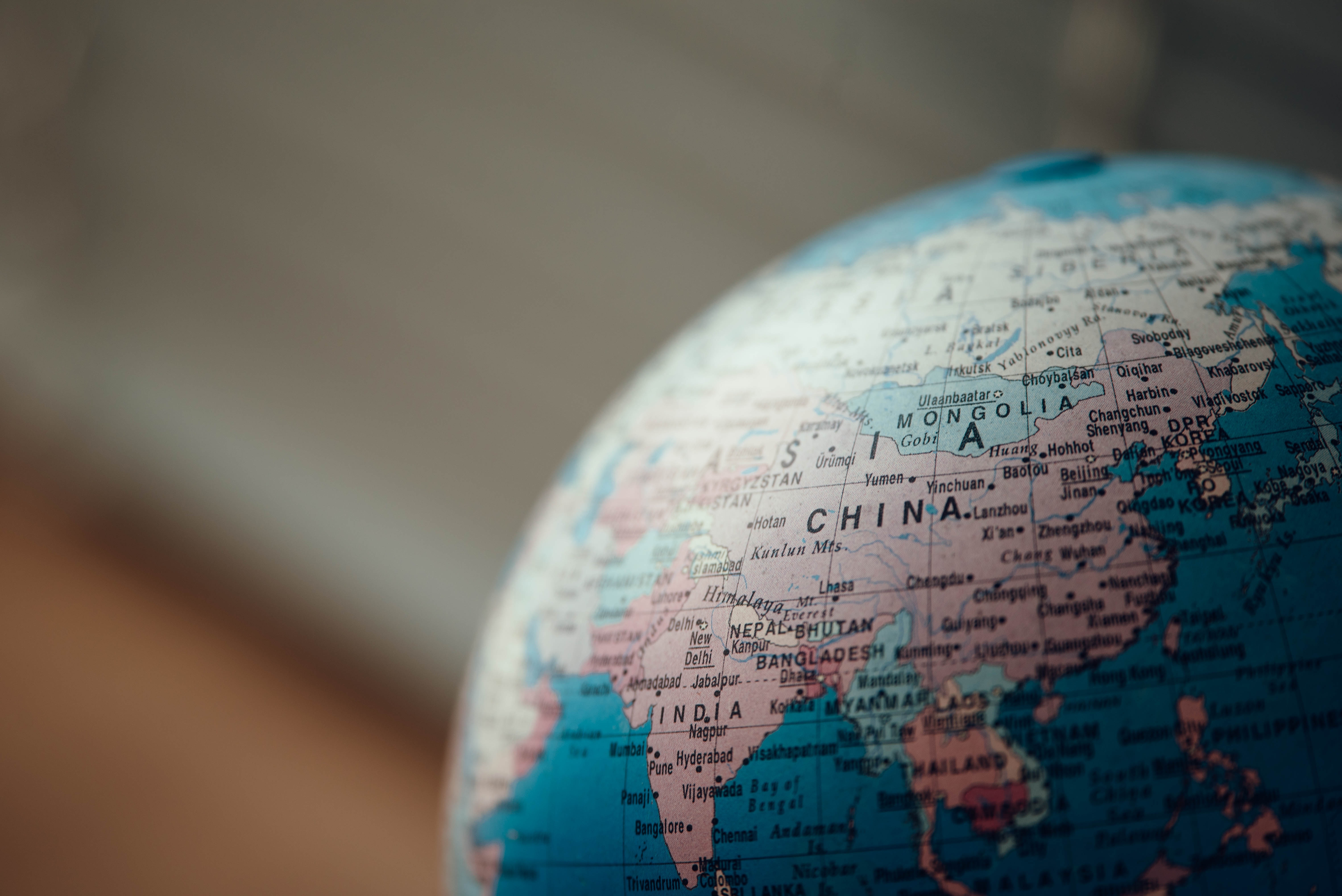
Currently, China has negotiated 147 bilateral investment treaties (BITs) with numerous African countries as well as with both the Association of South East Asian Nations (ASEAN) and non-ASEAN member. Making this Asian giant the most proactive country in the developing world in negotiating free trade agreements (FTAs) and BITs.

IN THE PHOTO: China represents a significant opportunity for PA members. Photo Credit: Yu Kato
On the other side of the Pacific, Chile and Peru are the sole South American countries that form part of the Chinese Free Trade Agreements (FTA) network. Yet Chile is the only one that has signed an FTA Upgrading Negotiation with China in 2017, however, rather surprisingly, it is the one with the least Chinese investment flows into its territory, thus causing a paradoxical situation (Heine 2016). Meanwhile all the South American PA countries have signed BITs with the Chinese (Peru and Chile: 1995; Colombia: 2012),while a possible FTA with Colombia is still under consideration.
Colombia, Peru and Chile aim to take advantage of their like-mindedness and policy convergence on economic issues so as to act as a bloc vis-à-vis China without engaging in a common foreign policy as such but in inter-governmental understandings coordinated between their foreign affairs ministries through a technical group: External Relations Group, ERG.
On political terms, however, China rather sees those three countries as part of Latin America and the Caribbean (LAC) for which there is no room in the Chinese Belt and Road initiative. In trade and investment terms, as data suggests, Beijing identifies LAC countries as promising trade partners as well as home for an extractive industry, to be built up through trade – mainly imports and investment.
According to the latest UNCTAD report, China is now the second largest foreign investor worldwide with a huge presence in South America mainly through greenfield investment in cross-border mergers and acquisitions (M&A sales). Despite the lack of an FTA between China and Brazil, there was a $7 billion rise of Chinese investment in 2017 ($9 billion) compared to 2015 ( $2 billion), boosted by megadeals involving China Three Gorges Corporation.
The Chinese presence in political and economic spheres in South America recently called President Trump’s attention, and resulted in warnings from Secretary of State, Rex Tillerson regarding the role of “new imperial power” that China is playing. However, it seems that the PA leaders see their roles in a different light, expecting a minimum of political – and economic – costs.
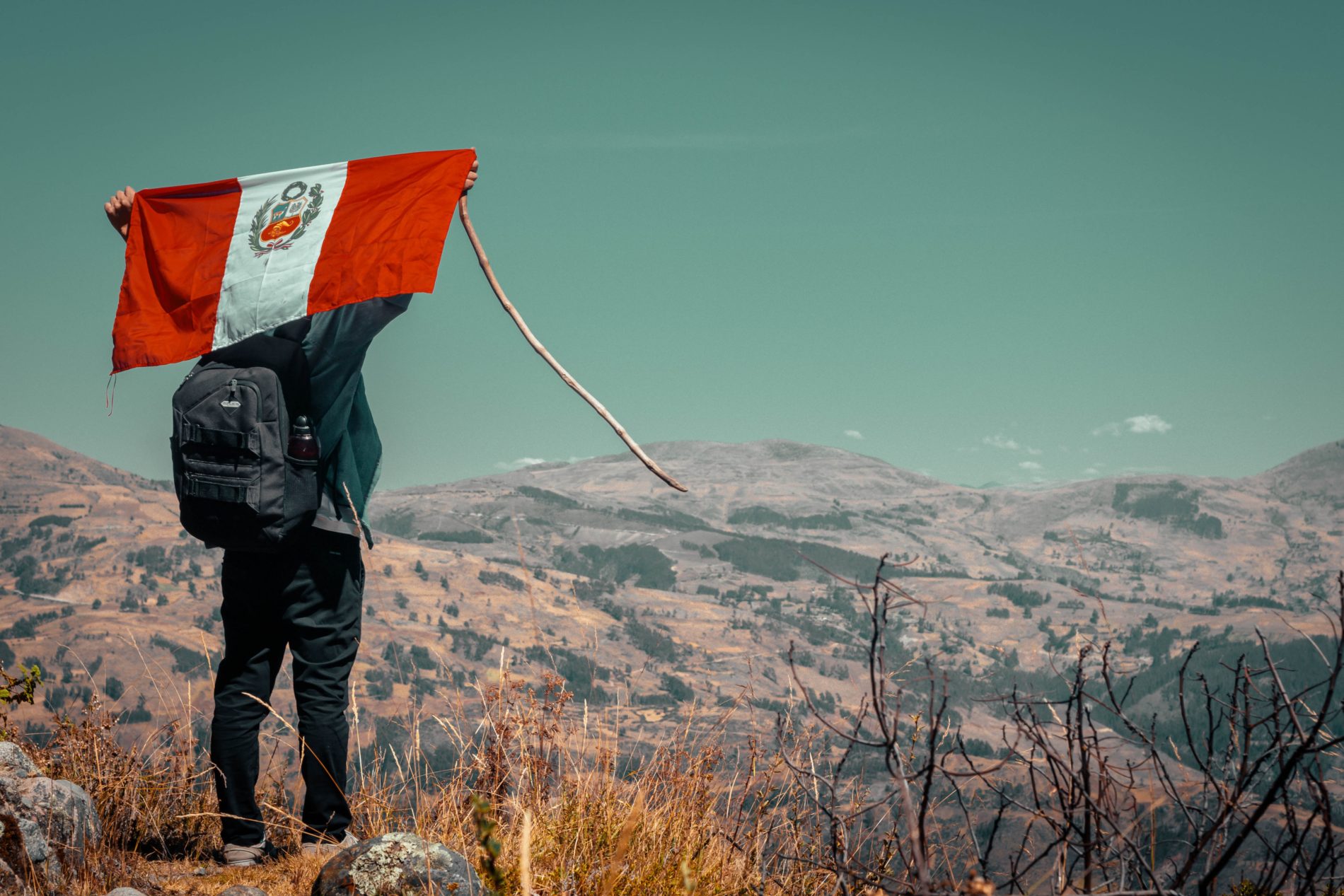
IN THE PHOTO: A man holds a Peruvian flag -Beijing identifies Latin American and Caribbean countries, such as Peru, as promising trade partners. Photo Credit: Carlos Ruiz Huaman
Furthermore, last year at Davos, President Juan M. Santos of Colombia, asked by CNN about his intervention regarding the changing roles played by China and the US, insisted that the “world is upside-down” as long as China keeps promoting free trade while the US speaks of protectionism. The Peruvian Ministry of Foreign Trade and Tourism responded, through Minister Mr. Eduardo Ferreyros, to the comments of Secretary of State Tillerson saying that “China is a good trade partner” and Peruvian international relations are going well. Then Chilean President Michelle Bachelet also foresaw Chile as a “pro integration axis”, hosting a high-level meeting between the Community of Latin American and Caribbean States (CELAC, in Spanish) and China, thus strengthening Chile’s image as a Pacific and pro-integration country. Both Presidents have been replaced since then, but so far there are no signs of actual policy changes on these issues in either country.
The Chinese presence in Chile and Peru, and to a minor extent in Colombia, is not unexpected. It is the outcome of Beijing’s long-term, yet slow strategy in approaching Latin America and the Caribbean (LAC) that seems to be of no interest to the current US administration. Chile and Peru are of course very interested in internationalizing their economies in Asia, taking advantage of the Chinese trade shifts. Colombia’s decision makers are instead trying to focus on the development problems of its Pacific Coast, caused by social inequalities, institutional weaknesses and insecurity levels caused by on-going armed conflicts.
China and South America’s Extractivist Model
Unfortunately, the long-sought integration between China and the LAC comes at a cost: Reaffirming Chile, Colombia and Peru’s extractivist development models based on excessive exploitation of natural resources. It seems however that the Chinese objective of deepening business relations with LAC partners, either on a bilateral scheme through the PA-ERG or on an inter-regional basis (ref. China-CELAC Forum), is built on a fresh cooperative understanding.
According to the Chinese Policy Paper on LAC (2016), a pragmatic cooperation trade network and investment oriented towards the identification of energy and resources with new targets (construction, agriculture, manufacturing, scientific and technological innovation) are on their way. These updated terms might indicate that a less extractive oriented model might rule the Chinese business agenda with LAC. As far as the Chilean and Peruvian models are concerned, their economic profiles are built on accepting the fact that national mineral wealth leads their domestic and foreign policies. The Colombian government, on the other hand, might decide to engage firmly in FTA talks with China thus facing a very likely probability of having to deal with the PA detractors, among them the Colombian Farmers Association and the National Association of Daily Products.
Greenfield investment on science and technology might be possible under the PA as a platform to engage in cooperative understandings in trade and services, innovation and technology. The PA defines itself as a platform to collectively engage in deeper trade relations. In fact, it aims to work as a multi-dimensional platform that deals with trade and non-trade topics through its PA-ERG. Topics included in the Chinese Policy Paper on LAC match with the PA thematic needs already identified by Chile, Colombia and Peru through the PA Working Groups (culture, innovation, mining development, trade and integration).
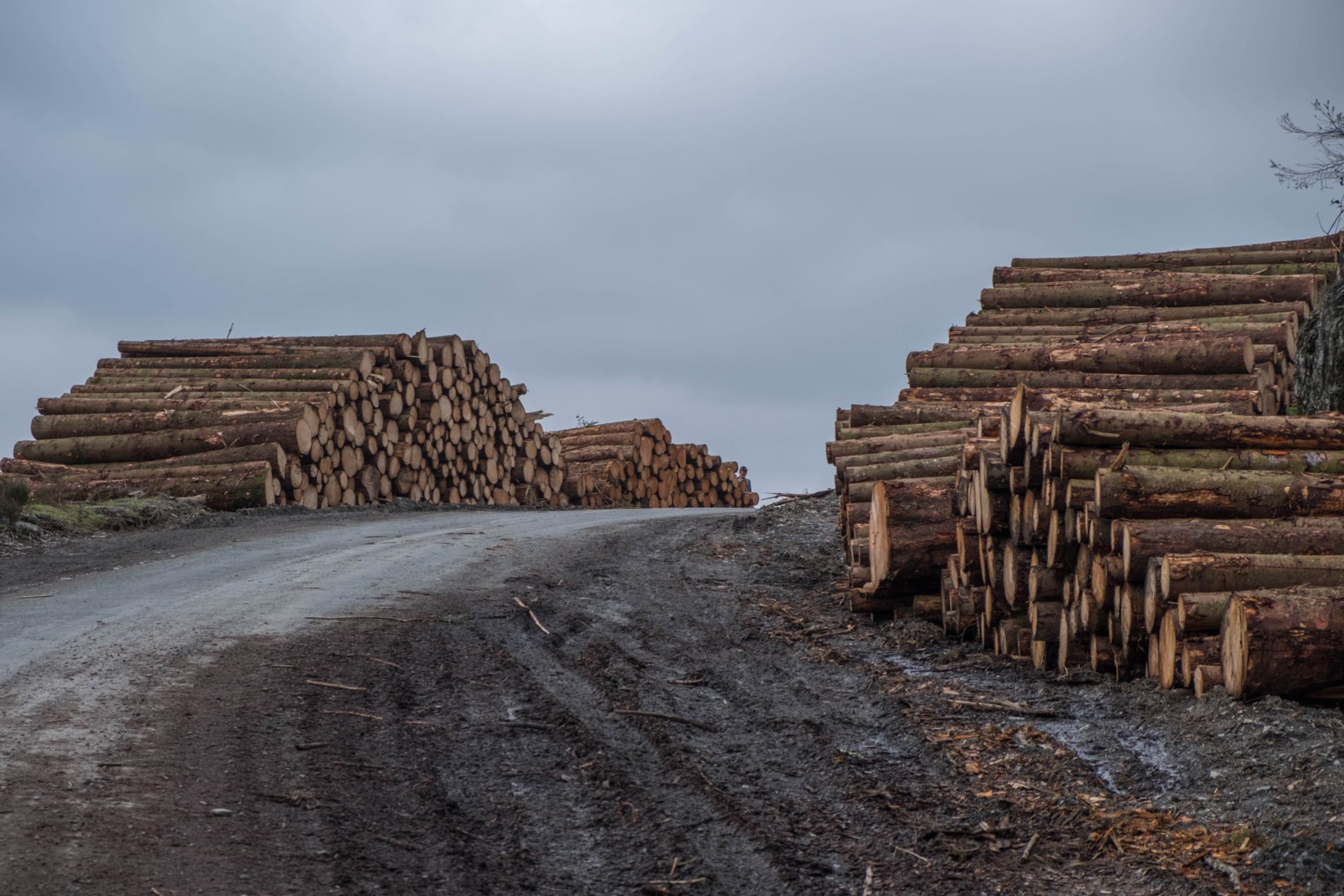
IN THE PHOTO: Chinese investment may come at a cost- further exploitation of natural resources. Photo Credit: Sean McGee
Some might argue that China-LAC dialogue via CELAC might put in danger the PA’s main objective regarding Asia. However, overlapping of international rules and practices is inevitable, and it is reasonable to expect different trade accords to be carried out simultaneously. On the contrary, China-CELAC dialogue opens a new channel to know what to expect from the Asian player. Therefore, the PA members might take advantage of their shared political approaches and joint actions to add value to what was possible and agreeable through FTAs and/or BITs.
It would be Beijing’s decision to use such a fast track with a group of countries that have already expressed the political will to get to a serious and comprehensive engagement with Asia – mainly China. If Beijing finds that using that track might be profitable and convenient for their own development model, then there would be no reason for the PA members to miss the chance but to take advantage of its practicality.
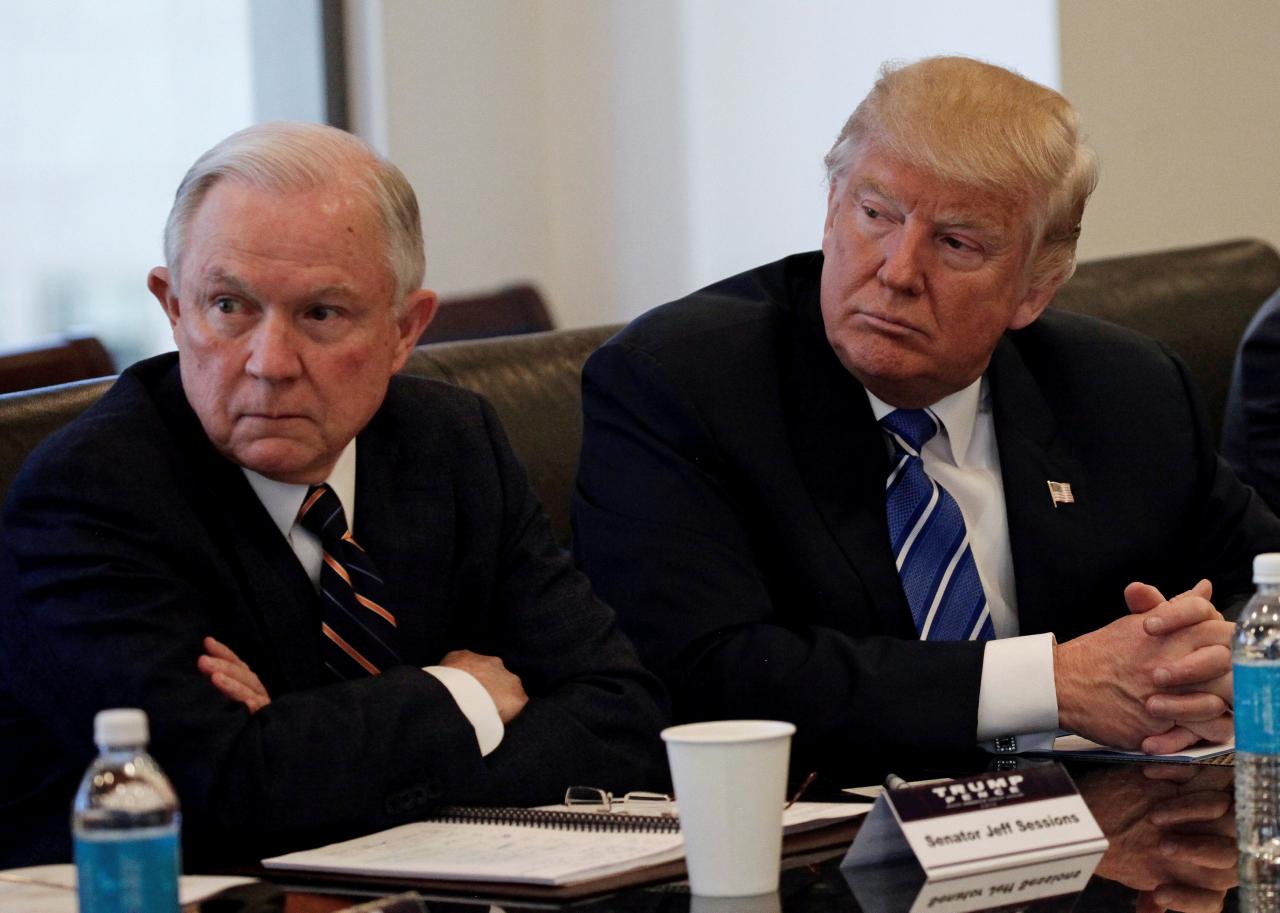
In the photo: The ‘Businesss Man’- but is Trump about to lose out on a big opportunity?
Considering the Chilean and Peruvian foreign (economic) policies and trade strategies performance, there is no doubt that they would be ready to engage in more sophisticated deals with the Chinese without hesitation. On the other hand, it would be certainly a challenge for the Colombian government which would partake in conversations with key business elites that have expressed their concerns regarding a more stable relation with the Asian country.With or without a fast track through the PA, the Chinese Policy Paper agenda is already moving forward in the Americas.
Deputy Director General of the Department of International Cooperation of the Ministry of Agriculture of China, Ye Anping, stated that the Inter American Cooperation on Agriculture (IICA, in Spanish) is “the most important agricultural institution of the Americas”. Mr. Anping made then clear that his country is the most important provider of South-South financial cooperation in agriculture.
The Chinese agenda on LAC is broad but it is set and clear. It is now time that LAC countries identify key and strategic sectors to develop domestically so that the African experience not be repeated. As far as the PA is concerned, being practical and flexible, it would welcome Chinese cooperation in key financial and technical strategic areas that would be collectively identified – hopefully, non-mineral oriented.