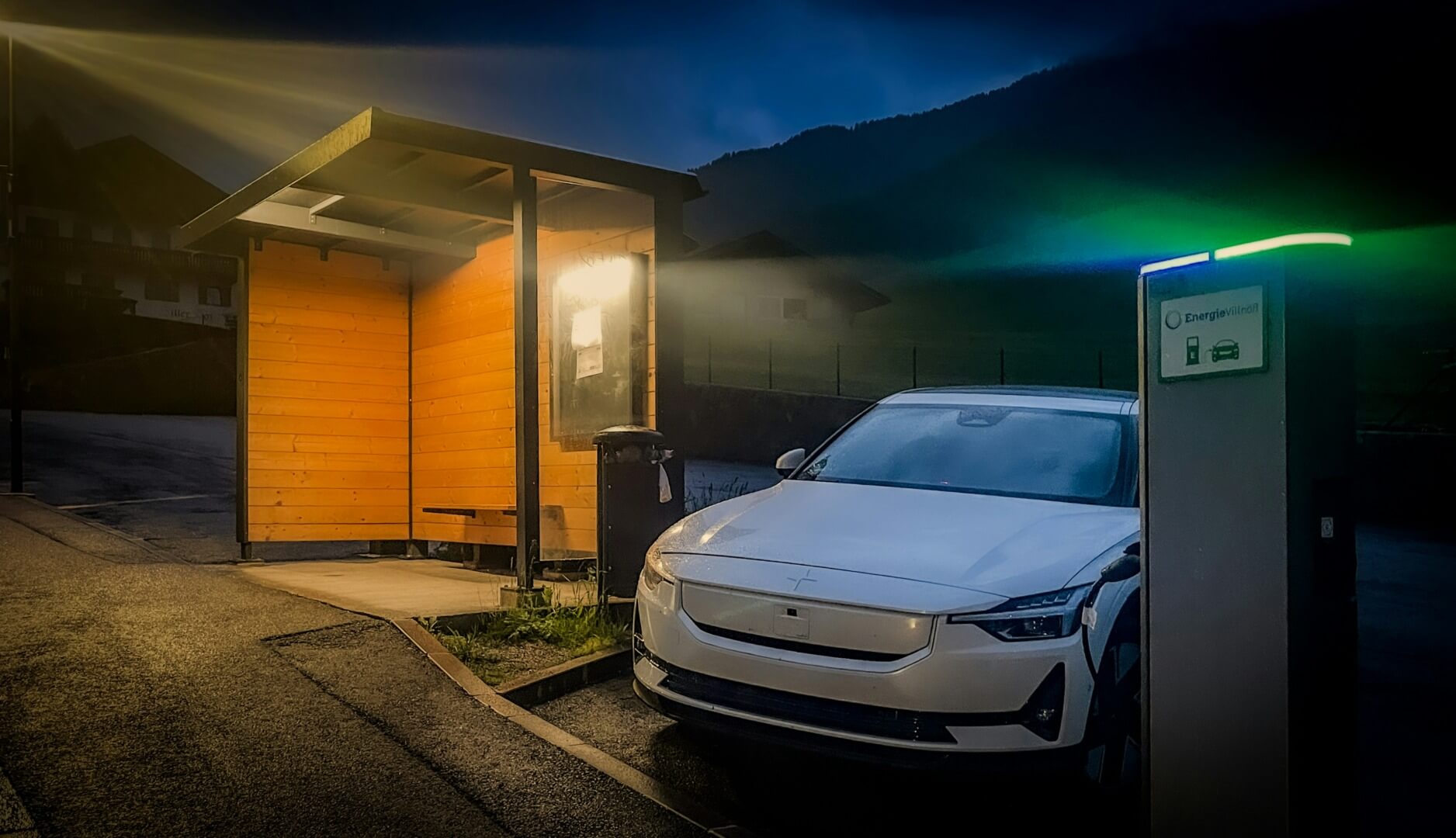
Electric car rental fleets fit the UAE’s push for cleaner transport and practical city travel. Terminals stay busy, weekday business trips fill the gaps, and most journeys sit inside urban loops that suit electric range. Hotels add chargers, malls test fast stations, and city plans move faster than a few years ago, so progress shows up on the street, not only in announcements. Real life still pushes back.
Summer heat trims range and slows fast charging when cells run hot. Chargers cluster near popular zones while older depots may lack power. Handoffs matter: a car returns warm, needs a top-up, a quick scan for tire wear, then back out on time. This piece maps what fleets face and what works now in Dubai and across the UAE.
UAE Snapshot: How EV Rentals Work Today
At the airport or a downtown branch, the steps feel familiar: pick a model, pass ID checks, grab the key card or app access, and roll out with a near-full battery. A modern car rental service in Dubai or Abu Dhabi now lists charge speed, real-world range, and where to top up, so planning the first day feels less like guesswork.
Travelers who want to rent a car for city errands often get a rental car with airport pickup, while longer stays lean on hotel or mall chargers between meetings and beach runs. For quick comparisons, many renters check renty.ae to review EV models, range notes, and pickup spots across the UAE that match their route and schedule. A car rental company may stock compact crossovers for everyday trips and a few premium sedans for luxury car rental needs.
Heat, Charging, and Real-World Roadblocks
In the UAE, summer rules the schedule. July and August push cabin cooling hard, so energy use climbs and usable range shrinks. Battery management slows fast charging when packs run hot, which stretches stop times during peak heat. Chargers sit where people gather—malls, hotels, office towers, and new hubs near beaches or business districts. That helps visitors, but it leaves thin coverage at older apartment blocks or small depots. Without reliable overnight charging, staff shuttle vehicles across town for a plug, which burns time.
Power capacity matters as much as the plug count. A row of 22 kW posts handles steady night charging, while a couple of DC fast units clear late returns. Clear rules on state-of-charge targets, car rotation, and who moves what keep small teams effective. Two minutes of coaching—plug type, charge etiquette, regen feel—cuts callbacks for renters trying to rent a car and go. If travelers need to find a car rental service in Dubai, they also need a simple charging map in the app or glovebox.
Money and Operations: What Adds Up
Electric fleets win on energy and upkeep, but the math needs care. Sticker price sits above many gas models, so a car rental company leans on lower “fuel” costs, fewer oil changes, and longer brake life to balance the books. Utilization becomes the boss metric; a car parked on a charger earns nothing. Night depot rates usually beat public daytime prices, and time-of-use tariffs help.
Depots need hardware and power upgrades. Level 2 posts handle most turns; a couple of DC fast units clear late returns. Software matters as much as cables—smart queues, clear targets, and alerts when a rented car finishes. Pricing should feel simple for visitors who hire a vehicle for a week, with plain range notes and charger locations. Premium models still serve luxury car rental bookings, while everyday crossovers cover most trips.

A Practical Playbook (Quick Wins)
- Start tight pilots: 10–30 EVs, defined routes, three-month clock; track utilization, charge time, summer range, and handoff speed.
- Blend models by job: crossovers for airport runs and city hops, sedans for longer client trips; match battery to shift length.
- Charge with a plan: night depot first; hold a couple of daytime DC slots for late returns; rotate cars on time.
- Partner for plugs: sign simple deals with hotels, malls, and business parks; place bays where renters already stop.
- Onboard fast: 90-second briefing, QR quick guide, and an in-car card with plug type, charger apps, etiquette, and a number to call.
Where the Upside Is
Tourism brings steady city trips, and cooler months spark weekend drives to beaches, museums, and desert resorts. Corporate mobility adds weekday demand as firms align travel with sustainability goals, which means predictable routes and repeat bookings that a car rental service can plan around in Dubai and Abu Dhabi.
Telematics sharpen the playbook: cluster vehicles where pickups actually happen, trim idle time, and rotate cars based on state of charge rather than guesswork. For visitors trying to rent a car for city errands, clear range info and charger maps reduce friction at the counter. Business guests who get a rental car for client meetings want straightforward pricing, fast checkouts, and a car that’s ready on time.
Conclusion
Electric rentals can work in the UAE when fleets respect heat, plan charging, and keep handoffs tight. The winners map real routes, place plugs where renters already stop, and train teams so each rented car returns charged and ready. Dubai’s fast pace helps operators as new chargers arrive and vehicles improve thermal management. Start with focused pilots, use data to cut idle time, and expand when the playbook holds. Do that, and an electric car rental service becomes a reliable way to rent a vehicle for everyday city travel.
Editor’s Note: The opinions expressed here by the authors are their own, not those of impakter.com — In the Cover Photo: electric car rental recharging – Cover Photo Credit: Bernd 📷 Dittrich