
Today’s ESG Updates
- Burnham Heads to COP31 With a Mixed Climate Record: Green groups say the Jackdaw approval and Budget cuts undermine the prime minister’s message at the UN summit.
- COP31 Electrification Pledge Splits Negotiators Over Clean Power: A proposed target to lift electricity’s share of final energy use to 35% by 2035 faces objections that it does not require clean sources.
- Global Fossil Emissions Flatline in 2026 After Iran War Shock: Fossil fuel emissions are forecast to dip 0.4%, but rising deforestation emissions push the overall total up slightly.
- Climate Finance Gaps Leave Poorer Countries in Limbo: Several major economies have not set out plans beyond this year or next, even though poor countries are due $300bn a year by 2035.
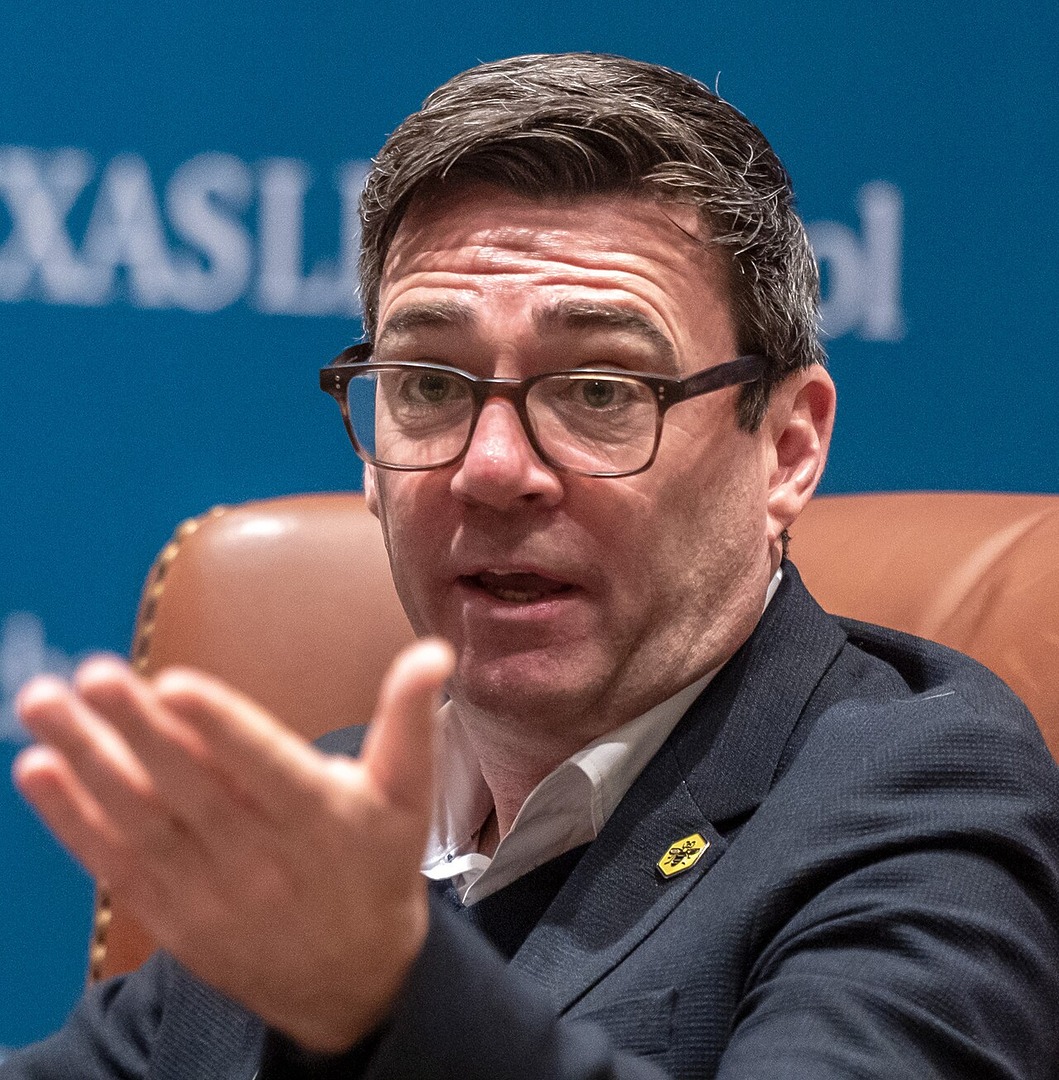
Burnham heads to COP31 with a mixed climate record
Andy Burnham heads to the COP31 climate summit in Turkey promising to “drive forward” progress, as one of few western leaders attending. Green groups and think tanks say his domestic record tells a different story. Since becoming prime minister in July, he has approved the Jackdaw gasfield, and his chancellor cut green capital programmes in the Budget, from Warm Homes insulation to hydrogen and carbon capture. The government’s target for electric car sales could also fall from 80% to 60%.
Critics say climate has never been a priority for him. WWF UK’s David Walsh said the positive international messaging is not matched at home, and the Green Alliance’s Mike Davis said the government risks being the worst in a decade on climate. Supporters point to £1bn of state investment in two Norfolk offshore wind farms and a £400mn commitment to a Brazilian rainforest fund. A decision on the Rosebank oilfield, which would produce seven times more emissions than Jackdaw, is still to come.
Klimado – Navigating climate complexity just got easier. Klimado offers a user-friendly platform for tracking local and global environmental shifts, making it an essential tool for climate-aware individuals and organizations.
COP31 electrification pledge splits negotiators over clean power
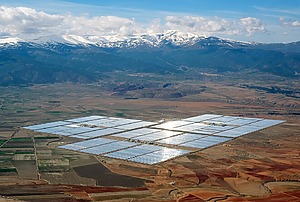
Turkey and Australia, the COP31 co-hosts, are proposing a pledge to raise electricity’s share of global final energy use from 23% to 35% by 2035. The Energy Transitions Commission estimates that, if powered by clean electricity, this would cut projected warming by 0.3C. But the wording does not require clean power, and some negotiators fear it could prolong fossil fuel use. One said the text had “clearly been run by Saudi Arabia”. The EU is divided on the pledge, and several countries have not jointly agreed to it.
UK energy secretary Miatta Fahnbulleh said the target must not erode the Paris Agreement by creating a “back door to non-clean” power. The Alliance of Small Island States would back its inclusion in the final agreement only if it specified clean energy, while the African group wants it kept in the non-negotiated action agenda. IEA chief Fatih Birol defended the approach, noting 75% of last year’s new capacity was renewable, and said insisting on clean sources would have made consensus harder.
Related Articles
Here is a list of articles selected by our Editorial Board that have gained significant interest from the public:
Global fossil emissions flatline in 2026 after Iran war shock
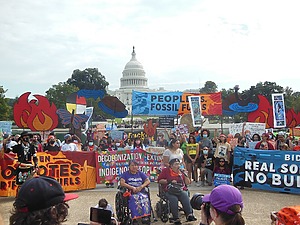
Global carbon dioxide emissions from fossil fuels are forecast to flatline in 2026, easing slightly by about 0.4%, as high oil and gas prices after the Iran war pushed people towards alternatives. The Global Carbon Budget, presented at COP31, projects that oil emissions will fall 2% as drivers cut fuel use and switch to electric vehicles. Two-thirds of rising energy demand is being met by solar and wind. China’s emissions are likely to fall by close to 1%, mostly from a 5% cut in oil use.
Scientists urge caution though. Total emissions, including deforestation and land use change, are still forecast to rise from 42.8bn to 43.3bn tonnes. Climate Analytics’ Bill Hare called the fossil fuel dip statistically indistinguishable from zero. India’s coal use is rising, and the remaining carbon budget for 1.5C is about 150bn tonnes, under four years at current rates. Cicero’s Glen Peters said one year’s fall is not a peak unless structural change drives it.

Climate finance gaps leave poorer countries in limbo
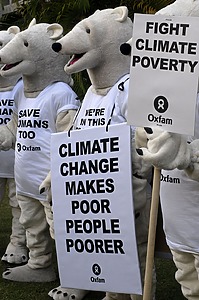
Developing countries are left in limbo as several of the world’s largest economies have yet to set out their climate finance plans beyond this year or next. Poor nations are due $300bn a year from industrialised countries by 2035, plus about $1tn from other sources. Analysis by the NRDC and E3G thinktanks suggests the developed world is broadly on track, with about $229bn a year expected by 2030, $185bn of it from development banks. If the EU keeps providing about $36bn a year, a gap of roughly $7bn would remain, which the U.S, Japan or Australia could help fill.
The silence has costs, however. Recipient countries cannot plan, and private investors are harder to attract. France, Germany and Australia have not published new goals, which is unusual for Australia as a COP31 presiding country. Carbon Brief found that if no new finance followed current targets, bilateral flows could fall 70%, though NRDC’s Joe Thwaites called this highly unlikely. France’s AFD says it will maintain €6bn a year, while Japan announced no new pledges.
Editor’s Note: The opinions expressed here by the authors are their own, not those of impakter.com — Cover Photo Credit: Wikimedia Commons