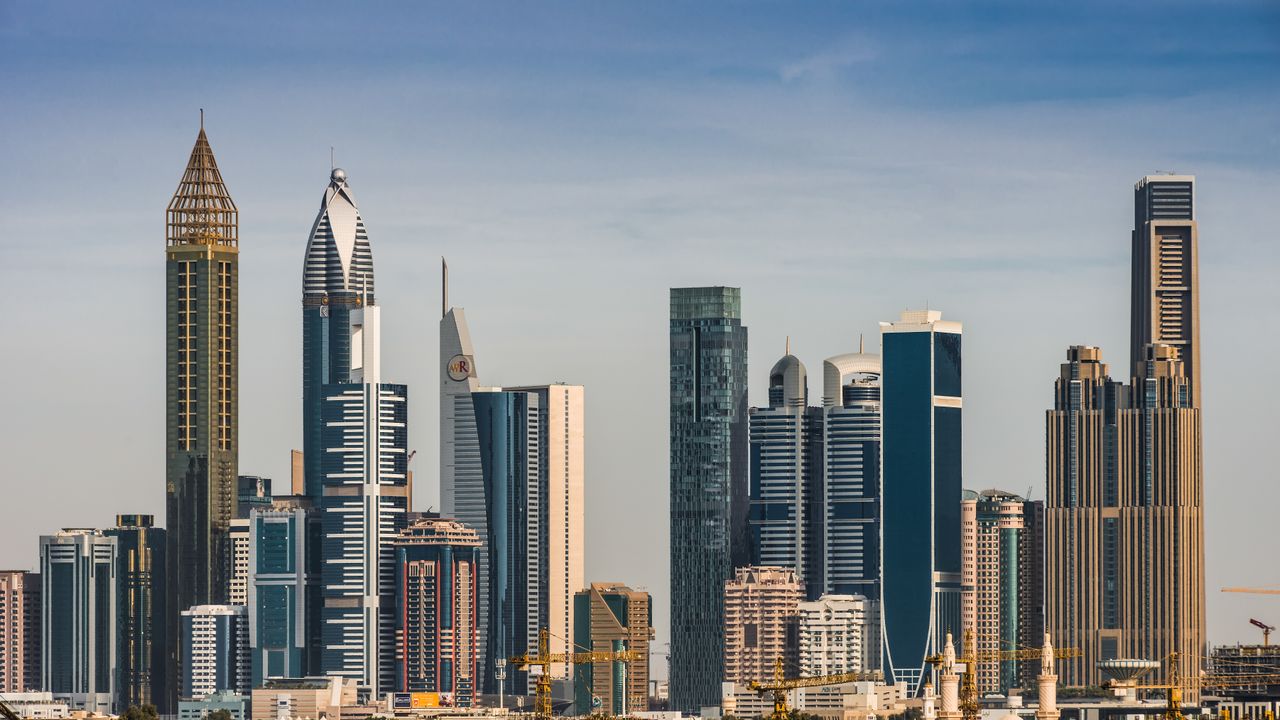
Property investment has traditionally focused on location, price growth, rental income, and prestige. Those measures still matter, but they do not tell the whole story. In Dubai, rapid development and rising attention to sustainability have made energy use, water efficiency, transport access, building quality, and governance more relevant to investment decisions. ESG—environmental, social, and governance factors—offers a way to examine whether an asset can remain useful, competitive, and financially resilient over time.
Why Real Estate Is Part of the ESG Conversation
Buildings affect energy demand, water consumption, waste, and the quality of everyday life. Their impact continues long after construction is complete, which makes operating performance important alongside design. Investors consider whether a property is efficient to run, connected, responsibly managed, and adaptable.
The development model also matters. Sustainability is more credible when it is built into planning, construction, and property management rather than added as a marketing claim. In a fast-growing market, early decisions about orientation, insulation, cooling systems, landscaping, and transport connections can influence operating costs for years.
Assess the Development, Not Just the Address
When comparing projects, examine how the building and its surrounding community work together. For buyers considering Dubai properties, the important question is how a development performs after handover. Look beyond floor area, views, and façade design; compare expected running costs, transport connections, shared facilities, building specifications, and the clarity of ongoing management arrangements.
A visually impressive project is not automatically efficient or resilient. Ask for details on cooling systems, water-saving measures, material specifications, maintenance responsibilities, and anticipated service charges. Request performance data, not just projected savings.
What Makes a Property ESG-Relevant
A green label alone does not establish strong ESG performance. Start with measurable questions. How much electricity and water does the building use? Are cooling systems efficient? Is waste separated and managed? Do residents have access to natural light, healthy indoor air, and practical shared spaces?
Social considerations are equally important. Look at access to healthcare, education, public transport, recreation, and services. A development’s wider setting determines how convenient daily life can be.
Governance concerns how the asset is managed. Buyers and investors should understand service charges, maintenance arrangements, disclosure practices, safety procedures, and the developer’s record of delivering what was promised. Without reliable management, even a well-designed building can lose its appeal.
Understand How Community Design Affects Value
A property is more than the unit itself. Access to transport, workplaces, shops, schools, healthcare, and public spaces can shape tenant demand and everyday convenience. Walkable layouts may reduce reliance on private vehicles.
For investors, these features matter because they can support occupancy and help a development remain attractive as preferences evolve. However, amenities create costs. Pools, gyms, and shared spaces require maintenance. Consider whether facilities are useful and charges proportionate.
Look Beyond Green Badges and Marketing Claims
Certifications can provide a useful starting point, but they should not replace due diligence. Ask which standard applies, what the certification covers, and whether it relates to design, construction, or actual operating performance. A building designed efficiently may still consume excessive energy if systems are poorly maintained or residents lack practical controls.
The Dubai Land Department’s Service Charge Index allows users to check approved service charges for jointly owned properties. Reviewing these costs can help investors assess ongoing ownership expenses and make more informed comparisons between developments.
Cooling demand deserves particular attention in hot climates. Glazing, shading, insulation, air-conditioning efficiency, and building orientation can all affect electricity consumption. Water-efficient fixtures, irrigation planning, and durable materials also influence the long-term environmental footprint.
The Importance of Governance and Long-Term Management
Governance can be less visible than architecture, but it has a direct effect on ownership experience. Review the developer’s delivery history, handover process, defect management, maintenance arrangements, and transparency around fees. Ask how complaints are handled, how reserve funds are planned, and whether owners receive regular updates about building condition and expenditure. For completed properties, examine building condition and management quality. For off-plan purchases, understand contractual protections, payment milestones, and what happens if delivery is delayed.
Distinguish commitments from verified results. A sustainability promise is more useful when supported by specifications, reporting, independent certification, or operating data. Clear documentation makes it easier to compare projects and identify risks before committing capital.
Recognize the Trade-Offs
ESG features do not guarantee higher returns, lower risk, or stronger resale prices. Efficient systems may involve higher upfront costs, and amenities can increase recurring expenses. Some developments are marketed as sustainable without performance evidence.
Market conditions also matter. Supply, financing costs, rental demand, location, and purchase price remain central to investment outcomes. ESG analysis should strengthen conventional due diligence, not replace it. Compare realistic income assumptions with service charges, maintenance costs, vacancy risk, and the possibility of future upgrades.
Think in Terms of Long-Term Resilience
The most useful ESG question is not whether a property looks sustainable today, but whether it can remain efficient, comfortable, well-managed, and relevant over time. Regulations, technology, tenant expectations, and climate conditions will continue to change. Buildings that can adapt without major disruption may be better positioned to retain their appeal. Flexible layouts, replaceable equipment, and accessible maintenance systems can also reduce the cost and difficulty of future improvements.
The Dubai Municipality’s Greening Guidelines outline practical measures for improving existing buildings through energy efficiency, water conservation, indoor air quality, and maintenance. They also discuss implementation costs and potential savings, helping property owners understand the considerations involved in planning building upgrades.
A More Complete Way to Judge Property
ESG is most valuable when treated as a practical investment lens rather than a badge. Examine resource use, occupant experience, location connectivity, governance, and ownership costs. Then weigh those findings alongside price, rental prospects, and market risk. A property that performs well across these areas may offer a more durable proposition than one relying on appearance alone. The goal is to understand what you are buying and whether its performance justifies the investment.
Editor’s Note: The opinions expressed here by Impakter.com columnists are their own, not those of Impakter.com — In the Cover Photo: ESG property investment in Dubai involves assessing building performance, management and long-term ownership costs. Cover Photo Credit: tommy picone