
Wherever you are currently reading this, it is virtually guaranteed that something made of plastic or containing plastic components is within your reach. Plastic is everywhere. These lightweight, inexpensive, versatile, and durable materials have become essential components of many consumer goods and are seemingly irreplaceable in the medical and food sectors. As one of the most traded goods, plastic plays a major role in the global economy. As such, efforts to curb their use will create challenges for exporters. Currently, however, there is no plastic-specific agreement at the World Trade Organization (WTO). This is becoming increasingly difficult to ignore as official concerns over the trade impacts of plastic pollution measures accumulate.
What is being done about plastic pollution?
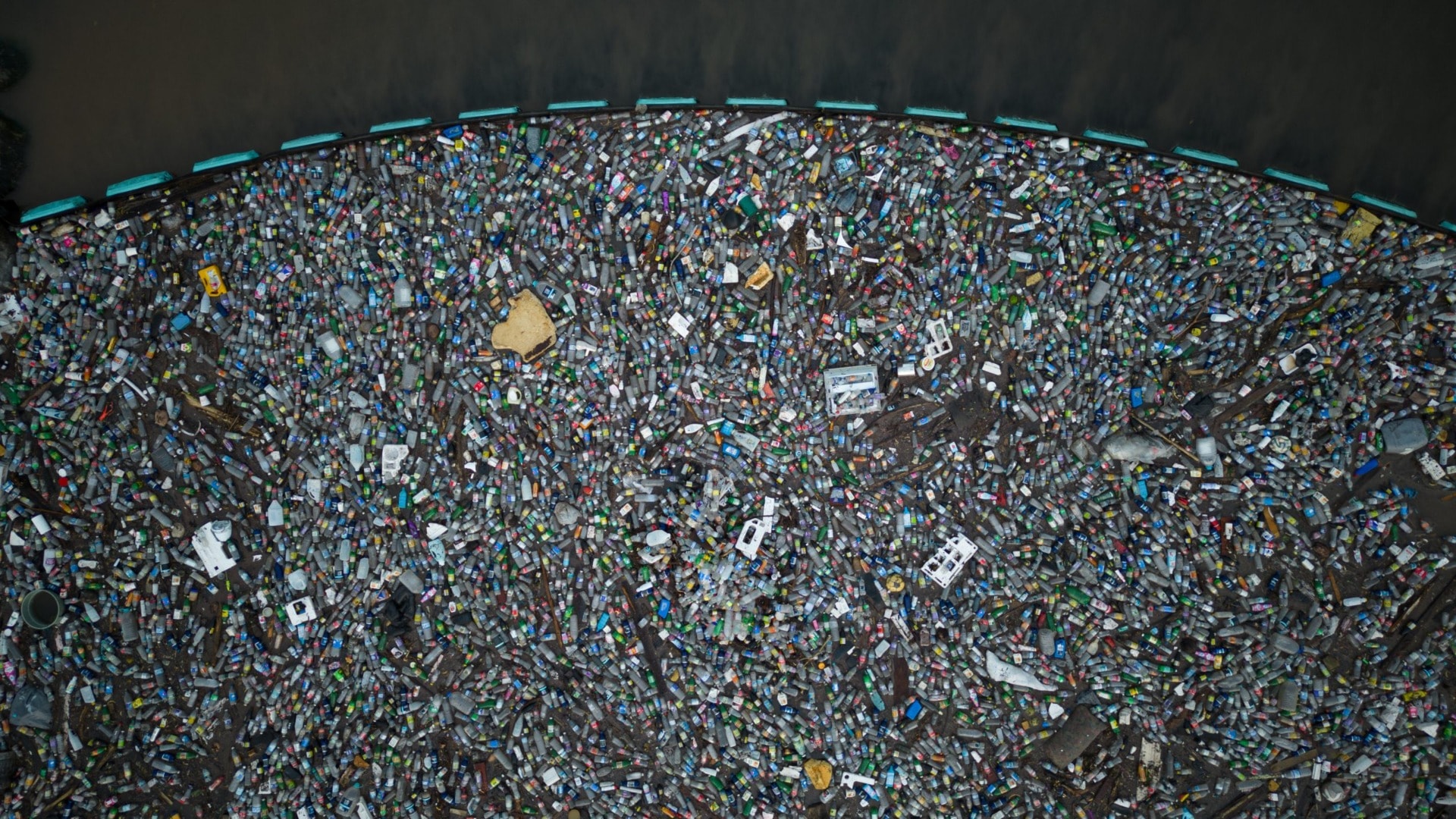
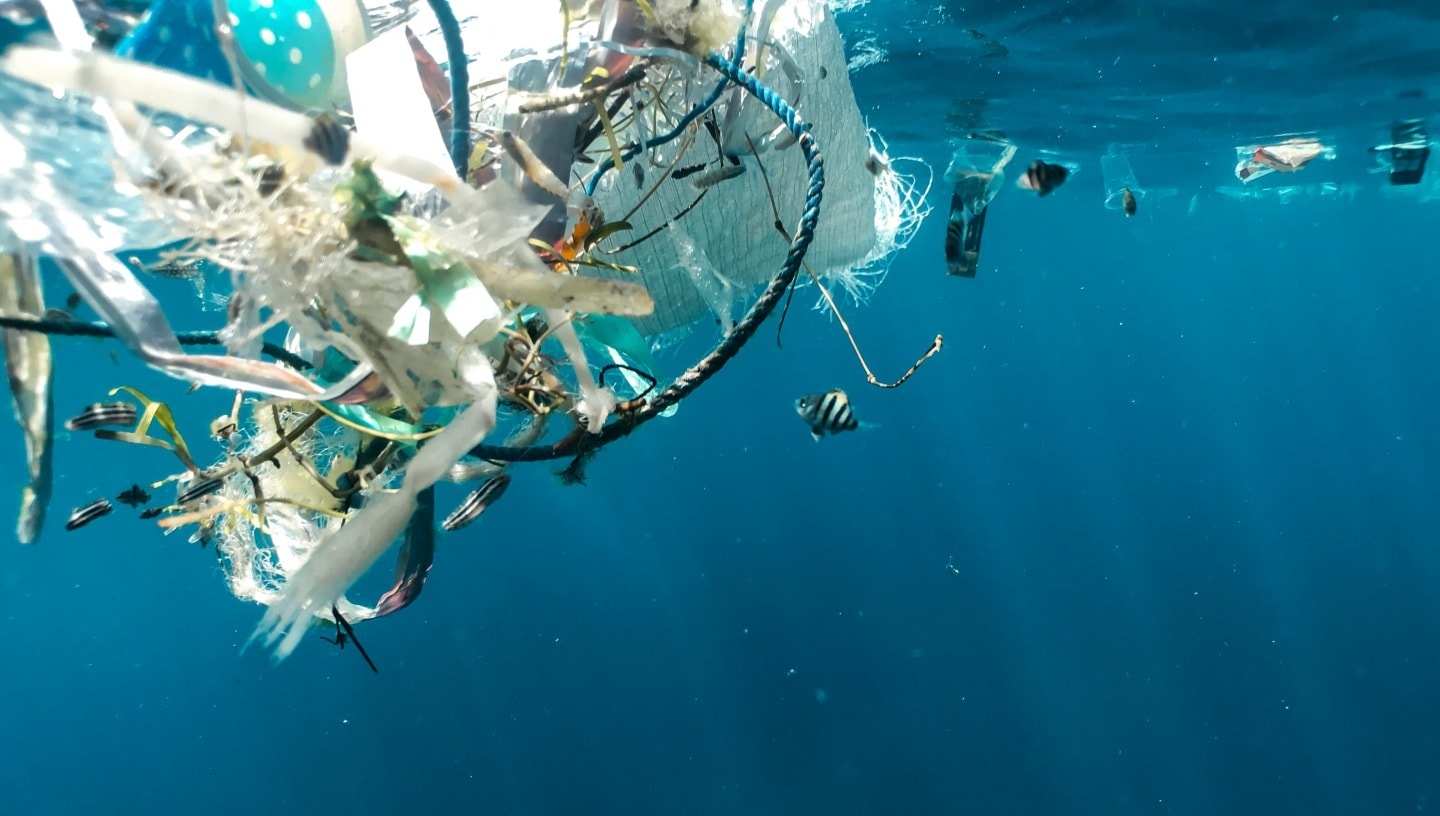
Plastic products have a finite lifespan, and their presence is ubiquitous in the natural environment. From discarded water bottles on the side of the road to microplastics found even in breast milk, plastic pollution is simply everywhere. Because the wide breadth of human and environmental problems associated with plastics is now well known, governments and civil society groups are working to address the problem.
Many governments have responded to the challenge of plastic pollution by enacting a variety of national and subnational actions to reduce plastic pollution. And the number of new policies addressing the use of plastic — such as bans on plastic bags or straws — has been increasing over the past decade.
These concerns also drove action internationally, which came to a head in March 2022 when United Nations (UN) member states gathered in Nairobi for the annual United Nations Environment Assembly. After much deliberation, UN members adopted Resolution 5/4, which mandates countries to both end plastic pollution and establish a legally binding agreement on the full life cycle of plastics by the end of 2024.
The UN Environment Programme’s Executive Director was mandated to convene an Intergovernmental Negotiating Committee (INC) to develop this agreement. According to the resolution, the agreement “could include both binding and voluntary approaches, based on a comprehensive approach that addresses the full life cycle of plastic.”
How do plastic pollution policies impact global trade?
Plastic is one of the most internationally traded goods. As such, any measures taken to reduce plastic consumption and production will also have an impact on international trade.
While Resolution 5/4 addresses an increasingly urgent call for action on plastic pollution, countries are unprepared for the wide range of global trade implications that are already resulting from plastic pollution policy measures.
Two international mechanisms have measures in place to address the movement of plastics: the 2019 Basel Convention Plastic Waste Amendments (which has control measures for the international trade of plastic waste) and the Stockholm Convention on Persistent Organic Pollutants (which has control measures for persistent organic pollutants that are often incorporated into plastics for use as plasticizers and flame retardants). However, there is currently no plastics-specific multilateral trade agreement at the WTO — and this is where trade challenges are already emerging.
What plastic pollution measures are the most problematic for trade?
Almost half of WTO members have already declared that they have implemented plastic pollution measures related to trade. However, 21 specific measures (implemented by 14 WTO members) have been questioned by other WTO members. While none of these concerns have evolved into an official dispute, some countries are clearly concerned about how certain policies will impact their ability to export goods to these markets.
The International Institute for Sustainable Development (IISD) has just published a new policy brief that takes a careful look at this growing list of formal trade concerns that have been raised by WTO members as a result of trade-related plastic pollution policies. Analysis found that these concerns tend to fall into six distinct categories: a timing and implementation time frame, transparency, stakeholder engagement, proportionality, justification, and discrimination.
- Timing and implementation time frame issues can include whether trading partners are given enough time to adopt manufacturing or packaging changes to comply with a new measure.
- Transparency issues include whether trading partners have been given access to adequate information about the details of the policy.
- Stakeholder engagement issues question whether trading partners have had an opportunity to provide formal feedback on the new policy.
- Proportionality issues question whether a policy is proportional to the intended policy outcome (i.e., is it overly burdensome to manufacturers and exporters?).
- Justification issues ask whether implementing members have provided an adequate scientific, technical, or technological basis to support the rationale of the policy.
- Discrimination issues look at whether a particular policy unfairly benefits domestic producers to the detriment of foreign suppliers.
Is the multilateral trade system standing in the way of meaningful action on plastic pollution?
The WTO is not an enemy of achieving effective environmental action. The multilateral trade system is designed to allow members to question policies that may have intended or unintended trade consequences. As outlined in IISD’s new policy brief, there have already been a number of exchanges between WTO members on plastic pollution policies — and none have developed into a trade dispute. This process is a normal part of the development of international policy that allows countries to be mindful of how new policies are developed and implemented.
Related Articles: Can International Law Provide Reparation for Climate Change Damage? | Plastic Recycling: Ditch it or Improve it? | Massive Pacific Ocean Garbage Patch: Can It Be Contained? | 4 Ways to Reduce Plastic Pollution | Seven Out of 10 People Want Binding Global Rules to End Plastic Pollution, Survey Finds
What should policy-makers consider before implementing plastic pollution measures?
To avoid the six most common types of trade concerns when considering plastic pollution measures, policy-makers should consider the following.
For issues related to a timing and implementation time frame, policy-makers should ensure that an implementation timeline has been established and shared with trading partners. Early in the process of designing a particular measure, they should allocate a reasonable consultation period to collect comments from trading partners (thus ensuring that the process will allow sufficient time and space to integrate comments into the final draft). They should also establish a clearly defined transition period to allow trading partners to adapt and prepare for compliance. Finally, they should prepare implementation guidelines in a timely manner and make them available. This will allow adequate time for trading partners to adapt products or production methods to the new requirements.
To avoid possible issues related to transparency, plastic pollution policy-makers should ensure that new measures are submitted to relevant WTO bodies and make the comprehensive text of any proposed regulation (and its implementing guidelines, if needed) available to all WTO members. The same transparency should be afforded to any updates and/or translations of texts, timelines, and implementation guidelines.
To ensure adequate stakeholder engagement, policy-makers should establish a formal opportunity for stakeholders to provide input, suggestions, and feedback on the potential trade impacts of a proposed measure. They should also provide clear guidance on how stakeholder consultations related to the measure will be conducted and how they can participate. Time frames for stakeholder engagement should also be clearly defined, reasonable, and accessible to trading partners.
Proportionality challenges can be avoided by ensuring that implemented measures are proportional in scope and impact to the problem they are designed to address. Measures should also not create excessive costs or cumbersome obligations that could restrict trade if the same outcome could be achieved with less burdensome obligations. Policy-makers should defer to or seek consultation from the research community on established plastic pollution approaches that are already effective at achieving certain objectives.
Justification issues can be addressed by ensuring that all measures provide the necessary scientific, technical, or technological basis to support a particular rationale. This established basis should be provided when a measure is notified to the WTO or when sharing the measure with trading partners. Policy-makers can also review alternative measures—including those already in use elsewhere—for potential alternatives that may be better suited to achieve the intended objective.
In order to ensure trading partners are not subjected to discrimination through a given policy, introduced measures should not favour domestic economic actors, and they should be consistent with national treatment obligations. In general, any exemptions, flexibilities, or temporal grace periods provided by the implementing member should be equally accessible to domestic producers and trading partners.
When and where will INC-5 take place?
The fifth Intergovernmental Negotiating Committee (INC-5) is scheduled to take place from November 25 to December 1, 2024, at the Busan Exhibition and Convention Center in Busan, South Korea.
It is the final milestone on the Road to Busan, which was preceded by INC-4 (April 23–May 1, 2024, in Ottawa, Canada), INC-3 (November 3–19, 2023, in Nairobi, Kenya), INC-2 (May 29–June 2, 2023, in Paris, France) and INC-1 (November 28–December 2, 2022, in Punta del Este, Uruguay).
** **
This article, authored by Ieva Baršauskaitė and Andrew Aziz, was originally published by the International Institute for Sustainable Development (IISD) and is republished here as part of an editorial collaboration with the IISD.
Editor’s Note: The opinions expressed here by the authors are their own, not those of Impakter.com — Cover Photo Credit: Naja Bertolt Jensen.