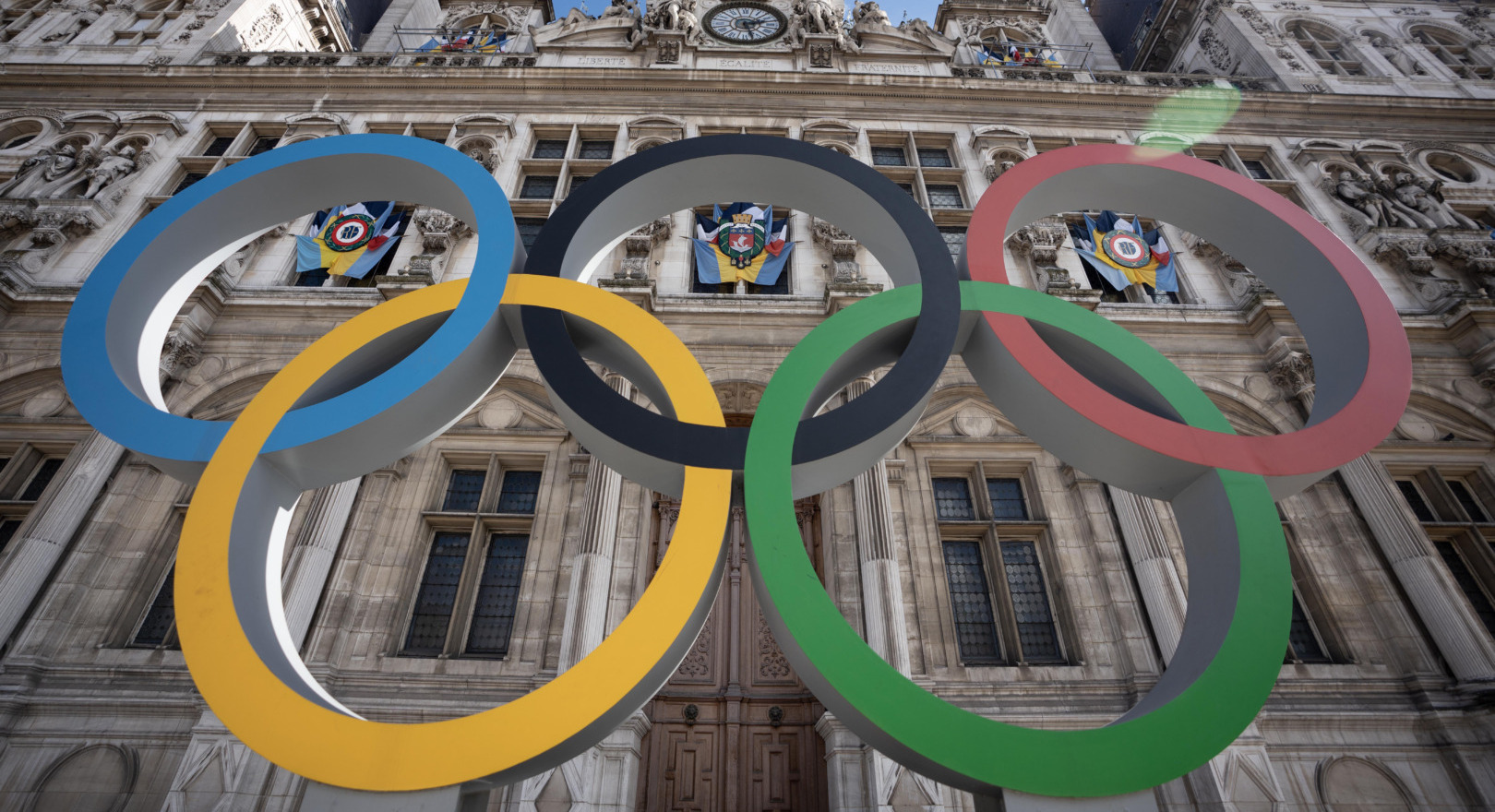
The Summer Olympics will be held in Paris from July 26 to August 11, 2024, at a time when, once again, the Middle East is front and center on the global agenda. Over 50 years ago, the Summer Olympics were held in another country in Western Europe, and it achieved unwanted notoriety as the “Munich massacre.”
The Munich Games signaled the return of the Olympics to a German city after the 1936 Games in Berlin. The world watched in horror a terrorist attack killing Israeli Olympic team members at the 1972 Summer Games in Munich orchestrated by the Palestinian militant group Black September, a breakaway faction of the Palestinian organization Fatah.
With the media spotlight on athletes from every corner of the world, one can only hope that this summer, there will be no effort to disrupt, to distract from the ostensible reason to hold these athletic competitions, which are, in theory, designed to unite, not exacerbate tensions between communities. But…
Olympic History
It is worth recalling the origins and objectives of the Olympic Movement. From its beginnings in Olympia, Greece in 776 B.C., it was “Sacred and respected throughout Ancient Greece, the Olympic Truce announced by messengers before the Games allowed spectators, athletes and officials to travel to and from Olympia in safely through the numerous battle zones.”
The original games ended in 393 A.D., and it then took 1,503 years to return. Our modern Olympics were first held in 1896, with the main person responsible a Frenchman, Baron Pierre de Coubertin. And of course, this year’s Olympics are in Paris.
Last year there were global efforts to signal intentions to make this future Olympics a success. In November 2023 the United Nations General Assembly adopted a resolution urging countries to maintain the ancient Greek tradition of observing peace before, during, and after the Games.
The resolution calls for a cessation of hostilities globally starting seven days before the opening of the Olympic and Paralympic Games and ending seven days after they conclude. A large number of countries (118) voted in favor and none were against, with only two abstentions: The Russian Federation and Syria. The adopted text was titled “Building a peaceful and better world through Sport and the Olympic ideal.”
Many countries expressed strong commitment to the Olympic goals, notably Qatar which made a notable statement through its representative:
“… sport encourages tolerance and respect. It helps to empower women, young people, societies and individuals… Qatar reiterates its commitment to work with all partners to strengthen the role of sport because it brings together humanistic values and promotes understanding between peoples.”
Related Articles: Tom Daley’s Comeback: Diving Champion Sets His Sights on Paris Olympics | Invictus Games 2023: Embracing Prince Harry’s Sustainable Vision | Reshaping Western Sports: The Gulf Region’s Influence on the Global Arena | How the NBA Is Addressing Its Sustainability Issues
Paris Olympics: Risks from today’s geopolitical environment
This is a perilous moment given that there are major ongoing conflicts in Ukraine and the war between Israel and the Palestinians in Gaza, both without any clear path to resolution. Further, there are many other disputes between or within countries that have not gotten as much attention but pose threats to global stability.
The French Government, the European Union, many other countries, the Olympic Committees, and other entities have been keenly aware of the need for enhanced security. Individually and collectively, they have been preparing to avoid or deal with any potential disruptions.
But official public efforts can only do so much: If history has taught us anything, it is that public officials need to reach out to those who might be possible activists and whom they might influence and instruct such cadres not to opt for violence.
Countries such as Iran and Qatar, which will be sending their athletes to Paris, and there are many more, need to communicate to terrorist entities they support whether directly or indirectly, this is not the place or time.
The message must be unequivocal: simply, acts of terror against those participating in the Olympics from whatever country, will not be tolerated. They will cause unacceptably high costs by doing so. Further, the international community will be given reason to impose heightened sanctions against those who perpetrate such acts, public sentiment will turn against them, as will funding, to the detriment of their cause.
A worst-case scenario could mean that extensive terrorist plans were identified, and/or if an incident took place during the initial phases of the Olympics. The French Government would face hard choices, a dilemma as to what actions to take, conceivably terminating events.
Israel, for its part, will have to demonstrate commitment to abide by the spirit of the Olympics. By the time the Olympics begin, both belligerents will have agreed to at least a temporary ceasefire during and after the Olympics. Linked to the cease-fire and complementary to it would be the exchange of hostages and prisoners. If this were to be the case, it could be the opportune moment for leaders of all types and persuasions — international, regional, national, faith-based, non-governmental organizations — to press for an extended “Olympic” truce.
Just imagine how wonderful it would be if the Paris Olympics contributed to ending the Gaza War.
Editor’s Note: The opinions expressed here by the authors are their own, not those of Impakter.com — In the Cover Photo: Paris Olympics.