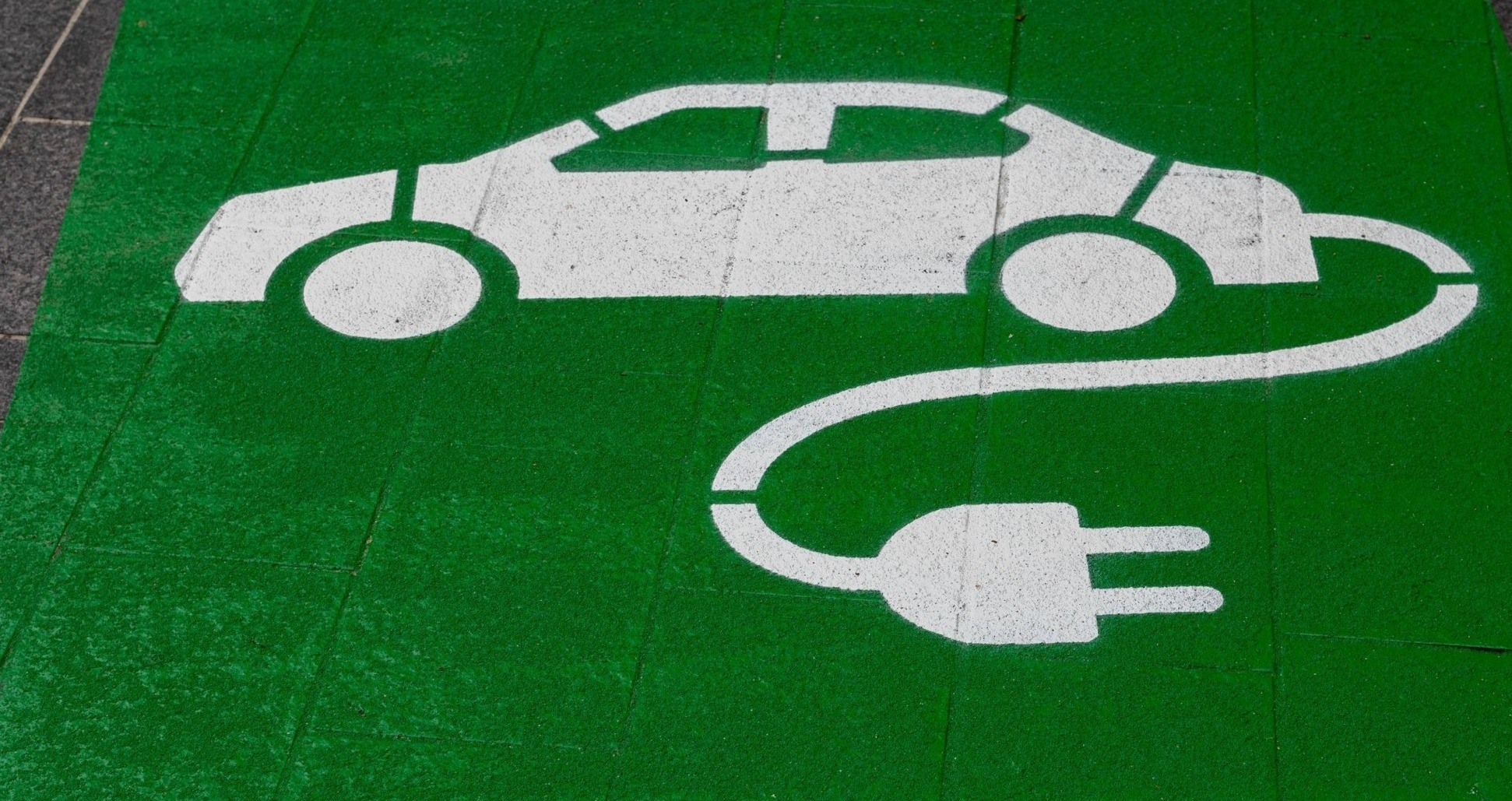
Are electric vehicles the entire solution to sustainable mobility? Could they tackle all the issues ensuing from cars swarming the world’s largest cities? The answer is no, but they’re still a step in the right direction.
Many world leaders are advocates of the transition from petrol-driven cars to plug-in ones. Joe Biden, in his January 30th tweet, celebrated one of his administration’s most significant wins: a tax credit of up to 7500 USD on the purchase of an electric vehicle.
On my watch, the great American road trip is going to be fully electrified.
And now, through a tax credit, you can get up to $7,500 on a new electric vehicle. pic.twitter.com/n3iZ9etL4A
— President Biden Archived (@POTUS46Archive) January 30, 2023
Is the future of mobility electric?
Yet, the population had a divided response: most found the tax credit insignificant compared to the cost of the vehicle itself, while others criticized how pollutive the production process of these cars actually was.
Nonetheless, Electric Vehicles contribute significantly to the reduction of CO2 emission: in over a year, just one electric car on the roads can save an average of 1.5 million grams of CO2.
That’s the equivalent of four return flights from London to Barcelona.
In a world where road transport accounts for half of London’s air pollution, and 27% of all of the UK’s greenhouse gas emissions come from transport – of which over 60% are from cars and taxis – those numbers are significant.
Research conducted by the European Energy Agency showed that the carbon emission of an electric car is 17-30% lower than that of a petrol-driven car. Furthermore, in the EU, the energy consumed by most EVs is increasingly shifting towards renewable sources, while in the US, clean energy sources have generally been more cost-effective than coal.

What are the drawbacks of electric vehicles?
Electric cars made up 10% of total car sales in the world in 2022, with Norway leading at 86% of their overall sales. Yet, many are still sceptical of those vehicles, namely because of their weight, pollution, and production process.
One of the most popular models paraded by world leaders is the General Motors (GM) military-inspired Hummer EV, a replica of their most iconic non-electric SUV. Yet, while the petrol-fueled car weighs approximately 5500 pounds, its electric counterpart weighs double, with the battery alone weighing 3000 pounds.
The increased weight of electric cars could be problematic for road safety, as crashes could become deadlier. It’s also inefficient and unfavourable for the environment, but because of the heavy batteries being a requirement, it’s technologically unavoidable.
The concern arising from the weight of these vehicles was voiced by Jennifer Homendy, head of the National Transportation Safety Board, who stated that due to the “increased risk of severe injury and death for all road users,” SUV use, in general, should be decreased.
Related Articles: Electrifying the Roads: Overview of the Electric Vehicle Industry | Fireworks at Consumer Electronics Show (CES) 2023 as Tech Giants and Startups Compete | Top Electric Cars in Germany: A Complete Buyer’s Guide for 2023 | Are Synthetic Fuels A Sustainable Alternative To Electric Cars?
Are electric vehicles paving the way to a greener future?
However, not every EV is nearly as heavy as the GM one, with the lightest car weighing only 2600 pounds, the Mitsubishi i-MiEV. Therefore, although switching a petrol-driven car to an electric SUV may not have the most optimal effect on the environment due to its weight and inefficiency, if a less energy-consuming and lighter model is selected instead, the ecological impact of the EV car could be preferable.
Most EVs are also paving the way for self-driving cars, which have recently been shown to have a negative effect on the environment, as the computer system required has an enormous carbon footprint.
What’s more, the production of the batteries that power electric vehicles is also a very debated topic.
A good battery should last its owner up to 10 years. This point is crucial, as their production process is very polluting, so for the CO2 emission of an electric car to be equivalent to that of an Internal Combustion Engine (ICE), the car must be used for at least eight years.
One study, in particular, found that 46% of an EV’s total carbon emission comes from its production, compared to a total of 26% for ICE vehicles.
Beyond electric cars, more sustainable mobility solutions?
So, are electric vehicles the change we need to make mobility sustainable and less environmentally damaging? Aside from the weight issue, although they are an essential step in the right direction, they will also not cure the overconsumption of cars that results in traffic congestion and pollution. Governments should instead focus on promoting a transition from car-driven cities to public transport/bike-driven ones.
Some cities are already successfully doing so.
For example, Ferrera, a municipality in Switzerland, has 140,000 inhabitants and 100,000 bikes. The centre of the town is only accessible to pedestrians and bikes, and multiple restrictions are put in place to limit car use around the core of the city.
Most of the streets are also one-way streets for cars but accessible both ways by bikes, and there is an abundance of parking spaces for bicycles throughout the municipality, and the historic centre even replaced the old, uncomfortable paving stones with flat ones 80 cm wide!
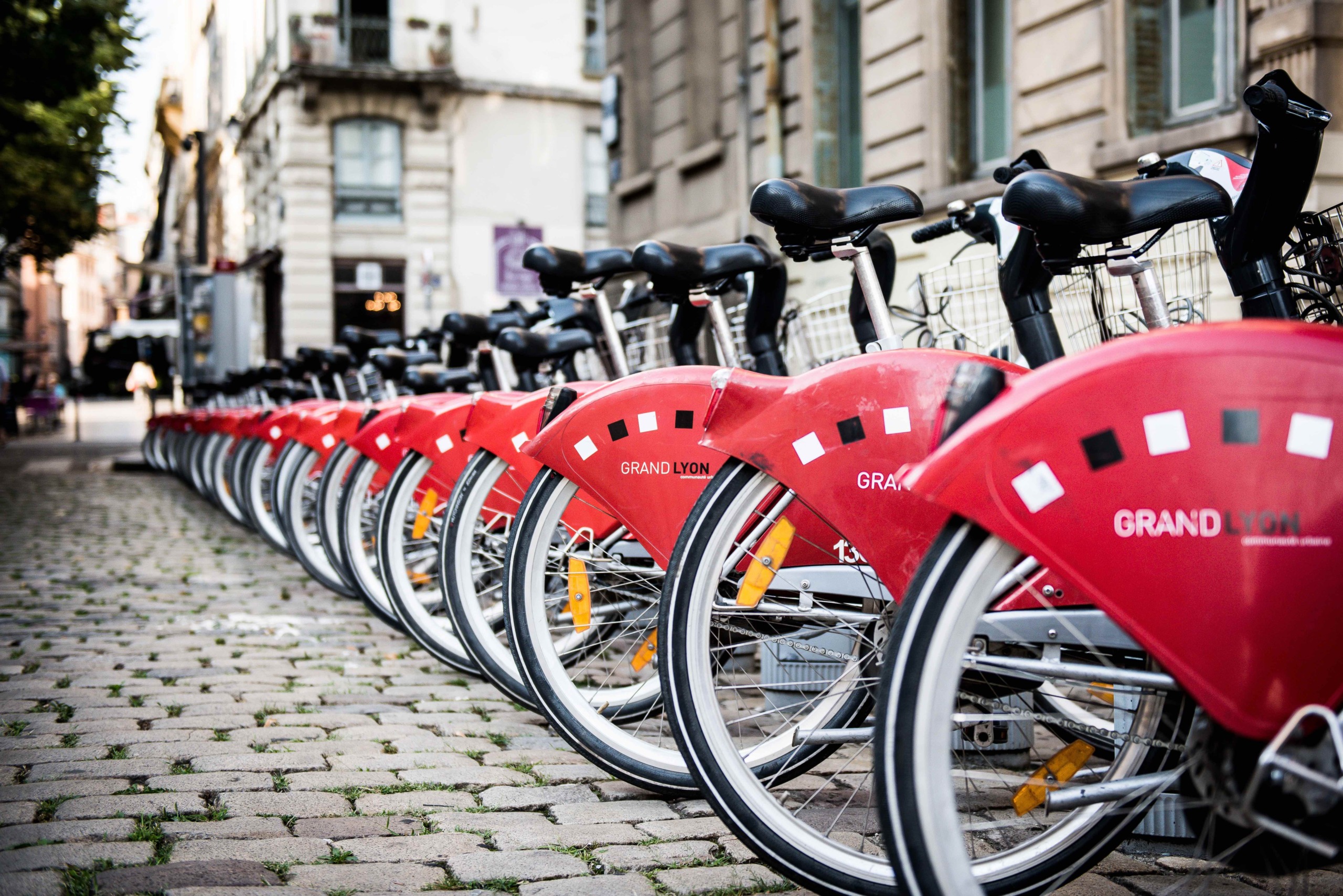
In Germany, Freiburg and Strasbourg have also taken the initiative to facilitate pedestrian mobility and bike accessibility.
In Freiburg, the municipality invested €13 million in 1976 to build a 135km bicycle network. As a result, cycling doubled from 1976 to 1992, now accounting for over 20% of all journeys.
Similarly, Strasburg has closed off the centre to motorised vehicles, installed tram lines and saw a quick increase in the use of bicycles to travel to the city centre.
Other (slightly unexpected) measures also work, as seen in late January when a nationwide strike in France bought transportation to a standstill.
As a result, Paris commuters swarmed the newly expanded networks of bicycle lanes to go to work. The city’s Mayor has invested over €150 million in recent years in an attempt to make the city more bike accessible. The money was also used to offer a €4000 cash incentive for individuals to switch their cars for bicycles or e-bikes.
It’s not (just) about a technological shift, we need a behavioural one too
Unlike Joe Biden’s tax cut for EVs, this financial incentive targets sustainability directly, and accelerates the transition from motorized vehicles to more eco-friendly ones. A similar devotion of funds could be used to decrease the cost of public transport or fully subsidise it.
In LA, for example, a monthly public transport pass costs $122, or 8.69% of the average monthly income. LA, and other mega-cities in the US, are known for their excessive traffic jams and noise pollution, cities that would benefit from a more accessible public transport system.
Unfortunately, however, transitioning from cars to public transport or bikes is much harder to achieve than going from ICEs to EVs. Changing from one car to another, especially with a financial incentive, is much more feasible than altering human habits altogether.
The adoption of EVs is, therefore, a step in the right direction, but to make transportation truly sustainable, governments and citizens should begin to adopt other measures to progressively decrease the use of cars.
A behavioural and habit shift must come hand-in-hand with the technological shift.
Cars are essential, especially for long commutes and road trips, but their use should be much more restricted within cities and areas accessible through other transportation methods.
Editor’s Note: The opinions expressed here by the authors are their own, not those of Impakter.com — In the Featured Photo: Electric car charging point. Featured Photo Credit: Michael Marais/Unsplash