How the plant-based coating developed by Apeel extends the shelf life of fruits and vegetables and tackles food waste with a sustainable, nature-inspired approach
According to the UN Food and Agriculture Organization (FAO), roughly one-third of all food produced globally is lost or wasted each year. This amounts to a staggering 1.3 billion tons per year. It is even estimated that the per capita food waste by consumers in Europe and North America is 95-115 kg per year, with supply chains accounting for most of the losses and waste, as we can see in the following graphic:
 A significant amount of food waste occurs with fresh produce, as the clock starts ticking the moment these perishable items are harvested, leaving a tight time frame before they over-ripen or decay during transportation. Traditional methods to limit spoilage often rely on waxes, oils, or shellac, which can end up altering the taste or texture of produce.
In this fight against food waste, Apeel Sciences is innovating an edible coating derived from fruits and vegetables themselves that extends shelf life without sacrificing quality or freshness. Currently, Apeel’s protection is being used in Avocados, English Cucumbers, Limes, Mandarins, Oranges, Lemons, Grapefruits, and Mangos.
Meet Apeel Sciences
The company was founded by James Rogers in 2012 and is currently based out of Santa Barbara, California. Rodgers, who holds a PhD in Materials Science, was also the company CEO until earlier this year and now remains on the company’s board.
Apeel, which initially received a grant from the Bill and Melinda Gates Foundation, has garnered significant interest from investors, securing over $635 million USD in funding (the latest being $250 million USD Series E funding), giving it a valuation of $2 billion. Even celebrities like Oprah Winfrey and Katy Perry have backed Apeel Sciences.
“One in nine people are going hungry, and if three in nine pieces of produce are being thrown away, we can be better stewards of the food we are throwing away,” said Rogers at the announcement of the Series E funding. “This is a solvable problem, we just have to get the pieces to the right place at the right time.”
Over the last years, the company has established a presence in eight countries, translating to a network of 30 operational supply chains, efficiently distributing Apeel-protected produce to 40 retail partners which then goes out to tens of thousands of stores around the world. The graphic below illustrates the significant impact Apeel has made in reducing food waste over the past year:
How Apeel Works
Many fruits and vegetables come equipped with a natural waxy layer, the cuticle, on their skin. This layer acts as a protective barrier, regulating moisture loss and preventing spoilage.
Apeel’s scientists have taken this ingenious design concept and mimicked it. They’ve developed a coating derived from plant-based materials like fats and oils found in peels, seeds, and leaves. This “second skin” is applied to the produce after harvest, creating a microscopic barrier that influences the exchange of moisture and oxygen.
“Our philosophy is: The only thing that belongs on food is food,” Rogers told CNBC.
Related Articles: Working Hand in Hand to Build Sustainable Agrifood Systems in the Pacific |Strengthening Urban Food Systems in Times of Crisis | Food Waste, Food Loss, and Hungry Americans
By creating a slight barrier, Apeel helps fruits and vegetables retain their natural moisture, extending their shelf life and reducing waste throughout the supply chain.
Apeel’s plant-derived coating offers several advantages. It is non-GMO, free from animal-derived inputs, and does not contain regulated allergens like milk. The coating itself is colorless, odorless, and tasteless, ensuring it does not alter the natural appearance, aroma, or flavor of the produce. Importantly, the coating has been deemed safe for consumption and approved by the U.S. Food and Drug Administration (FDA).
“Our mission is to work with nature to reduce food waste and create abundance for all,” Apeel’s team states on their website.
Looking Ahead: Zero Waste Products
While Apeel’s plant-based coating has made significant strides in reducing food waste by extending the shelf life of fresh produce, the company’s vision extends far beyond this initial innovation. Apeel is collaborating closely with partners throughout the supply chain and industry to identify and implement best practices that minimize spoilage at every step of the journey.
Recent partnerships with big brands across the globe demonstrates the power of this collaborative effort. A great example is when Nature’s Pride, a supplier of unique fruit and vegetables, and Apeele joined forces and demonstrated a greater than 50% food waste reduction on average at the retail level in the United States.
Hopefully, it will only be a matter of time before Apeel’s plant-based coating becomes a familiar sight on the fresh fruits and vegetables we buy in our local grocery market.
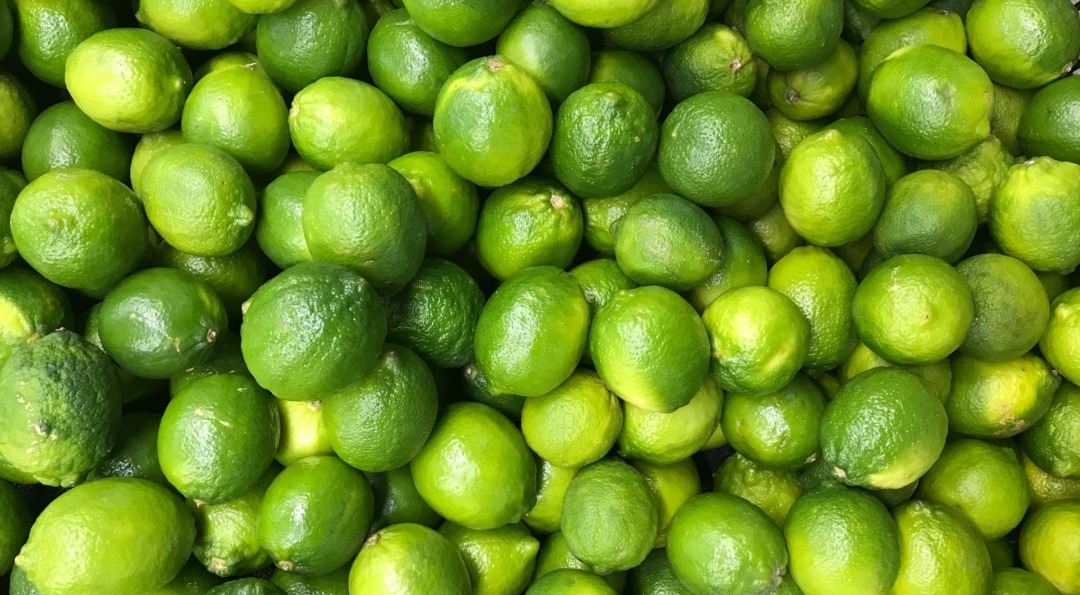
Editor’s Note: The opinions expressed here by Impakter.com columnists are their own, not those of Impakter.com — In the Featured Photo: Lime fruits. Cover Photo Credit: Victor Figueroa.