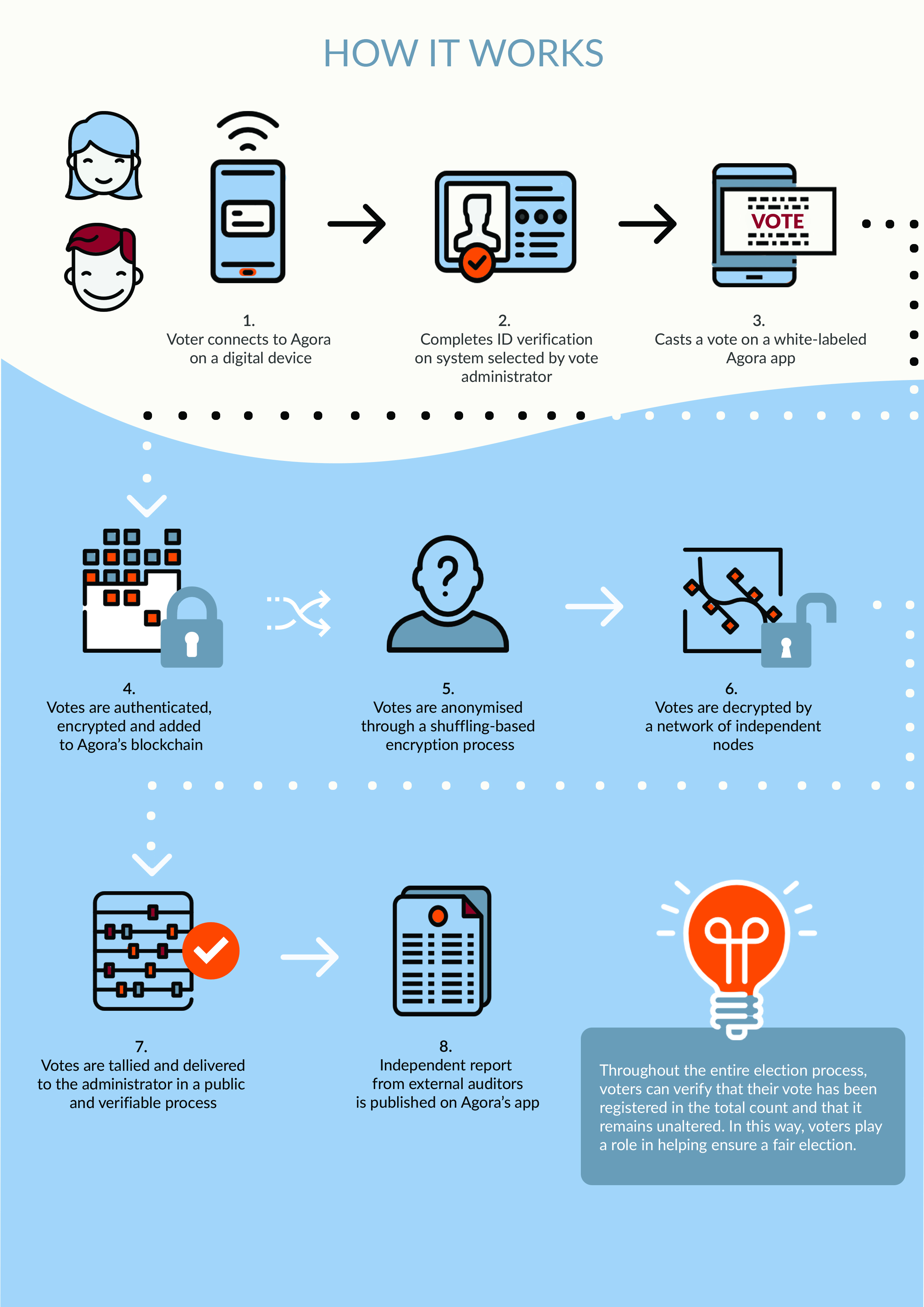
In several countries around the world, central and local governments have been running tests and attempts of online voting. In some cases, they have been successful. In others, not quite. Agora is one of the companies developing what they believe to be a very efficient online voting system.
There are multiple advantages of using an online voting system like Agora: citizens can vote from anywhere using their computer or phone; online elections are inexpensive, requiring far less manual labor; elections are also more accessible and people don’t need to take time off work or pay for transportation to vote; their privacy and their votes secured with a blockchain. Using blockchain also guarantees the entire election can be easily monitored and electoral frauds become impossible as every vote is verified as genuine.
Today we are speaking with the CEO of Agora, Leonardo Gammar. He will share with us the latest updates about his company and his thoughts about online voting. Agora currently has partnerships with several national governments. Its international team includes IT developers, business leaders, international relations experts and seasoned diplomats.
Which governments and organizations is Agora working with?
Leonardo Gammar: We are working full-time for a couple of governments in Africa, a government in Asia, and a government in Europe. Every two to three weeks we organize elections for universities and corporate boards. We are also currently working with a few websites and financial services.
How quickly do you expect governments across the world to adopt online voting?
LG: We are having requests almost every week from governments. The challenge is more on the technical side – the country’s infrastructure, the quality of their networks, and so on. Some governments already use electronic voting machines and we just move the back-end to the blockchain.
Some countries are using paper ballots. We have a supply-chain decentralized application (DApp) for this. We track the ballot boxes and ensure the polling stations open and close at the right time.
If you feel ready for digital elections, you need to have a digital identity system or biometric database for your voters. Then we can fully deploy Agora. This enables people to vote remotely.
I do not think that within the next two years governments will allow their people to vote completely remotely. They might ask people to go to government areas where they apply for KYC – Know Your Customer: a way to prove their identity – and vote from there.
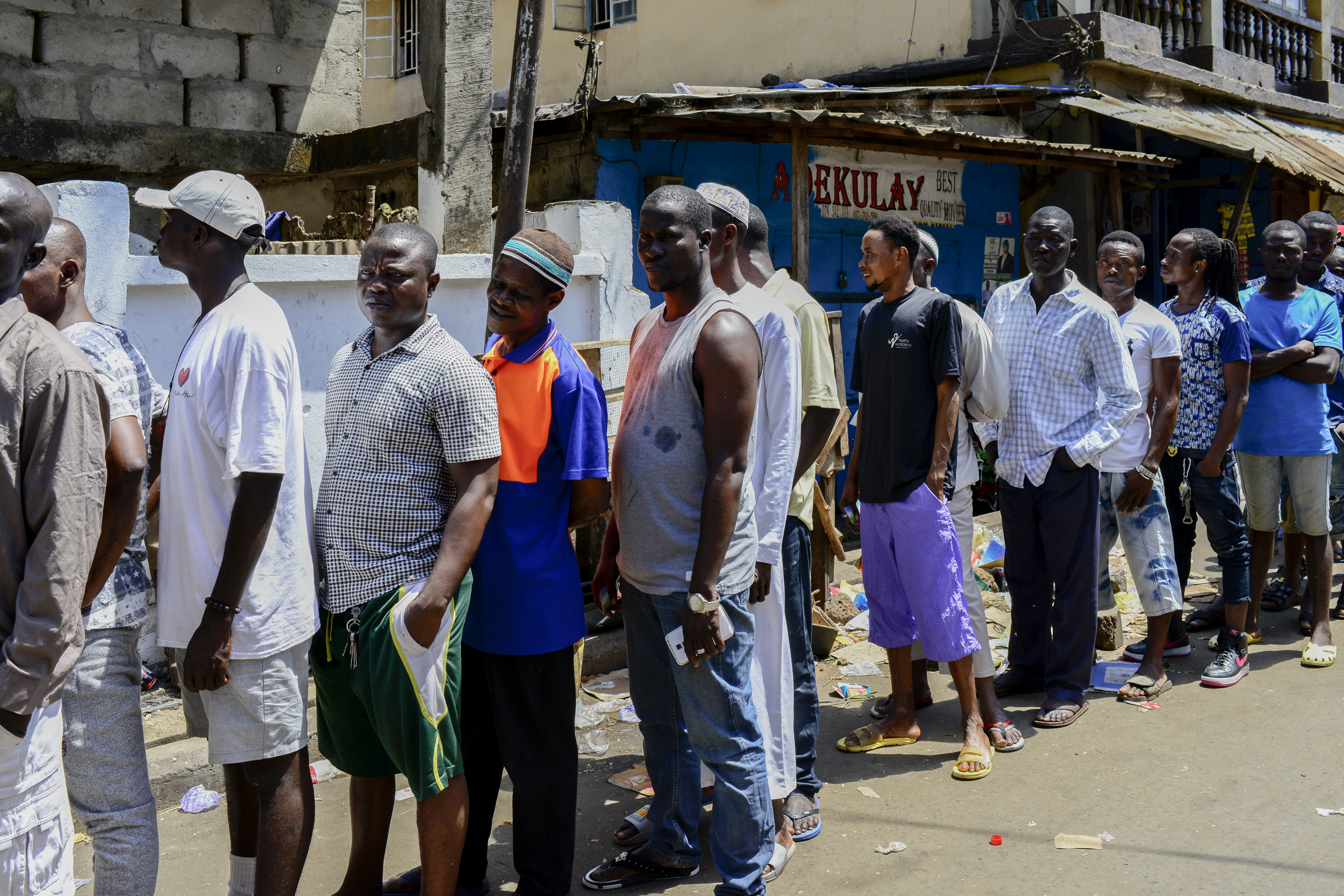 In the Photo: Citizens in Sierra Leone in line to vote. Credit: Agora
One of the Sustainable Development Goals of the United Nations is accountable and inclusive institutions, access to justice, peace and the rule of law. Should the UN look at secure online voting as part of achieving that goal?
LG: We are already in talks with the UN. It is only a process of educating the decision makers. The UN is spending a lot of money for elections and trying to figure out the best solutions. They are spending a lot of money on problems that we are solving. They will certainly have to take a serious look at digital voting.
What are some the effects of having a verifiable election result in countries where concerns about election fraud are high?
LG: The direct effects are transparency and cheaper elections. Digital elections create less tension during the election day and while waiting for the results. You can wait for twenty minutes after the vote and see the results, where currently it can take up to twenty days to see the results. The government doesn not need to deploy the army on election day.
You can show to the international community that you are fighting corruption. People would come back to your country and consider it a fair place to trade and invest. There is a PR effect that should not be ignored. We cannot measure this effect in our business plan, but it is a huge. Even non-democratic countries are reaching out because they want the PR aspect of blockchain.
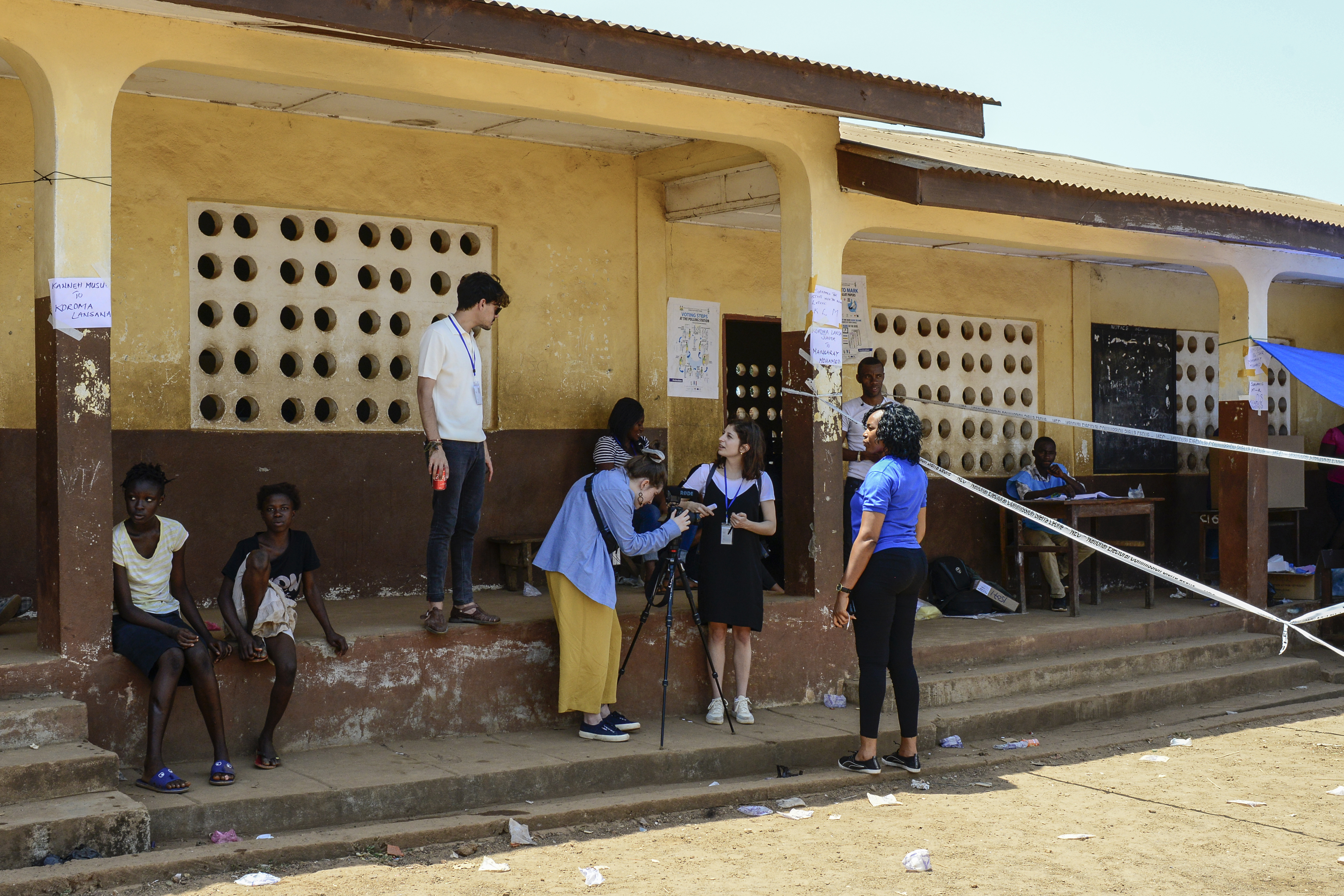
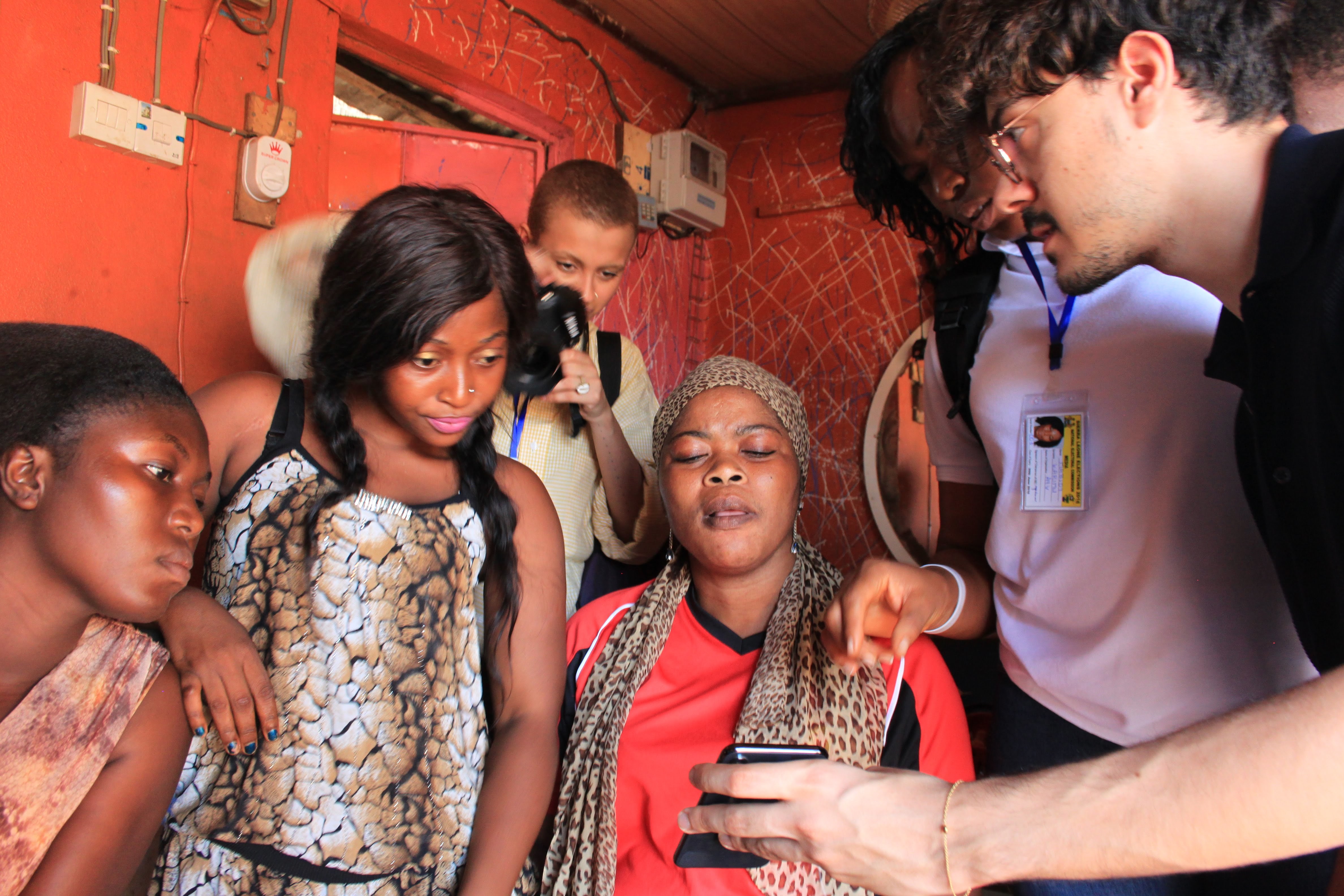
In the Photo: Agora team members at a polling station in Freetown, Sierra Leone. Credit: Agora
How do you respond when a country approaches Agora without a genuine desire for fair elections?
LG: It is our responsibility to do our due diligence. First, we make sure they understand what blockchain really is. Then we make sure that they really understand how to implement it. We ensure that they really want to implement it the way it should be implemented.
This already happened early this Summer. We were already in deep conversation with a government and they were willing to pay us a lot of money to organize blockchain elections. It would have been the first presidential blockchain election on Earth that was completely backed by blockchain. We were excited, but we realized after some time that the government was only willing to deploy three nodes in the capital city. I tried to explain that wasn’t really what I call a blockchain but they really wanted it to happen that way. I had to refuse. Even though it was a huge opportunity to organize an election, I really want to keep it organized on blockchain.
How is it possible to verify whether an online voting is using blockchain or not?
LG: It is quite simple to know if you are implementing a blockchain solution or not. There are two questions to answer:
The first question is if the technical provider must be sued to see everything they are doing. If the answer is yes, and something goes wrong, the government needs to go to court against the technical provider to know what happened. That’s not blockchain. It’s a black-box. The keys are in the hands of the technical provider. Blockchain should be audit-able at any given time.
The second question is who is providing consensus. If the ruling party is providing consensus, then it’s not blockchain either.
We still need to make some efforts to educate people how this works. Technical providers are often more interested in money than offering the right ethical solution. This is the case in every industry. They don’t care whether governments are genuinely willing to implement blockchain or use the hype behind the word for other purposes. Our work is to make sure this is not the case.
Billions of people have cellphones but not a smartphone. Some blockchain companies are working on accessing blockchains through text message system, do you have something similar available?
LG: You need a smartphone or a computer to vote with Agora. Since you are not tied to any one device, you can vote from someone else’s phone or computer. You can give your phone to your whole village. Everyone could use their encrypted keys to vote from a single phone. If someone steals your phone, you can use your own encrypted key to vote from somewhere else. One feature we have is that you can even vote offline. Your vote will upload when you find internet.
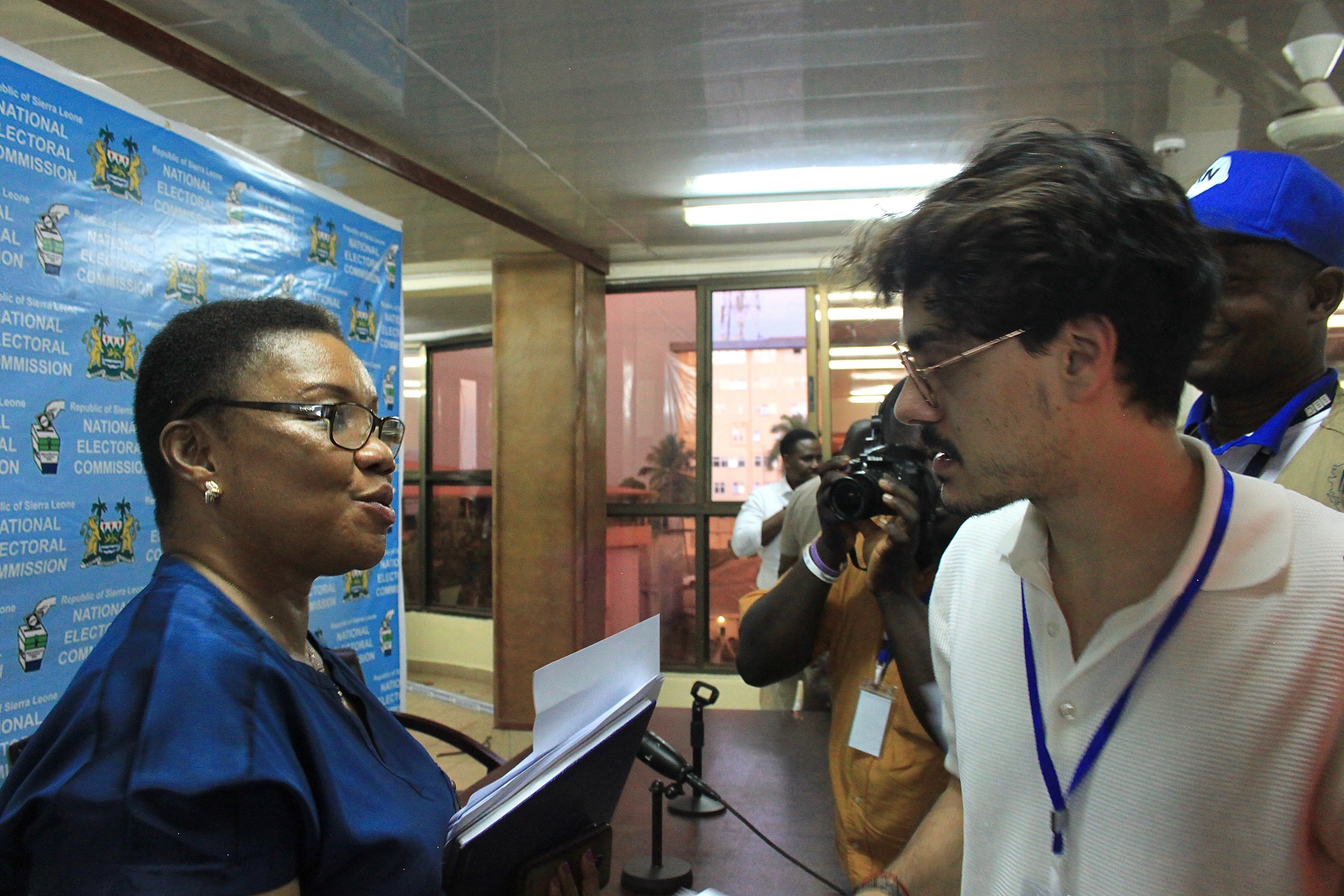
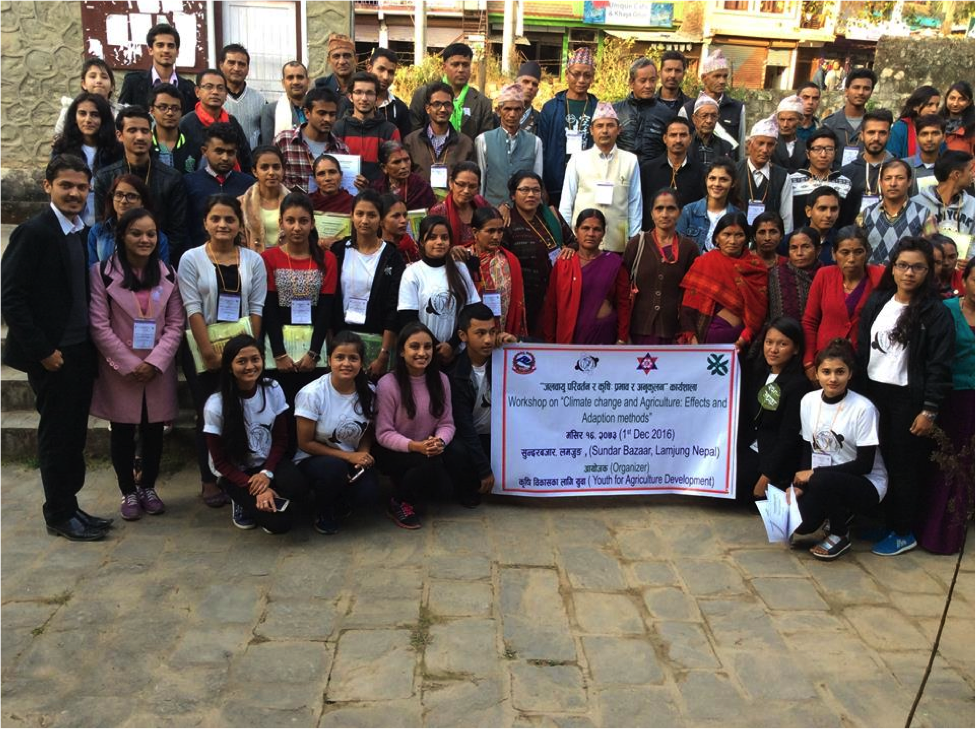
In the Photo: Agora’s CEO Leonardo Gammar and Miata French NEC Commissioner at an educational conference. Credit: Agora
Agora allows users to develop applications within Agora’s system. What are the reasons for this?
LG: This will be very useful for accessibility. If you are not able to read, the smartphone will be able to speak with you. Ordinary people can translate the app into many different languages and dialects. Whenever the contract is signed with an electoral commission, they have their official translators. We help with translating the tech, making sure it’s the same in different languages.
How is your system designed to ensure that the election results are valid?
LG: There are two major layers in our architecture. We took example from what is happening in polling stations right now and expanded that into the digital era. In polling stations you have two types of people – actors and observers. Actors are trained by the electoral commission. They are the only ones able to touch the ballots. Observers don’t have the right to touch the ballots. They observe the actors. Observers can be NGOs, political parties, and international organizations.
The consensus mechanism is a civic right and duty which should not be financially incentivized. There is no such thing as mining or staking tokens in our blockchain infrastructure. These nodes are reputable not-for-profits.
Auditors can make money by auditing elections. Anyone can audit from their phone. They can also be all over the world. Complex statistical models are used to determine if auditors are reporting the truth.
Can anybody make money by auditing elections?
LG: Yes, anyone can make money according to the amount of money they stake on their audit. Auditors with more technical knowledge can make more money, but anyone can audit regardless of their skills.