Impakter
  • Environment
    • Biodiversity
    • Climate Change
    • Circular Economy
    • Energy
  • FINANCE
    • ESG News
    • Sustainable Finance
    • Business
  • TECH
    • Start-up
    • AI & Machine Learning
    • Green Tech
  • Industry News
    • Entertainment
    • Food and Agriculture
    • Health
    • Politics & Foreign Affairs
    • Philanthropy
    • Science
    • Sport
  • Editorial Series
    • SDGs Series
    • Shape Your Future
    • Sustainable Cities
      • Copenhagen
      • San Francisco
      • Seattle
      • Sydney
  • About us
    • Company
    • Team
    • Global Leaders
    • Partners
    • Write for Impakter
    • Contact Us
    • Privacy Policy
No Result
View All Result
Impakter logo
No Result
View All Result
A More Sustainable Future for Bees —and their Keepers— in Southern Mexico

A More Sustainable Future for Bees —and their Keepers— in Southern Mexico

Root CapitalbyRoot Capital
July 21, 2020
in Philanthropy
0

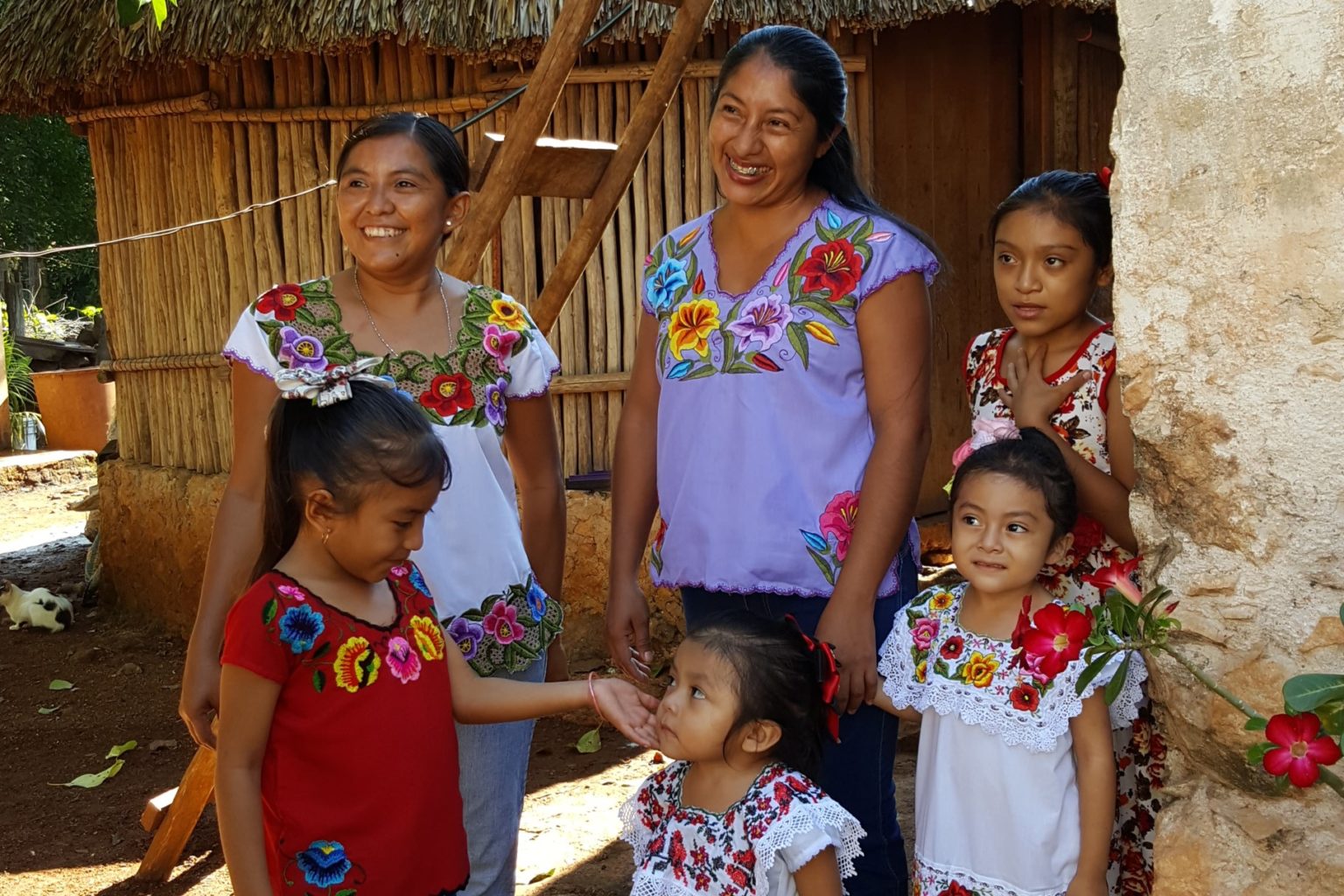
On Mexico’s Yucatan Peninsula, nestled far from the sea, the town of Kankabchen is teeming with honeybees. In this Maya community, honey is more than just a business—it’s a cultural touchstone. Families have raised bees for generations. Some can still remember when honey was used in place of doctors’ visits to close wounds and treat cataracts.

Lidia Maribel Moo Poot grew up hearing these stories from her grandmother, and she takes pride in her family’s legacy. The bees she raises at her apiary, “Las Tres Melidas” (named for her three daughters), are Melipona bees—a species that produces a honey varietal prized on the international market. Everyone in Kankabchen is reliant on these beekeepers for their livelihoods. “We have a good life here, planting and harvesting from our own gardens,” Lidia explains, “but without bees, we wouldn’t have our own fruits or vegetables.”

These days, however, Lidia wonders whether this ancient tradition will still be around for her daughters.
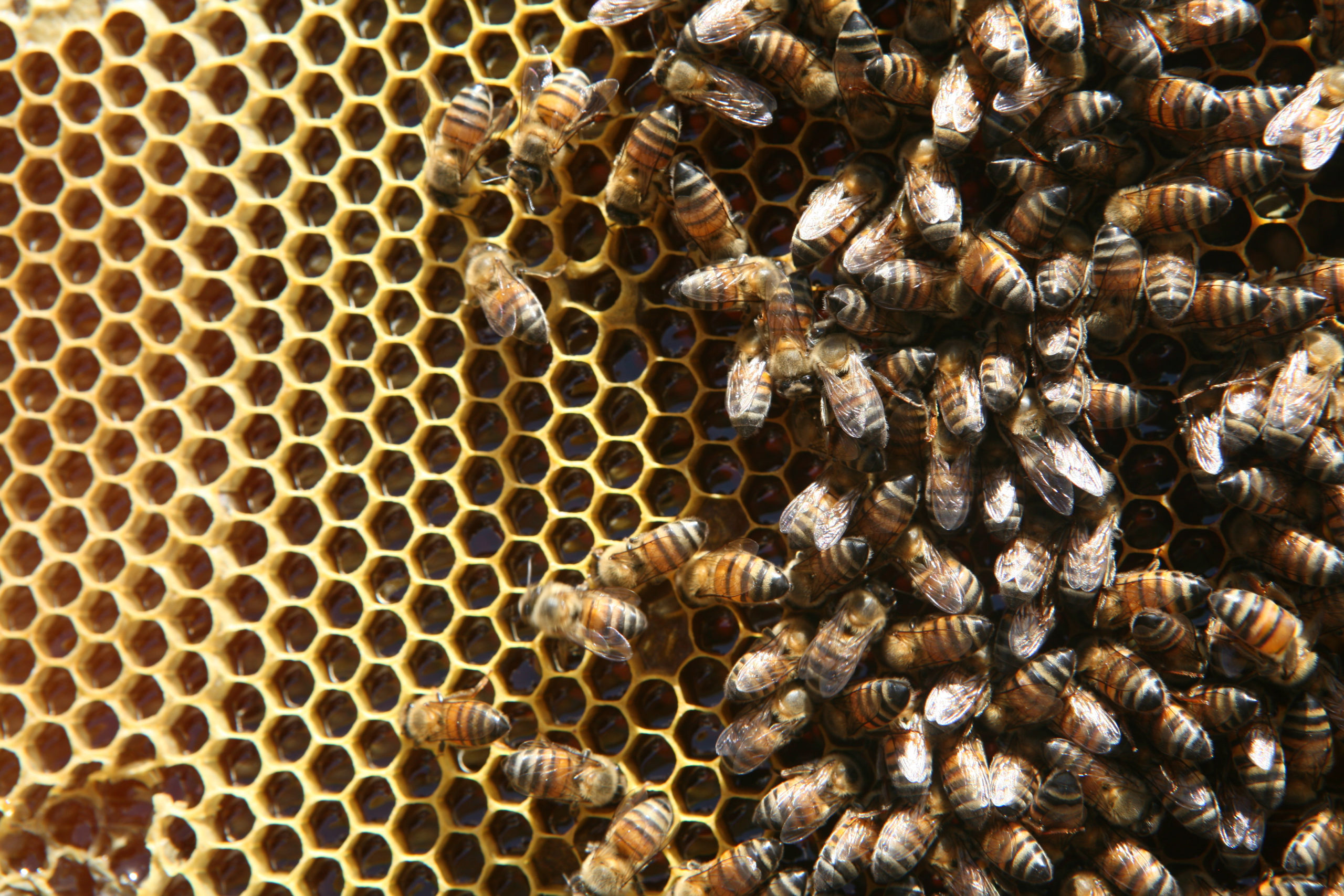
A close up bees on of a frame of honeycomb in a beehive. CIPAC, Cooperativa Integral de Producción Apicultores de Cuilco, is a Fairtrade-certified honey-producing organisation in Cuilco, Huehuetenango, Guatemala.

In the last few years, Lidia has noticed shifting rain patterns and temperature swings—concrete impacts of climate change. As a result, over the last five years, Lidia’s hives have become eight times less productive while the cost of maintaining them has remained the same. Meanwhile, nearby farmers similarly affected by climate change are driven by desperation to fumigate their crops, unintentionally harming Lidia’s bees, which fly for miles in search of pollen.


Related topics: Climate-Smart Cocoa practices – Impact on Rural Livelihoods, the Case of Peru – The secret for scaling climate-smart agriculture

“We beekeepers see the effect of these chemicals” Lidia says. “Sometimes, bees come back who are contaminated… and they enter the hive and kill other bees. I personally have lost six or eight hives to this problem just this year.”

Luckily, Lidia is a member of U Lool Che, a honey cooperative that’s part of a larger collective of co-ops called Educación Cultura y Ecología, A.C (EDUCE). EDUCE and U Lool Che train beekeepers like Lidia on organic apiculture, blending time-proven traditional practices with cutting-edge agronomic research and modern hive technology. This approach protects honeybees and the environment while boosting incomes, ensuring beekeeping is sustainable for generations to come.
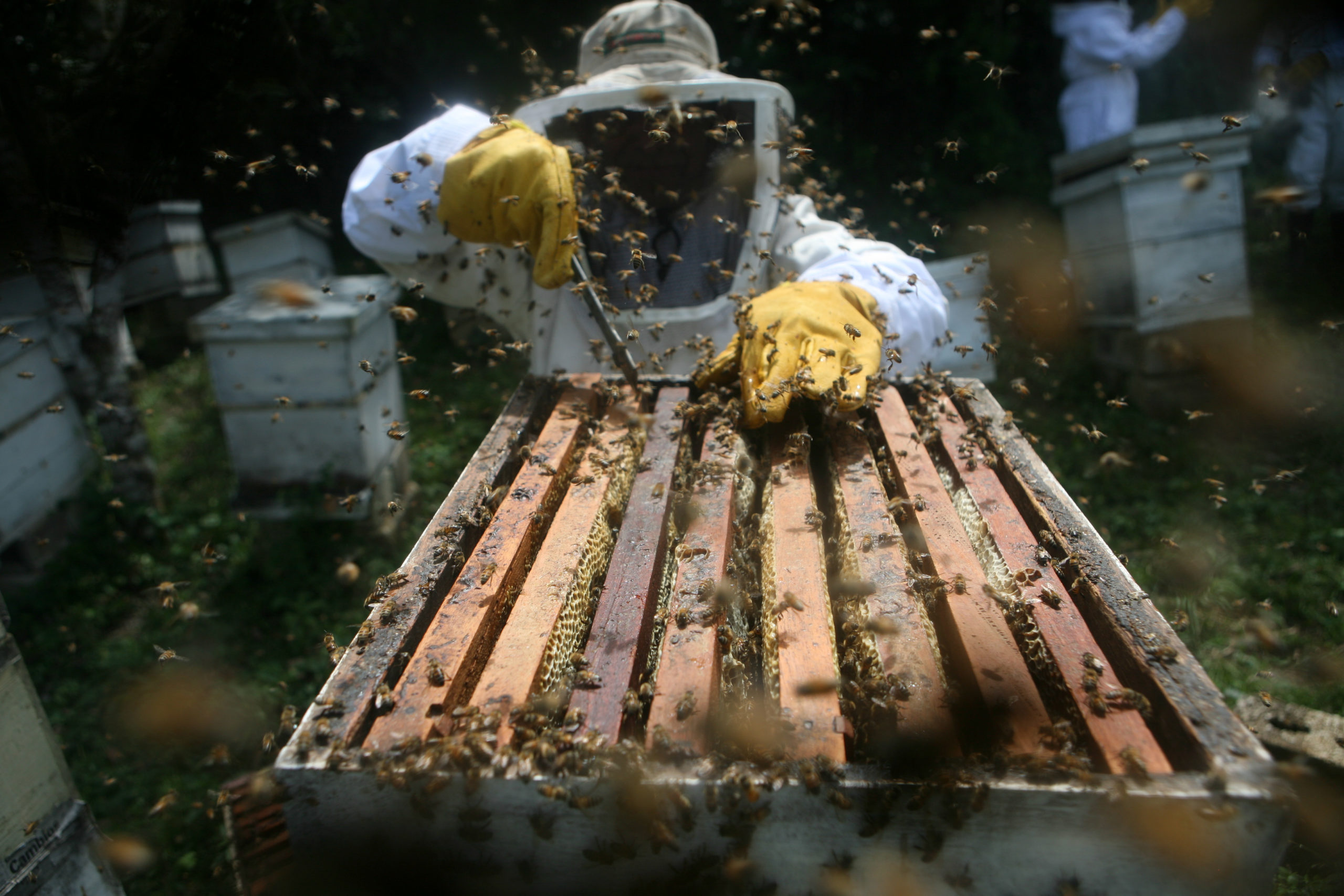
Miguel Angel García, beekeeper, opens a defensive africanised hive to check the health of the hive frame by frame. The bees swarm around him. COADAP, Cooperativa Agrícola de. Apicultores de Petén, is a certified fairtrade producer based in the Petén jungle in Guatemala.

But training isn’t enough. Many beekeepers lack the money needed to update their practices. With support from the Walmart Foundation, Root Capital helped U Lool Che overhaul its internal credit system, through which beekeepers can acquire small loans from the cooperative to invest in their future. With knowledge, confidence, and capital from the cooperative, members like Lidia are becoming leaders in their communities, advocating for more widespread organic practices to protect bees—and farmers’ crops—for the long term.



Between 2017 and 2019, Root Capital provided credit and capacity-building services across six states of Mexico to support 9,000 coffee, cocoa, and honey farmers. This program was made possible thanks to a grant from the Walmart Foundation.

Lidia knows that beekeeping is not just a livelihood, but a legacy: “I want to teach my daughters the culture where all of this [beekeeping] comes from, the importance of it… I want them to value that this is a part of what our ancestors left us, and see that we have to care for it so we don’t lose it.”


EDITOR’S NOTE: The opinions expressed here by Impakter.com columnists are their own, not those of Impakter.com. Photo Credit: Sean Hawkey and Root Capital


Tags: beekeepingbeesClimate ChangeMexico
Previous Post

During the Coronavirus Crisis, Don’t Forget Food Waste

Next Post

Agricycle: Closing The Global Opportunity Gap

Related Posts

The Imperative of a Nature-Positive Future
Biodiversity

The Imperative of a Nature-Positive Future

For most of human history, survival was a gamble. Half of all children never reached puberty. Life expectancy hovered around...

byMarco Lambertini
January 16, 2026
coal mine
Business

Can the War on Coal Still Be Won?

Ten years ago, I embedded in the war on coal. I spent a month inside the Sierra Club’s Beyond Coal campaign, watching an organization...

byCanary Media
January 6, 2026
Impakter’s Most-Read Stories of 2025
Society

Impakter’s Most-Read Stories of 2025

In 2025, as in previous years, Impakter readers turned in large numbers to stories examining climate change and pollution, environmental...

byImpakter Editorial Board
December 31, 2025
Year in Review: Trump 2.0 and the Environment
Editors' Picks

Year in Review: Trump 2.0 and the Environment

So much has happened this year. It seems that every day there is a new headline that is just as...

bySarah Perras
December 30, 2025
Is It Time to Recognize Climate Refugees?
Climate Change

Is It Time to Recognize Climate Refugees?

Climate displacement has become a defining feature of our present. Climate shocks now shape human (im)mobility, humanitarian crises, and political...

byDr. Shepherd Mutsvara - Research Fellow at the University of Münster, Germany
December 30, 2025
What’s Next for Sustainable Development in 2026
Climate Change

What’s Next for Sustainable Development in 2026

As governments confront rising misinformation, constrained budgets, and intensifying climate risks, the need for evidence-based policy has never been greater....

byInternational Institute for Sustainable Development (IISD)
December 23, 2025
women and extreme heat
Climate Change

Women and Extreme Heat: Simple Adaptations Make a Big Difference

One of the more damaging impacts of climate change is extreme heat. From Spain to Bolivia to Burkina Faso, unusual...

byKate Schecter - CEO of World Neighbors
December 23, 2025
Canada Sets Green Investment Rules; UK Regulator Probes WH Smith; Louvre Workers Call Off Strike;Trump Allies Clash With Fannie, Freddie Staff.
Business

A New Rulebook for Green Capital: Canada

Today’s ESG Updates Canada Sets Green Investment Rules: Canada will introduce a sustainable investment taxonomy by 2026 to label green...

byEge Can Alparslan
December 19, 2025
Next Post
Agricycle: Closing The Global Opportunity Gap

Agricycle: Closing The Global Opportunity Gap

Recent News

Marathoners

8 Must-Know Websites for Marathoners

January 16, 2026
Why Glyphosate, the World’s Most Widely Used and Sued Herbicide, Is Under New Scrutiny

Why Glyphosate, the World’s Most Widely Used and Sued Herbicide, Is Under New Scrutiny

January 16, 2026
The Imperative of a Nature-Positive Future

The Imperative of a Nature-Positive Future

January 16, 2026
  • ESG News
  • Sustainable Finance
  • Business

© 2025 Impakter.com owned by Klimado GmbH

No Result
View All Result
  • Environment
    • Biodiversity
    • Climate Change
    • Circular Economy
    • Energy
  • FINANCE
    • ESG News
    • Sustainable Finance
    • Business
  • TECH
    • Start-up
    • AI & Machine Learning
    • Green Tech
  • Industry News
    • Entertainment
    • Food and Agriculture
    • Health
    • Politics & Foreign Affairs
    • Philanthropy
    • Science
    • Sport
  • Editorial Series
    • SDGs Series
    • Shape Your Future
    • Sustainable Cities
      • Copenhagen
      • San Francisco
      • Seattle
      • Sydney
  • About us
    • Company
    • Team
    • Global Leaders
    • Partners
    • Write for Impakter
    • Contact Us
    • Privacy Policy

© 2025 Impakter.com owned by Klimado GmbH