
Debt-for-nature swaps help reduce debt for low-income countries. However, success requires more than just a dedication to climate conservation.
Belize
Belize has struggled with high government debt for decades.
Moreover, the illegal trade in the country has intensified the already existing economic struggles of uplifting Belize from a “grey” economy. It is no wonder that most news reports about the nation have focused on cases of money laundering, drug trafficking, and contraband in the past. The government’s historically lenient attitude towards regulating and taxing businesses has worsened this labyrinth of criminal activities.
Beyond the criminal activities, Belize is known for its diverse range of wildlife, which is crucial for the survival of the coastal communities.
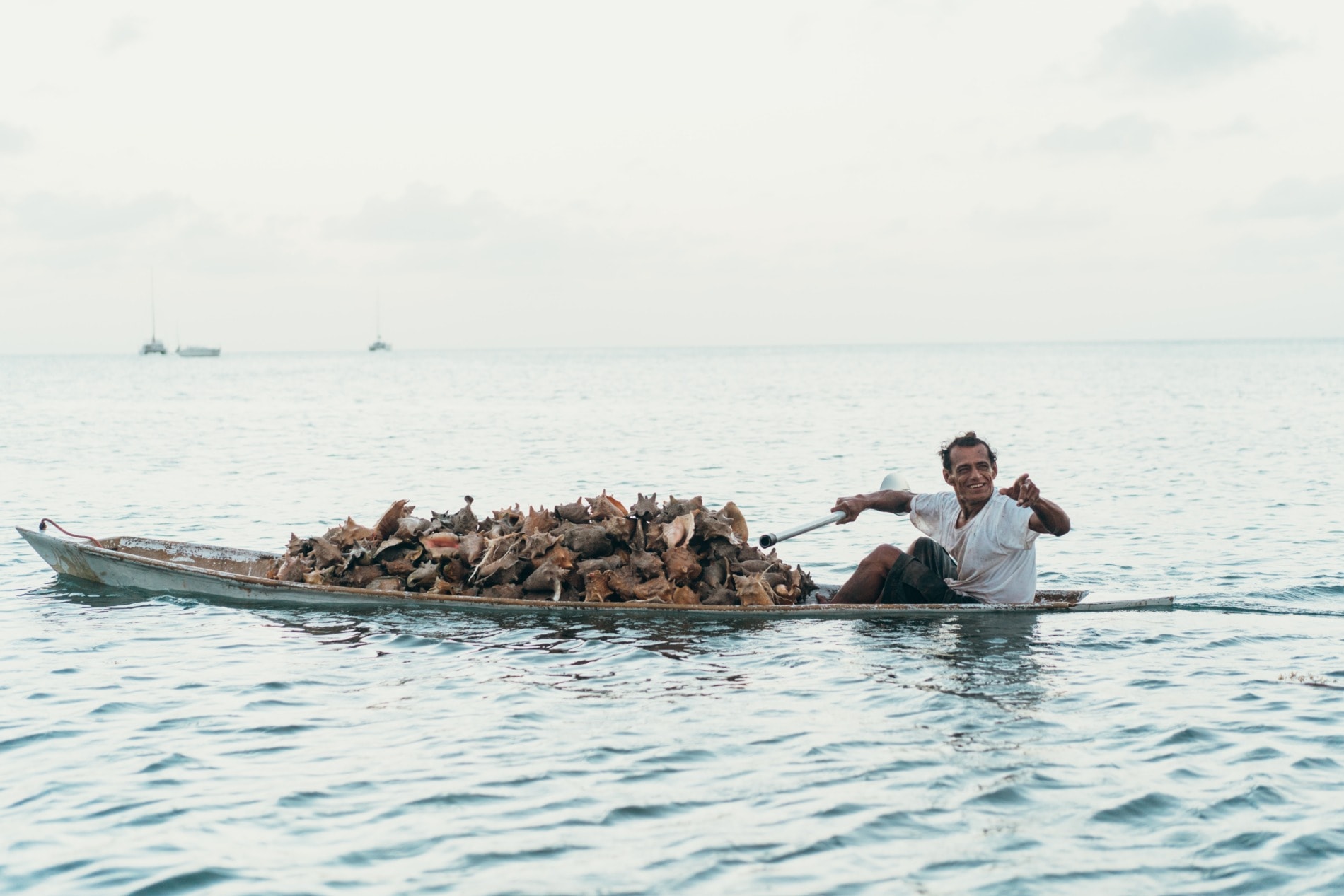
Yet, the illegal trade in species like game, conch, lobsters, and sharks has severely impacted the government’s finances, resulting in a loss of at least $61 million from 2012 to 2018.
The situation was headed towards a never-ending decline, until In 2022, Belize turned to the IMF for help. The IMF proposed a unique solution: exchanging part of the country’s debt for environmental commitments. This debt-for-nature swap was primarily achieved through “blue bonds” with favorable terms from the U.S. government’s International Development Finance Corporation (DFC). It may be safe to suggest that Belize learned some good lessons from nearby Ecuador.
This initiative has already shown promise, reducing Belize’s external debt by 10% of its GDP since the announcement.
It is undeniable that Belize has scored a great deal with this two-for-one offer. The South American country has committed to investing approximately $4 million annually in marine conservation efforts until 2041. Future plans also include doubling marine protection parks and an endowment fund of $23.5 million to support conservation beyond 2040.
What’s even better is that others in the international community seem to be supporting this initiative. Belize and the United Kingdom have signed an Ocean Country Partnership Programme focusing on marine biodiversity and pollution.
It is, without a doubt, that such partnerships favourably influence both the economic status and the citizens of Belize.
Gabon
Now, let’s take a look at Gabon.
The country, like Belize, has grappled with debt issues, with a projected increase of $1.8 billion in its national debt from 2023 to 2028. This amount is expected to reach $14.43 billion by 2028.
The Central West African nation faces regular issues with smuggling and systematic corruption, exacerbated by a large expatriate Lebanese community. These individuals often use money transfer services to bypass strict controls on repatriating corporate profits.
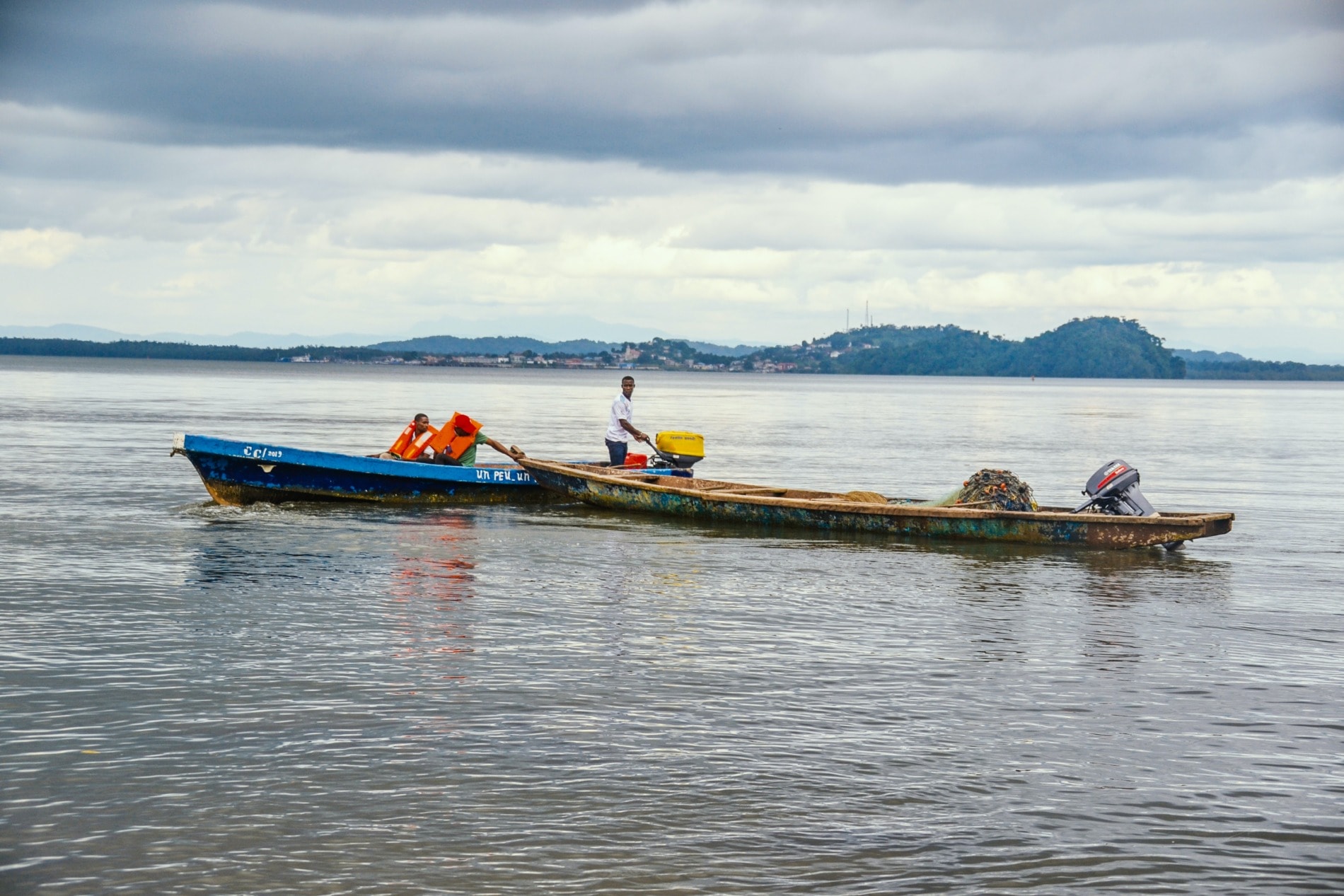
Gabon’s environmental situation is concerning. Due to limited agricultural opportunities, many communities turn to fishing, leading to a decline in fish stocks.
To top it off, the country ranks 136th in the transparency international corruption perception, meaning very little of the wealth of resources trickle down to those in dire need.
Despite these hurdles, the country recently secured a $436 million “debt-for-nature” swap. This swap is centered around marine conservation.
“From a fiscal point of view, it’s brilliant,” says Andrew Stanners, investment director at emerging market investor Abrdn, which holds some of Gabon’s current bonds.
A significant feature of the agreement is the inclusion of political risk insurance from the U.S. International Development Finance Corp. (DFC). The newly launched $500 million “blue bond” is expected to generate $163 million for ocean conservation over 15 years. Additionally, the agreement outlines strategies to combat illegal fishing and preserve at least 30% of coastal waters.
While this debt swap offers opportunities to improve the ocean ecosystem, the recent political coup has cast uncertainty over future developments.
Notable stakeholders such as the Nature Conservancy may face difficulties upholding their commitments due to the ongoing power struggle. Previous coups in Africa have demonstrated that this instability could persist for some time.
This makes it all the more difficult to predict if the debt-to-nature swap has any chance of thriving in Gabon.
Climate Change: Who Is Most at Risk? | How Forgiving Debt Could Help Save the Earth
Sri Lanka
Now, let’s look at one country that is trying to hop onto this debt-to-nature swap train.
Sri Lanka is a beautiful country boasting lush rainforests and pristine coastal areas. However, the country’s current economic and political situation is proving to be a significant challenge.
According to a recent UNDP survey, a staggering 55.7% of Sri Lanka’s population, around 12.34 million people, face multidimensional vulnerability due to the ongoing economic crisis. The effects of this have been widespread debt and compromised access to essential needs such as food, healthcare, and education.
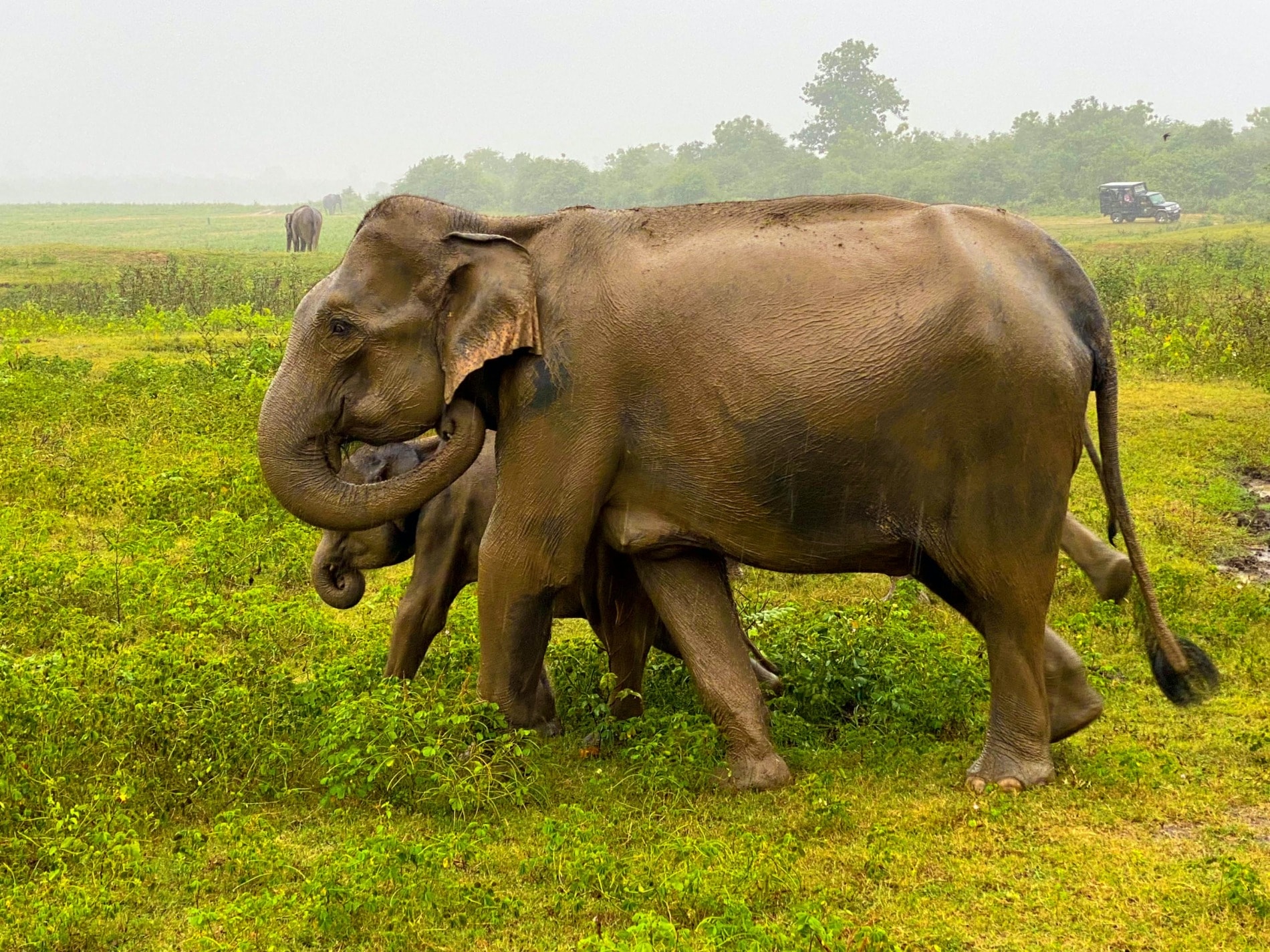
Amidst this economic strife, Sri Lanka is facing pressing environmental challenges. The escalating human-elephant conflict has resulted in an alarming rate of elephant deaths, with 67 attributed to human intervention in the first quarter of 2023.
Sadly, human conflict only worsens the situation. The Sri Lankan military’s strong presence, combined with the insufficient funding of areas inhabited by Tamils, makes it difficult to adapt to the effects of climate change. Consequently, people struggle to provide for themselves, making it challenging to focus on preserving the environment and its biodiversity.
Sri Lanka’s efforts to protect its wildlife have also been lackluster, as evidenced by its recent plans to export 100,000 endangered toque monkeys to China. Even though international outcry eventually led to the cancellation of the plans, it raised concerns about the government’s dedication to conservation.
To address these economic and environmental predicaments, Sri Lanka has turned to debt-for-nature swaps.
The Shamba Centre is leading these efforts. Unlike Belize and Gabon, which are focusing on marine conservation, Sri Lanka’s approach centres on regenerative agriculture.
The government is also finalising a roughly $1 billion debt treatment plan as part of the IMF’s requirements.
Recent developments have been positive, with the government announcing plans to propose a Climate Justice Forum (CJF) at the upcoming COP 28. With the review scheduled for later this month, the country can restructure its current debt of $7.1bn, an alternative solution to address its economic and climate challenges.
“They (creditors) wish to burnish their so-called ESG credentials and some link debt for nature, debt for sustainability feature, and it is likely to form part of the eventual debt restructuring package,” Debt restructuring veteran Lee. C. Buchheit
A New Debt Trend?
These case studies illustrate the potential and challenges of debt-for-nature swaps for developing countries in debt distress.
Belize is a positive example for South American nations, having learned from Ecuador how beneficial these swaps can be.
The case of Gabon serves as a reminder of the consequences of political instability on economic progress.
Belize’s recent advancements in South Asia are a model for other nations looking to be on a similar pathway.
However optimistic the situation may seem, we must remember a crucial caveat. Debt-for-nature swaps are not a one-size-fits-all model. Their effectiveness depends on political stability, international collaboration, and genuine environmental dedication.
And it is at this point that a pressing question arises. Couldn’t these initiatives enable wealthier nations to have too much influence over the resources of debt-stricken countries, subtly perpetuating neocolonial dynamics?
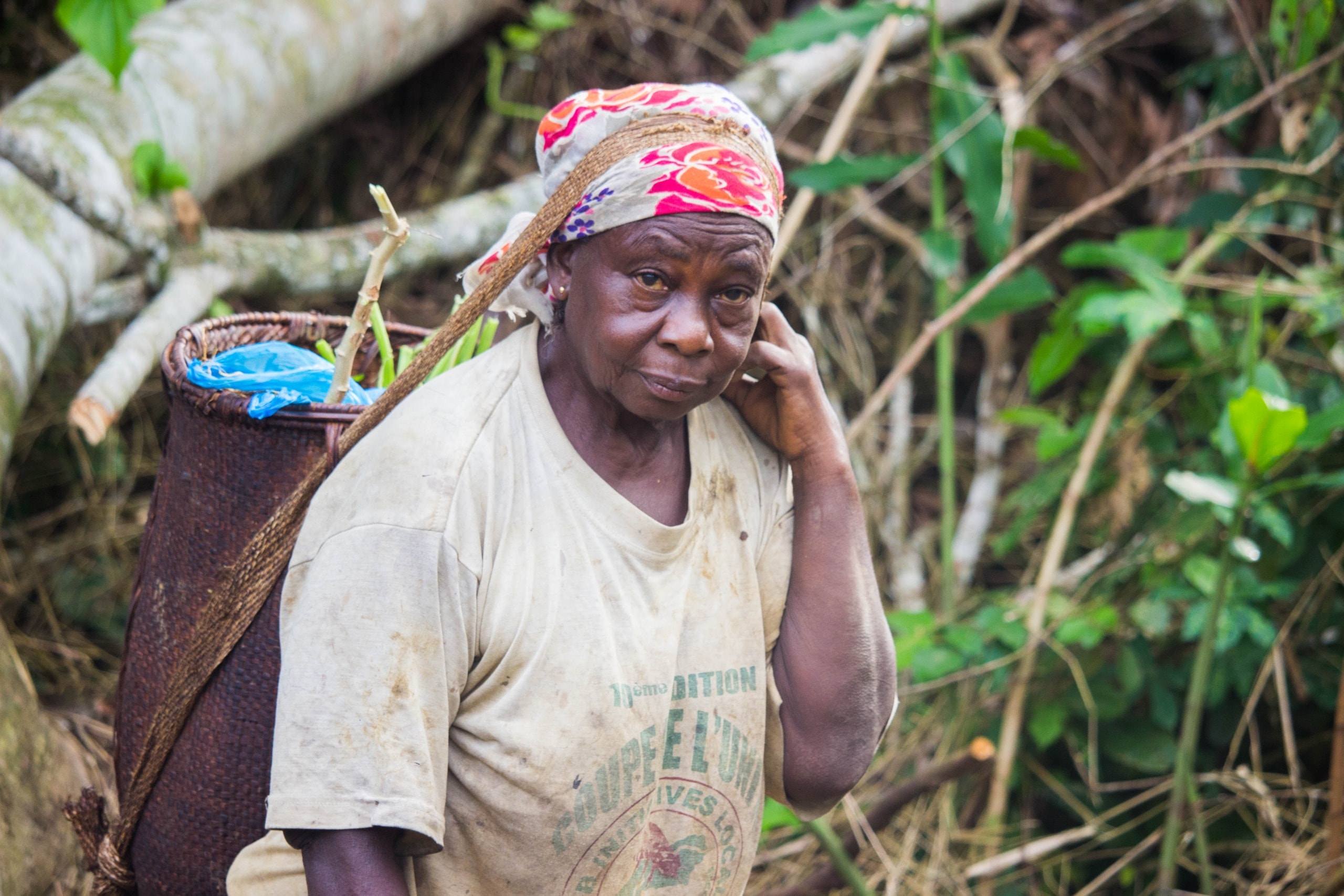
Editor’s Note: The opinions expressed here by the authors are their own, not those of Impakter.com. — In the Featured Photo: A Gabonese Woman Carrying a Machete. Featured Photo Credit: Stevy Opong