
The Conference on the Future of Europe was launched in March 2021, with its main aim on giving citizens a say on how the EU should work. The Conference is an initiative of the European Union with the purpose of analysing what reforms should be made to its policies and institutions looking at the medium and long term.
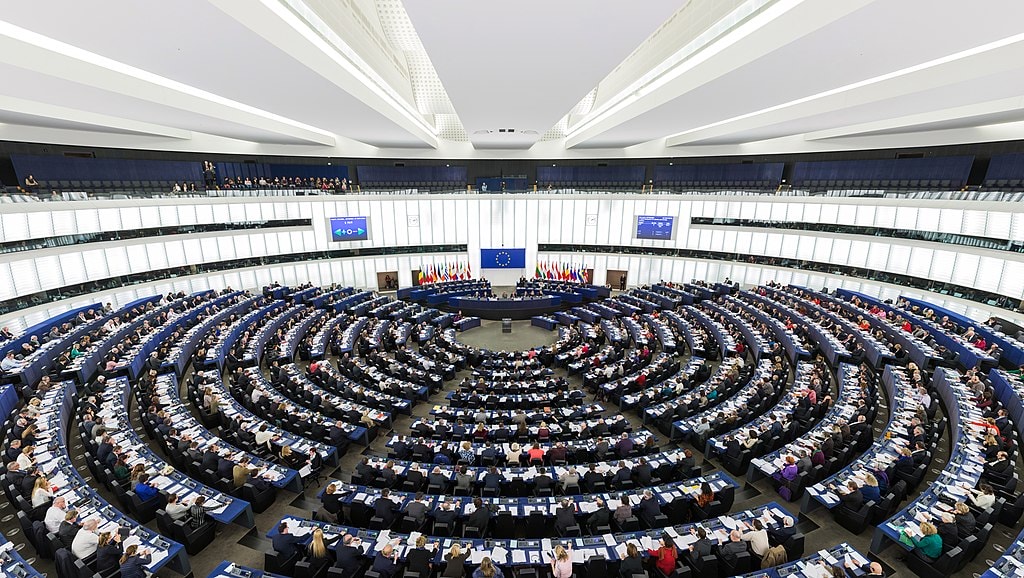
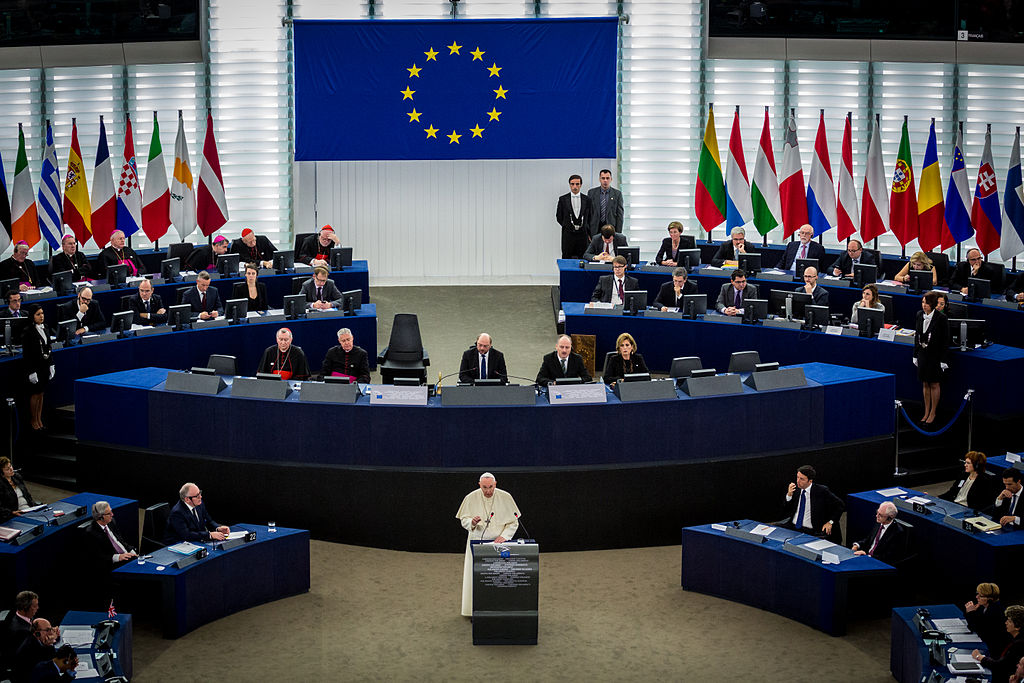
Over the last 12 months, “citizens panels” were convened across the EU, while policymakers regularly gathered for plenary sessions in Strasbourg. The Conference functioned one full year and presented its final recommendations on Monday, May 9, a symbolic date since it’s Europe Day. The Conference brought together some 700,000 participants and produced thousands of ideas and recommendations.
This one-year journey of discussion, debate and collaboration between citizens and politicians culminated in a report centred around 49 proposals that include concrete objectives and more than 320 measures for the EU institutions to follow up on under nine topics: climate change and the environment; health; a stronger economy, social justice and jobs; EU in the world; values and rights, rule of law, security, digital transformation, European democracy, migration, education, culture, youth and sport.
The proposals are based on recommendations made by citizens who met within the European Citizens’ Panels, and National Citizens’ Panels and contributed their ideas on the Multilingual Digital Platform.
“Citizens – especially young people – are at the heart of our vision for the future of Europe. They have directly shaped the outcome of the Conference. We are at a defining moment of European integration and no suggestion for change should be off-limits. We should not be afraid to unleash the power of Europe to change people’s lives for the better,” said Roberta Metsola, President of the European Parliament.
How EU institutions are likely to respond
It’s unclear what will happen next; there is no binding mechanism requiring politicians to turn any suggestions into law. While some want the conference to become a permanent EU fixture, others think that would only highlight a disconnect between citizens and the EU.
However, one thing is certain: what happens next, will help shape the narrative of the EU, which has spent years fending off allegations that it is composed of out-of-touch bureaucrats with little democratic accountability.
The Conference brought together roughly 800 citizens to discuss Europe’s future. And, policymakers from various countries have met with European Parliament members and EU officials numerous times in Strasbourg, discussing how to potentially turn citizen recommendations into legislative proposals.
However, not all parties agreed with the initiative of the Conference: a group of EU countries is gathering support for a non-paper to be published this week, slamming the outcome of the year-long initiative, in particular the role of the European Parliament and proposals to change the EU treaties. In particular ten countries — Denmark, Estonia, Finland, Latvia, Lithuania, Slovenia, Sweden, Bulgaria, Czech Republic and Malta — have so far signed up, with others expected to come on board.
An EU diplomat involved with the process spoke about the process privately:
“The purpose of the Conference was to engage citizens in a broad debate on the future of Europe. Unfortunately throughout the entire process, the European Parliament has instrumentalized the conference to pursue their institutional interests, for example having the final say on the budget, the legislative right of initiative, the Spitzenkandidaten process,” the diplomat said. “We have not heard ordinary European citizens demand such institutional changes. They care about concrete political results.”
Outside of the panels, the conference erected a digital multilingual platform for others to participate in — a spokesperson for the European Parliament said over 50,000 people “actively interacted” on the platform.
But, despite calls from the Parliament for the democratic experiment to become a permanent fixture, the selection process is rather dubious. The ECR (European Conservatives and Reformists) group walked out of the process last month, arguing that the chosen participants were inherently pro-European, and did not reflect the views of the average EU citizen. Citizens were also recompensed for participating. And, contrary to what the Parliament said, the low level of engagement in the online platform – despite improvement in the last five months – which was a key part of the process given COVID restrictions, is also a shortcoming of the initiative.
The initiative of the Conference originates from French President Emmanuel Macron, who launched the idea of a Conference for Europe in order to “propose all the changes that the European project needs.”
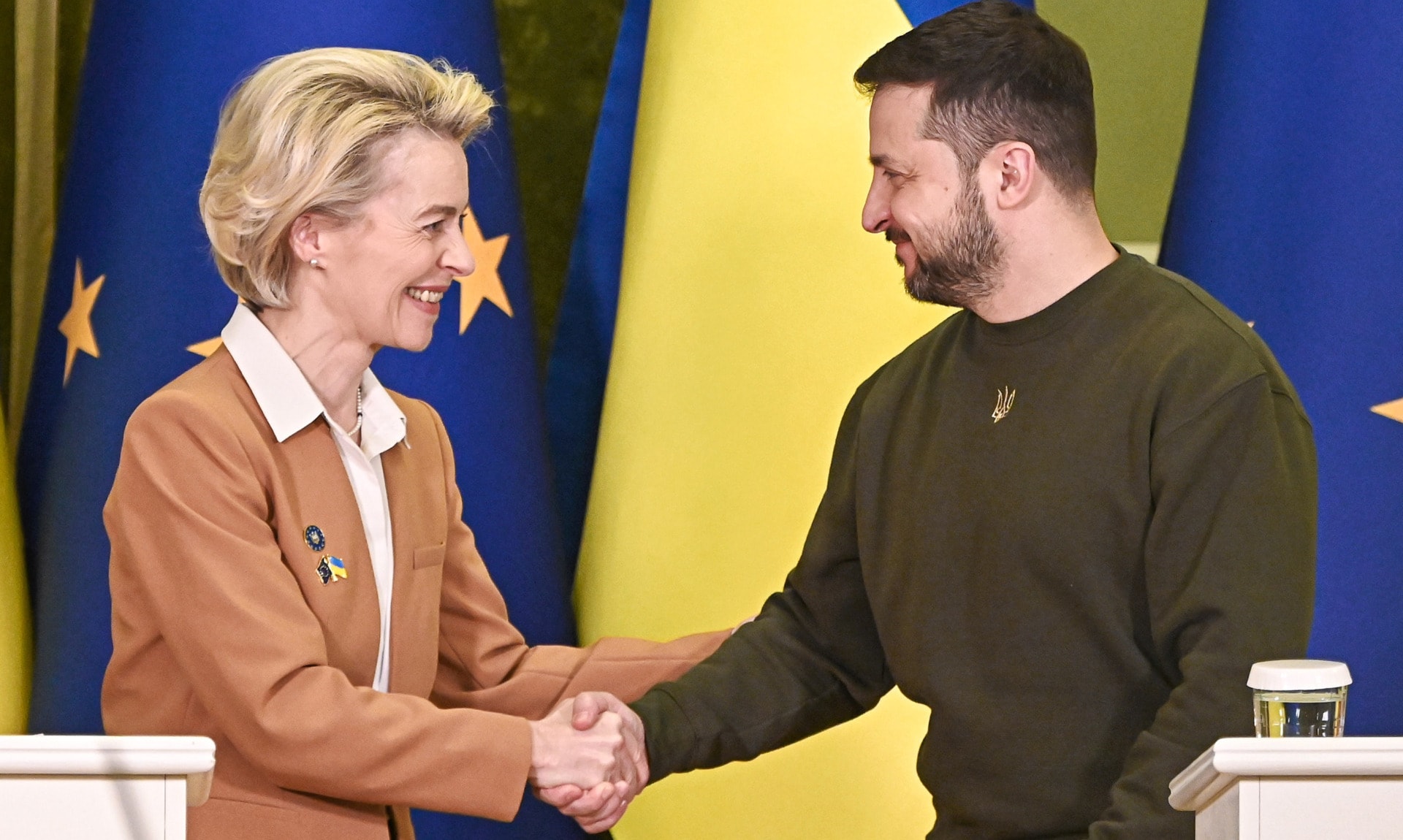
And, after her election in July 2019, the President of the European Commission Ursula von der Leyen supported the idea of the Conference by confirming the initiative should start in 2020 and run for at least two years.
“Democracy, peace, individual and economic freedom. This is what Europe stands for today when the war rages again on our continent. This is at the heart of the Conference on the future of Europe. The European Union has to continue to deliver on European citizens’ expectations. Today, their message has been received loud and clear. And now, it is time to deliver,” she said in a recent press release.
Speaking Monday during the Conference in Strasbourg, Macron proposed a new “European political community,” which would include both members and non-members of the EU to cooperate on various aspects. The newly elected president offered no specific details about the proposal. “This new European organization would allow democratic European nations adhering to our set of values to find a new space for political cooperation, security, cooperation in energy, transport, investment, infrastructure, and the movement of people, especially our youth,” Macron said.
Overall, the Conference on the Future of Europe allowed the EU institutions to give voice to concerns, ambitions, and ideas expressed by citizens across Europe; at least that’s what its initial aim was. The EU institutions will examine how to follow up effectively on the report. Whether the EU will turn the final results into concrete actions, remains to be seen. A feedback event will take place to update citizens in autumn 2022.
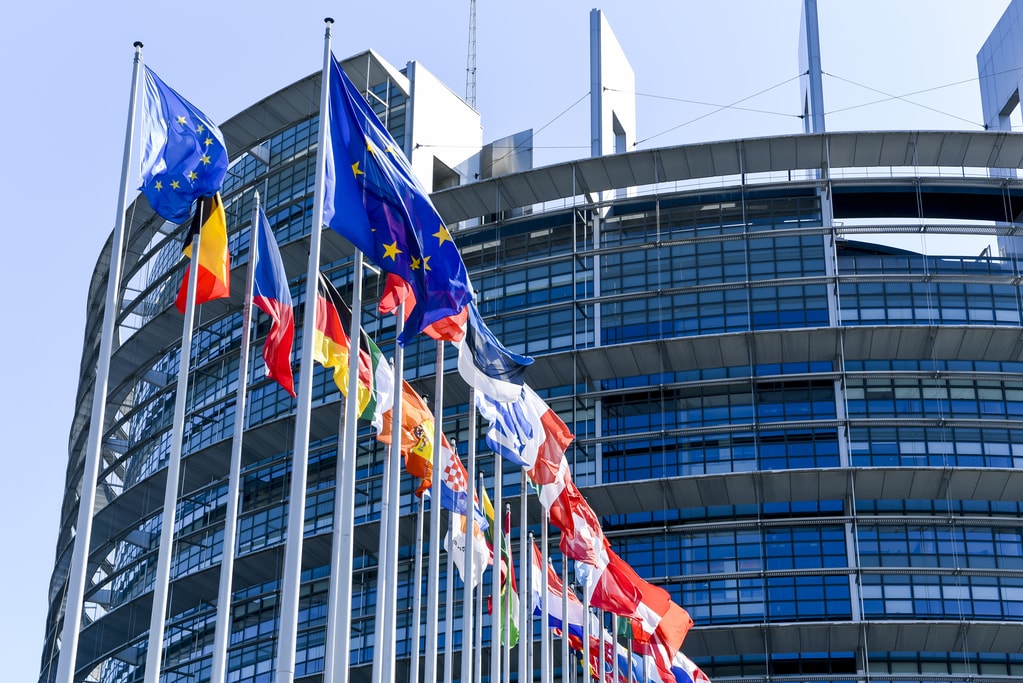
Editor’s Note: The opinions expressed here by Impakter.com columnists are their own, not those of Impakter.com — In the Featured Photo: The European Parliament in Strasbourg. Featured Photo Credit: European Parliament.