Food waste is still a growing concern for our future, even during the coronavirus pandemic. Indeed, even more so. We need, more than ever, to ensure that we have a secure future for present and future generations. The world faces one of its most challenging crises of the 21st century. A tiny yet powerful virus has been able to shed light on several questions we all knew but might not have genuinely comprehended.
First, we are incredibly interconnected – from Wuhan to Milan to New York. Secondly, we are less immune to global crises than we would like to acknowledge, as the seriousness of the crisis has shown in Italy, for example.
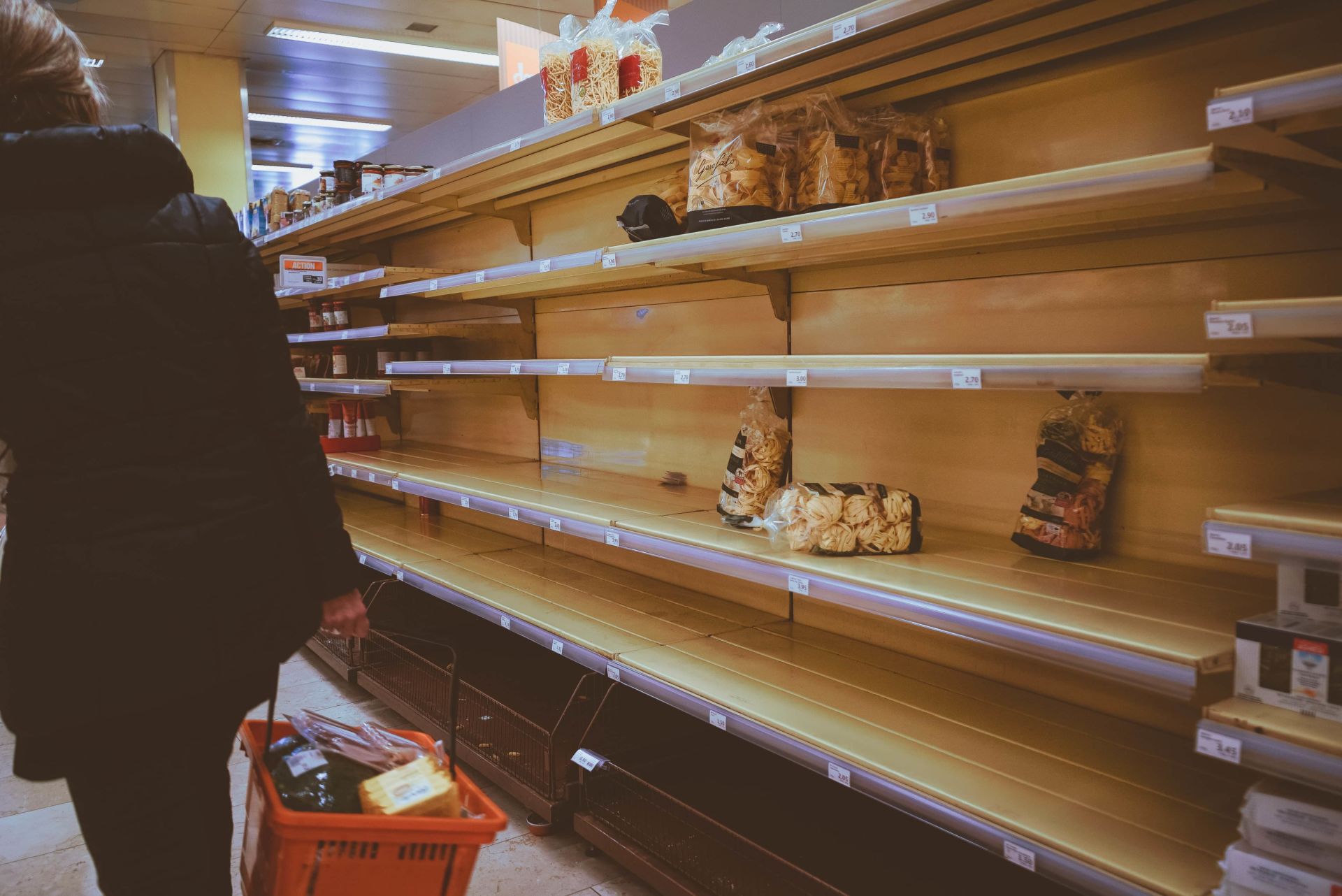
Third, scarcity is real, as anyone who has been to a grocery store lately looking for toilet paper would agree. The new norm has been closedness rather than openness: gyms, public spaces, borders are closed – quarantine is a word in everyone’s mouth.
The last thing anyone wants is for the situation to become chaotic. The current state of affairs has led to a great deal of collective fear and anxiety. When that happens, we tend to expect the worst, and rather than sit and wait; it is an instinct to get ready for the fight.
Stocking is an understandable reaction in times of uncertainty and fear like these, and stockpiling of dry and canned food are even encouraged as preparation for a crisis.
But how can we assure you to have enough food at home while also being mindful of reducing our food waste? And how do we encounter the COVID-19 crisis without losing sight of creeping crises like environmental degradation and climate change?
How was it before?
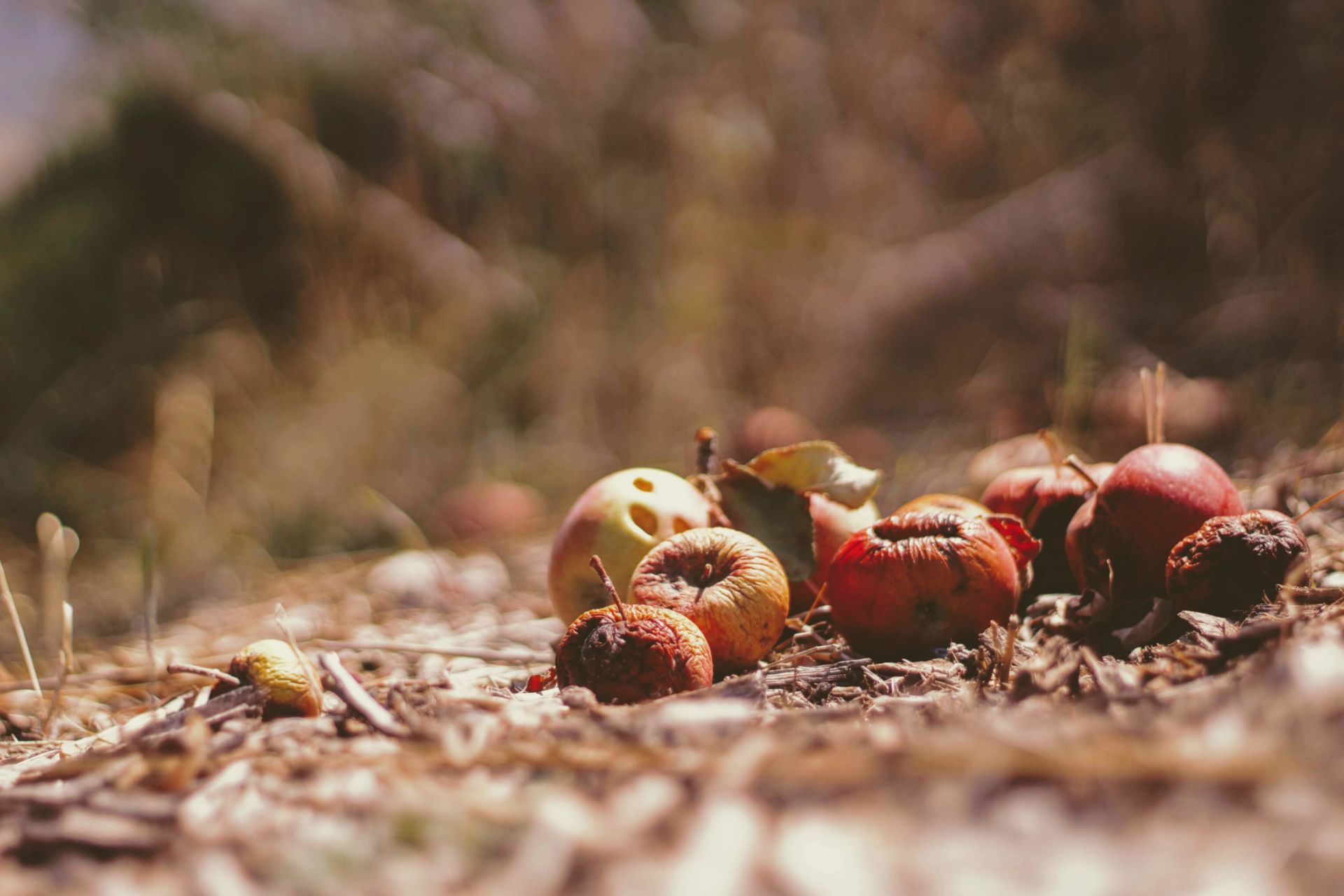
Let’s start by understanding that the food waste problem is not exclusive to the current times. According to the UN Food and Agriculture Organisation (FAO), food waste would be the 3rd most significant contributor to greenhouse gas emissions, if it was a country.
In Sweden, according to the Swedish Environmental Protection Agency, 1.3 million tons of food is wasted every year – half of which researchers classified as “unnecessary waste.” Just to give a clear idea, we are talking about 65 kilograms of unnecessary waste for each person living in Sweden each year.
Sounds a lot, right? Most of it is due to household waste, although some food is also spilled in the logistics chain before it even gets to our plates—all of this before the COVID-19 crisis.
Food waste reduction is a part of the United Nations’ sustainability goals (SDGs) to be achieved before 2030 (SDG 12.3), and it is considered to be a reliable tool to reach the bold goals set by the Paris Agreement. According to Project Drawdown, an initiative that lists the most effective interventions to reduce CO2 emissions, reducing food waste is an essential tool to stop global warming at 2 °C.
We believe that the whole society needs to act to make this goal achievable. Associate Professor Helén Williams from Karlstad University defends that “[t]his is a task for collaborative action between governments, food companies, retailers and consumers.” Governments, companies, universities, and people need to join forces in reducing food waste.
In that regard, in 2017, the Swedish government assigned to the Swedish Food Agency, in collaboration with the Swedish Environmental Protection Agency and the Swedish Board of Agriculture, the task to create an initiative on food waste, resulting in a 42-item action plan. According to Karin Fritz, Project lead of the Government assignment, to succeed, we“need to cooperate, it’s together we will be able to make a difference.”
And actions are being taken. Universities in Karlstad, Gothenburg, and Linköping have all their research areas for food waste reduction, which are leading the way to better understanding and recommending better tools to tackle the problem.
There are also several very creative Swedish startups working to reduce food waste. Karma app provides a platform for restaurants and grocery stores to sell their leftovers to a reduced price; Rescued Fruits, makes fresh juice out of surplus fruits and vegetables; Sopköket is a restaurant where the served meals always consist of more than 50% “saved” food items; Foodloopz is offering consulting services to companies that want to reduce their food waste and; Snömoln, a digital marketplace between restaurant and suppliers (food producers and wholesalers) that aims to reduce waste through more efficient forecasting.
However, there are very few initiatives focused on reducing food waste in households, where the need for reasonable solutions is biggest as almost 50% of food waste occurs in homes.
One service is provided by Plant Jammer, a Danish app where you type in the food items that are soon to be expired and get a recipe including these ingredients. Another service is provided by the British startup Olio, which allows households to share surplus foods. More initiatives like this, focusing on homes, are urgently needed.
What has changed due to the crisis?
True, with the current situation, it is quite a challenge to measure the impacts of the crisis on food waste – or to measure anything at all. Food stores have, however, witnessed an evident change in consumer behavior with the stocking of foods and a shift from sales from restaurants to food stores.
The coronavirus changed consumers’ habits. ICA, the most significant food supplier in Sweden, reports an increased consumption with numbers as high as 11% compared to the same time last year. Similar numbers are also seen among other Swedish food stores. Suppose this increase in consumption would be only on dry goods; that is one thing, as their storage time is longer.
However, according to recent data, the categories with the most significant changes in sales are not just dry goods (as pasta flour and rice) but also dairy, meat products, fruits, and vegetables.
As the storage time remains the same for these types of foods (unless other actions are taken), one could, therefore, foresee a large amount of food waste based on the changed consumption pattern these past weeks.
Whatever initiatives to address the food waste problem in Sweden had been taken before the current crisis, they now need to be strengthened.
Creating and spreading knowledge about the food waste issue is much needed, but we are still far from solving the problem: More action is needed.
Ultimately, what’s on the table is a question of sustainable consumption, a matter that we should all be concerned about, even more in the current situation.
The concern is discussed within universities as well. Professor Williams, who has been dedicating a lot of efforts in the past years to researching food waste in Sweden, states: “[t]here is an obvious risk for increasing food waste when people buy more than they are used to and perhaps also buy food that they normally don’t use in their households.” Household food waste is higher than the restaurant and industrial kitchens waste combined.
At the same time, there is some positive news that indicates a reduction in households since the virus outbreak. OLIO has seen a 20% increase in neighbor to neighbor food sharing and a poll from Hubbub, where they asked 2,000 consumers in the UK how their eating habits have changed, showed that more than half of them are valuing food more now compared to before the outbreak of COVID19.
Also, 48% are saying they are throwing away less food, mostly thanks to more careful meal planning and better use of leftovers.
Karin Fritz thinks that this makes sense since “Some people are now working from home and therefore more people can eat leftovers and have time to take care of their food in time.” If that’s the case, there is a risk that many people will go back to their old habits when the crisis is over.
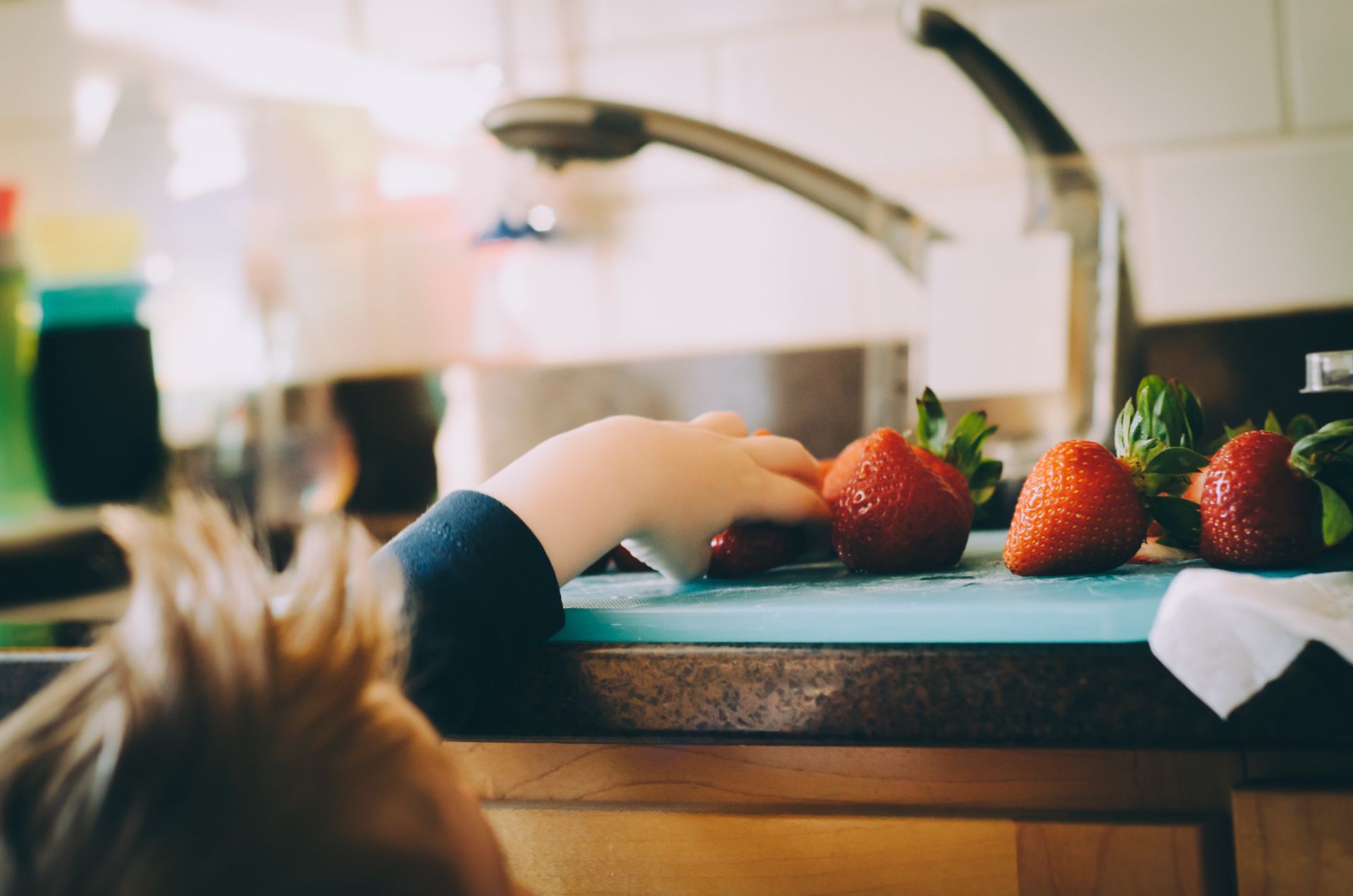
What can each of us do?
Acknowledging the problem and also trying to contribute, the Stockholm hub of the Global Shapers Community has recently launched a project with two clear goals.
First, to raise awareness about food waste as well as helping people track and reduce their food waste numbers.
Secondly, to provide a large-scale database of food waste in Sweden, something that is missing today. For that, Global Shapers Stockholm has created a poll in which consumers, by responding to a few questions, will contribute to a greater understanding of how the crisis has impacted food consumption patterns.
This will both help people to reduce their levels of food waste as well as contribute to better data about waste in households, something that there’s a strong need for.
“Without a good understanding of data about food waste, we are fumbling in the darkness and don’t know what solutions work best. ” – says Emil Watson, who is leading the project. Just look around you, and you will probably feel that you have been wasting some unnecessary food as well.
Three tips to start reducing food waste today
- Track and reduce. First, measure how much food you usually waste in your bin, for example, by counting how many bins you fill up each week. Then, use tip number 2, and you will see that you will be able to reduce the amount you waste over time. Also, use the app OLIO that helps you donating your leftovers to those in need nearby!
- Be creative—Cook new meals with your leftover with inspiration from “no leftovers”
- Contribute to better data, which will lead to a better policy by filling out Global Shapers Stockholm’s poll.
Take-away: Lately, it has been tough to see positivity around. The coronavirus crisis fills up our hearts and souls with sadness and anxiety. Society is suddenly forced to face several questions that, in regular times, we had the privilege to postpone. Not anymore.
The crisis is here, and it brings to our attention several challenges we are not sure we are ready to face. Food waste is one of them. Luckily, several initiatives are taking place to ease these risks, as well as leave a positive heritage once the crisis is gone.
This is an opportunity for all of us to rethink our relation to the food we eat. Hopefully, this crisis will leave us stronger than it found us in a world where we all have a harmonious relationship with the environment and with our resources. Thinking about food waste is a step towards that.