
“Individuals have always started, and always start, from themselves. Their relations, are the relations of their real life. How does it happen that their relations assume an independent existence over and against them? And that the forces of their own life overpower them?”—Marx and Engels

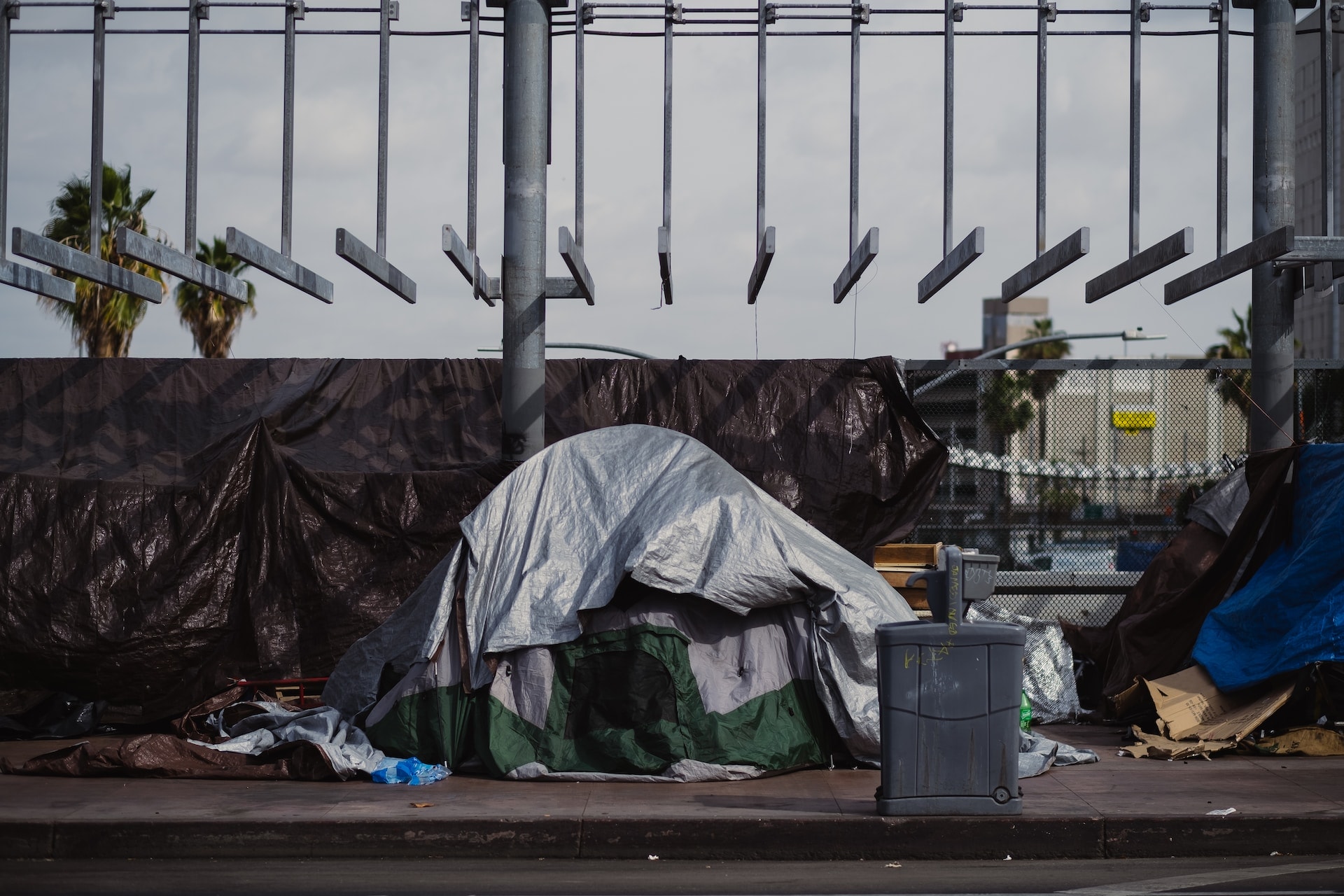
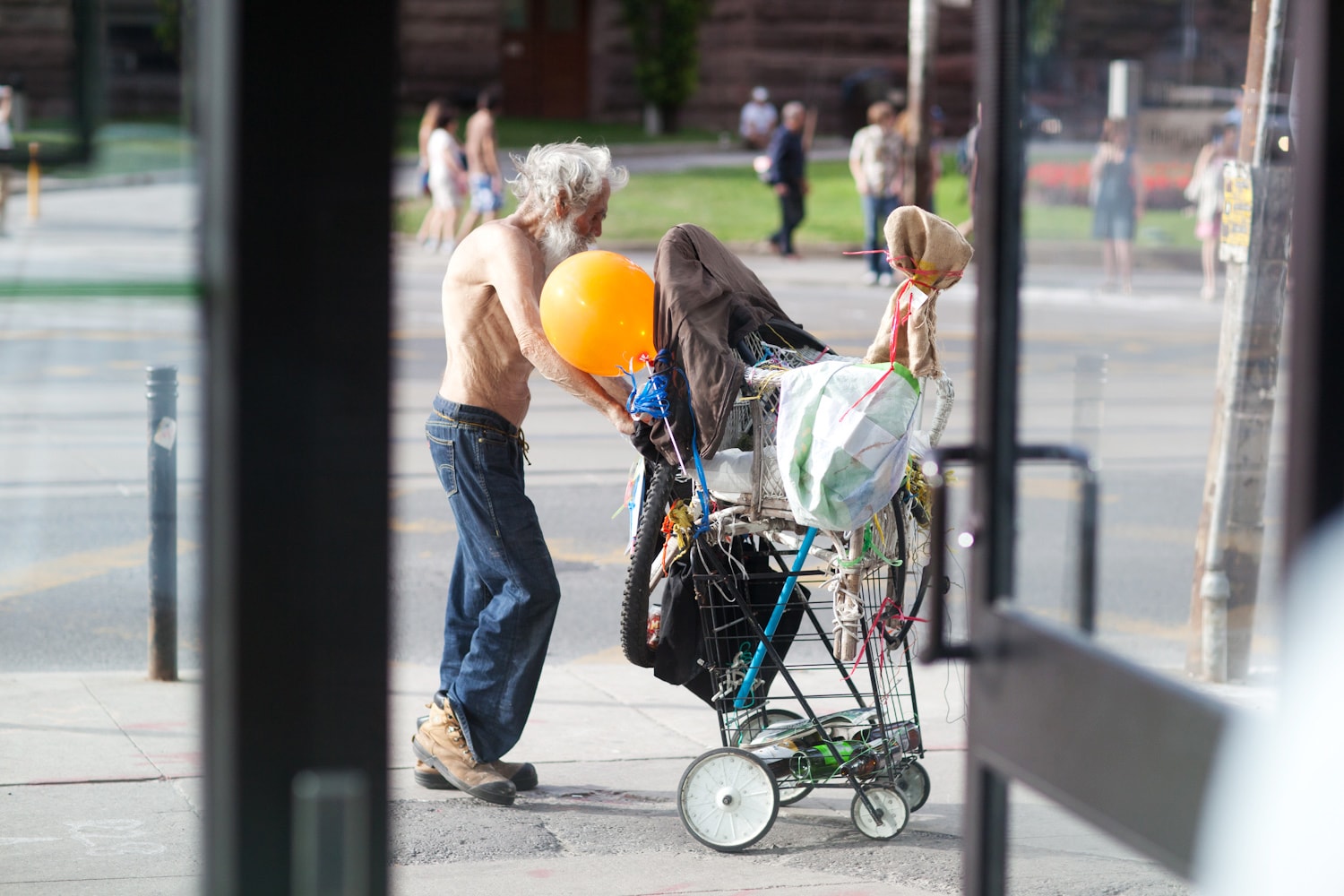
“Organic Jim” is what he’s known as in Marchmont, a small neighborhood in Edinburgh, Scotland near the university where I live. Jim doesn’t have a home, as most people would define it, and he spends much of his time roaming around the streets of this neighborhood. I first got to know Jim when I was walking home from a friend’s place in the area. He was sitting next to a dumpster bundled up in blankets, and I asked him what his name was.
Photo Credit: Tal Dyer
“They call me Organic Jim,” he said. “I guess because they think it’s funny that I’m a homeless guy who refuses to eat shite food.” After a few minutes of chatting, I realized this wasn’t the first time I had met him. During my first year in Edinburgh, I was walking home from the market one cold, snowy night when I turned the corner and saw a group of kids taunting and harassing an older man. They had taken some of his belongings and were running around with them, throwing them back and forth to each other through the air, almost like a cruel game of Keep Away in a schoolyard. I immediately went to intervene. As I approached with a scolding indignation in my voice, the teens scattered, laughing and shouting taunts as they went. So there Jim and I were, trying to gather up his belongings in the snow. He had tears streaming down his face, which he tried to conceal. Suddenly a bike carriage arrived, and a nice young man started to assist us. He asked what had happened, and Jim explained. Jim then asked the young man if he could give him a ride somewhere, and the young man happily obliged. We loaded up his things, Jim looked me in the eye and said “thank you,” as they biked away down the snowy, dimly lit street. I wondered if I’d ever see him again and if he’d be okay. I walked home, saddened and frustrated by the injustice of what had just happened, and heavy with guilt for my many layers of privilege and good fortune.
This was the first time I met Jim.
Now, we were sitting together in Marchmont beside a dumpster, and I felt relieved to see him. We talked for a few hours until late in the night. Jim had been living on the streets for more than 10 years. “I’ve always wanted to be a dancer,” he told me. “Either that or a chef. But I never did very well in school—I have some learning disabilities, or whatever they’re called. So, I dropped out, and now here I am.” He told me all about his favorite musicians: John Prine and Chrystal Gale. He even sang a song or two. “What I miss most of all, is being able to listen to music,” he told me. “I have this old laptop here with songs on it that someone gave me, but I have no way to charge it.” I took the cue, and before I knew it, I was taking home all of Jim’s electronic devices to charge overnight and return the next morning. It still didn’t feel like enough, walking away knowing that he was going to have to sleep there on the ground all night, but it was hopefully better than nothing. And unfortunately, as individuals, there are limits to the amount of personal resources we can devote to situations such as this. As I walked home with Jim’s electronics to charge, I began thinking about the implications of this dilemma.
Related article: “DISRUPTING THE STREETS WITH CHARITY“
What these encounters bring to my mind is the simple question: What responsibility do we have as individuals to constantly negotiate, create and recreate the world we live in? And what are the consequences of how we answer this question? There are a lot of people in positions of power and privilege who theorise about concepts like “freedom”, “justice”, “equity” and the like.
But how do these manifest in practice, in everyday acts?

I suppose it’s pretty uncontroversial to say that, as individuals we live under certain structural constraints, and slightly more controversial to say that we likewise often feel a certain amount of dissociation, from the collective consequences of our everyday actions and interactions. We might experience disempowerment and resignation, with regards to our personal potentials to change undesirable realities. We say we can’t help Jim because of x, y and z; or rather we deconstruct the very notion of ‘help’ so as to remove ourselves from the responsibility, given the possibility that we might cause more harm. Who are we to ‘help’ anyone anyway? How arrogant and presumptuous of an individual to witness something and be moved enough to want to do something about it. So, either due to apathy, resignation or the paralysis of relativism and/or hyper-reflexivity, many of us walk past and get on with our lives, feeling a mixture of guilt, resignation and sadness as we go. We find comfort in the thought that there are government programs, and civil society initiatives out there to provide support to people who don’t have homes, either by choice or by fault of a ‘system’ that allows them to slip through the cracks.
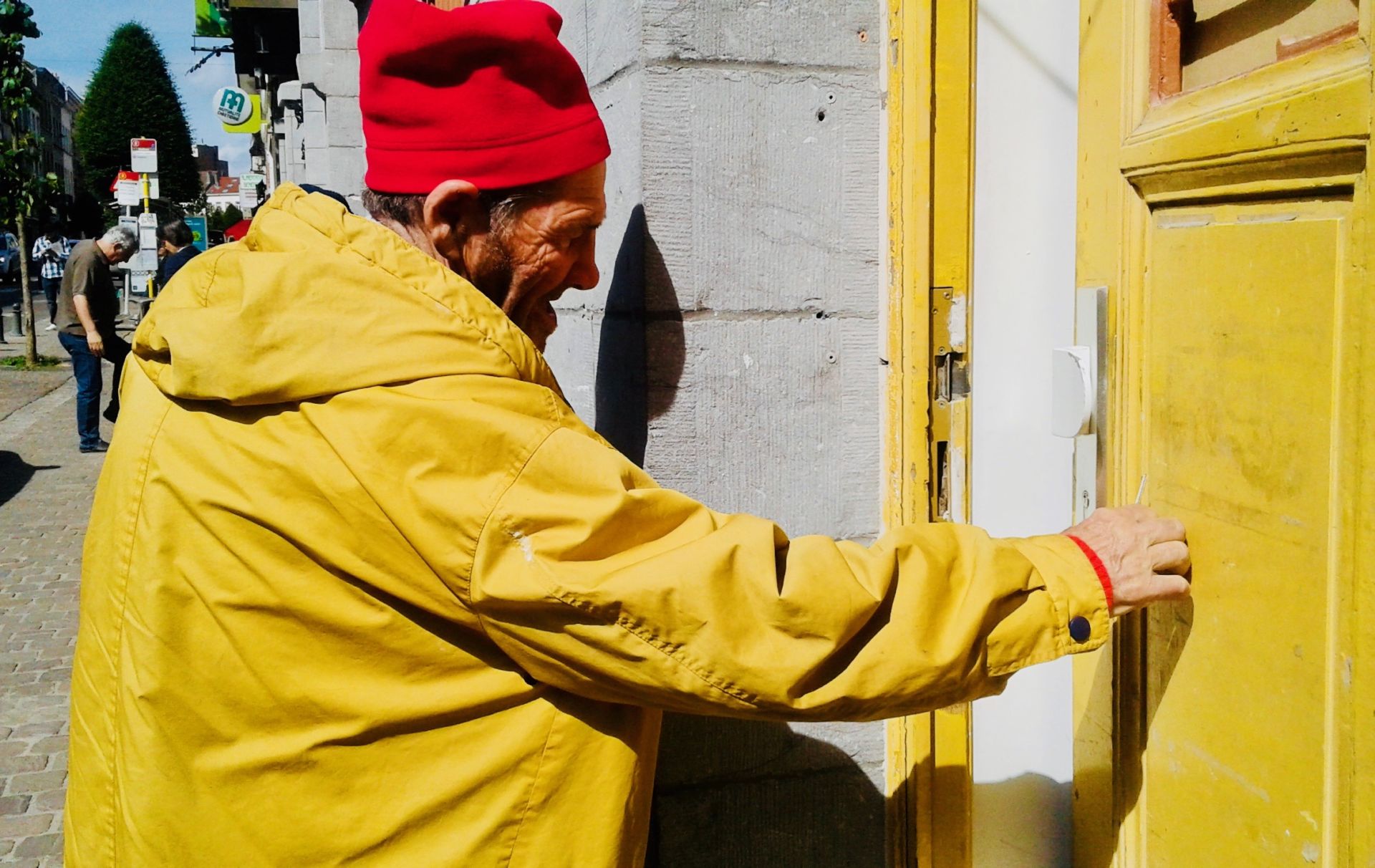
Photo Credit (above): UCI Program in Public Health 

But I think we need to ask ourselves: where do everyday acts end and institutions begin? Where do our actions as individuals blur together, to become part of these larger structures and ‘systems’ that we feel subject to, that we rely on, that support and cater to some and oppress and disenfranchise others? At what point do we give up our agency as individuals over to institutions? As people all over the world are in the midst of negotiating their collective social and political futures, it’s important to acknowledge everyday acts—as enactments of the ‘institution’—where abstract concepts like “freedom”, “equity” and “justice” become grounded, lived and visible.
“Colin the Karma Cabbie” is what he calls himself. With big blue eyes, a round face and a deep, resonating laugh that you can’t help but smile upon hearing. Colin is a cab driver born and raised in Edinburgh, who goes around giving free taxi rides away to customers—three free rides each day. “I work hard like everyone else, and I have wee mouths to feed at the end of the day,” he tells me with a grin. “But I get to encounter a lot of people in my line of work, so a few years back I thought: Why not take that opportunity to help folks out in a way that encourages them to do the same? Pay it forward.” He only gives a ride away, under the condition that the person agrees to spread the gesture of goodwill to others. “Some people think it’s nice to be important, but I think in the end it’s much more important to be nice,” he says. “Little things can make a big difference to people’s lives, and can help to remind us that we’re not alone. We’re all connected in this crazy world, so we ought to find ways to do what we can, when we can. Maybe it won’t undo the damage that’s been done, but it can bring some joy into a person’s day,” he told me.
“This world is what we make it, together, in each moment.”

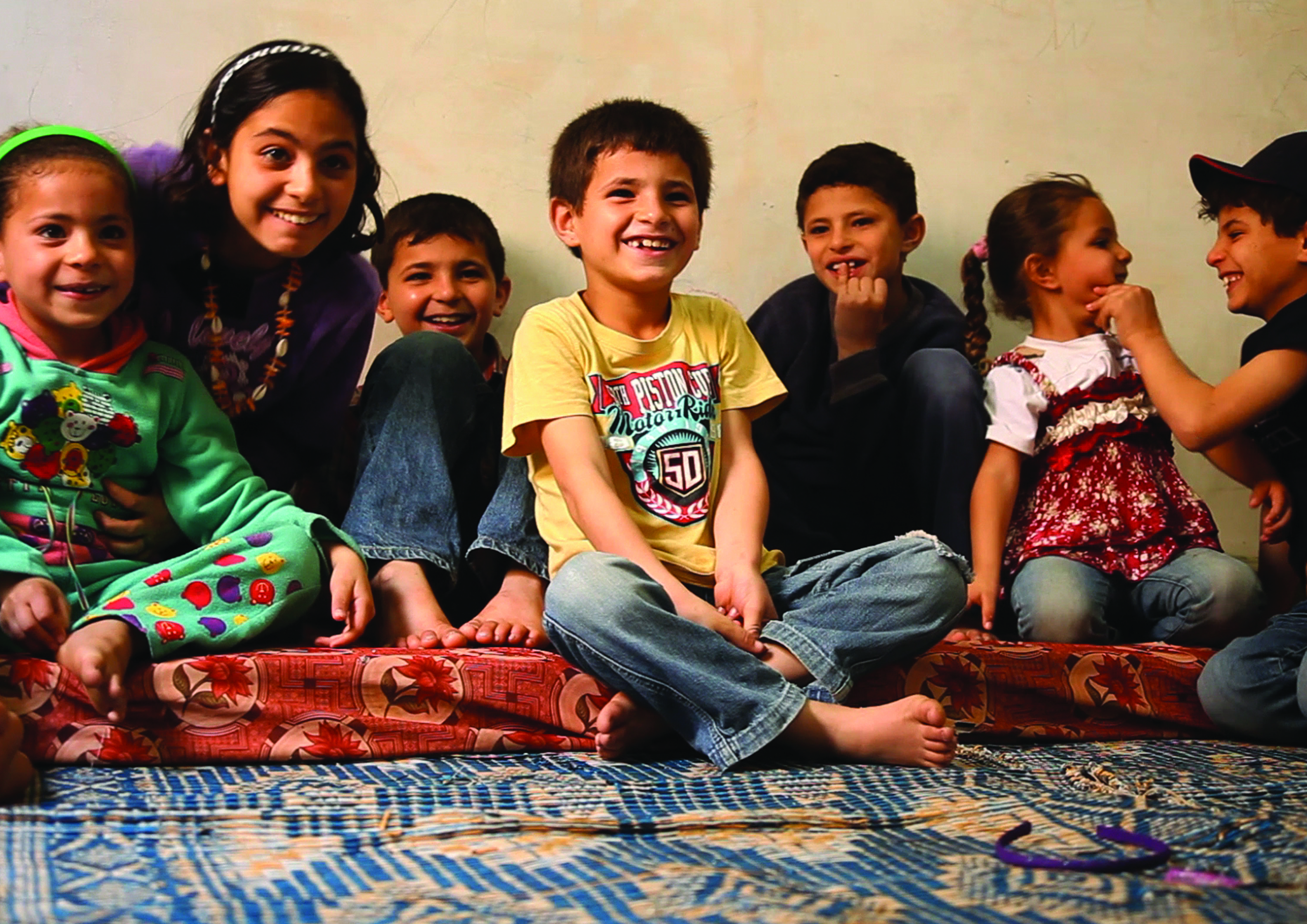
Photo Credit: City of Vancouver
Recommended reading: “SDG 1: WHERE POLICY MEETS POVERTY WITH THE MCSILVER INSTITUTE“