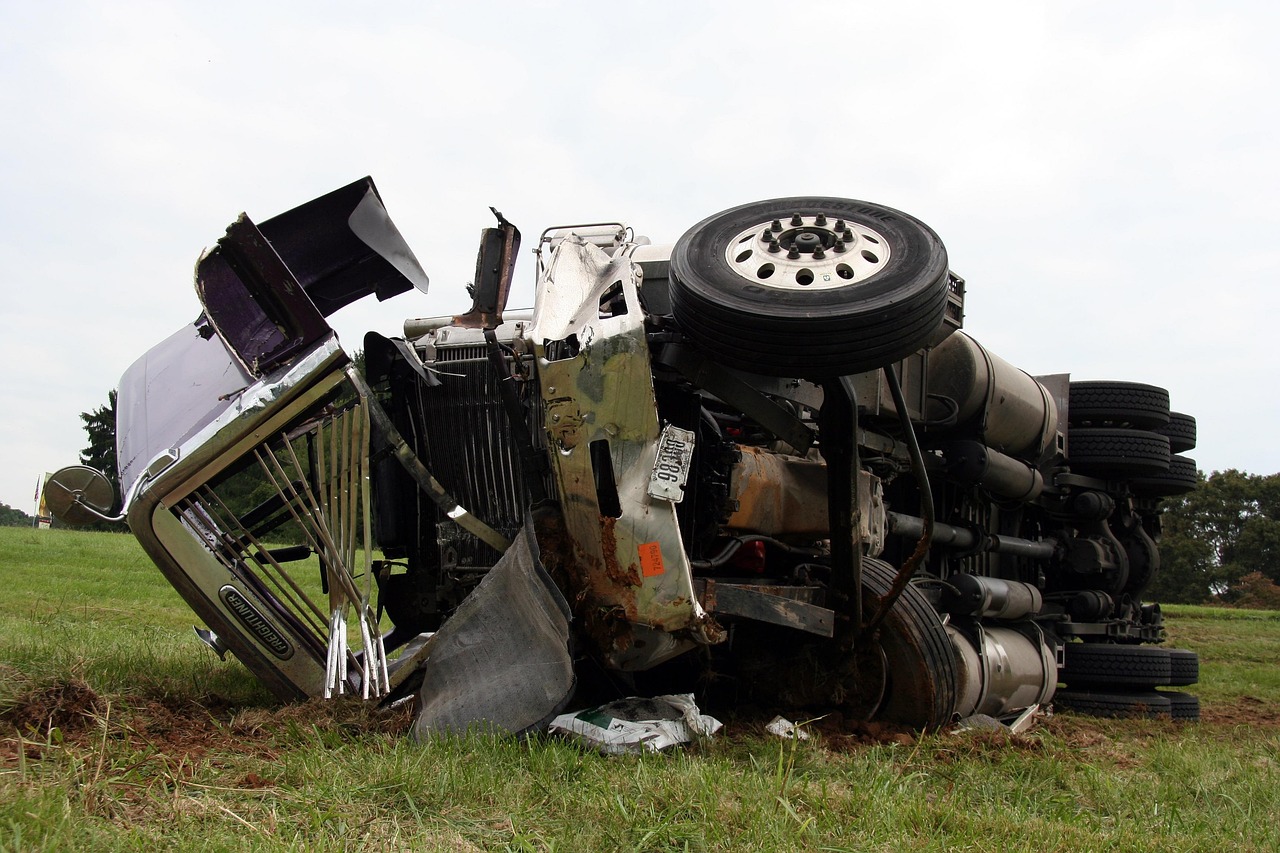
A truck accident on a busy road in Hackensack, NJ, doesn’t stay simple for long. What starts as a clear crash scene can change once records are checked and people begin sharing their accounts. Responsibility often ends up spreading in different directions. The first details may look clear, but they slowly open into a wider web that is harder to read with time.
Many people are surprised by how quickly things change once paperwork starts moving. A truck accident attorney in Hackensack, NJ, often sees how early simplicity turns into layers of questions that were never visible at the start. This section explains why that shift happens and what drives it.
1. More Than One Party Gets Involved
Truck accident cases usually become more complicated once the investigation begins. It is not always just about the drivers involved in the crash. Trucking companies, maintenance workers, vehicle owners, and cargo loading teams may also become part of the discussion later. Each one can have separate reports, records, and explanations about what happened before the accident took place.
Because of that, the case often grows larger than people first expect. Information starts coming from different directions, and small details can completely change how the situation is viewed. A crash that looked straightforward at first may later involve several connected responsibilities.
2. Fast Internal Action After the Crash
After a truck accident, companies connected to the vehicle often begin reviewing what happened very quickly. Driver logs, trip records, and communication details are checked in a short time. These steps happen before most people even think about next actions. This early activity can shape how information is stored or reviewed later.
It also means that the first version of events may already be under internal review before others get a chance to study it. A truck accident attorney in Hackensack, NJ, often sees how this early response quietly influences the direction of a claim before it even fully begins.
3. Complex Rules Behind Truck Operations
Truck travel is different from normal driving. The rules are stricter. There are limits on driving hours, maintenance that has to be kept up, and inspection records, too. All of it needs to stay in order; it can become an issue later.
All of these can come into play later. Even small things like a missed inspection or a log that isn’t clear can affect how responsibility is viewed.
These rules are not always visible at the crash site, which means the legal picture becomes clearer only after a deeper review. What looks like a simple road incident often turns into a study of compliance and documentation once all records are brought together.
4. Evidence Changes or Disappears Quickly
Truck accident evidence doesn’t always last. Digital data can be overwritten, and vehicle parts may be fixed or removed. Even what’s left on the road can fade or get cleared once traffic gets moving again. Even witness memory can become less precise with time. This makes early information very important, but also very fragile.
Once something is lost, it cannot always be recreated in the same way. This constant shift in available information is one of the reasons truck accident cases grow more complex as days pass after the crash in Hackensack, NJ.
5. Insurance Review Happens in Layers
A truck accident claim can appear clear at the beginning, then slowly become difficult to follow as insurance reviews start unfolding. Different teams may look at the same crash through completely different lenses. Some focus on injuries, others study fault, policy language, repair costs, or witness statements.
These separate reviews do not always match perfectly, and small inconsistencies can suddenly change how the situation is interpreted. What first looked simple may continue evolving for weeks or months. A truck accident attorney in Hackensack, NJ, often sees how layered insurance investigations create confusion because the meaning of the claim keeps shifting over time.
6. Injuries Do Not Always Show Full Impact Early
A truck accident injury can stay quiet in the beginning and still become far more serious later. Pain may build slowly, and symptoms that first seem manageable can eventually interfere with normal movement, sleep, or daily life. Early medical reports often capture only the visible condition right after the crash, not the deeper physical effects that may appear later.
As days pass, doctors may begin seeing the injury differently as new complications develop and recovery becomes harder to predict. This creates added pressure during legal discussions because the situation continues evolving after the initial reports are completed.
The difference between early medical findings and later health outcomes can make truck accident cases far more complicated than they first appear during the early stages of investigation and review.
Wrap Up
A crash on a road in Hackensack, New Jersey, might look simple at first. But that usually doesn’t last. Records get checked, rules come into play, and people involved often have different versions of what happened.
Little by little, more details show up, and the case starts to feel less clear than it first seemed. Over time, the picture changes, and early assumptions often need to be adjusted. That’s just how truck accident cases tend to unfold.
Editor’s Note: The opinions expressed here by the authors are their own, not those of impakter.com. In the Cover Photo: truck accident claims are key during extreme accidents. Cover Photo Credit: DC Studio