5 Ways Inefficient Land Clearing Is Quietly Harming the Environment
Land clearing is something most projects simply can’t avoid. For most projects, land clearing is just where things start. Roads, farms, construction, it all begins there. But the focus is usually on getting it done quickly. How it’s actually done doesn’t get the same attention.
And that’s where the problem starts. Inefficiencies don’t always stand out right away. They show up slowly—through disturbed soil, wasted materials, and machines doing more work than they should. Over time, these small issues begin to affect the environment in ways that are easy to miss at first.
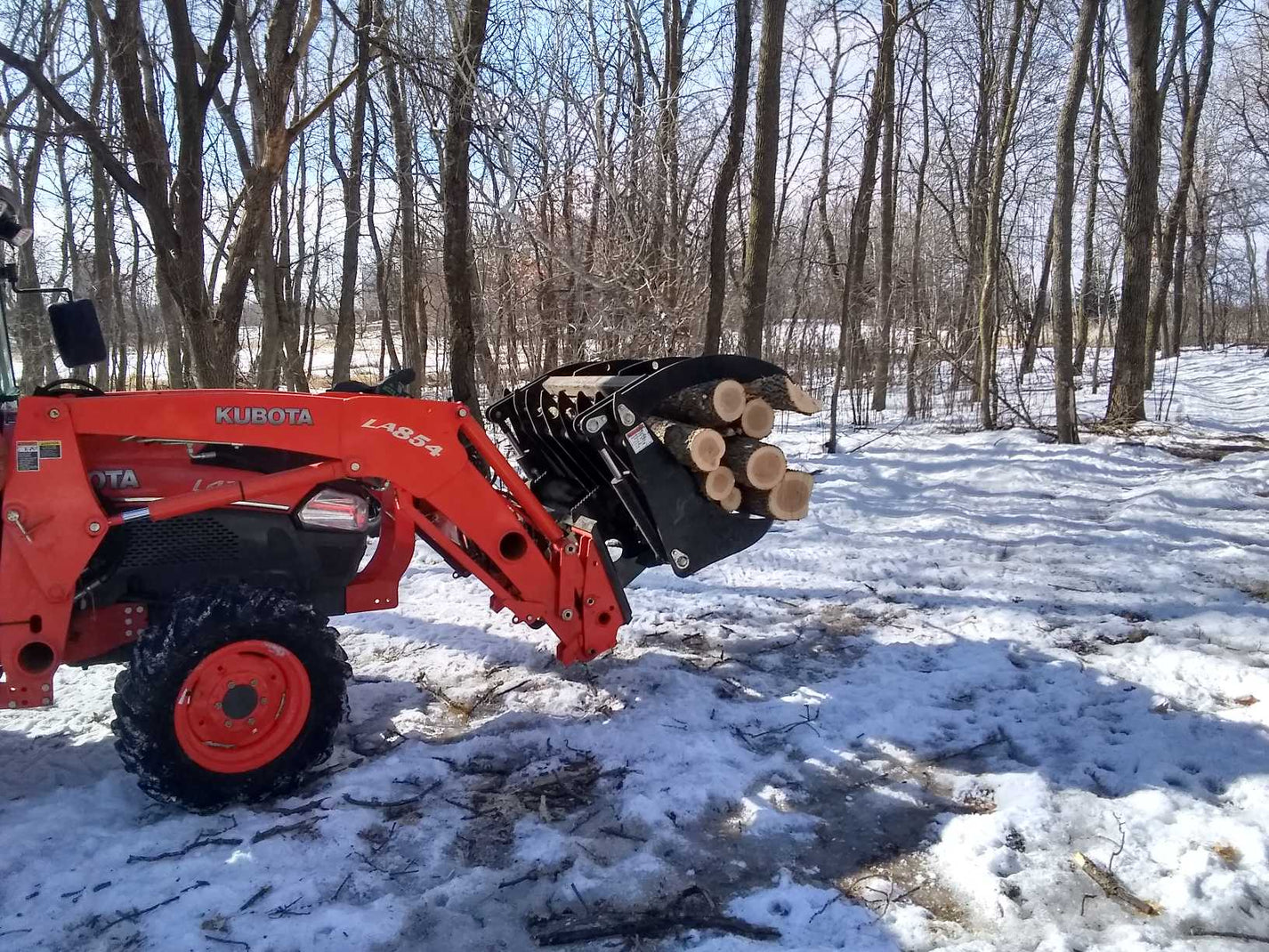
The tools to do this better already exist. Equipment like a root rake grapple for skid steer can make clearing more precise and controlled. But when these solutions aren’t used effectively, the gap between efficiency and impact only grows wider.
1. Unnecessary Soil Disturbance Accelerates Erosion
Soil disturbance is one of those things people don’t really notice at first during land clearing. When debris isn’t handled carefully, soil ends up getting mixed and left exposed, which weakens its structure over time.
This creates the conditions for erosion. With little resistance, wind and rain begin to carry the soil away, often affecting areas beyond the original site.
Because this process happens slowly, it rarely gets immediate attention. By the time the damage becomes visible, restoring the land is no longer a simple task. It becomes a costly one.
2. Poor Debris Handling Increases Landfill Waste
After clearing, the way materials are handled is not always great. Everything usually gets mixed together without much thought. Soil, roots, debris, it all goes into the same pile.
Once that happens, separating it later is not easy, so most of it just ends up being thrown away. Even the parts that could have been reused don’t get that chance.
It’s not something that looks serious right away, but it does mean more waste and less use of what was already there.
3. Inefficient Operations Lead to Higher Fuel Use and Emissions
When land clearing isn’t done efficiently, it usually takes longer than expected. Machines go over the same area more than once, materials get moved around repeatedly, and the workflow is not always clear.
Some common issues include:
- Repeated machine passes.
- Materials being handled more than once.
- Gaps between tasks.
- Equipment not used properly.
All of this increases fuel use. With heavy machinery, that quickly means higher emissions. On larger sites, even small inefficiencies can add up.
This is where efficiency links to environmental impact. It’s not just about speed. It’s about using less fuel and avoiding unnecessary machine time.
4. Lack of Precision Damages Surrounding Ecosystems
A lack of control during clearing can push the work beyond its intended limits. It doesn’t always happen in a dramatic way. Sometimes it’s gradual and barely noticeable.
But the effects are real. Vegetation that should have remained gets removed, and nearby habitats are disturbed. In sensitive areas, even small disruptions can create longer-term environmental issues.
What makes this difficult to manage is timing. The impact is rarely obvious during the work. It becomes visible only after the surrounding ecosystem begins to respond.
5. Long-Term Land Degradation Limits Recovery
The long-term impact of inefficient land clearing is often underestimated. When soil is disturbed and organic matter is removed, even with tools like a root rake grapple for skid steer not used effectively, the land loses part of its ability to recover.
This affects how vegetation returns and increases the effort required for restoration. In some cases, the land does not fully regain its original condition.
For projects that depend on future land use, this becomes a constraint. What begins as a short-term inefficiency can create lasting challenges.
Final Thoughts
Inefficient land clearing doesn’t always look like a problem at first. But over time, the impact shows up. Soil gets damaged, waste increases, and emissions add up.
The good thing is, a lot of this can be avoided. It usually comes down to doing the work more carefully and thinking through the process a bit better.
With sustainability getting more attention now, even small changes can go a long way. It’s not only about getting the job done. It’s also about making sure it doesn’t create bigger problems later on.
Editor’s Note: The opinions expressed here by the authors are their own, not those of impakter.com. In the Cover Photo: Prinoth carbide has the ability to extend equipment lifespan. Cover Photo Credit: quickattach