

More than 100 billion tons of resources enter the economy every year – everything from metals, minerals and fossil fuels to organic materials from plants and animals. Just 8.6% gets recycled and used again. Use of resources has tripled since 1970 and could double again by 2050 if business continues as usual. We would need 1.5 Earths to sustainably support our current resource use.
This rampant consumption has devastating effects for humans, wildlife and the planet. It is more urgent than ever to shift from linear, use-it-up-and-throw-it-away models to a circular economy: where waste and pollution are designed out, products and materials are kept in use for longer, and natural systems can regenerate.
A circular economy isn’t just about fixing environmental wrongs, though: Evidence shows it can bring big opportunities and positive impacts across industries, sectors and lives.
A growing number of businesses, governments and civil society organizations are coming together to drive the change through the Platform for Accelerating the Circular Economy (PACE). More than 200 experts from 100 organizations helped develop the Circular Economy Action Agenda, a set of publications that analyze the potential impact and call for action across five key sectors: plastics, textiles, electronics, food and capital equipment (machinery and large tools such as medical scanners, agricultural equipment and manufacturing infrastructure). The Action Agenda demonstrates five opportunities associated with the shift to a circular economy:
1) Make better use of finite resources.
The circular economy concept is all about making better use of natural resources like forests, soil, water, air, metals and minerals.
Take the textiles industry. Each year, huge quantities of fossil fuels are used to produce clothes from synthetic fibers each year. Textile production (including cotton farming) uses almost 100 billion cubic meters of water per year, approximately 4% of global freshwater withdrawal. At the same time, people throw away still-wearable clothes worth an estimated $460 billion each year.
Creating a circular economy for textiles means shifting to recycled and recyclable materials in order to reduce the amount of land, water and fossil fuels used to produce new clothes. It means changing consumption patterns to reduce new purchases and keep clothes in use for longer, for instance by developing the second-hand and rental markets as well as changing the culture of fast fashion. Research suggests that the purchase of 100 second-hand garments can displace the production of 85 new garments. And finally, it means ensuring that clothes at the end of their life are collected and recycled or repurposed into new clothes, further reducing resource use.
2) Reduce emissions.
About 45% of global greenhouse gas emissions come from product use and manufacturing, as well as food production. Circular economy strategies that reduce our use of resources can cut global greenhouse gas emissions by 39% (22.8 billion tons) and play a crucial role in averting the dangerous impacts of climate change.
For example, shifting towards recycled materials would alleviate the need to produce virgin plastics and synthetic fibers, which would significantly reduce fossil fuel use and associated emissions. Changing consumption patterns is also crucial: For example, if the average number of times a garment is worn were doubled, greenhouse gas emissions from the textiles industry would be 44% lower.
Creating a circular economy for food by reducing loss and waste is particularly crucial to lowering emissions: If food loss and waste were a country, it would be the third-largest emitter after the United States and China.
3) Protect human health and biodiversity.
Every year, more than 9 million deaths occur due to air, water and soil pollution. This pollution also threatens biodiversity.
Working towards a circular economy helps protect human health and biodiversity in many ways, including by making better use of natural resources (e.g. protecting water and land), and by mitigating the climate crisis. One of the clearest and most direct impacts of the shift to a circular economy will come from how we deal with products at the end of their life.
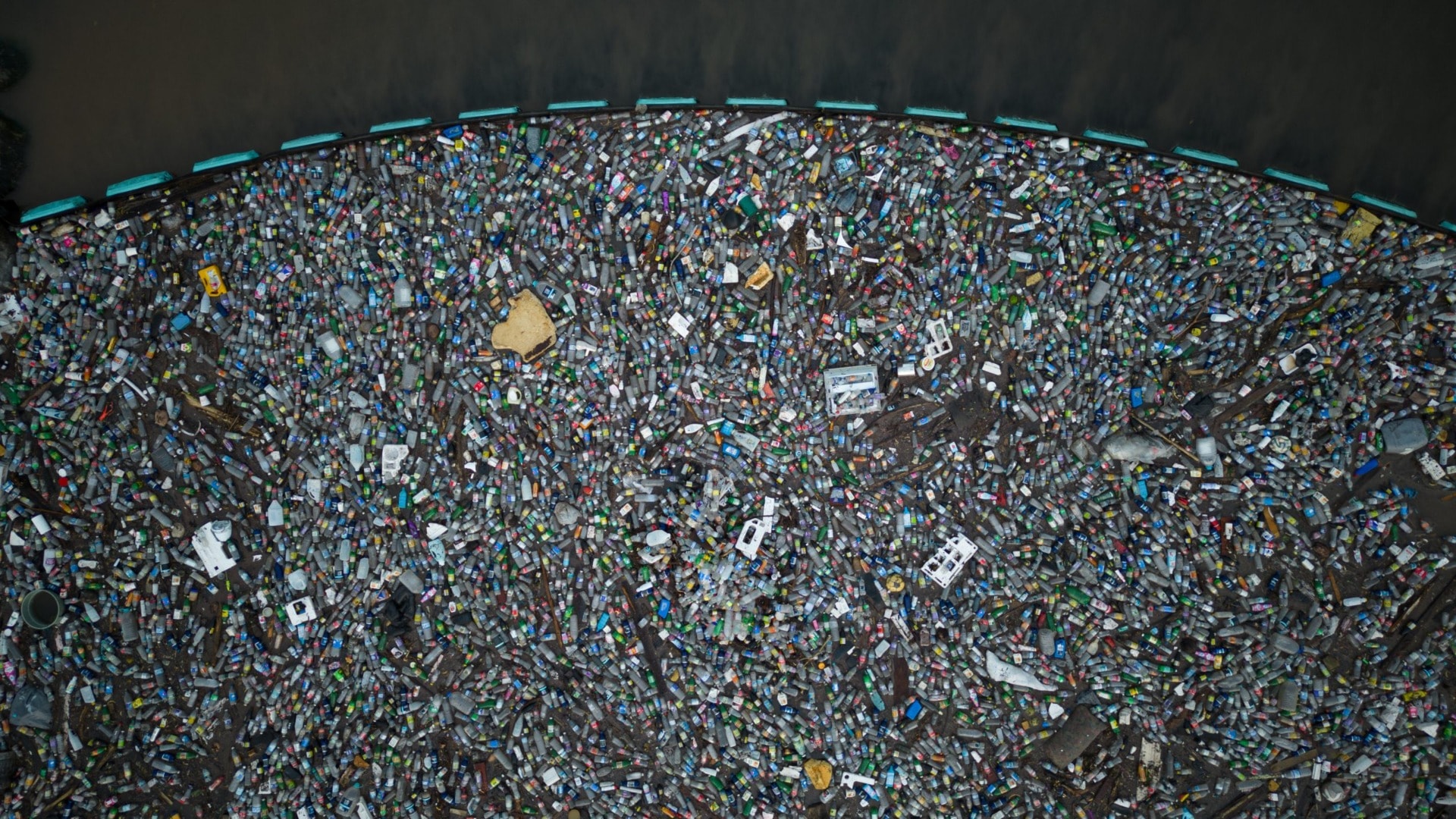
The world produces around 300 million tons of plastic waste every year, nearly equivalent to the weight of the entire human population. This is on top of 54 million tons of electronic waste (e-waste), of which just 17.4% gets collected and recycled. This waste becomes hazardous for human health and for biodiversity when it is mismanaged, either leaking into the natural environment or disposed of through open burning, landfills or substandard recycling.
Related Articles: Europe’s Centrality to the Circular Economy | Circular Economy as an Alternative Model
Designing products to be kept in use for longer reduces the amount of waste produced. Creating proper collection and processing systems protects workers and the environment from hazardous materials. For instance, utilizing existing solutions like replacing plastic other materials, designing plastics so that they can be more easily recycled, and scaling up collection and recycling could reduce the flow of plastic waste into the ocean by 80% in 20 years – a shift that would be enormously beneficial for human health and biodiversity.
4) Boost economies.
Research shows that the circular economy offers a $4.5 trillion economic opportunity by reducing waste, stimulating innovation and creating employment. New business models focused on reuse, repair, remanufacturing and sharing models offer significant innovation opportunities.
For example, a circular economy for plastics offers considerable economic benefits. Less plastic waste in the ocean would benefit industries like fishing and tourism, as plastic pollution currently leads to $13 billion in costs and economic losses per year. Reducing the pollution and toxic emissions that come from the open burning of plastic waste would lower healthcare costs, while reducing fossil fuel use for plastic production would help mitigate climate change and its associated costs.
Many of these economic benefits and opportunities are long-term, indirect and require significant investment; a long-term view is key, as are short-term incentives to drive the change. This can include policies that create more immediate financial incentives for businesses to develop innovative new business models and enable the efficient flow of reused and recycled materials across global value chains.
5) Create more and better jobs.
Transitioning to a circular economy could create a net increase of 6 million jobs by 2030. Making the most of this opportunity will require a clear focus on social and environmental justice.
Jobs may be lost in more linear businesses; however new jobs will be created in fields such as recycling, services like repair and rental, or in new enterprises that spring up to make innovative use of secondary materials. These new jobs cannot be considered direct replacements, as they may be in different locations and require different skills. For instance, we must consider the millions of garment workers — mostly women — whose employment depends on the continuation of the fast fashion industry. Investing in a just transition via social dialogue, social protection and reskilling programs is key.
While a net increase in jobs is important, another value-add of circularity is the opportunity to provide formal work and improved working conditions for informal laborers. Around 15 million people worldwide work as “waste pickers,” salvaging reusable or recyclable materials from garbage. Bringing these informal waste pickers into formal work in collection or recycling is a major opportunity to offer safer, more secure employment.
Maximizing the Impact of the Circular Economy
Of course, there are always trade-offs to be considered and managed when working towards large-scale, systemic change. For example, shifting to bio-based plastics and natural, recyclable textiles like cotton will use less fossil fuels than traditional plastics or synthetic fibers, but may increase demands for land and water to grow such materials. Shifting to natural materials is a crucial part of the solution, but only if those materials are produced in a sustainable way — and only if consumption habits change, too.
It’s also important to recognize the interconnected nature of the global economy. Many of the minerals and metals used in electronics are byproducts from the mining of aluminum, copper, lead and zinc, which are used across industries. Going circular in the electronics industry alone would therefore not do much to reduce dependence on these resources. Multiple industries must shift to create systemic change.
Finally, it will be crucial to keep social well-being and equity top-of-mind. For example, moving to a circular economy can shift investment and employment away from production and manufacturing (which tends to happen in lower-income countries) and towards later stages of the value chain, such as repair, resale, sorting and recycling (which are often concentrated in wealthier countries). We’ll need to ensure that economic benefits are equitably distributed to maximize the opportunity of a circular economy.
A Role for Everyone
The above five impact areas exhibit some of the social, environmental, and economic benefits of a circular economy, but realizing these benefits will require ambitious action. Governments, businesses, civil society, finance institutions, research organizations—everyone has a role to play. The new Circular Economy Action Agenda is a good place to start.
— —
About the Author: David B. McGinty is Global Director of the Platform for Accelerating the Circular Economy (PACE), an initiative to drive public-private action and collaboration on the circular economy.
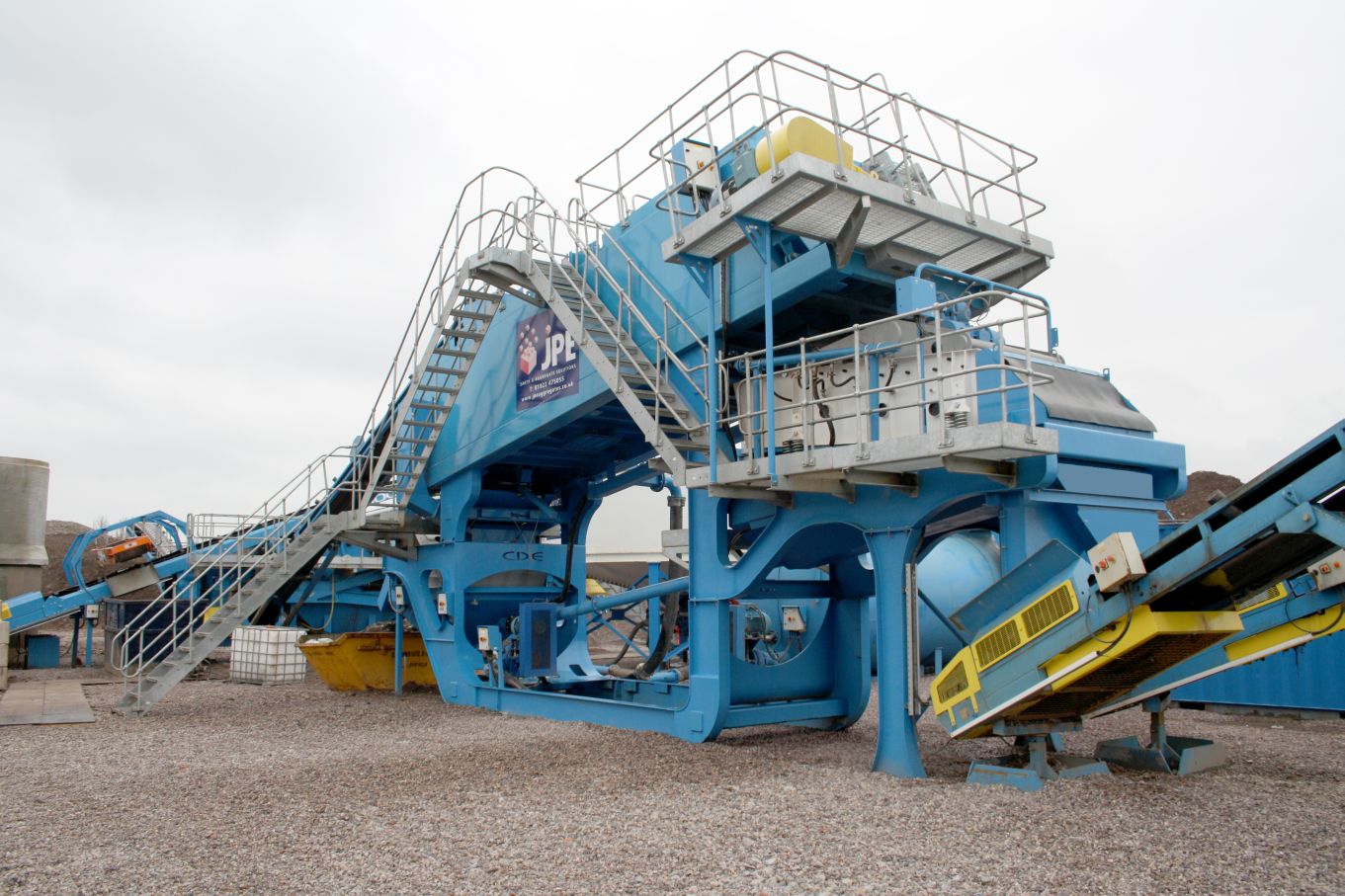
Editor’s Note: The opinions expressed here by Impakter.com columnists are their own, not those of Impakter.com. — In the Featured Photo: Recycling plant. Just 8.6% of the resources that enter the economy each year get recycled and used again. Featured Photo Credit: Peter Craven/Wikimedia Commons