
In 2020, COVID-19 touched our lives in nearly every way, everywhere, as countries went into lockdown and restricted movement to contain the spread of the virus. As doors closed and isolation began, reports of all forms of violence against women and girls, particularly domestic violence, began to rise.
The pandemic of violence against women is not new. Even before COVID-19 hit us, globally, 243 million women and girls were abused by their intimate partners in the past year. The COVID-19 pandemic intensified the violence, even as support services faltered and accessing help became harder.
As we mark the annual 16 Days of Activism against Gender-based Violence campaign (Nov. 25 – Dec. 10), UN Women is joining hands with survivors, activists, decision-makers, the UN system, and people from every walk of life, to shine a light on the need for funding, essential services, prevention and data that shapes better-informed responses.
Ending violence against women is everyone’s business.
Here are just ten ways you can make a difference, safely and impactfully.
1. Listen to and believe survivors

When a woman shares her story of violence, she takes the first step to breaking the cycle of abuse.
It’s on all of us to give her the safe space she needs to speak up and be heard.
It’s important to remember that when discussing cases of sexual violence, a victim’s sobriety, clothes, and sexuality are irrelevant.
The perpetrator is the sole reason for assault and must bear the responsibility alone. Call out victim-blaming and counter the idea that it’s on women to avoid situations that might be seen as “dangerous” by traditional standards.
Survivors of violence are speaking out more than ever before, and everyone has a role to play to ensure they can have justice.
Don’t say, “Why didn’t she leave?”
Do say: “We hear you. We believe you. We stand with you.”
2. Teach the next generation and learn from them
The examples we set for the younger generation shape the way they think about gender, respect and human rights. Start conversations about gender roles early on, and challenge the traditional features and characteristics assigned to men and women. Point out the stereotypes that children constantly encounter, whether in the media, on the street or at the school, and let them know that it’s OK to be different. Encourage a culture of acceptance.
Talk about consent, bodily autonomy and accountability to boys and girls, and also listen to what they have to say about their experience of the world. By empowering young advocates with information, and educating them about women’s rights, we can build a better future for all.
3. Call for responses and services fit for purpose

Services for survivors are essential services.
This means that shelters, hotlines, counselling and all support for survivors of gender-based violence need to be available for those in need, even during the coronavirus pandemic.
Every year, the 16 Days of Activism campaign calls for united, global action to end all forms of violence against women and girls.
This year the United Nations, together with our partners, are demanding four critical actions, summarized by our 2020 campaign theme: FUND, RESPOND, PREVENT, COLLECT.
Join us in calling on governments to bridge funding gaps to address violence against women and girls, ensure essential services for survivors of violence are maintained during this crisis, implement prevention measures, and invest in collecting the data necessary to adapt and improve life-saving services for women and girls.
4. Understand consent
Freely given, enthusiastic consent is mandatory, every time.
Rather than listening for a “no,” make sure there is an active “yes,” from all involved. Adopt enthusiastic consent in your life and talk about it.
Phrases like “she was asking for it” or “boys will be boys” attempt to blur the lines around sexual consent, placing blame on victims, and excusing perpetrators from the crimes they have committed.
While those that use these lines may have fuzzy understandings of consent, the definition is crystal clear. When it comes to consent, there are no blurred lines.
Related Articles: Types of Violence Against Women & Girls | Feminists Challenging UN Leadership Roles
5. Learn the signs of abuse and how you can help
There are many forms of abuse and all of them can have serious physical and emotional effects. If you’re concerned about a friend who may be experiencing violence or feels unsafe around someone, review these signs and learn about the ways to help them find safety and support.
If you think someone is abusing you, help is available. You are not alone. If you’d like to talk with a trained advocate at a helpline, we compiled this list of resources around the world.
6. Start a conversation

Violence against women and girls is a human rights violation that’s been perpetuated for decades.
It’s pervasive, but it’s not inevitable, unless we stay silent.
Show your solidarity with survivors and where you stand in the fight for women’s rights by oranging your social media profile for the 16 Days of Activism – you can download banners for Facebook and Twitter here.
On Instagram, you can use UN Women’s face filter to spread the word and encourage your community to do the same.
Use #orangetheworld, #16Days and #GenerationEquality to start your own conversation about gender-based violence, or share some of the content from our social media package.
7. Stand against rape culture
Rape culture is the social environment that allows sexual violence to be normalized and justified, fueled by the persistent gender inequalities and attitudes about gender and sexuality. Naming it is the first step to dismantling rape culture.
Every day we have the opportunity to examine our behaviours and beliefs for biases that permit rape culture to continue. Think about how you define masculinity and femininity, and how your own biases and stereotypes influence you.
From the attitudes we have about gender identities to the policies we support in our communities, we can all take action to stand against rape culture.
Learn more ways to stand against rape culture>
8. Fund women’s organizations
Donate to local organizations that empower women, amplify their voices, support survivors, and promote acceptance of all gender identities and sexualities.
UN Women works with women’s organizations everywhere to end violence against women, assist survivors, and secure equal rights for women and girls everywhere. Donate now at https://donate.unwomen.org/en.
9. Hold each other accountable

Violence can take many forms, including sexual harassment in the workplace and in public spaces.
Take a stand by calling it out when you see it: catcalling, inappropriate sexual comments and sexist jokes are never okay.
Create a safer environment for everyone by challenging your peers to reflect on their own behaviour and speaking up when someone crosses the line, or by enlisting the help of others if you don’t feel safe.
As always, listen to survivors and make sure they have the support they need.
10. Know the data and demand more of it
To effectively combat gender-based violence, we need to understand the issue.
Relevant data collection is key to implementing successful prevention measures and providing survivors with the right support.
As gender-based violence has spiked during COVID-19, the gaps in gender sensitive data collection have become more glaring than ever. Call on your government to invest in the collection of data on gender-based violence.
Find out at https://data.unwomen.org/ how UN Women works to bring about a radical shift in how gender statistics are used, created and promoted.
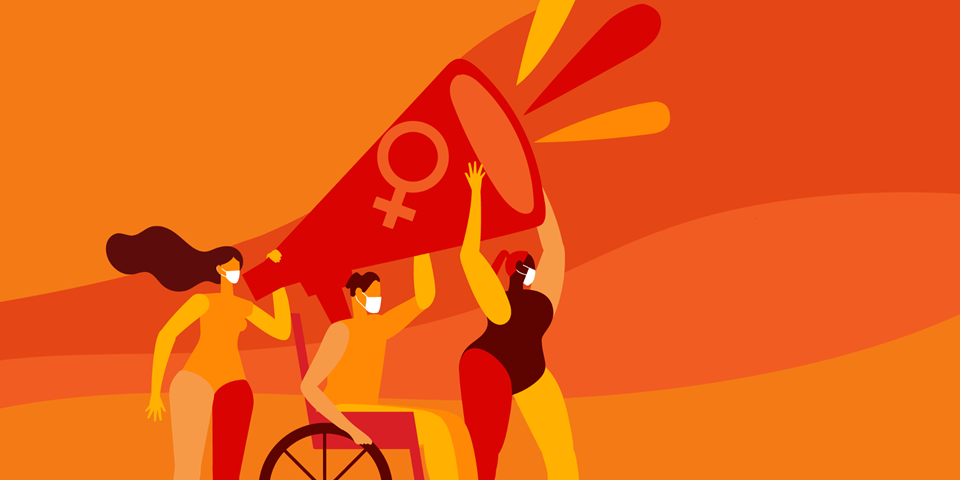
Editor’s Note: The opinions expressed here by Impakter.com columnists are their own, not those of Impakter.com. — In the Featured Photo: UN Women 16 Days of Activism against Gender-based Violence banner. Featured Photo Credit: UN Women