Climate change matters a lot to young Indonesians.
Several national surveys show that Generation Z and Millennials are concerned about the impact of climate change on their lives.
Politicians, however, appear to be ignoring the issue if their public pronouncements are anything to go by.
A survey of 4,020 young voters in 2021 showed that 70 percent of respondents were concerned about climate change, behind corruption (85 percent), environmental degradation (82 percent) and pollution (74 percent). Around 61 percent believe climate change is a severe problem.
Around 89 percent of Indonesian respondents to a survey by Bath University, UK, were anxious about the possible impact of climate change on their lives while 66 percent said they would be directly affected by climate change. Most worried respondents live in disaster-prone provinces such as Jakarta, South Sumatra, and North Sumatra.
A survey by the Climate Change Communication Center at Yale University in 2023 of 3,490 adults in 34 provinces showed that respondents prioritise environmental concerns, with water scarcity topping the list at 91 percent, storms or tornadoes (88 percent), droughts (87 percent), forest fires (86 percent), water pollution (85 percent), air pollution (83 percent), floods (83 percent), rising sea levels (77 percent), and extreme heat (69 percent).
So, there is strong interest in climate change among Indonesia’s younger people.
The same cannot be said of Indonesia’s politicians who have yet to make it a priority.
Our study of 157 Indonesian politicians’ Facebook posts showed that politicians rarely talk about climate change.
Data from 2019 to 2023 on accounts belonging to ministers, governors and deputy governors, party chiefs and 48 heads and deputy heads of commission at the House of Representative, revealed 106 (out of 983) had posted about climate change at least once.
The dominant topics from the analysis were global partnership, sustainable transportation and infrastructure, mangrove management and environmental conservation, and economic recovery after the pandemic.
Topics that directly impact people’s lives were talked about the least by Indonesian politicians. Agriculture and food security, the importance of clean water, extreme weather and climate change awareness made up just 112 posts or 11.39 percent of all posts. A mere 18 posts (1.83 percent) related to youth involvement in climate change and environmental issues.
Related Articles: What is Climate Resilience? | How Climate Change Affects Health and How Countries Can Respond | Climate Change’s Catch-22
We also analysed the proposed vision and mission from the three candidates that they submitted to the election commission. None pay much attention to climate change and environmental conservation.
By scanning the vision and mission documents of the three candidates for four keywords (“environment”, “climate”, “ecology”, and “energy”), we found they were barely mentioned (around 1 percent).
The Ganjar-Mahfud candidates used these words most (47 times) (1.09 percent), followed by Anies-Muhaimin with 44 (0.6 percent) and Prabowo-Gibran with 44 (0.58 percent).
The documents show that climate change and the environmental issues were not a priority, even though people clearly feel the threat and impact of climate change.
According to news monitoring on each candidate, climate change, environmental issues, and energy transition were mainly associated with the poor quality of Jakarta’s air and the urgency of electric vehicles.
Most candidates only touch on the general problem of green economics and solar panels. No one really seemed to educate the public about climate change or strongly declared promises to solve problems.
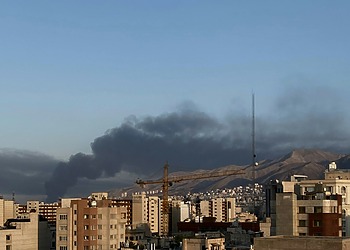
Climate change impacts are felt by everyone, from villages to cities. In cities, air pollution affects residents, while in remote areas, drought and crop failure are continual threats.
However, during the vice president candidates’ debate on climate change, they did not touch on the main causes of climate change Indonesia is facing, such as deforestation, illegal logging, and mining.
The Indonesian presidential election has so far failed to recognise environmental issues.
Instead of addressing climate issues in their agendas, politicians prefer to hire influencers and appear on contemporary social media platforms (TikTok and Instagram Live) to attract new, younger voters.
When they do address issues, it’s more likely to be more populist things like free meals for preschool students, raising teacher salaries, or direct financial subsidy for pregnant women.
The lack of climate change discussion and debates is mainly due to political priorities, economic concerns, and current political attitude towards each candidate and often takes precedence over long-term environmental considerations.
** **
This article was originally published by 360info™.
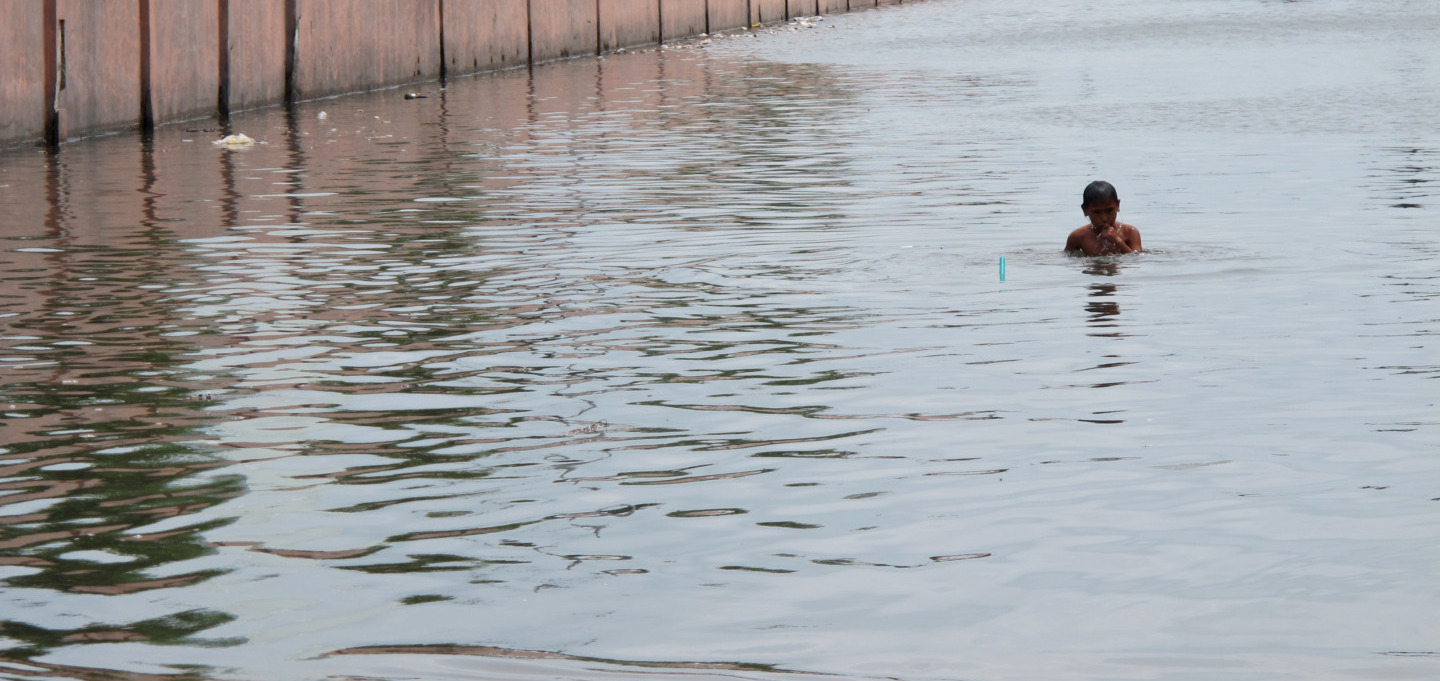
Editor’s Note: The opinions expressed here by the authors are their own, not those of Impakter.com — In the Featured Photo: Flooding in Jakarta, Indonesia, January 2011. Featured Photo Credit: Farhana Asnap/World Bank.